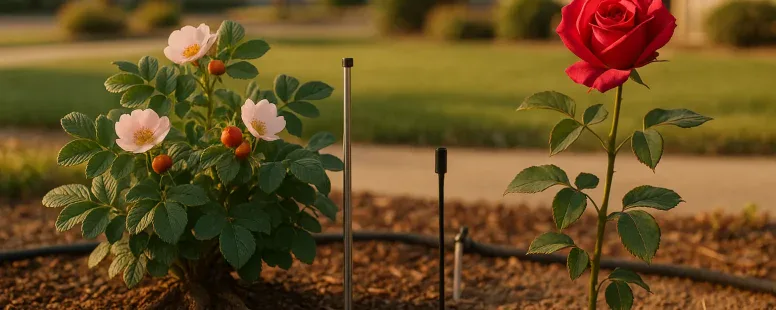
You can save water without giving up a dramatic rose garden. Drought-resistant roses use less irrigation and tolerate heat better than many traditional hybrid tea and floribunda roses. That difference can cut your summer watering, reduce fungal problems, and still deliver color and scent, though not always in the same package. This article compares drought-resistant roses vs. traditional hybrids so you can decide which fits your site, schedule, and gardening goals. Read on to learn clear trade-offs, real-world tips, and how to move from thirsty cultivars to more forgiving varieties with minimal fuss.
How Drought Resistance And Hybrid Breeding Differ
Fact: Drought-resistant roses are selected or bred for traits that reduce water need, while traditional hybrids are bred primarily for flower form and repeat bloom.
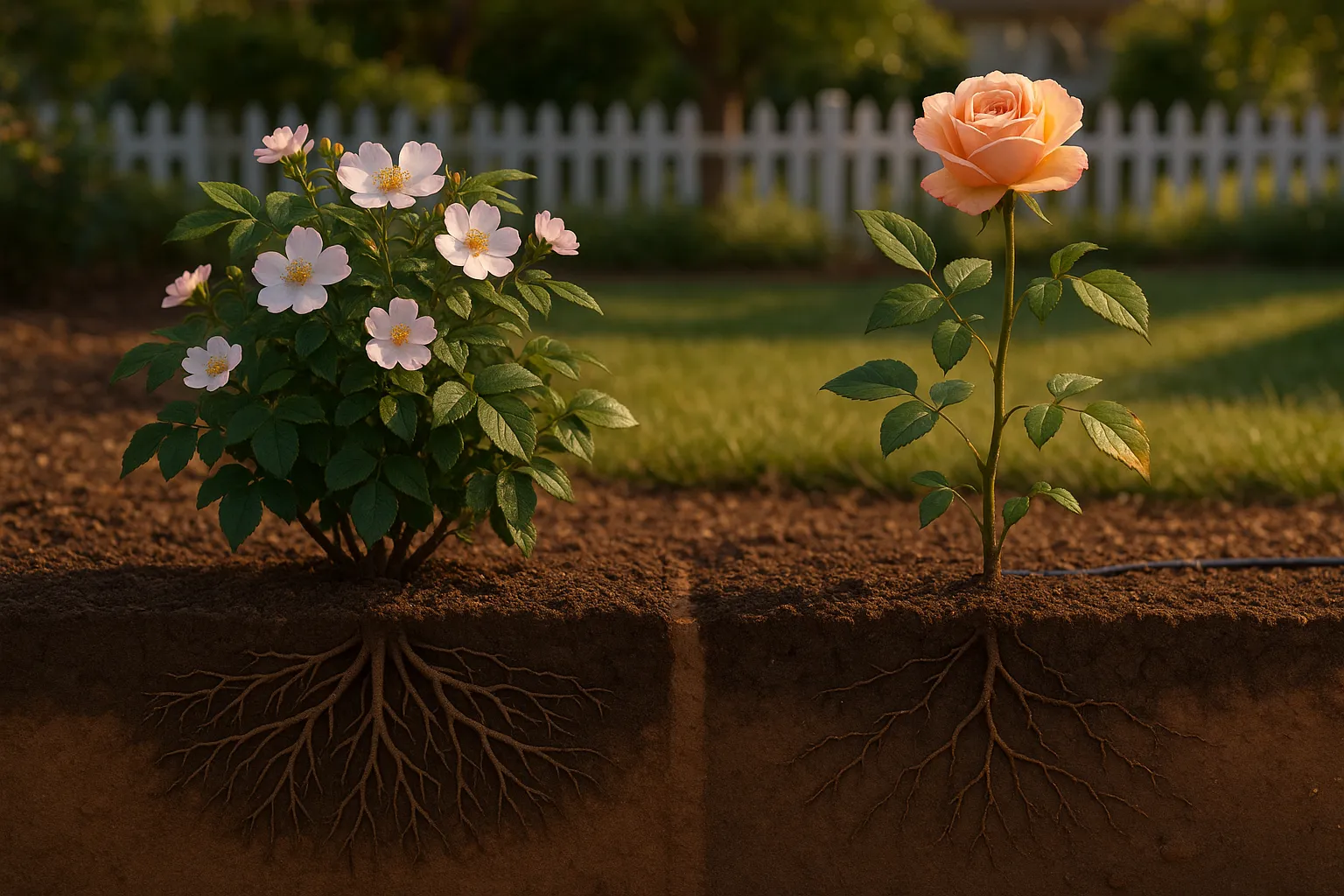
Drought-resistant roses include species like Rosa rugosa and modern selections such as ‘Carefree Wonder’ and many shrub or landscape roses. Breeders focus on thicker leaves, deeper roots, and stomatal control so the plant loses less water. Traditional hybrids, think Hybrid Tea, Grandiflora, and many floribundas, come from intensive hybridization aimed at large, high-centered blooms, long stems for cutting, and frequent rebloom. That focus often sacrifices the root depth and leaf structure that aid drought survival.
In dependency terms: breeders select (verb) traits (object) that alter water use (modifier). You will notice that breeding goals shape plant architecture, and that architecture controls water flow and stress response.
A practical difference: drought-tolerant varieties often tolerate leaner soil and can photosynthesize under mild water stress. Traditional hybrids will wilt faster and demand more consistent moisture to keep bloom size and form.
Named examples: Rosa rugosa (a species rose) shows salt and drought tolerance: the Knock Out series (a group of shrub roses from William Radler) offers low-maintenance vigor: David Austin English roses prioritize fragrance and flower form, often requiring more water and care than rugged shrubs.
Key Traits Of Drought-Resistant Roses
Fact: Deep roots, small or leathery leaves, and efficient stomata drive drought resistance.
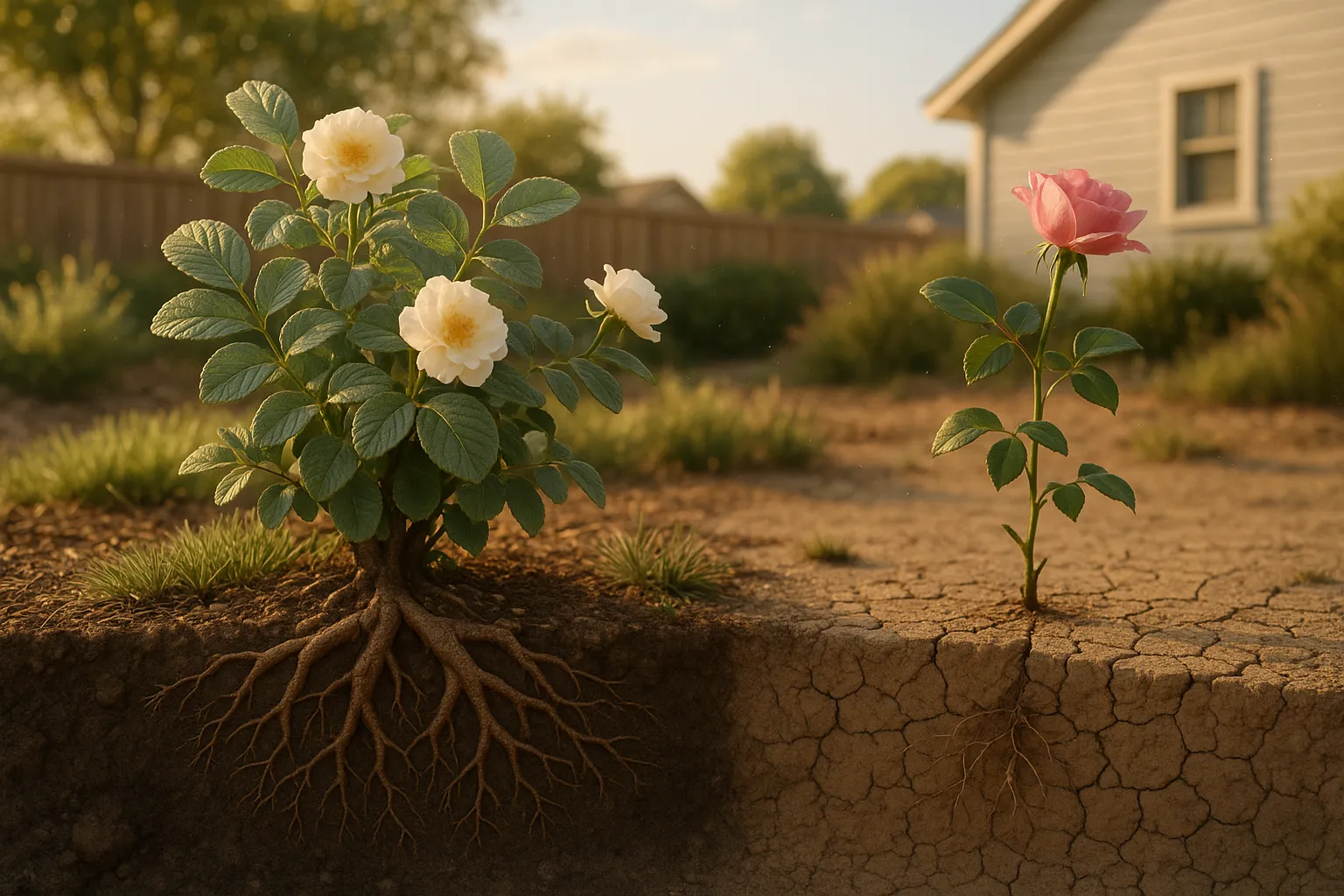
Roots: Drought-resistant roses often develop deeper root systems that reach subsoil moisture. That root depth anchors them and supplies reserve water during dry spells.
Leaves: Look for thick, leathery, or silver-backed leaves: they reflect light and slow transpiration. For example, species roses and some shrub roses show these leaf types.
Stomatal behavior: Some varieties reduce stomatal opening during midday. The plant conserves water without fully shutting down photosynthesis.
Growth form: Compact shrubs and groundcover roses present less surface area per unit of biomass. Less surface area equals less water demand.
Phenology: Many drought-tolerant types will reduce flowering during extreme drought to prioritize survival. That means you may see fewer blooms in a severe heat wave, but stems and roots survive.
Trade-offs: Those traits often mean blooms are smaller, or the form is more informal compared with classic hybrid teas. But you gain resilience, fewer irrigation hours, and often fewer disease issues because the canopy dries faster after rain.
Real example: ‘Rugosa Alba’ keeps foliage and hips in coastal dunes with wind and salt spray, its leaf physiology and root habit let it perform where hybrids fail.
Growth Habits And Landscape Uses
Fact: Drought-resistant roses fit mass plantings, hedges, slopes, and low-irrigation beds better than many hybrids.
Use them as:
Hedgerow shrubs that need little shaping.
Slope stabilizers where deep roots curb erosion.
Low-water pollinator blocks where continuous blooms are less important than season-long presence.
Traditional hybrids fit cutting gardens, formal beds, and places where you want large showy blooms on long stems. You will place Hybrid Teas in vase-focused beds near the house. You will plant shrub or Rugosa roses along property edges or mixed borders where maintenance is minimal.
Anecdote: A municipal planting I saw in Santa Barbara replaced mixed hybrids with shrub roses along a highway median. Water bills dropped and the median required fewer fungicide sprays. The look changed from sculpted to more relaxed, but residents still praised the color.
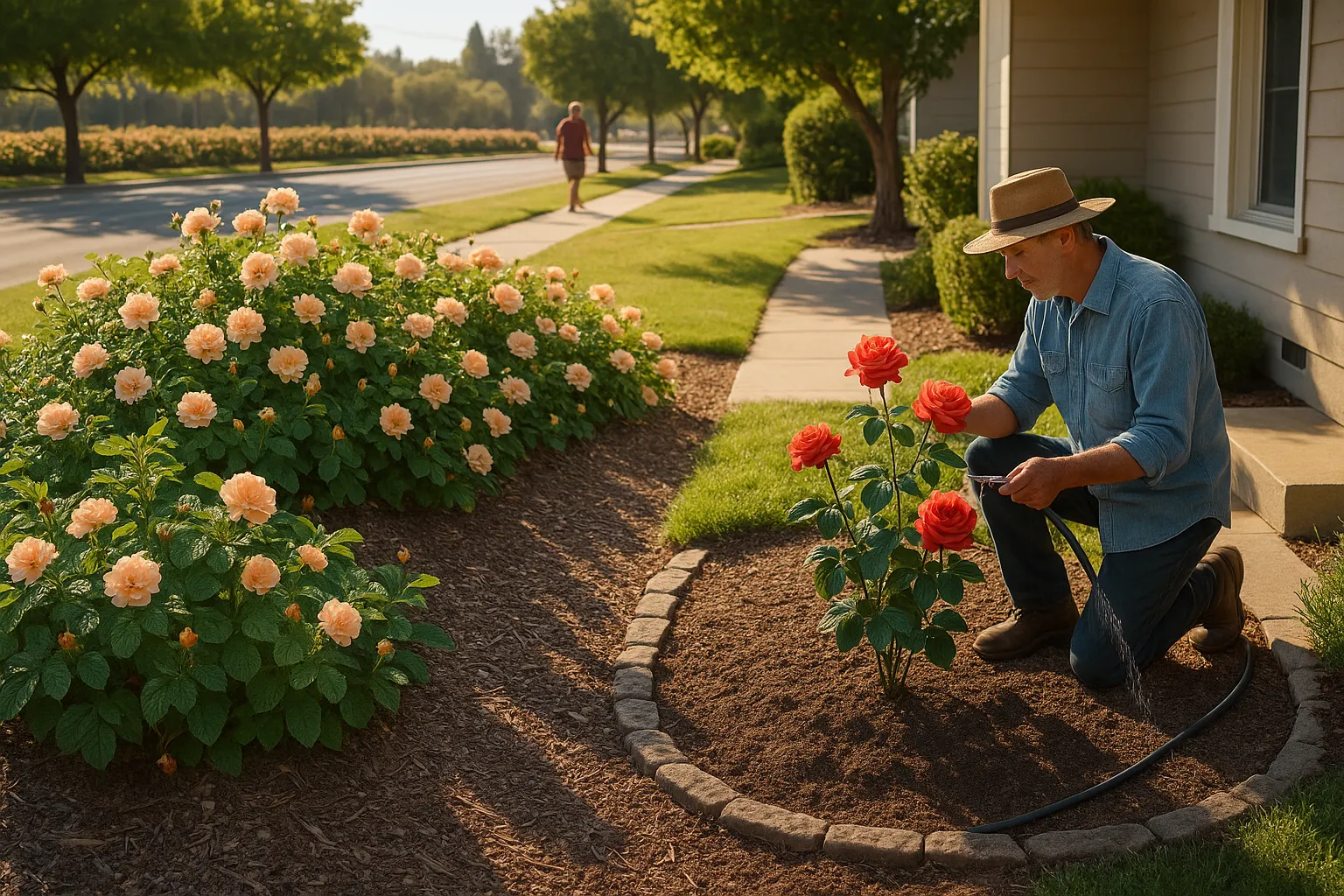
Design tip: Combine types. Use drought-resistant roses as backbone plantings and reserve a few traditional hybrids near entryways where you can give them extra water and attention. That provides both reliability and spectacle.
Care Requirements: Water, Soil, And Fertilizer
Fact: Drought-resistant roses need less frequent watering but they still require good soil and initial irrigation to establish.
Water: After planting, all roses need regular water until roots spread (about one growing season). Once established, drought-resistant types commonly need deep watering every 14–28 days in dry summer climates, depending on your soil. Traditional hybrids often need water every 3–7 days to maintain bloom and leaf turgor.
Soil: Both types benefit from well-draining soil. But drought-tolerant roses handle sandier, leaner mixes better. Improve heavy clay with compost and grit to promote rooting.
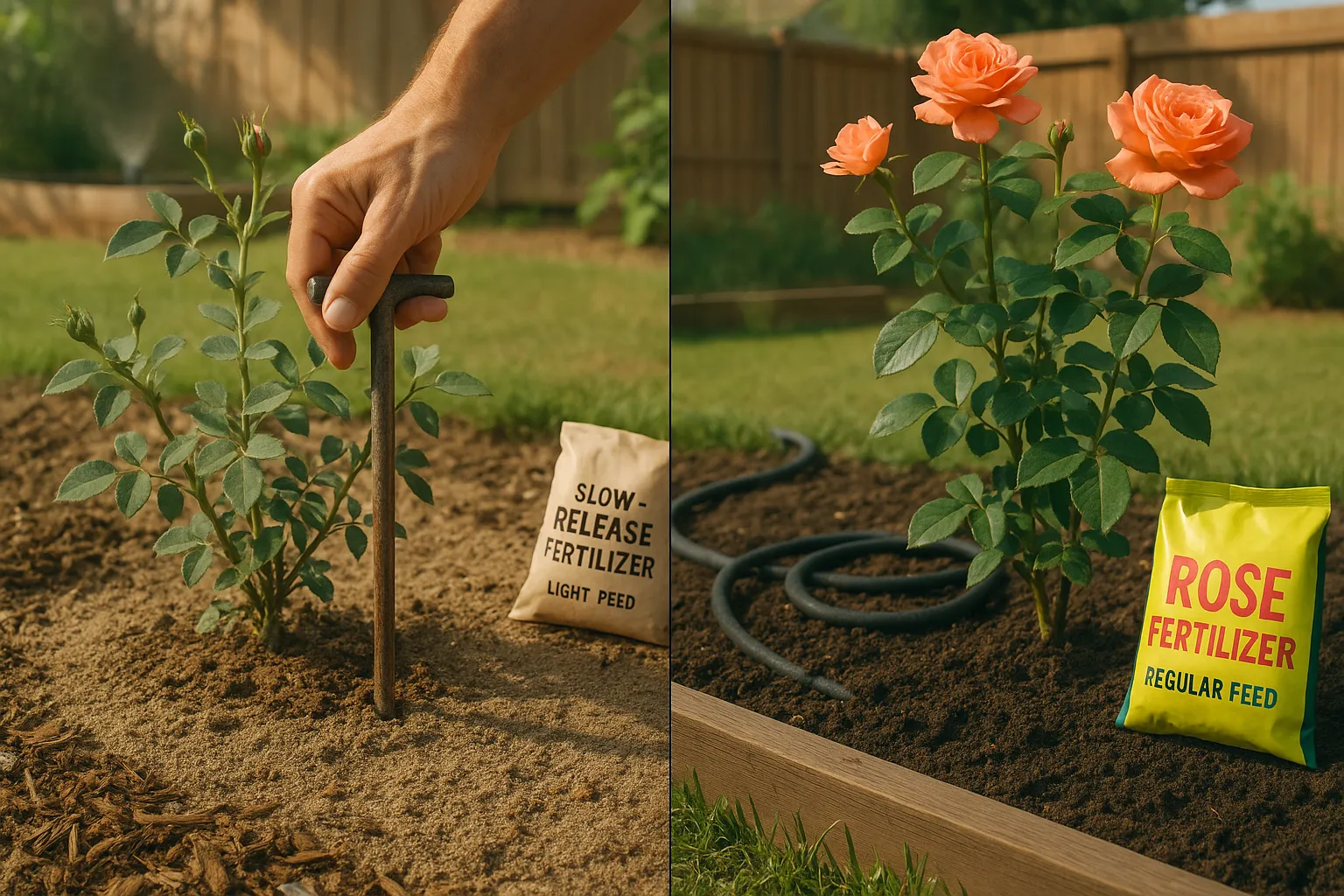
Fertilizer: Feed drought-resistant roses lightly. Too much nitrogen forces tender growth that demands water. Use a balanced slow-release fertilizer in spring and a lighter feed midseason. For traditional hybrids, you will likely apply regular rose fertilizer to support continuous bloom, often every 6–8 weeks during the growing season.
Practical warning: Overfertilizing drought-tolerant varieties defeats their purpose: lush new shoots increase water need and disease risk.
Tool tip: Use a long soil probe to check root zone moisture. That direct measure beats scheduled watering in many cases.
Performance: Flowering, Fragrance, And Disease Resistance
Fact: Drought-resistant roses often trade maximum bloom size for better health and lower inputs, but fragrance and disease resistance vary widely.
Flowering: Many drought-tolerant shrubs repeat-bloom, but bloom clusters tend to be smaller than Hybrid Tea blooms. Some, like certain David Austin shrub selections, balance repeat bloom with stronger scent, though they may not be as drought-hardy as true Rugosas.
Fragrance: Fragrance correlates with genetics more than water use. You can find fragrant drought-tolerant varieties, Rosa rugosa and some English shrub roses smell great, and you can find scentless hybrids too.
Disease resistance: Drought-resistant roses often resist black spot and powdery mildew better because sparser canopies dry faster and have tougher leaves. But, resistance is specific to cultivars and breeding lines. The Knock Out series, for instance, is notable for black spot resistance in many trials.
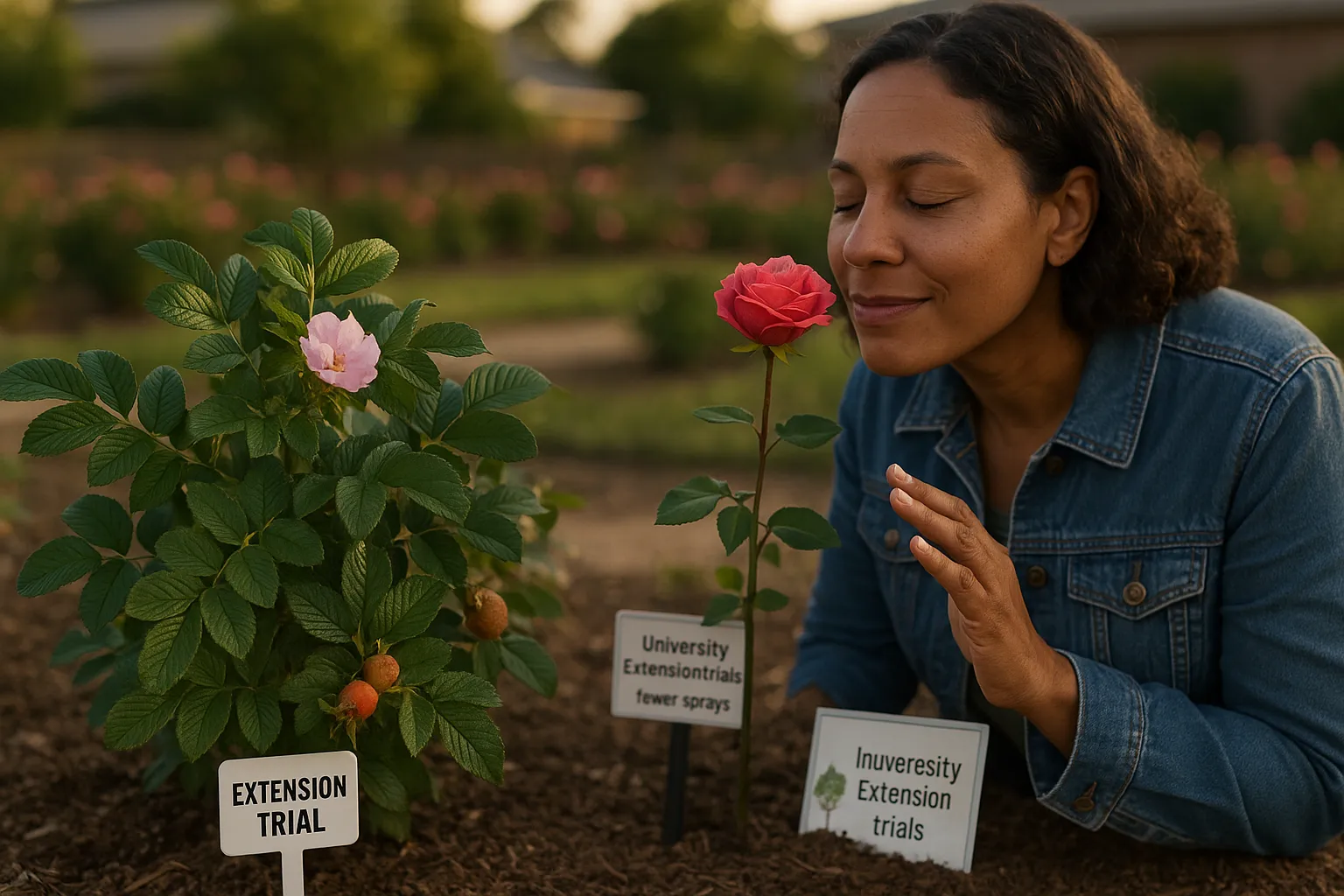
Evidence: University extension trials (e.g., Ohio State, Texas A&M) repeatedly show that shrub and landscape roses require fewer fungicide sprays than hybrid teas in comparable conditions. That reduces cost and chemical input for you.
Honest note: If you prize huge, perfect blooms for shows or cutting, hybrids outperform drought-resistant types in sheer spectacle. But if you prize landscape reliability and lower maintenance, drought-hardy roses win.
Choosing The Right Rose For Your Climate And Site
Fact: Select roses based on hardiness zone, sun exposure, soil, and your willingness to irrigate and prune.
First step: Match hardiness. Rosa rugosa tolerates cold coastal zones and salt: many modern shrub roses handle USDA zones 4–9. Hybrid teas may require winter protection outside their rated zones.
Second step: Assess sun and wind. In hot, dry, windy sites choose dwarf shrubs with protected roots or mulch deeply. In sheltered, irrigated beds you can grow hybrids for dramatic blooms.
Third step: Decide labor. If you don’t want weekly pruning and fertilizing, pick tolerant shrubs. If you love cut roses and frequent detail work, pick hybrids and accept the inputs.
Practical questions to ask: How much time will you spend watering? Do you need long-stem blooms for vases? Is chemical use a concern? Your answers guide the choice.
Practical Tips For Transitioning From Traditional Hybrids To Drought-Resistant Varieties
Start with a phased swap. Remove 20–30% of thirsty hybrids each season and replace them with drought-resistant varieties like ‘Rosa Rugosa’, ‘Knock Out’, or shrub roses from reputable nurseries. Plant replacements in the same season to maintain color and cover. Prepare the planting hole with compost and good drainage: water deeply during the first season. Expect a transition period where bloom type and garden rhythm will shift, and resist the urge to overwater the new shrubs, they need to establish deeper roots.
Planting, Mulching, And Irrigation Strategies
Planting: Dig a hole twice the root ball width, place the bud union at or slightly above soil level, and backfill with native soil plus compost. Water thoroughly.
Mulching: Apply 2–3 inches of organic mulch to keep roots cool and conserve moisture. Replenish annually. Mulch also reduces weeds that compete for water.
Irrigation: Use deep, infrequent watering. Drip irrigation or soaker hoses work best for deep root development. Install a timer tied to seasonal adjustments, but check soil moisture manually. In sandy soils you may water more often: in heavy soils water less frequently but deeper.
Pruning And Long-Term Maintenance
Start with corrective pruning in late winter: remove dead wood, open the center to light, and cut to outward-facing buds. Drought-resistant shrubs often need lighter pruning, shape rather than severe reductions. Monitor for pests and disease: treat early with cultural controls like increased air flow before spraying. Replace any plant that repeatedly fails even though proper care: site mismatch is usually the reason.
When To Stick With Hybrids: Situations Where Traditional Varieties Still Shine
Fact: Traditional hybrids shine when you want large single blooms, long stems for cutting, or formal beds with regular care.
Choose hybrids when you have:
Reliable irrigation and time for weekly care.
A cutting garden where bloom form matters.
Microclimates near the house where you can manage frost and pests.
Personal note: I once kept hybrid teas near a porch where I watered and deadheaded daily: the results were spectacular. But the same roses failed miserably in a hot, exposed bed two blocks away. That taught me site matters more than cultivar label.
Practical warning: Don’t force hybrids into a low-water plan and expect miracles: they will decline and invite pests if stressed. If you can provide the care, stick with hybrids for showy blooms: otherwise, choose drought-tolerant shrubs and save time and water.
To provide the best experiences, we use technologies like cookies to store and/or access device information. Consenting to these technologies will allow us to process data such as browsing behaviour or unique IDs on this site. Not consenting or withdrawing consent, may adversely affect certain features and functions.
Functional
Always active
The technical storage or access is strictly necessary for the legitimate purpose of enabling the use of a specific service explicitly requested by the subscriber or user, or for the sole purpose of carrying out the transmission of a communication over an electronic communications network.
Preferences
The technical storage or access is necessary for the legitimate purpose of storing preferences that are not requested by the subscriber or user.
Statistics
The technical storage or access that is used exclusively for statistical purposes.The technical storage or access that is used exclusively for anonymous statistical purposes. Without a subpoena, voluntary compliance on the part of your Internet Service Provider, or additional records from a third party, information stored or retrieved for this purpose alone cannot usually be used to identify you.
Marketing
The technical storage or access is required to create user profiles to send advertising, or to track the user on a website or across several websites for similar marketing purposes.