Does Numbing Cream Work with Tattoos? Effectiveness, Tips, and What to Know
Getting a tattoo is an unforgettable experience, but let’s be honest—it’s not exactly painless. As the needle hums to life and meets your skin, you might wonder if there’s a way to take the edge off. That’s where numbing creams come into play. Promising to dull the sting of each inked line, these products have stirred up plenty of curiosity and debate among tattoo enthusiasts.
: do they work, or are they just another overhyped product? The idea of sitting through hours under the needle without wincing sounds tempting, but it also raises questions about safety, effectiveness, and how it might impact your tattoo’s outcome. Whether you’re planning your first piece or adding to an existing collection, understanding how numbing creams interact with tattoos can help you decide if they’re worth trying—or skipping altogether.
What Is Numbing Cream?
Numbing cream is a topical anesthetic designed to reduce sensation in the skin. It’s often used during procedures like tattooing to minimize discomfort by temporarily numbing the area.
How Numbing Cream Works
Numbing creams contain active ingredients like lidocaine, benzocaine, or prilocaine that block nerve signals in your skin. When applied before a tattoo session, these substances penetrate the epidermis and desensitize nerve endings. This reduces the pain signals sent to your brain, making the process more tolerable.
But, effectiveness depends on proper application. Most creams require 30-60 minutes of absorption time before they reach peak potency. If removed too soon or applied unevenly, you might experience inconsistent results.
Types Of Numbing Creams Available
- Lidocaine-Based Creams: These are widely used for tattoos due to their strong numbing effect. Examples include Dr. Numb and Ebanel Numb520.
- Benzocaine-Based Creams: Often found in over-the-counter products like Orajel for minor skin irritations but less common in tattoo preparation.
- Tetracaine Blends: Combine multiple anesthetics for extended relief but may increase risks if misused.
- Natural Alternatives: Products using menthol or clove oil offer mild numbing effects with fewer synthetic chemicals.
Each type varies in strength and duration, so consult your artist or dermatologist before choosing one for your session.
Does Numbing Cream Work With Tattoos?
Numbing creams can reduce pain during tattooing by desensitizing the skin. Their effectiveness depends on the type of cream, its application method, and individual response.
Pros Of Using Numbing Cream For Tattoos
- Pain Reduction
These creams block nerve signals that transmit pain. Lidocaine-based options are particularly effective for large tattoos or areas with thin skin, like ribs or ankles.
- Longer Tolerance
Reduced discomfort helps you sit through longer sessions without breaks, ensuring better results for detailed designs. Artists can work continuously when clients remain still.
- Improved Experience
Less pain creates a positive experience for first-timers and reduces anxiety about future tattoos.
Cons Of Using Numbing Cream For Tattoos
- Possible Side Effects
Some users report redness, swelling, or irritation if their skin reacts to active ingredients like benzocaine or prilocaine.
- Impact On Tattoo Quality
Overuse of numbing cream may affect how ink adheres to your skin, potentially altering color vibrancy or line precision in rare cases.
- Temporary Relief Only
Most creams last 1-4 hours; prolonged sessions might require reapplication, which isn’t always practical mid-tattoo.
Consult your artist before using numbing products to ensure they align with your session’s needs and goals.
Factors That Influence Numbing Cream Effectiveness
Several factors impact how effectively numbing cream works during a tattoo session. Understanding these can help you make informed decisions about its use.
Skin Type And Sensitivity
Your skin’s type and sensitivity determine how well numbing cream performs. Oily skin might reduce absorption, limiting its effectiveness, while dry or cracked skin could cause uneven results. Sensitive skin may react to active ingredients like lidocaine, leading to irritation or redness. If you’re unsure about your reaction, do a patch test on a small area before the tattoo appointment.
People with conditions like eczema or psoriasis should consult a dermatologist first. These conditions might alter how the skin interacts with numbing agents.
Tattoo Placement And Duration
The placement of your tattoo affects the level of discomfort and, so, the need for numbing cream. Areas with thinner skin (e.g., ribs or wrists) typically experience more pain than fleshier areas (e.g., thighs). Numbing creams might be less effective in highly sensitive regions because nerve endings are more concentrated there.
Longer sessions demand prolonged relief from pain; but, most creams last 1-2 hours at peak performance. Reapplication is often not possible once the tattooing starts due to hygiene concerns and ink interference.
Application Technique
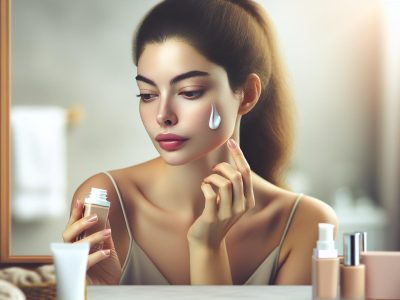
Proper application maximizes numbing cream efficiency. Apply an even layer over clean, shaved skin 30-60 minutes before the session to allow deep absorption into nerve endings. Covering the area with plastic wrap enhances penetration by trapping heat and moisture.
Using too little cream reduces effectiveness while excessive amounts may cause adverse reactions like burning sensations or swelling. Always follow product instructions carefully to avoid complications during your tattoo process.
Alternatives To Numbing Cream
Exploring alternatives to numbing cream can provide pain management options that don’t interfere with the tattoo process. These methods focus on natural or non-topical approaches.
Topical Pain Relievers
Topical pain relievers like cooling gels or aloe vera-based creams offer soothing effects without strong anesthetics. Products containing menthol, for instance, create a cooling sensation that distracts from pain. Over-the-counter hydrocortisone creams may also reduce minor irritation during healing stages but aren’t designed for intense procedures like tattooing.
While these don’t numb the skin completely, they can help reduce discomfort in less sensitive areas. Consult your tattoo artist about compatible products before application to avoid affecting ink absorption.
Breathing And Relaxation Techniques
Controlled breathing and relaxation techniques allow you to manage pain during a tattoo session. Deep breathing exercises, such as inhaling for four counts and exhaling for six, can lower your body’s stress response by promoting oxygen flow and reducing muscle tension.
Progressive muscle relaxation—where you tense each muscle group briefly before releasing—relieves physical stress that could amplify discomfort. By focusing on rhythmic breaths or using meditation apps with calming prompts, you divert attention away from the needle’s sensation, improving overall tolerance levels.
Conclusion
Deciding whether to use numbing cream for your tattoo session eventually depends on your personal pain tolerance, skin type, and the advice of your tattoo artist. While these creams can make the process more comfortable, they’re not a one-size-fits-all solution and may come with potential drawbacks.
By understanding how numbing creams work and exploring alternative pain management options, you can approach your tattoo experience with confidence. Always prioritize open communication with your artist to ensure the best results for both comfort and the quality of your new ink.

- Router Software Comparison: OpenWrt vs. DD-WRT vs. PfSense - September 21, 2026
- Best Cdm of All Time - September 20, 2026
- Bgc Competitors - September 20, 2026
by Ellie B, Site Owner / Publisher