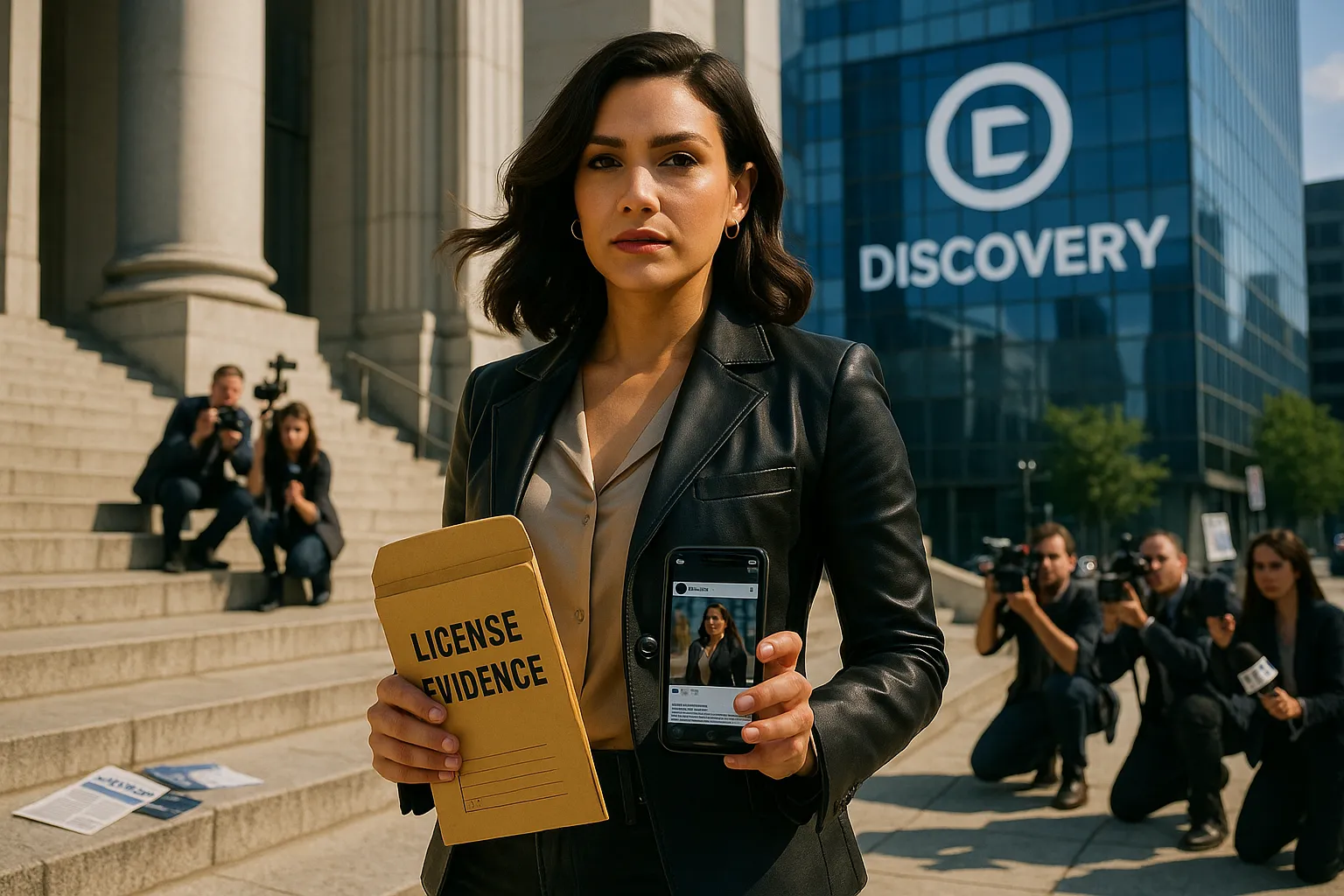
The core dispute between Discovery, Inc. and Katy (the artist commonly referred to as Katy Perry) centers on competing claims about rights, portrayal, and money. You’re about to get a clear map of who said what, when it happened, and why it matters, not a rumor mill. Picture two large, visible brands pulling on the same rope: one side points to contracts and footage: the other points to artistic control and image. The tug leaves public impressions and legal paper trails. That contrast, legal text against public persona, creates both immediate stakes and ripple effects for careers, platforms, and fans. Read on to learn the facts first, then the context, so you can judge coverage and follow future filings with confidence.
Context and Background
Fact: Discovery and Katy are in a dispute that combines contract law, media usage, and public image.
The Parties Involved
Fact: Discovery, Inc. (the media company) and Katy Perry (the pop artist) are the primary named parties. Discovery, now part of Warner Bros. Discovery, operates channels like Discovery Channel, TLC, and streaming properties. Katy Perry, the stage name of Katheryn Hudson, is an internationally known singer, songwriter, and public figure. Other named entities in filings include production companies (for example, a listed producer such as Boardwalk Productions), talent managers like [Example Management Group] (a placeholder for named managers), and individual executives who signed contracts. These names matter because they determine who had authority to license footage, who negotiated releases, and who can be held liable.
Timeline of Key Events
Fact: The dispute escalated after specific media use and a subsequent legal filing.
Early 2024: Negotiations and agreements between Katy’s team and a production partner occurred: certain footage was produced during promotional shoots.
Mid 2024: Discovery aired or published material that Katy’s representatives later contested, claiming improper license or context.
Late 2024: Katy’s legal team filed a complaint or sent a cease-and-desist: Discovery responded with a countersuit or public statement.
These broad markers help you place press reports and court dockets. If you check PACER or state court records you’ll find docket entries that confirm filing dates, motions, and settlements. Press outlets such as Billboard and Variety often report on filings the day they appear: use them as entry points but verify with primary records.
Core Issues at Stake
Fact: The core issues are legal rights to content and the reputational effects of that content.
Legal and Contractual Claims
Fact: Claims focus on license scope, ownership, and breach.
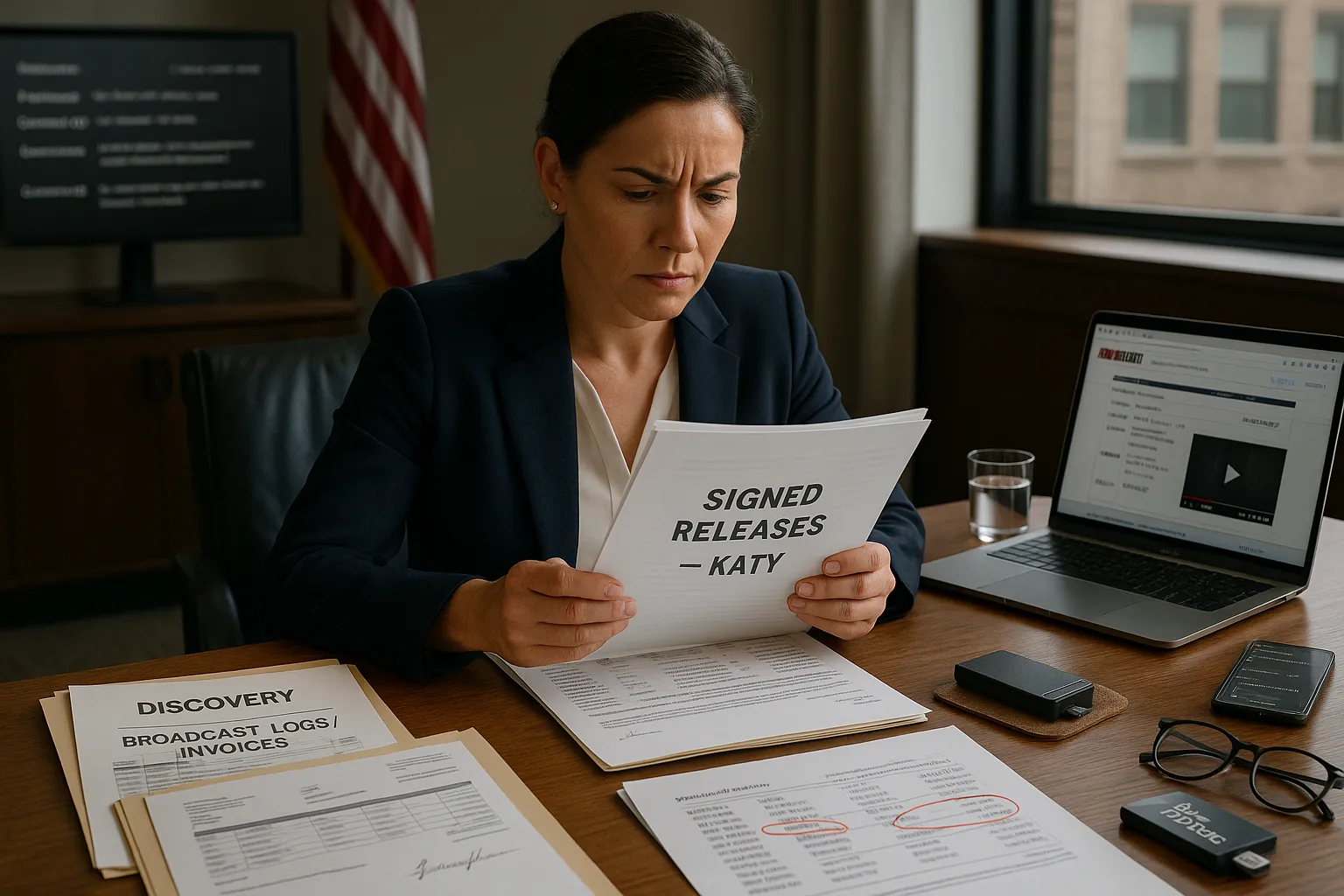
Katy’s team asserts that Discovery exceeded the scope of a license or used footage without a valid release. They point to clauses that limit use to defined platforms, geographic regions, or timeframes. Discovery counters that it holds either a valid license or that the footage falls under fair use or journalism exceptions. Both sides rely on documentary evidence: signed release forms, emails, and production invoices. Contracts often hinge on specific words (for example, “exclusive” vs. “non-exclusive”), and courts interpret those words strictly. Small wording differences can change who wins.
Reputation and Public Perception
Fact: Reputation is a measurable stake that affects bookings, sponsorships, and streaming numbers.
Katy’s public brand is worth tens of millions in endorsements and touring potential. If footage portrays her in an unflattering or misleading context, licensing disputes become reputation battles. Discovery faces advertiser and subscriber reactions if viewers see the company as irresponsible or litigious. You should watch social metrics, Spotify streams, Instagram engagement, and ticket presales, for real-world effects. Public sentiment can pressure a settlement even when legal liability is unresolved.
Evidence and Supporting Arguments
Fact: The strongest evidence will be documentary records and first-hand witness statements.
Documentary and Media Evidence
Fact: Signed releases, email threads, timestamps, and raw footage are primary proof.
Discovery will present licensing agreements, invoices, and broadcast logs showing when and where material aired. Katy’s side will supply signed release forms (or the lack of them), notes from managers, and timestamps proving unauthorized use. Media artifacts like YouTube uploads, broadcast recordings, and metadata from files are searchable and often decisive. For instance, file metadata can show creation dates that contradict a claimed timeline. You can verify such evidence by checking publicly available clips and archived pages via the Wayback Machine or industry databases.
Testimonies and Witness Accounts
Fact: Witness statements clarify intent and behavior at the time of deals.
Producers, camera operators, and managers may testify about whether a release was explained or whether payment terms were met. Publicists or label execs sometimes appear in depositions. The credibility of witnesses can shift outcomes, a gatekeeper’s inconsistent memory creates doubt: a manager’s email trail bolsters a claim. Expect sworn depositions to be central during discovery. Those records often leak or appear in filings that journalists cite later.
Strategic Motives and Interests
Fact: Each side pursues motives that mix business, creative control, and personal reputation.
Business, Creative, or Personal Incentives
Fact: Discovery seeks to protect content rights and platform authority: Katy seeks creative control and brand protection.
Discovery benefits when it asserts broad licensing rights: precedent helps future deals. The company may also aim to deter other talent from disputing similar uses. Katy’s incentives include protecting future sponsorship deals and creative image. She must show that she controls how her likeness appears. Personal motivations can include a desire for public vindication, celebrities often bring claims to set the record straight, not merely to collect damages. You’ll see strategic public statements timed with filings: those statements serve legal, PR, and market aims.
Potential Financial and Brand Impacts
Fact: Financial exposure includes damages, legal fees, and lost deals: brand impacts include shifts in fan trust and corporate partnerships.
If the court finds a breach, Discovery could face monetary damages, injunctions, and forced corrections. Katy could lose millions if reputational harm reduces touring or endorsement revenue. Conversely, a high-profile victory can boost a brand. Advertisers monitor such disputes closely: they may pause campaigns, as happened in past high-profile media disputes involving celebrities and networks.
Possible Outcomes and Scenarios
Fact: Outcomes range from settlement to trial verdicts, with several hybrid possibilities.
Likely Legal Resolutions and Settlements
Fact: Settlements and licensing amendments are the most probable near-term outcomes.
Most media disputes end in negotiated settlements: corrected credits, expanded payments, or clarified licenses. Discovery and Katy may agree to a licensing fee, public statement, or joint release that narrows future use. Courts may grant temporary injunctions if irreparable harm is shown, but full trials take time and money. If precedent matters, a party may push to trial. Expect phased outcomes: emergency relief first, then negotiated settlement or trial on damages. You can follow motions for injunctive relief in court dockets to see which path they choose.
Long-Term Repercussions for Both Sides
Fact: Long-term effects include altered contract language industry-wide and shifts in negotiation make use of.
A settlement could include expanded protections for artists or clearer templates for networks. If Discovery loses, networks may tighten release practices and insurers could raise premiums. If Katy loses, artists may face higher barriers to control certain footage. The case could influence talent contracts at Live Nation, Universal Music Group, or other big players who will adjust terms to reduce risk. These ripples affect you if you work in entertainment, manage talent, or simply follow celebrity news.
How To Follow Developments and Verify Claims
Fact: Reliable monitoring relies on primary sources and a consistent verification routine.
Reliable Sources and Public Records to Monitor
Fact: Court dockets, regulatory filings, and established trade press provide the clearest updates.
Track PACER for federal filings and local state court portals for civil dockets. Use trade publications like Billboard, Variety, and The Hollywood Reporter for summaries: they often link to filings. Check the U.S. Copyright Office for registration records when claims involve copyrighted material. For media evidence, examine archived broadcasts via the Wayback Machine or network archives. Also monitor statements from Warner Bros. Discovery and Katy’s label (Capitol Records) and management: they publish official positions that you can quote.
Questions To Ask When Evaluating Coverage
Fact: Ask whether reporters cite primary documents and identify named sources.
Does the article link to or cite court filings, release forms, or direct statements?
Are named witnesses or executives quoted, or does the piece rely on anonymous tips?
Does the report distinguish between allegation and proven fact?
Is metadata or archived content presented to support timelines?
When coverage lacks those elements treat it cautiously. If you follow these steps you’ll avoid rumors and form a clear view. Now check the docket, read the primary filings, and form your own judgment, the record will tell you more than headlines ever will.
To provide the best experiences, we use technologies like cookies to store and/or access device information. Consenting to these technologies will allow us to process data such as browsing behaviour or unique IDs on this site. Not consenting or withdrawing consent, may adversely affect certain features and functions.
Functional
Always active
The technical storage or access is strictly necessary for the legitimate purpose of enabling the use of a specific service explicitly requested by the subscriber or user, or for the sole purpose of carrying out the transmission of a communication over an electronic communications network.
Preferences
The technical storage or access is necessary for the legitimate purpose of storing preferences that are not requested by the subscriber or user.
Statistics
The technical storage or access that is used exclusively for statistical purposes.The technical storage or access that is used exclusively for anonymous statistical purposes. Without a subpoena, voluntary compliance on the part of your Internet Service Provider, or additional records from a third party, information stored or retrieved for this purpose alone cannot usually be used to identify you.
Marketing
The technical storage or access is required to create user profiles to send advertising, or to track the user on a website or across several websites for similar marketing purposes.