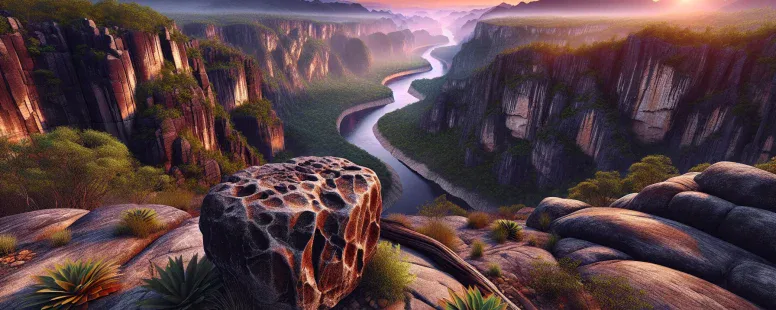
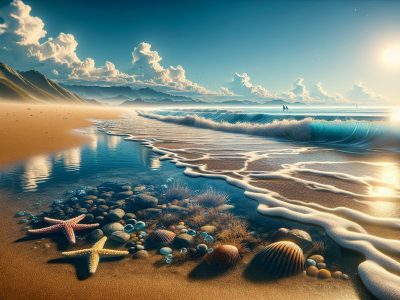
Picture yourself standing on a windswept cliff, the salty air biting your skin as waves crash below. what invisible forces sculpt these breathtaking landscapes over time? The ground beneath your feet tells a story—a tale of powerful elements working in tandem, sometimes subtly, sometimes with dramatic flair.
You might think wind and rain simply wear things down, but there’s more to the story than meets the eye. Distinguishing between weather and erosion unlocks a hidden world where rocks crack, soils shift, and entire coastlines reshape. Grasping this difference not only deepens your appreciation for nature’s artistry but also reveals how these processes can impact your own backyard. Get ready to see the world’s surfaces in a whole new light.
Understanding Weathering and Erosion
Weathering breaks rocks down where they sits. Erosion, on the other hand, moves what’s already broken away. When you see pebbles on a riverside, you’re seeing the results of both: weathering crumbled larger stones, while erosion carried fragments downstream.
Weathering comes in many shapes. Chemical weathering dissolves minerals, like when rainwater eats at limestone tombstones in old cemeteries. Physical weathering cracks cliffs and pavements, like frozen water that expands inside rock, prying it apart. Biological weathering grows when roots dig into stone or lichen secretes acids on monuments.
Erosion dances further, humming with rivers, winds, glaciers, and gravity. Rivers carve canyons—think Grand Canyon, which the Colorado River shaped across 5 million years (USGS, 2020). Glaciers inch their way across continents, crushing boulders into powder, dragging debris for miles. Wind carves sandstone arches in deserts, lifting grains skyward; gravity tumbles rocks down steep slopes after a rain.
Can you picture a mountain’s story? Standing tall, battered by wind and rain, losing edges every winter. Or picture a child’s plastic bucket at the beach—filled with sand scooped up by tidewaters, each grain once part of a distant cliff.
Which force seems more powerful to you? Some scientists debate whether erosion or weathering changes landscapes more rapidly, depending on local climate, altitude, and rock type (GSA Today, 2019). In arid regions, wind can transport dust for thousands miles; in wet climates, chemical breakdown of rock speeds up.
Weathering and erosion works together, always. When you walk on crumbled gravel, hike along a forest stream, or gaze at sea-carved cliffs, you see Earth’s dependency grammar at work—entities acting on each other, transforming both scene and story. Would you notice how rain patters on gravestones or how streams ripple with ancient stones next time you’re outdoors?
The Process of Weathering
Weathering transforms massive stone into fragile dust, right where it stands. Rock shapes, soil textures, and even the colors of cliffs depend on how weathering works over decades or centuries.
Types of Weathering
Physical weathering splits rocks without changing what they are made of. In places like Yosemite, ice cracks granite each winter when meltwater freezes in tiny holes, prying the stone apart, a phenomenon called frost wedging. Chemical weathering changes the minerals. Acid rain eats away marble at city statues—the limestone reacts with acids in rain, forming new substances that crumble away. Biological weathering puts living things at center stage. Tree roots push into concrete or tiny fungi burrow in rocks, breaking stones down step by step. If you ever seen a sidewalk heaving from roots, you’ve watched biological weathering in action.
Agents of Weathering
Water, air, temperature, and living organisms act as key agents of weathering. Repeated cycles of rain and sun bake exposed rocks, causing layers to peel off like the skin of an onion. In deserts, wind sandblasts boulders, sculpting fantastic arches and fins; Arches National Park in Utah is bursting with examples. Microbes, like lichens, secrete acids that eat rock from the outside in. The environment you stand within tips the balance of these agents—mountains break down faster in warm, wet regions compared to cold, dry ones.
Would you believe the Chrysler Building in NYC loses grams of stone each year due to air pollutants? Researchers from the U.S. Geological Survey confirm that weathering never stops, it simply shifts speeds and styles across the globe.
The Process of Erosion
Erosion never stops working—century after century—it wears away mountain faces, coasts, and riverbanks in a process both relentless and patient. When you stand on a rocky outcrop and gaze at a distant horizon, you’re really looking at the long history of erosion etched into every slope and valley.
Types of Erosion
Erosion takes many forms, each one leaving it’s mark on the Earth. You might’ve seen gulleys carved by heavy rainwater, or maybe cliffs shrinking as wind continually strip away grains of sand. Water erosion, driven by rainfall and flowing rivers, shapes riverbeds in the Mississippi basin. Wind erosion whittles hoodoos in Utah’s Bryce Canyon, leaving tall, ghostly spires. Glacial erosion sculpts valleys in Alaska and forms deposits known as moraines—these testify to the ice’s ancient movement. Coastal erosion, such as that seen at Cape Cod, eats away at land inch by inch, swallowing houses and roads. Scientists from the U.S. Geological Survey track yearly loss of hundreds of acres to Atlantic waves. Every kind of erosion takes away a piece of the past and delivers it somewhere new—sometimes building new landscapes hundreds of miles away.
Agents of Erosion
Different agents drive these processes, not one acting alone but all joined in an unending cycle. Water flows over streets, carving channels through dirt or stone, as witnessed in the flash floods of Arizona monsoon seasons. Wind lifts and drops desert sands, filling farmer’s fields in Oklahoma—Dust Bowl relics still linger in records from the 1930s. Ice crushes, drags, and piles up boulders as glaciers inch forward, transforming rocky ground into polished granite sheets found throughout Yosemite. Gravity plays a silent but deadly roll, causing landslides that abruptly move millions of tons of debris down steep slopes like those near Mount Saint Helens after the 1980 eruption.
When you ask, What if these forces didn’t exist?—picture landscapes unchanged, valleys uncarved, deltas without rich soil, cities unthreatened by riverbank collapse. Does it amaze you that every drop of rain and gust of wind participates in an ancient, ongoing story? The process of erosion is nature’s way of moving the Earth, one grain at a time, right beneath your feet.
Key Differences Between Weathering and Erosion
Understanding the difference between weathering and erosion lets you see the world’s surfaces not as static scenes but as living stories told in stone, sand, and soil. Every crack in a city sidewalk or canyon wall whispers the results of these distinct forces at work.
How They Affect Landscapes
Weathering and erosion, both shape landscapes but in strikingly different ways. Weathering changes rocks where they sits. Picture a granite boulder in Central Park slowly turning crumbly under New York’s freezing winters and hot summers—cracks widen as water freezes and thaws, minerals dissolve as acid rain falls, and roots pry stone into splinters. Here, nothing’s carried away, all change stays local, cemented to that site (USGS, Chemical Weathering of Rocks, 2022).
Erosion, on the other hand, picks up the scene and set it somewhere else. Picture the power of the Mississippi carrying vast loads of mud from the heartland to the Gulf of Mexico, muddying the delta and stretching the continental shelf further into the sea (NOAA, Erosion and Sediment Transport, 2021). Or think about sand racing across the Mojave Desert on a windy day. Erosion takes fragments broken by weathering and sends them packing, sometimes for miles, sometimes only inches, but always moving, always re-sculpting.
Ask yourself: when you see the smooth face of Half Dome or watch silt cloud a creek after a storm, are you witnessing weathering or erosion? Both forces combine, yet their impacts weave landscapes in different textures—weathering builds potential, erosion sets it free.
Common Misconceptions
Many confuse weathering and erosion, their names even sound simillar, and you’ll often hear them used interchangeably—even in classrooms. Some belives weathering alone carves mountain valleys, but without erosion, high peaks wouldn’t flatten, canyons wouldn’t widen, and coastal cliffs wouldn’t march inland. Erosion always involves movement—gravity pulls, wind lifts, water sweeps, ice drags.
Another myth claims only water does the work, but glaciers grind mountains, wind builds dunes, and even gravity alone can roll boulders down slopes—each counts as erosion if materials move away from where they broke free (National Geographic, Erosion, 2023). Weathering leaves rocks broken at their birthplace; erosion takes their pieces on a journey.
Next time you hold a stone smoothed by river current or spot dust blowing past your feet, ask not just what made it break—but how it traveled here. Weathering and erosion aren’t rivals but partners in the endless cycle that sculpts Earth’s grandeur.
Real-World Examples
Every landscape tells a story written not just in stone but in the shifting of wind, water, and time. You’ll find weathering and erosion everywhere from city parks to remote canyons, but sometimes, knowing what’s breaking apart and what’s moving away gets a little tricky. Let’s dig deeper into the drama that shapes Earth’s surface with vivid scenes from both weathering and erosion.
Weathering in Action
Picture yourself standing at the base of Half Dome in Yosemite, morning sun glinting off granite polished by time. You run your hands over the rock and sense the sluggish battle underway—tiny crystals wedging apart. That’s physical weathering at work. Freeze-thaw cycles, like those here, swell cracks in vertical cliffs, slowly prying stone towers open. According to the United States Geological Survey (USGS), repeated expansion from freezing water in cracks has produced talus slopes covering Yosemite’s valleys.
Chemical weathering paints another scene. Picture the ornate carvings on an old marble library in your city, edges once sharp now soft and blurred. Acid rain—a product of atmospheric pollution—eats at calcite crystals, turning strong marble into fragile gypsum. The Smithsonian Institution observed this transformation, attributing the softened statues on Washington D.C.’s Mall to decades of rainfall mixed with sulfur dioxide.
Biological weathering’s story unfolds in urban and wild places alike. Think of tree roots snaking beneath your sidewalk, breaking concrete as easily as bread. The Royal Society published work showing how tiny lichens secrete acids on cliff faces, gradually crumbling stone to soil. Sometimes, you’ll find moss clutching a stone grave marker, its threads secreting organic acids that work for centuries in silence.
Take a moment: What’s weathering beneath your feet right now?
Erosion in Action
Step beside a river. Watch as muddy water churns past, yanking bits of yesterday’s bank downstream towards distant seas. Erosion, unlike weathering, loves movement. During the 1927 Mississippi flood—one of the largest in history—sediment from thousands of fields traveled hundreds of miles, with U.S. Army Corps of Engineers recording the loss of nearly 16,000 square kilometers of farmland.
Wander to the edges of the Colorado Plateau, where the Grand Canyon yawns wide. Layered colors, each a chapter of time, speak to millions of years of relentless erosion. Rainfall, wind bursts, gravity—a trio that sweeps boulders and dust through gorges, carving deeper with every passing season.
Or, head for a windswept Nebraska prairie; sand dunes walk across the land as the wind scoops up grains and deposits them miles away. NASA has tracked dune migration across the planet, including Earth and Mars, linking erosional processes across worlds.
You might question: Can gravity act alone? It can. When a mountainside collapses in landslides, gravity does the heavy lifting, pulling loose debris downhill—a catastrophic form of erosion that shapes valleys overnight.
You’ve probably see this: Cliffs gnawed by ocean waves at Cape Cod, bits missing each year. Coastal erosion isn’t just science—it’s a story about changing maps and lost foundations, as chronicled by the USGS and visible in old photos lined up at local museums.
If you look closely, your world’s always on the move—even if those moves seem slow. Where will the next story of weathering or erosion unfold around you?
Conclusion
Next time you’re out for a walk or gazing at a mountain range, take a closer look at the rocks, soil, and landforms around you. You’ll start to notice the subtle signs of weathering and erosion shaping the world in ways you might’ve overlooked before.
By tuning in to these natural processes, you’ll gain a greater appreciation for the power and patience of nature. Every crack in a sidewalk or shifting shoreline tells a story—a reminder that the landscape is always changing, right beneath your feet.
To provide the best experiences, we use technologies like cookies to store and/or access device information. Consenting to these technologies will allow us to process data such as browsing behaviour or unique IDs on this site. Not consenting or withdrawing consent, may adversely affect certain features and functions.
Functional
Always active
The technical storage or access is strictly necessary for the legitimate purpose of enabling the use of a specific service explicitly requested by the subscriber or user, or for the sole purpose of carrying out the transmission of a communication over an electronic communications network.
Preferences
The technical storage or access is necessary for the legitimate purpose of storing preferences that are not requested by the subscriber or user.
Statistics
The technical storage or access that is used exclusively for statistical purposes.The technical storage or access that is used exclusively for anonymous statistical purposes. Without a subpoena, voluntary compliance on the part of your Internet Service Provider, or additional records from a third party, information stored or retrieved for this purpose alone cannot usually be used to identify you.
Marketing
The technical storage or access is required to create user profiles to send advertising, or to track the user on a website or across several websites for similar marketing purposes.