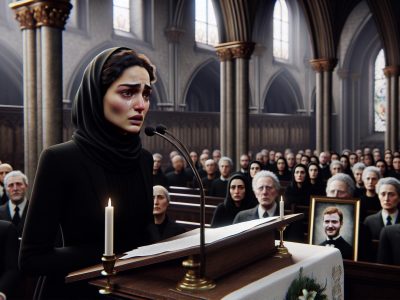
Ever found yourself puzzled about the difference between a wake and a funeral? You’re not alone. These two rituals, deeply rooted in our culture’s approach to bidding farewell to loved ones, often blur into one for many of us.
In this text, we’ll shed light on these seemingly similar yet profoundly different ceremonies. We’ll investigate into their origins, traditions involved and how they uniquely help us navigate through grief.
So whether you’re planning an end-of-life ceremony or simply want to be better informed – stay tuned! This exploration might just change your perspective on wakes and funerals forever.
Understanding the Basics of Wakes and Funerals
Diving deeper into the distinctions between wakes and funerals, it’s essential to grasp what each ceremony entails. Let’s demystify these two solemn events that serve as rites of passage when someone passes away.
What Is a Wake?
A wake represents an intimate gathering preceding the funeral, usually taking place at home or in a specific venue like a funeral parlor. Originating from traditional Irish customs, its purpose is for friends and family members to come together before burial services begin. During this time, attendees pay their respects by sharing memories about the deceased person.
Typically lasting several hours over one or two days — though some cultures extend it up to three days—wakes allow people close contact with their departed loved ones if there’s an open casket arrangement involved. It provides solace through communal grieving; but unlike funerals which are often formal affairs, wakes offer more relaxed atmospheres where conversations flow freely among those present.
What Is A Funeral?
Following closely on heels of a wake comes your quintessential funeral—a service performed by religious clergy (if applicable) meant honor individuals who’ve passed away either through burial cremation process depending personal preferences cultural norms observed decedent his/her kinfolk.
Funeral ceremonies can occur within houses worship such churches synagogues mosques even non-religious settings mortuaries gravesites outdoors (weather permitting). They’re marked moments reflection prayer readings scriptures eulogies paying tribute life lived dearly missed community he/she part left behind void filled but never forgotten memory cherished always hearts minds surviving relatives acquaintances alike commemorated rituals traditions symbolizing final farewell journey beyond mortal area embracing eternal rest peace universe endows upon them dignity grace humanity deserves closure healing continuation even though loss shared collective remembrance forever etched annals familial lineage historical record times past generations future remember respect legacy onwards henceforth forward path existence unfolds inherent rhythm circle encompasses birth death integral part existence universal truth mankind acknowledges accepts inevitable reality life’s transient nature fleeting moment eternity.
Cultural and Religious Significance
This section explores the cultural and religious significance of wakes and funerals, providing deeper insight into their distinct practices.
Variations in Wake Practices
Wakes vary greatly across cultures due to different beliefs, customs, and traditions. For instance:
In Irish culture: Wakes are informal gatherings at home before a funeral takes place.
Among Filipinos: The wake extends for several days allowing distant relatives time to arrive.
The objective remains similar – communal grieving that allows loved ones an opportunity for closure.
Variations in Funeral Practices
Funeral rites also exhibit cultural variations ranging from quiet prayers to grand ceremonies:
Buddhist tradition encourages meditation on death during the ceremony.
Native American tribes often include purification rituals as part of burial processes.
African communities celebrate with music, dance as they believe it helps guide the soul towards its afterlife journey.
Key Differences Between Wakes and Funerals
Diving deeper into the distinctions between wakes and funerals, we focus on two main aspects: timing/duration and activities/rituals. These elements showcase how these events differ in their structure, purpose, traditions, cultural nuances.
Timing and Duration
When it comes to when they’re held or how long they last – there’s a clear difference between wakes and funerals. Typically occurring before a funeral service is conducted; wake often serves as an informal gathering where loved ones can come together for shared mourning or remembrance of the deceased individual. It may span over several hours to even days depending upon cultural norms (like Filipino tradition).
Contrastingly speaking about funerals – this event usually takes place after all other related ceremonies such as viewing or wake have concluded – marking an official goodbye through various rituals that could range from minutes up to few hours typically confined within one day.
Activities And Rituals
Exploring what goes on at each ceremony uncovers another layer of differentiation between wakes & funerals.
At a wake – you’d commonly find people sharing stories about their departed beloved providing comfort among themselves whilst celebrating life lived by them rather than focusing solely on loss. This occasion might also include light refreshments being served with some cultures engaging in prayer services too (Catholicism for example).
Planning Considerations
Planning a wake or funeral involves numerous considerations. These events, while steeped in tradition and cultural significance, also require practical planning.
Preparing for a Wake
When preparing for a wake, it’s essential to consider the atmosphere you want to create. Wakes are typically informal gatherings where friends and family can share memories of the deceased in an intimate setting. Here’s what goes into organizing one:
Location: Choose a location that offers comfort and convenience – this could be at home or at facilities specifically designed for such occasions.
Timeframe: Plan how long your wake will last – some opt for several hours while others extend over multiple days.
Refreshments: Decide on food and drinks; these often serve as icebreakers facilitating conversation among attendees.
4.Collaborate with close relatives on selecting photos, mementos or music significant to the person being remembered; they’ll aid personal storytelling during the event.
Remember: The purpose is communal grieving – keep arrangements conducive towards open conversations about life & loss.
Preparing for a Funeral
In contrast to wakes’ relative informality, funerals demand more solemnity due its ceremonial nature aimed toward closure & final farewell.Here’s what might go into arranging one:
1Venue Selection: Churches,synagogues,temples,cemeteries — choose according religious affiliations if any,and/or wishes expressed by departed soul.It may even occur outdoor depending upon specific rituals/cultural norms
2Officiant: Priest,Rabbi,Mullah,Buddhist Monk whoever suitable per religion/faith followed should officiate ceremony ensuring all rites properly performed
. Invitations: Send out invites mentioning date,time,& venue.Be mindful of including immediate family,friends,colleagues etc who were part of deceased individual’s life
5.Rituals Specific items like casket,pallbearers,funeral flowers etc need to be arranged as per customs & rituals of the community.
Remember: A funeral is an occasion for closure; ensure arrangements honor life lived and help a respectful farewell.
Conclusion
You’ve journeyed through the unique realms of wakes and funerals, each providing its own approach to communal grieving. Wakes serve as intimate pre-funeral gatherings where you can share stories and celebrate life in a relaxed setting while exploring your grief. Funerals then step up with formality, bringing closure through rituals that honor the deceased’s journey into their afterlife.
Diverse cultural practices illustrate how these events adapt according to societal norms – from Irish families sharing tales over tea during a wake, Filipinos hosting multi-day remembrance fests or Buddhist communities meditating on mortality at funerals.
When planning either event remember it’s about creating an environment for shared mourning: For wakes think comfort; choose inviting spaces fill them with personal touches like favorite music or photos. For funerals strive for solemnity aligning venue selection officiants’ involvement and customary items with religious beliefs.
Even though their differences both wakes and funerals aim towards one common goal – helping us say goodbye in our own way giving space for sorrow but also celebration acknowledging loss yet cherishing memories left behind.
To provide the best experiences, we use technologies like cookies to store and/or access device information. Consenting to these technologies will allow us to process data such as browsing behaviour or unique IDs on this site. Not consenting or withdrawing consent, may adversely affect certain features and functions.
Functional
Always active
The technical storage or access is strictly necessary for the legitimate purpose of enabling the use of a specific service explicitly requested by the subscriber or user, or for the sole purpose of carrying out the transmission of a communication over an electronic communications network.
Preferences
The technical storage or access is necessary for the legitimate purpose of storing preferences that are not requested by the subscriber or user.
Statistics
The technical storage or access that is used exclusively for statistical purposes.The technical storage or access that is used exclusively for anonymous statistical purposes. Without a subpoena, voluntary compliance on the part of your Internet Service Provider, or additional records from a third party, information stored or retrieved for this purpose alone cannot usually be used to identify you.
Marketing
The technical storage or access is required to create user profiles to send advertising, or to track the user on a website or across several websites for similar marketing purposes.