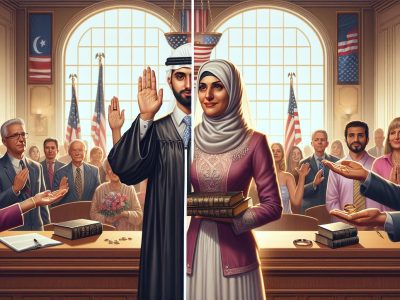
Weddings and marriages are often used interchangeably, but they couldn’t be more different. I’ve noticed how people sometimes confuse the two, focusing on the glitz of a wedding while overlooking the depth of a marriage. While both are connected, they serve entirely unique purposes in our lives.
A wedding is a single day—a celebration filled with vows, laughter, and loved ones. It’s about creating memories and marking the start of something new. Marriage, on the other hand, is everything that comes after. It’s a lifelong journey built on commitment, trust, and shared experiences.
Understanding this difference can help us appreciate both for what they truly mean. A wedding might last hours, but marriage is where love grows over time. Let’s dive deeper into what sets these two apart and why recognizing their distinction matters so much in building lasting relationships.
Understanding The Concept Of A Wedding
A wedding marks the formal beginning of a marital union and is often celebrated as a significant life event. It encompasses rituals, traditions, and festivities that vary across cultures.
Definition Of A Wedding
A wedding is a ceremonial occasion where two individuals are united in matrimony. This event typically includes legal procedures, such as signing marriage certificates or vows exchanged before an officiant. Religious or cultural elements are often integrated to reflect personal or familial values. Some weddings may be simple civil ceremonies, while others involve elaborate customs and grand receptions.
Significance And Celebration
Weddings symbolize the public acknowledgment of a couple’s commitment to each other. They bring families and friends together to witness this important milestone. Celebrations can include activities like feasts, music, dancing, or speeches tailored to honor the couple’s union. For example, Indian weddings commonly feature multi-day events with vibrant attire and traditional dances, while Western weddings might focus on exchanging rings during church ceremonies followed by receptions with close guests.
Understanding The Concept Of Marriage
Marriage represents a lifelong partnership that extends beyond the wedding day. It involves emotional, legal, and social dimensions that shape the foundation of shared life between two individuals.
Definition Of Marriage
Marriage is a formalized union recognized by laws, customs, or religious traditions. It establishes rights and responsibilities between spouses regarding property, decision-making, and family matters. In many cultures, marriage also signifies the creation of a new familial bond between extended families.
Commitment And Relationship
Marriage requires ongoing commitment rooted in mutual respect, trust, and communication. A strong marital relationship grows through shared experiences like raising children or achieving personal goals together. Unlike weddings that mark the beginning of this journey, marriage evolves continuously as partners navigate life’s challenges and successes collaboratively.
Key Differences Between Wedding And Marriage
A wedding and a marriage serve distinct purposes, each representing different aspects of a couple’s union. Understanding their differences helps appreciate both individually.
Event Vs. Lifelong Journey
A wedding is an event marking the start of a marital relationship. It involves rituals, celebrations, and often legal formalities completed in a single day or over several days. For example, ceremonies may include vows, cultural traditions, or receptions.
Marriage is a lifelong journey focused on building and maintaining a partnership. It extends beyond the ceremony to encompass daily life decisions, shared goals, and mutual growth over years.
Temporary Vs. Permanent
A wedding is temporary as it occurs only once for most couples and concludes when the celebration ends. Its impact may remain through memories or photographs but doesn’t persist as an active phase of life.
Marriage represents permanence as it’s defined by ongoing commitment between spouses. This includes navigating challenges like financial planning or parenting over time while fostering emotional connection.
Symbolism And Practicality
A wedding symbolizes public acknowledgment of love and unity witnessed by others. It’s rooted in tradition or personal expression through elements like attire, rituals, or themes reflecting values.
Marriage combines symbolic meaning with practical implications like legal rights, joint responsibilities, or societal recognition. Examples include shared property ownership or decisions regarding family well-being that influence long-term stability.
Cultural Perspectives On Weddings And Marriages
Cultural perspectives influence how weddings and marriages are perceived, celebrated, and practiced worldwide. These perspectives shape the traditions, rituals, and social attitudes surrounding these institutions.
Traditions And Rituals
Weddings often reflect deep-rooted cultural traditions and rituals. Many cultures include symbolic ceremonies like exchanging vows or rings in Western weddings or tying the knot during Hindu rituals. In China, tea ceremonies honor family unity, while African weddings might feature vibrant dances and ancestral blessings. These customs highlight values such as familial respect, community involvement, or spiritual connection.
Marriage traditions focus on sustaining long-term relationships within cultural frameworks. Arranged marriages remain significant in parts of South Asia to emphasize familial harmony. Meanwhile, Western societies prioritize personal choice while valuing mutual support and equality between spouses. Religious practices like fasting together during Ramadan for Muslim couples further strengthen marital bonds through shared faith.
Evolving Social Attitudes
Social attitudes toward weddings have shifted over time due to modernization and globalization. Destination weddings have gained popularity for their exclusivity compared to traditional hometown ceremonies. Same-sex marriages are now legally recognized in many countries after decades of advocacy for equality.
Marriages face evolving societal expectations influenced by changing gender roles and economic conditions. Dual-income households have normalized shared financial responsibilities between partners rather than adhering to traditional provider roles. Societal acceptance of cohabitation before marriage illustrates increasing flexibility regarding marital norms across generations.
Importance Of Differentiating Between Wedding And Marriage
Recognizing the difference between a wedding and marriage fosters clarity in expectations and strengthens the foundation for a lifelong partnership. It helps individuals focus on both the celebration and the enduring commitment they represent.
Setting Realistic Expectations
Understanding that a wedding is a single-day event while marriage is a continuous journey helps set achievable goals. Many people invest time, energy, and resources into planning weddings but overlook preparing for married life. By distinguishing between these concepts, I can prioritize developing emotional readiness over just focusing on ceremony details. For instance, placing emphasis on communication skills benefits long-term happiness more than selecting extravagant decorations.
Building A Lasting Partnership
A clear distinction encourages couples to concentrate on nurturing their relationship beyond wedding festivities. Marriage involves shared values, trust, and consistent effort, which extend far past the initial celebrations. When I understand this dynamic, I can better prepare for challenges like financial decisions or balancing careers with family growth. For example, discussing future aspirations with my partner ensures alignment and paves the way for mutual support during life’s transitions.
Conclusion
Understanding the difference between a wedding and a marriage is essential for appreciating their unique roles in a couple’s journey. A wedding marks the joyous beginning, while marriage lays the foundation for a lifetime of shared growth and commitment. By recognizing these distinctions, couples can better navigate their relationship with clarity and purpose.
Both weddings and marriages hold deep significance, shaped by cultural traditions and personal values. While one celebrates unity with loved ones, the other flourishes through mutual respect, trust, and effort over time. Embracing this perspective helps create stronger relationships that endure long after the celebration ends.
To provide the best experiences, we use technologies like cookies to store and/or access device information. Consenting to these technologies will allow us to process data such as browsing behaviour or unique IDs on this site. Not consenting or withdrawing consent, may adversely affect certain features and functions.
Functional
Always active
The technical storage or access is strictly necessary for the legitimate purpose of enabling the use of a specific service explicitly requested by the subscriber or user, or for the sole purpose of carrying out the transmission of a communication over an electronic communications network.
Preferences
The technical storage or access is necessary for the legitimate purpose of storing preferences that are not requested by the subscriber or user.
Statistics
The technical storage or access that is used exclusively for statistical purposes.The technical storage or access that is used exclusively for anonymous statistical purposes. Without a subpoena, voluntary compliance on the part of your Internet Service Provider, or additional records from a third party, information stored or retrieved for this purpose alone cannot usually be used to identify you.
Marketing
The technical storage or access is required to create user profiles to send advertising, or to track the user on a website or across several websites for similar marketing purposes.