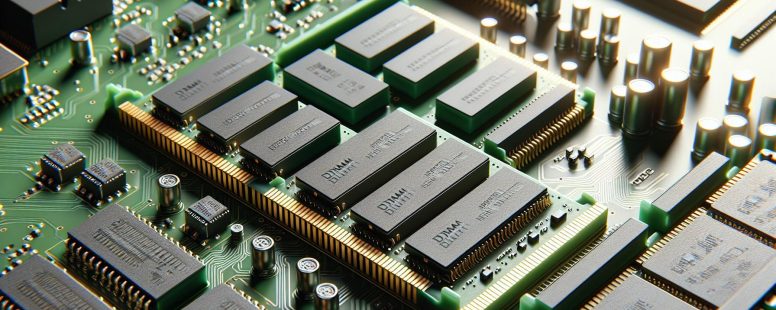
Looking to upgrade your computer’s RAM? Before diving into the world of memory modules, it’s important to understand the key differences between two common types: UDIMM and DIMM RAM. These acronyms may sound confusing, but fear not! In this text, we’ll break down the distinctions between UDIMM and DIMM RAM, helping you make an well-informed choice for your computer’s performance needs.
UDIMM, or Unbuffered DIMM, is the more commonly used type of RAM module. As the name suggests, UDIMM does not use a buffer or register to improve the data transfer between the RAM and the processor. This makes UDIMM RAM a cost-effective and straightforward option for most users. On the other hand, DIMM, or Registered DIMM, incorporates a register to enhance stability and reliability, making it ideal for demanding applications and server environments.
What is UDIMM RAM?
UDIMM RAM, which stands for Unbuffered DIMM, is a type of memory module commonly used in consumer-grade computers and workstations. It is a straightforward and cost-effective option that offers solid performance for most users.
No buffer or register: UDIMM RAM does not incorporate a buffer or register chip, which means it does not have additional components to enhance data transfer. This simplicity allows for a shorter data path and faster response times.
Lower latency: UDIMM RAM modules have lower latency compared to DIMM RAM, as there is no added overhead of the buffer or register. This results in faster data access and improved overall system performance.
Ease of installation: UDIMM RAM modules are easy to install, making them a popular choice for DIY computer enthusiasts. You can simply plug them into the memory slots of your motherboard without any additional configurations.
Compatibility: UDIMM RAM is widely compatible with most desktop computers, laptops, and workstations. It is available in various capacities and frequencies, allowing users to choose the ideal configuration for their specific needs.
Affordability: UDIMM RAM is generally more affordable compared to DIMM RAM, making it an attractive choice for budget-conscious users. It offers a good balance of performance and price, making it suitable for everyday computing tasks, multimedia, and light gaming.
Real-life example:
Imagine you are building a gaming PC on a tight budget. You want to ensure smooth gameplay without very costly. In this scenario, UDIMM RAM would be an excellent choice. Its lower latency and compatibility with most gaming motherboards would provide the needed performance for gaming at an affordable price.
Remember, UDIMM RAM is suitable for most users’ needs, offering a solid performance boost without the need for additional features found in DIMM RAM modules. By opting for UDIMM RAM, you can efficiently handle everyday computing tasks and enjoy a responsive system without stretching your budget.
What is DIMM RAM?
DIMM RAM, short for Dual In-line Memory Module, is a type of Random Access Memory (RAM) module commonly used in computers and servers. It is a more advanced version of RAM compared to UDIMM.
Here are some key characteristics and benefits of DIMM RAM:
Higher data transfer rates: DIMM RAM modules use a buffer or register to improve data transfer between the memory controller and the RAM chips. This allows for faster and more efficient communication, resulting in higher data transfer rates.
Increased memory capacity: DIMM RAM modules have higher memory capacity compared to UDIMM. They can support larger amounts of RAM, allowing for more multitasking, running memory-intensive applications, and handling larger data sets.
Better performance for demanding tasks: With its higher data transfer rates and increased memory capacity, DIMM RAM is ideal for tasks that require significant memory resources. This includes tasks such as video editing, 3D rendering, scientific simulations, and running virtual machines.
ECC (Error Correcting Code) support: Many DIMM RAM modules support ECC, which helps to detect and correct errors in data transmission. This is particularly important for servers and workstations that require high reliability and data integrity.
One real-life example of using DIMM RAM is in a high-performance server that needs to handle multiple virtual machines simultaneously. In this scenario, a server with DIMM RAM would be able to provide sufficient memory capacity and faster data transfer rates, ensuring smooth operation and efficient performance.
To conclude, DIMM RAM offers higher data transfer rates, increased memory capacity, improved performance for demanding tasks, and ECC support. It is a more advanced and powerful option compared to UDIMM, making it suitable for professional use cases that require enhanced performance and reliability.
Key Differences Between UDIMM and DIMM RAM
When it comes to choosing the right type of RAM for your system, it’s essential to understand the key differences between UDIMM (Unbuffered DIMM) and DIMM (Registered DIMM) RAM. These two types of RAM modules offer distinct advantages and are designed for different use cases. Let’s jump into the details:
UDIMM RAM:
Cost-effective and straightforward: UDIMM RAM is the more commonly used type of RAM module. It does not use a buffer or register to improve data transfer, making it a more affordable option.
Solid performance and lower latency: UDIMM RAM provides reliable performance for everyday computing tasks, multimedia, and light gaming. It offers lower latency, ensuring faster data access.
Easy installation and compatibility: UDIMM RAM is easy to install, making it accessible for novice users. It is compatible with a wide range of devices, including desktops, laptops, and small form-factor systems.
Affordability: UDIMM RAM modules are more cost-effective compared to DIMM modules, making them a popular choice for budget-conscious users.
Higher data transfer rates and increased memory capacity: DIMM RAM is a more advanced type of RAM that offers faster data transfer rates, enabling better performance for demanding tasks. It also provides increased memory capacity, allowing for larger data sets and more multitasking capabilities.
Better performance for demanding tasks: DIMM RAM excels in handling tasks such as video editing, 3D rendering, scientific simulations, and running virtual machines. Its higher data transfer rates and increased memory capacity contribute to a smoother and more efficient workflow.
ECC support for enhanced reliability: DIMM RAM supports Error Correction Code (ECC), which helps detect and correct data errors, ensuring the reliability of stored data. This feature is particularly crucial for professional use cases that require enhanced performance and data integrity.
Ideal for high-performance servers: DIMM RAM is commonly used in high-performance servers that need to handle multiple virtual machines simultaneously. Its capabilities make it suitable for applications that require high reliability and performance.
Advantages of UDIMM RAM
When it comes to computer memory, UDIMM RAM offers several advantages that make it a popular choice among users. From its cost-effectiveness to ease of installation, UDIMM RAM provides a solid performance boost to your system. Let’s explore some of the main benefits of UDIMM RAM.
Cost-effective: UDIMM RAM modules are generally more affordable compared to their DIMM counterparts. This makes them a great option for users who are looking to upgrade their system’s memory without very costly. You can get a significant performance boost without spending a fortune on RAM.
Lower latency: UDIMM RAM modules have lower latency compared to DIMM RAM. This means that data can be read and written at a faster rate, resulting in snappier system performance. Lower latency is particularly important for tasks that require quick and responsive memory access, such as gaming or editing large files.
Ease of installation: UDIMM RAM modules are easy to install, making it a hassle-free process even for users with limited technical skills. You simply need to insert the RAM module into the appropriate slot on your motherboard, and you’re good to go. No additional steps or complex configurations required.
Compatibility: UDIMM RAM is widely compatible with various devices, including desktop computers, laptops, and workstations. Whether you’re upgrading an existing system or building a new one, UDIMM RAM modules are likely to be compatible with your hardware. This flexibility allows you to easily enhance the performance of your device.
Affordability: As mentioned earlier, UDIMM RAM modules are cost-effective, making them a budget-friendly option for most users. Whether you’re a student, a casual user, or a small business owner, UDIMM RAM allows you to boost your system’s memory without very costly.
By opting for UDIMM RAM, you can enjoy these benefits and enhance the overall performance of your system. Whether you’re a gamer, a content creator, or a regular user, UDIMM RAM provides an affordable and reliable solution for improving your computer’s memory capabilities.
Keep reading to learn about the advantages of DIMM RAM, a more advanced version of RAM that offers even higher data transfer rates and increased memory capacity.
Advantages of DIMM RAM
When it comes to computer memory, DIMM RAM (Dual In-Line Memory Module RAM) offers several advantages over other types of memory modules. Let’s explore the benefits of choosing DIMM RAM for your system:
1. Enhanced Performance
DIMM RAM provides a significant boost to your system’s performance. With its higher bandwidth and faster data transfer rates, it allows for seamless multitasking, quicker data access, and smoother application performance. Whether you’re gaming, editing videos, or running resource-intensive software, DIMM RAM can handle the demands of your tasks with ease.
2. Increased Memory Capacity
One of the key advantages of DIMM RAM is its ability to support larger memory capacities. With DIMM modules available in various capacities, from 4GB to 128GB, you can expand your system’s memory to accommodate your growing needs. This is particularly beneficial for professionals who work with large datasets, run virtual machines, or engage in memory-intensive tasks.
3. Flexibility and Compatibility
DIMM RAM is widely compatible with different types of devices, including desktop computers, workstations, and servers. This means that regardless of the system you have, chances are DIMM RAM will be compatible with it. This flexibility makes upgrading or replacing memory modules a hassle-free process.
4. Lower Latency
Latency refers to the time it takes for the RAM module to respond to a request for data. DIMM RAM has lower latency compared to other types of RAM, such as SODIMM (Small Outline Dual In-Line Memory Module). This reduced latency translates to faster data retrieval and better overall system responsiveness.
5. Room for Expansion
Another advantage of DIMM RAM is its ability to support multiple modules in a single system. This means you can easily upgrade your memory in the future as your needs evolve. Whether you want to add more RAM to your system or replace existing modules with higher-capacity ones, DIMM RAM allows for seamless expansion.
Real-life Example:
Imagine you’re a graphic designer working on a project that requires you to run multiple applications simultaneously, such as Adobe Photoshop, Illustrator, and InDesign. By upgrading your system with DIMM RAM, you can experience faster rendering times, smoother image editing, and improved overall productivity. This upgrade allows you to handle complex design projects without any performance bottlenecks.
Conclusion
By now, you understand the numerous advantages that DIMM RAM (Dual In-Line Memory Module RAM) offers over other types of memory modules. With enhanced performance, increased memory capacity, flexibility, and compatibility with various devices, DIMM RAM is the clear winner when it comes to upgrading your system’s memory.
Not only does DIMM RAM provide a significant boost to your system’s performance, but it also allows for larger memory capacities, ensuring that you have enough space to handle even the most demanding tasks. Its compatibility with different devices makes it a versatile option for various systems.
One of the standout features of DIMM RAM is its lower latency, which results in faster data retrieval and better system responsiveness. This means that you can expect smoother multitasking and improved overall efficiency.
Besides, DIMM RAM supports multiple modules in a single system, allowing for seamless expansion. This means that as your needs grow, you can easily upgrade your system without any hassle.
Overall, upgrading to DIMM RAM can greatly enhance your system’s performance and productivity, as demonstrated by the real-life example of graphic designers benefiting from the increased capabilities of DIMM RAM. So, if you’re looking to take your system to the next level, DIMM RAM is the way to go.
To provide the best experiences, we use technologies like cookies to store and/or access device information. Consenting to these technologies will allow us to process data such as browsing behaviour or unique IDs on this site. Not consenting or withdrawing consent, may adversely affect certain features and functions.
Functional
Always active
The technical storage or access is strictly necessary for the legitimate purpose of enabling the use of a specific service explicitly requested by the subscriber or user, or for the sole purpose of carrying out the transmission of a communication over an electronic communications network.
Preferences
The technical storage or access is necessary for the legitimate purpose of storing preferences that are not requested by the subscriber or user.
Statistics
The technical storage or access that is used exclusively for statistical purposes.The technical storage or access that is used exclusively for anonymous statistical purposes. Without a subpoena, voluntary compliance on the part of your Internet Service Provider, or additional records from a third party, information stored or retrieved for this purpose alone cannot usually be used to identify you.
Marketing
The technical storage or access is required to create user profiles to send advertising, or to track the user on a website or across several websites for similar marketing purposes.