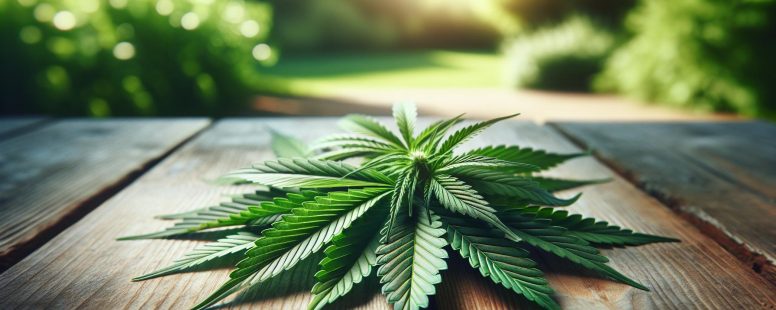
Imagine holding a fresh cannabis leaf in your hand. Beneath its glossy surface lies a world of compounds working in harmony, yet not all are what they seem. THC might be the star you’ve heard of, but its raw counterpart, THCA, is quietly waiting in the wings, offering its own unique properties. The transformation between these two isn’t just chemistry—it’s a journey that changes how they interact with your body.
You might think THC and THCA are interchangeable, but their differences are more than just a missing letter. From how they’re activated to the effects they produce, understanding these two compounds can unlock a deeper appreciation of cannabis. Whether you’re a curious beginner or a seasoned enthusiast, diving into their distinctions will reshape how you see this plant and its potential. Let’s uncover what sets them apart.
What Are THC and THCA?
THC and THCA are cannabinoids found in cannabis that have distinct chemical structures and effects. Understanding these compounds begins with knowing their core definitions and roles.
Defining THC
THC, short for tetrahydrocannabinol, is the psychoactive compound in cannabis responsible for the “high” effect. It’s produced when THCA undergoes decarboxylation, a process triggered by heat like smoking or vaporizing. THC interacts with the body’s endocannabinoid system by binding to CB1 receptors in the brain, resulting in effects such as euphoria, altered perception, and appetite stimulation.
For example, strains with high THC concentrations, such as Sour Diesel and OG Kush, are popular for recreational use due to their potent psychoactive properties.
Defining THCA
THCA, or tetrahydrocannabinolic acid, is the acidic precursor to THC. Found in raw and unheated cannabis, it exists in higher concentrations before heating occurs. Unlike THC, THCA does not cause psychoactive effects because its molecular structure cannot bind to CB1 receptors in the brain.
Raw cannabis products, like fresh juice or unprocessed leaves, contain THCA. Some users seek out THCA for its potential anti-inflammatory and neuroprotective properties, which remain under scientific investigation (National Library of Medicine, 2022).
Even though sharing a similar origin, THC and THCA offer distinct benefits and applications based on their chemical forms.
Key Chemical Differences
THC and THCA differ fundamentally in their chemical makeup and how they transform through external processes. Understanding these differences helps in exploring their diverse effects and applications.
Molecular Composition
THC and THCA both share the same molecular structure—C22H30O4. But, THCA possesses an additional carboxyl group (-COOH) attached to its structure, making it chemically distinct. This extra group increases THCA’s molecular weight and polarity, impacting its interaction with biological systems. For instance, THCA’s larger size prevents it from binding effectively with CB1 receptors in the brain, unlike THC, which binds directly and triggers psychoactive effects.
As a non-psychoactive compound, THCA exists abundantly in raw cannabis foliage. If you consume raw cannabis, you’ll primarily ingest THCA rather than THC. This attribute explains differences in how raw cannabis and heat-treated cannabis interact with the body.
Decarboxylation Process
Decarboxylation is the key process that transforms THCA into THC. Heat or prolonged exposure to light facilitates decarboxylation by removing the extra carboxyl group from THCA, converting it into the psychoactive THC. This reaction occurs at temperatures above 220°F (about 104°C), commonly during smoking, vaping, or cooking cannabis.
If cannabis isn’t exposed to sufficient heat, the decarboxylation process remains incomplete, leaving behind THCA without creating THC. For example, hemp-derived THCA concentrates retain their natural non-psychoactive form until directly heated. This process exemplifies the stark practical difference between these compounds and their role in cannabis-based applications.
Effects on the Human Body
Understanding how THC and THCA interact with the human body reveals their distinct effects. Both compounds influence health uniquely, based on their chemical structure and interaction with the endocannabinoid system.
Psychoactive Properties of THC
THC affects the human brain by binding to CB1 receptors within the endocannabinoid system. This interaction produces psychoactive effects that alter cognition, perception, and mood. For instance, individuals consuming cannabis strains like Girl Scout Cookies or Sour Diesel, known for their high THC content, may experience euphoria, heightened creativity, or relaxation.
Dosage, body chemistry, and consumption method shape THC’s impact. Smoking or vaping provides rapid onset effects, whereas edibles, which metabolize through the liver, cause a delayed but often more intense psychoactive experience. Potential side effects include dry mouth, dizziness, and short-term memory impairment.
Non-Psychoactive Nature of THCA
Unlike THC, THCA does not induce psychoactive effects due to its inability to bind to CB1 receptors. As it’s found in raw cannabis, THCA preserves its chemical structure, including the carboxyl group, which prevents psychoactivity. Consuming smoothies or juices containing raw cannabis retains THCA’s properties.
THCA is investigated for therapeutic potentials, such as anti-inflammatory, anti-nausea, and neuroprotective effects. A 2020 study published in “Frontiers in Pharmacology” noted the compound’s potential in treating neurodegenerative diseases. But, its benefits remain under scientific research and are not fully confirmed.
Potential Benefits and Uses
Understanding the distinct potential benefits and applications of THC and THCA broadens your appreciation for cannabis. Each compound offers unique uses, shaping how they’re applied in medicinal and wellness contexts.
Medicinal Applications of THC
THC supports various medicinal uses because of its psychoactive properties and interaction with CB1 receptors in the endocannabinoid system. It’s commonly used for managing chronic pain, reducing nausea during chemotherapy, and stimulating appetite in conditions like cachexia or HIV/AIDS. For example, strains high in THC—like Granddaddy Purple—are popular among patients seeking relief from severe pain or insomnia.
Its therapeutic profile also includes anxiety reduction in controlled dosages, although excessive levels might exacerbate symptoms. Smoking or vaporizing cannabis delivers THC quickly into your bloodstream, providing rapid allevations of acute symptoms. In contrast, edibles tend to produce longer-lasting and more potent effects, which some patients prefer for sustained relief.
Studies like those published in the Journal of Cannabis Therapeutics highlight THC’s neuroprotective potential for conditions like multiple sclerosis, though emerging research continues to explore its broader possibilities.
Health Benefits of THCA
THCA’s therapeutic potential remains non-psychoactive, making it a safer option for users seeking benefits without cognitive alterations. Its anti-inflammatory properties have been linked to reduced symptoms in conditions such as arthritis and lupus. Consuming raw cannabis leaves or juicing them is an effective way to intake THCA directly.
Preclinical studies suggest THCA might possesses neuroprotective effects, making it a candidate for treating neurodegenerative disorders like Alzheimer’s or Parkinson’s disease. Besides, researchers have investigated its anti-emetic effects, showcasing its role in managing nausea and vomiting.
Unlike THC, THCA contributes these benefits without binding to CB1 receptors, which reduces the risk of psychoactive side effects. Products like raw cannabis tinctures or capsules provide convenient ways to explore THCA’s potential. But, since clinical evidence is still developing, discussing its use with a healthcare professional becomes essential.
Methods of Consumption
The way you consume THC and THCA greatly impacts their effects on your body. Different methods cater to individual preferences and desired outcomes.
Common Ways to Use THC
Smoking involves inhaling combusted cannabis flower through a joint, pipe, or bong. It’s one of the fastest ways to feel THC’s psychoactive effects, which typically peak within 10-30 minutes. Vaping, a popular alternative, heats cannabis oil or flower without combustion, reducing harmful byproducts like tar. Products like vape pens are discreet and portable, making them convenient for on-the-go use.
Edibles integrate THC into food or drinks such as gummies or brownies. These offer a delayed onset of effects, often lasting 4-12 hours due to digestion. On the other hand, tinctures, which are alcohol-based cannabis extracts, allow you to place drops under your tongue for quicker absorption compared to swallowing.
Topicals, including creams and balms infused with THC, target localized areas for relief without psychoactive effects, providing a non-invasive way to address pain or inflammation. Examples include salves and transdermal patches designed for time-released results.
How to Use THCA
Raw cannabis consumption preserves THCA without converting it to THC. Juicing raw cannabis leaves or blending them into smoothies provides direct access to THCA, retaining its non-psychoactive benefits, like potential anti-inflammatory effects.
Specialized tinctures and capsules offer pre-packaged, precise THCA dosages. This removes the guesswork, making it simpler to incorporate THCA into wellness routines. Consuming raw cannabis in salads or garnishes adds versatility to dietary options while maintaining its raw properties.
Without applying heat, you ensure THCA remains chemically intact. If left unused, these forms extend the range of therapeutic benefits without the psychoactive experience associated with THC.
Legal Status and Regulations
Understanding the legal differences between THC and THCA is critical when exploring cannabis-related products. Laws governing these compounds can vary significantly based on location and use.
THC: Legal Considerations
THC’s psychoactive properties make it a controlled substance in many regions. For example, at the federal level in the US, THC remains classified as a Schedule I drug under the Controlled Substances Act. This classification groups it with drugs like heroin and LSD, which are considered to have “no accepted medical use” and a high potential for abuse.
But, state-level regulations differ. In states like California and Colorado, THC is legal for both medical and recreational use, while in others, like Idaho, it’s fully prohibited. Medical marijuana programs often regulate the THC content allowed in cannabis products, typically requiring a prescription or medical card for access.
International regulations can be equally diverse. Countries like Canada have legalized cannabis nationwide, including THC products, whereas others, such as Japan, enforce strict bans. These variations necessitate careful research before transporting THC products across borders or using them in different jurisdictions.
THCA: Legal Differences
THCA, being non-psychoactive, occupies a less restrictive legal space in many areas. In the US, raw cannabis plants with THCA are often classified as hemp if their THC content is below 0.3%, as outlined in the 2018 Farm Bill. This distinction allows for broader cultivation and use of THCA-rich products.
In contrast, jurisdictions where cannabis is outright illegal, the presence of THCA may still lead to legal complications since it converts to THC when heated. Importantly, most drug tests can’t differentiate between THC and THCA, potentially complicating employment screenings even after using non-psychoactive THCA products.
Always verify local regulations to ensure compliance. Policies around THCA can change rapidly, especially as more research emerges on its medicinal properties and applications.
Conclusion
Understanding the differences between THC and THCA empowers you to make informed decisions about cannabis use. Whether you’re drawn to THC’s psychoactive effects or THCA’s therapeutic potential, knowing how each compound interacts with your body is key. Always consider your personal needs, preferences, and local regulations when exploring cannabis products. By appreciating the distinct roles of THC and THCA, you can unlock the full potential of what cannabis has to offer.
To provide the best experiences, we use technologies like cookies to store and/or access device information. Consenting to these technologies will allow us to process data such as browsing behaviour or unique IDs on this site. Not consenting or withdrawing consent, may adversely affect certain features and functions.
Functional
Always active
The technical storage or access is strictly necessary for the legitimate purpose of enabling the use of a specific service explicitly requested by the subscriber or user, or for the sole purpose of carrying out the transmission of a communication over an electronic communications network.
Preferences
The technical storage or access is necessary for the legitimate purpose of storing preferences that are not requested by the subscriber or user.
Statistics
The technical storage or access that is used exclusively for statistical purposes.The technical storage or access that is used exclusively for anonymous statistical purposes. Without a subpoena, voluntary compliance on the part of your Internet Service Provider, or additional records from a third party, information stored or retrieved for this purpose alone cannot usually be used to identify you.
Marketing
The technical storage or access is required to create user profiles to send advertising, or to track the user on a website or across several websites for similar marketing purposes.