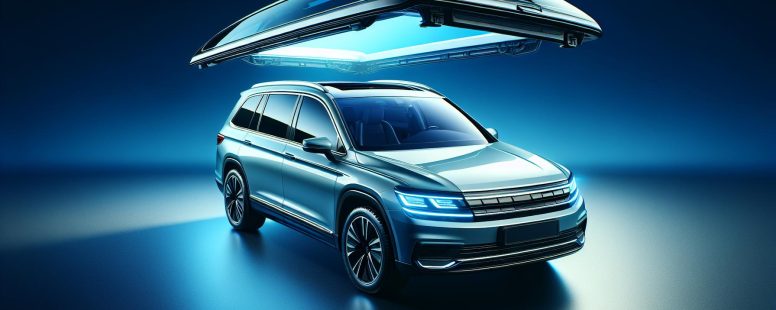
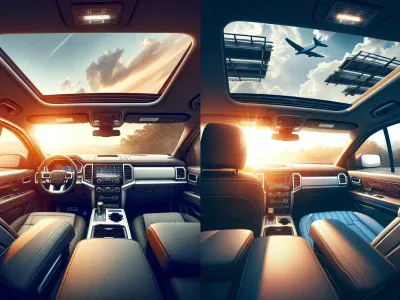
Imagine cruising down the highway, the wind teasing your hair as sunlight pours into your car through an open panel in the roof. Sounds dreamy, right? But was that a sunroof or a moonroof enhancing your drive? These terms are often used interchangeably, yet they hold distinct differences that could change the way you see your vehicle’s features.
Choosing between a sunroof and a moonroof isn’t just about aesthetics—it’s about functionality, comfort, and even how you connect with the world outside your car. Whether you’re a road trip enthusiast or someone who loves a touch of luxury, understanding these differences can help you make the perfect choice for your needs. So, what sets these two apart? Let’s uncover the details that could transform your driving experience.
Overview Of Sunroof And Moonroof
Sunroofs and moonroofs, often used interchangeably, hold distinct differences that affect how each functions. A sunroof is a solid, opaque panel, typically made of metal or a painted material, which slides open or can be removed entirely. This allows direct air and light into the car’s cabin. Most sunroofs were manual in older vehicle models, but electric ones are now common.
In comparison, a moonroof generally features a tinted glass panel that remains fixed in place or tilts/slides open. Even when closed, it lets natural light enter due to its transparency. Moonroofs often include a sliding sunshade underneath the glass for times when sunlight feels too intense. Even though these differences, both options enhance ventilation and provide an open-air driving experience when opened. They also add an aesthetic appeal to vehicles.
For instance, certain cars like the Jeep Wrangler often feature detachable sunroofs, while luxury sedans like the Honda Accord Sport are known for stylish moonroofs. Understanding these variations helps you decide which option suits your preferences, whether it’s maximum airflow through a sunroof or a panoramic view from a moonroof.
Features Of Sunroof
Sunroofs are solid roof panels designed to enhance your vehicle’s cabin experience by letting in fresh air and sunlight. Their functionality and material set them apart from moonroofs.
Design And Material
Sunroofs consist of opaque materials, often metal or plastic, matching the car’s roof color. Unlike moonroofs, they block sunlight entirely when closed. These panels can tilt or fully slide open, providing flexibility for optimal ventilation. Manufacturers use durable mechanisms to ensure longevity even though frequent use. For instance, the Jeep Wrangler’s detachable sunroof uses rugged clips allowing easy removal and reattachment.
Sunroofs also eliminate direct entry of harmful UV radiation when closed, creating a shield-like barrier. Their design focuses on practicality, catering to users prioritizing airflow over natural light.
Pop-Up Sunroofs
These manually operated, removable panels offer basic ventilation. They’re ideal for cost-conscious buyers and older car models.
Spoiler Sunroofs
These tilt and slide panels combine convenience and compactness. They suit vehicles with limited roof space, like hatchbacks.
Panoramic Sunroofs
These large, multi-pane fixtures span most of the roof. Panoramic sunroofs are common in SUVs, like the Kia Sorento, creating an open, airy feel.
Top-Mounted Sunroofs
These sit above the roofline, accessible in models like Volkswagen Beetle convertibles. They improve headroom and cater to classic car enthusiasts.
Sunroof types vary greatly, affecting aesthetics, functionality, and even resale value.
Features Of Moonroof
Moonroofs combine functionality and aesthetics, offering a refined driving experience. Unlike sunroofs, moonroofs are typically constructed from tinted glass, allowing natural light to enter even when closed.
Design And Material
Moonroofs are designed with tempered, UV-protected glass. The tinting reduces glare and prevents excessive heat inside the cabin. Many moonroofs operate electronically, with a sliding mechanism integrated into the roof. Manufacturers often use durable materials to ensure longevity, even under harsh weather conditions. They’re commonly found in sedans like the Honda Accord Sport and luxury SUVs like the BMW X5.
Unique Characteristics
Moonroofs add an open-air ambiance with their partial transparency. When closed, they provide light without compromising comfort. Most moonroofs tilt or slide, offering flexible ventilation options. Some models, like panoramic moonroofs found in high-end vehicles, span both front and rear seats, creating a spacious feel. For a quieter interior, moonroofs include noise-dampening seals.
Key Differences Between Sunroof And Moonroof
Understanding the primary contrasts between sunroofs and moonroofs helps you select the ideal feature for your vehicle. While they may seem similar, their functionality, appearance, and benefits vary significantly.
Functionality
Sunroofs offer flexibility through manual or electric operation. These solid, opaque panels slide open or can sometimes be removed, exposing the cabin to fresh air and direct sunlight. For instance, older Jeep Wrangler models often featured detachable sunroofs for off-road enthusiasts.
Moonroofs provide continuous access to natural light. Built with tempered, tinted glass, they tilt or slide electronically, offering controlled ventilation while reducing glare. Most modern sedans, like the Honda Accord Sport, feature electronically operated moonroofs for a more luxurious drive. But, moonroofs are fixed features that don’t allow complete panel removal.
Appearance
Sunroofs typically integrate seamlessly with a vehicle’s roof. Made of materials like metal or opaque plastic, they’re indistinguishable when closed, matching the roof’s overall design. Pop-up sunroofs cater to compact cars, while larger panoramic sunroofs span across multiple sections.
Moonroofs stand out with their glossy, tinted glass surfaces. Even when shut, they allow sunlight to filter through subtly, elevating a car’s aesthetic appeal. For instance, panoramic moonroofs in vehicles like the BMW X5 create an expansive and airy interior ambiance.
Advantages And Disadvantages
Sunroof Pros:
Offers better shielding from direct sunlight when closed.
Adds ventilation options for fresh air without compromising security.
Requires minimal maintenance due to simpler mechanisms.
Sunroof Cons:
Blocks natural light entirely when closed.
May limit headroom due to the thicker structure.
Moonroof Pros:
Enhances aesthetics and interior lighting with tinted glass panels.
Reduces glare and heat with durable tempered glass.
Often features noise-dampening seals for improved cabin quietness.
Increases vehicle pricing, often making it an upscale add-on.
Maintenance or repairs can be costlier due to sophisticated parts.
Understanding these aspects ensures you can prioritize design, function, or affordability based on your preferences.
Choosing Between Sunroof And Moonroof
Selecting between a sunroof and moonroof depends on functionality, aesthetic appeal, and driving preferences. Each option offers unique advantages depending on your priorities.
Factors To Consider
Evaluate climate, driving habits, and budget when deciding. Sunroofs, made from opaque materials like metal, block sunlight entirely. They’re ideal if you prioritize shade, insulation, and manual configurations. Moonroofs, with their tinted glass panels, reduce glare while providing natural light, making them perfect for those seeking a luxurious feel.
Maintenance is another key aspect. Sunroofs require less upkeep since they’re more straightforward in design. But, moonroofs, with their electronic components and delicate glass panels, might escalate repair costs, especially in areas prone to extreme weather.
Longevity varies with proper care. Regularly cleaning seals and tracks ensures smooth operation for both. But, broken or scratched moonroof glass could skyrocket repair expenses compared to replacing a sunroof panel.
Common Uses And Preferences
Sunroofs suit individuals seeking practicality. They’re common in cost-conscious options like the Jeep Wrangler, valued for utility-focused designs. Sunroof configurations cater to diverse needs, from pop-up styles for basic ventilation to expansive panoramic designs in SUVs.
Moonroofs dominate higher-end sedans and SUVs like the BMW X5, where comfort and aesthetics intertwine. Unless you often drive under intense sunlight, moonroofs balance functionality and style well. Some prefer the serene ambiance moonroofs provide during long drives, while others prioritize the customizable options of sunroofs.
Consider these trade-offs alongside your daily usage, vehicle type, and weather conditions to ensure the best investment.
Conclusion
Choosing between a sunroof and a moonroof eventually comes down to your personal preferences, lifestyle, and priorities. Whether you value practicality, aesthetics, or a touch of luxury, understanding the unique features of each option ensures you make a decision that complements your driving experience.
Consider how often you’ll use it, the climate you drive in, and your budget to find the perfect match for your needs. Both sunroofs and moonroofs can enhance your vehicle in different ways, so take your time to weigh the benefits and decide what suits you best.
To provide the best experiences, we use technologies like cookies to store and/or access device information. Consenting to these technologies will allow us to process data such as browsing behaviour or unique IDs on this site. Not consenting or withdrawing consent, may adversely affect certain features and functions.
Functional
Always active
The technical storage or access is strictly necessary for the legitimate purpose of enabling the use of a specific service explicitly requested by the subscriber or user, or for the sole purpose of carrying out the transmission of a communication over an electronic communications network.
Preferences
The technical storage or access is necessary for the legitimate purpose of storing preferences that are not requested by the subscriber or user.
Statistics
The technical storage or access that is used exclusively for statistical purposes.The technical storage or access that is used exclusively for anonymous statistical purposes. Without a subpoena, voluntary compliance on the part of your Internet Service Provider, or additional records from a third party, information stored or retrieved for this purpose alone cannot usually be used to identify you.
Marketing
The technical storage or access is required to create user profiles to send advertising, or to track the user on a website or across several websites for similar marketing purposes.