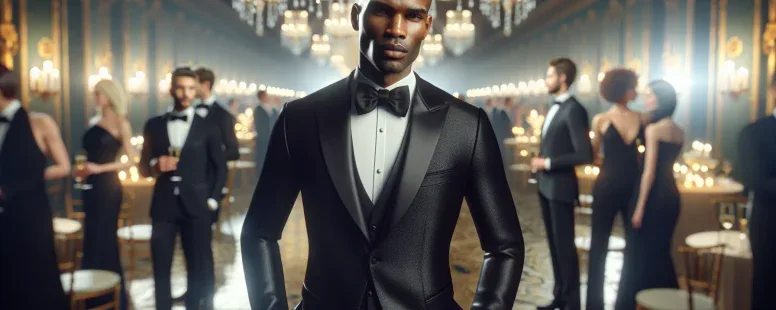
Picture yourself stepping into a grand ballroom where every detail gleams and the air shimmers with anticipation. You pause at the entrance—your reflection catches the light—do you know if you’re dressed to truly stand out or simply blend in? The line between a sharp suit and a sophisticated dinner jacket is finer than you might think yet it can make all the difference when the spotlight finds you.
Choosing the right attire isn’t just about fabric or fit—it’s about unlocking a new level of confidence and commanding attention without saying a word. You might be surprised how the right jacket can open doors at exclusive events or help you leave a lasting impression. Let’s unravel the subtle secrets and unexpected perks that separate these two icons of style.
Understanding the Essentials: Suit vs. Dinner Jacket
Consider a black-tie gala at New York’s Metropolitan Museum of Art—what’s hanging from your shoulders: a tailored suit or a velvet dinner jacket? You might recall James Bond entering the casino; he’s always wearing a midnight blue dinner jacket, not a business suit. These jackets both fit the same basic mold but their destinies diverge as sharply as Old Hollywood glamour and corporate boardrooms.
Fabric and Structure:
Suits employ worsted wool or cotton blends, like those at Brooks Brothers or Hugo Boss, cut for daily versatility. Dinner jackets, often called tuxedo jackets in the US, use smooth barathea, silk, or velvet with shawl or peaked lapels. Contrasted textures, such as satin trim, signal formality in dinner jackets, making them apt for evening affairs. Alexander McQueen’s midnight velvet dinner jacket contrasts a pinstripe business suit in both form and intent.
Components:
Suits usually appear with matching trousers and may includes a vest, exemplified by the classic three-piece ensemble. Dinner jackets pair with silk-striped trousers and never have flaps on the pockets, unlike most off-the-rack business suits. Suspenders often accompany them instead of belts, as dictated by black tie etiquette (see GQ’s Style Guide).
Details and Accessories:
You’d see a suit with a standard tie, button-up shirt, sometimes a patterned pocket square. Dinner jackets demand a black silk bow tie, pleated shirt, and dress studs. Consider Frank Sinatra at the Rat Pack shows; his starched dinner jacket shirt and patent loafers didn’t look anything like Wall Street’s classic gray suit.
Social Signaling:
Wearing a dinner jacket means you’re signaling formality, respect for the occasion, and recognition of tradition. Suits say “I’m here to do business,” or at a semi-formal wedding, “I value this event, but I’m keeping things versatile.” If you wore a navy pinstripe suit to a black-tie charity ball, you might feel underdressed; the dinner jacket fits in perfectly, its sleek lapels catching candlelight.
Key Differences Table
Feature
Suit
Dinner Jacket
Typical Fabrics
Worsted wool, cotton, linen blends
Barathea, silk, velvet
Lapel Detail
Notch or peak, same fabric as body
Shawl, peak, usually satin
Trousers
Matching, may include belt loops
Silk stripe, no belt loops
Accessories
Long tie, plain shirt, leather shoes
Bow tie, pleated shirt, patent shoes
Occasions
Business, graduations, day weddings
Black-tie, galas, operas
Do you think it really matters if you wore a suit to an awards show? Fashion authorities at Esquire and sartorial icons from Fred Astaire to modern style blogger Tom Ford all emphasize subtle language of attire. The next time you enter an event, your jacket starts the conversation long before you say a word.
Key Differences in Style and Design
You see two men walk into an upscale ballroom—one in a smooth navy suit, the other gliding in midnight silk with a satin lapel. Instantly, the purpose and confidence of each are palpable. The distinct design cues of suits and dinner jackets communicate intention before a word gets spoken.
Fabric and Texture
Fabric divides suits from dinner jackets at first touch. Suits typically feature versatile worsted wool or cotton blends, like those you’d find in most boardrooms or wedding receptions. These materials breathe easily and drape for day-long wear, so they favor practicality.
Dinner jackets, though, exude luxury with tactile richness—think barathea wool, plush velvet, or silk blends. Picture grasping the sleeve of a velvet dinner jacket: every fiber meant for grand evenings and special light. The lustrous finish and finer weaves (Barneys, 2023) reflect exclusivity. If you run your hand over both garments, the suit feels functional, the dinner jacket indulgent.
Colors and Patterns
Color stories separate these two mannequins, as well. Suits span every shade and pattern, from businesslike gray pinstripes to bold checked or tan twill. Your daily calendar might dictate your navy pin-dot suit or a charcoal plaid piece.
Dinner jackets limit their palette—a black, deep midnight blue, or rare ivory, anchoring the black-tie ethos. Patterns rarely make an appearance except on rare, daring velvet or jacquard versions for artistic galas. The suit’s wide color spectrum signals flexibility, while the dinner jacket’s restraint indicates ceremony. This visual code ensures guests understand: one wears color for function, the other dresses for ritual.
Lapel Styles
Lapel design further cements these differences. Suits favor notched lapels, sometimes peaked, and occasionally shawl collars—each signposting context. Walk into any city office or church wedding and spot a slender notch defining most men’s suits.
Dinner jackets almost always spotlight satin-faced peak or shawl lapels. Consider how a gleaming black satin shawl frames a bow tie—that’s a silent reference to 19th-century opera houses and grand dining rooms. Satin or grosgrain contrasts are common, while suit lapels are cut from the same cloth as the jacket.
Every visible detail guides onlookers’ perceptions, establishing a silent but potent dialogue about style, purpose, and respect for occasion.
Occasions and Dress Codes
Choosing between a suit and a dinner jacket isn’t just about style—it’s about matching your presence to the setting. Every event has its own subtle rules about what’s appropriate, and your attire communicates your awareness of those codes before you even speak.
When to Wear a Suit
Business meetings, interviews, and daytime ceremonies anchor the suit as the go-to attire. Suits thrive in environments where you need to strike balance between authority and approachability; think big law firm pitch meetings, high-stake sales presentations, or a university graduation. Gray worsted wool, navy blue, and subtle pinstripes—these serve as universal signals of professionalism.
Metropolitan offices and smart-casual weddings often favor two or three-piece suits. Can you picture pitching a billion-dollar idea at Goldman Sachs without a suit? Even among creative industries, a tailored navy suit offers sharp contrast to more relaxed colleagues—it’s like signaling, “I’m ready for anything”. According to GQ Magazine, about 63% of Fortune 500 executives wear traditional suits during critical negotiations.
When to Wear a Dinner Jacket
Black-tie galas, formal banquets, opera premieres, and award nights raise the stakes—you’ll want a dinner jacket here. Dinner jackets, known as tuxedos in the United States, feature shawl or peaked lapels in silk and rarely appear before dusk. At a charity ball, people expect the crisp gleam of a well-fitted dinner jacket, not just for tradition but for the silent agreement that everyone present shares an unspoken respect for the moment.
Cultural icons—from Sean Connery’s James Bond to Barack Obama at White House state dinners—have solidified the dinner jacket’s role as a symbol of timeless elegance. Picture yourself stepping into a ballroom with golden chandeliers: the black dinner jacket instantly places you among those honoring the formality of the occasion, creating a visual harmony across the room.
The Met Gala, Academy Awards, and royal receptions all cite a strict dress code, with the dinner jacket at center stage. A suit in these settings risks broadcasting that you missed the invitation’s fine print. Etiquette guides like Debrett’s and the Emily Post Institute underscore this difference, warning that breaking the dress code can overshadow even the finest tailoring.
In spaces shaped by tradition and spectacle, the dinner jacket doesn’t just participate—it leads the conversation, ensuring you never just fade into the background.
Accessories and Finishing Touches
Accessories and finishing touches anchor the difference between suit and dinner jacket, signal your attention to cultural detail, and shape first impressions. You’ll notice how context, event, and subtle traditions dictate not just what you wear, but also how you tell your story through supporting elements.
Shirts, Shoes, and Ties
Choosing shirts, shoes, and ties sets the tone for both suits and dinner jackets. Crisp cotton dress shirts in white or light blue usually team with suits—especially for offices or weddings. Try a patterned shirt under a charcoal suit for a client lunch, and you may appear approachable yet on point.
For dinner jackets, you’d pick a pleated or piqué-front shirt, almost always white. A wing or turndown collar usually frames a silk bow tie—no necktie here, if you’re going by most black-tie etiquette. The simple black bow tie’s become a social signal, a kind of secret handshake in a room full of tuxedos.
Patent leather shoes, such as oxfords or opera pumps, finish the evening look for dinner jackets. Leather cap-toe derbies or loafers match well with business or formal suits, depending on the degree of formality. For example, George Clooney famously wore patent shoes and a flawless white pocket square at the 2023 Oscars—his details elevated the classic dinner jacket to pop from every camera flash.
Wonder which choices quietly broadcast confidence? If you pay attention to occasion-specific traditions, you won’t just “dress up” but blend into the atmosphere—and stand out in the details.
Additional Details: Buttons and Vents
Buttons and vents tell an unspoken story about context and taste. Most suits use plastic or horn buttons and single or double back vents for movement—the classic navy two-button suit worn by Barack Obama during his presidency offered a confident, business-ready look with practical structure.
Dinner jackets lean more formal: satin-covered buttons, typically no vents (or a single vent), and often just one button at the front. These features, rooted in tradition, keep the dinner jacket’s silhouette clean. If you’ve ever seen Daniel Craig step onto the red carpet as James Bond, the smooth, uninterrupted lines of his ventless velvet dinner jacket capture immediate elegance.
Noticing these finishing touches, you’ll realize which outfit channels everyday professionalism and which one nods to ceremony and luxury. Will you break the rules or respect them? Style, tradition, and even rebellion—it all plays out in a few stitches and seams.
Making the Right Choice for Your Event
Pausing in front of your closet, you probably feel that ancient tension: “Is the suit too serious for this wedding?” or maybe, “Will a dinner jacket make my office party seem like the Oscars?” To make the right decision, picture a grand hotel ballroom lit by crystal chandeliers, classical music floating along polished marble floors. Here, the dinner jacket doesn’t just enter a room—it commands respect (think Daniel Craig at the Casino Royale table). On the other hand, a boardroom at sunrise calls for the quiet authority of a well-cut suit, reflecting both professionalism and adaptability.
You might ask, “Is a navy suit too informal for a charity gala?” Consider style icons like Barack Obama, who’s donned rich navy suits at global summits, but you never seen him wear one to a black-tie fundraiser. Celebrities at the Met Gala rarely opt for standard business attire—meticulous dress code adherence is part of their personal branding. Etiquette consultant Myka Meier states that “ignoring a dress code distracts from the event and draws attention for the wrong reasons” (Business Insider, 2022).
Some people insists that versatility is king—one fine suit for all occasions. But try imagining James Bond in a basic charcoal suit at a royal banquet, or picture Steve Jobs pitching Macs in a velvet dinner jacket. Both scenarios sound off-balance because context trump fabric. Language here is visual, not verbal; your ensemble prompts silent conversation among attendees.
Context dictates choice every time: if your invitation says “cocktail attire,” reach for textured tailoring—a mohair blend suit perhaps, paired with a silk tie and burnished oxfords. If it says “black tie,” confine your options to sleek silk lapels and polished patent shoes. You wouldn’t want to wear a velvet dinner jacket to a garden brunch; the setting and time of day are powerful semantic cues.
Accessories complete your narrative. A silk pocket square for the suit adds confidence, while onyx cufflinks with a dinner jacket project intention and elegance. Even button choices speak—covered buttons shout old-school formal, horn or corozo buttons mutter casual refinement.
Ask yourself whose memory you want to become. Are you the polished guest, blending in among the powerful, or the bold outlier who graces the event page for years to come? The difference between a suit and a dinner jacket is like choosing between a subtle sonnet and a vibrant concerto—both pronounce your presence, but only one matches the mood of the room.
Conclusion
Choosing between a suit and a dinner jacket comes down to more than just style—it’s about understanding the message you want to send and respecting the occasion. When you master the differences and dress codes, you’ll walk into any event with confidence and clarity.
Paying attention to these details ensures you’re always appropriately dressed and leaves a lasting impression. Let your attire work for you by matching it to the mood and expectations of every gathering you attend.
To provide the best experiences, we use technologies like cookies to store and/or access device information. Consenting to these technologies will allow us to process data such as browsing behaviour or unique IDs on this site. Not consenting or withdrawing consent, may adversely affect certain features and functions.
Functional
Always active
The technical storage or access is strictly necessary for the legitimate purpose of enabling the use of a specific service explicitly requested by the subscriber or user, or for the sole purpose of carrying out the transmission of a communication over an electronic communications network.
Preferences
The technical storage or access is necessary for the legitimate purpose of storing preferences that are not requested by the subscriber or user.
Statistics
The technical storage or access that is used exclusively for statistical purposes.The technical storage or access that is used exclusively for anonymous statistical purposes. Without a subpoena, voluntary compliance on the part of your Internet Service Provider, or additional records from a third party, information stored or retrieved for this purpose alone cannot usually be used to identify you.
Marketing
The technical storage or access is required to create user profiles to send advertising, or to track the user on a website or across several websites for similar marketing purposes.