Your taste buds know the thrill of heat, but not all fiery condiments are created equal. Picture drizzling a tangy, garlicky kick over your noodles versus splashing a sharp, vinegary burn onto fried chicken. Both sriracha and hot sauce bring the heat, yet their flavors tell entirely different stories. why sriracha’s smooth spice feels so distinct from the bold punch of traditional hot sauces? From their ingredients to how they transform your meals, these spicy staples have unique personalities. Understanding what sets them apart can elevate your cooking game and help you choose the perfect heat for every dish.
Ready to unlock the secrets behind these fiery favorites? Let’s jump into what makes sriracha and hot sauce stand out in kitchens—and on plates—all around the world.
What Is Sriracha?
Sriracha is a chili-based condiment known for its bold, balanced flavor and smooth texture. Its unique composition differentiates it from typical hot sauces.
Origin And History
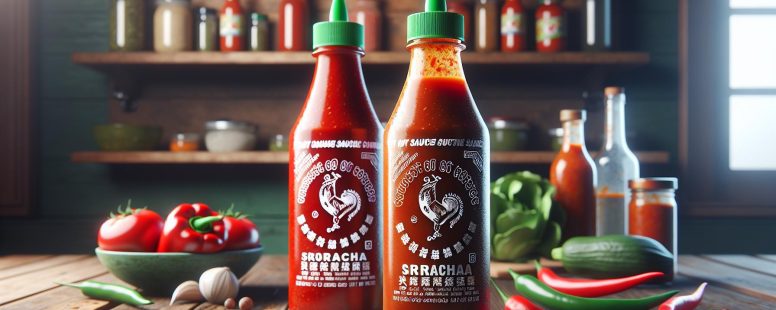
Sriracha originated in Si Racha, Thailand, during the 1930s. Created by Thanom Chakkapak, it was initially used as a dipping sauce for seafood. In the 1980s, David Tran popularized sriracha globally through his Huy Fong Foods brand in California. Now iconic with its green cap and rooster logo, Huy Fong’s version has become the standard representation of this spicy-sweet sauce.
Key Ingredients
The main ingredients of sriracha are red chili peppers, garlic, vinegar, sugar, and salt. These components contribute to its distinct balance of heat and sweetness. Unlike many hot sauces that rely heavily on vinegar for tanginess (e.g., Tabasco), sriracha uses vinegar sparingly to enhance rather than dominate its flavor profile.
Flavor Profile
Sriracha offers a mild-to-medium heat level combined with subtle sweetness and garlicky undertones. The consistency is thicker compared to most hot sauces like Louisiana-style varieties. This makes it versatile for drizzling on pho or spreading onto sandwiches without overwhelming other flavors in your dish.
What Is Hot Sauce?
Hot sauce is a condiment known for delivering intense heat and bold flavors. It’s used worldwide to enhance the taste of dishes, from traditional recipes to modern fusion cuisine.
Origin And History
Hot sauce dates back thousands of years, with early forms originating in Central and South America. Ancient civilizations like the Aztecs combined chili peppers with water to create spicy concoctions. European explorers introduced chili peppers to other continents in the 15th century, spreading their use globally. By the 19th century, commercial hot sauces gained popularity, with brands like Tabasco emerging as household names.
Key Ingredients
Most hot sauces have a simple base of chili peppers, vinegar, and salt. Some include additional elements like garlic or fruit for unique flavor twists. For instance, habanero-based sauces might feature mango or pineapple for sweetness. The type and quantity of chilies determine the heat level on the Scoville scale—a common measure of spiciness.
Flavor Profile
Hot sauce offers sharp acidity due to its vinegar-heavy composition. Its heat ranges from mild warmth (e.g., jalapeño-based varieties) to fiery intensity (e.g., Carolina Reaper blends). Unlike sriracha’s smooth texture and garlicky undertones, hot sauce tends to be thinner and tangier—ideal for marinades or splashing over tacos without dominating other ingredients’ tastes.
Key Differences Between Sriracha And Hot Sauce
Sriracha and hot sauce differ significantly in flavor, texture, and culinary applications. Understanding these distinctions helps you choose the right condiment for your dishes.
Flavor And Heat Levels
Sriracha offers a balanced flavor profile that combines mild-to-medium heat with sweetness and garlicky tones. Its subtle vinegar presence enhances the taste without overpowering it. For example, pairing sriracha with pho or eggs creates harmony between spice and umami.
Hot sauces are tangier due to their vinegar-forward base, delivering sharper heat levels that range from mild to extremely spicy depending on chili types. Brands like Tabasco provide a clean acidic kick ideal for cutting through rich foods like fried chicken or nachos.
Texture And Consistency
Sriracha has a thicker, smooth consistency resembling a paste rather than a liquid. This makes it excellent for spreading on sandwiches or drizzling over noodles without running off.
In contrast, most hot sauces are thinner and more watery, making them easier to splash onto tacos or mix into marinades evenly. The difference in viscosity also means sriracha clings better to food surfaces while hot sauce disperses quickly.
Common Uses And Pairings
Sriracha works well as both a dipping sauce and an ingredient in recipes requiring depth of flavor. It’s commonly paired with Asian cuisine but complements Western dishes like burgers too.
Hot sauce shines as an enhancer for specific meals—think Louisiana-style wings or grilled seafood where its acidity cuts richness effectively. Its versatility extends globally across cuisines such as Mexican enchiladas or Caribbean jerk dishes where bold spices dominate taste profiles.
Health And Nutritional Comparison
Sriracha and hot sauce differ in their nutritional profiles due to variations in ingredients and preparation methods. Sriracha contains sugar as a core component, resulting in higher carbohydrate content compared to many traditional hot sauces. For example, one tablespoon of sriracha typically has around 5 grams of carbohydrates, whereas most hot sauces contain less than 1 gram per serving.
Salt levels also vary significantly between the two condiments. Sriracha often includes approximately 100-150 milligrams of sodium per teaspoon because of its balanced flavor profile that combines sweetness and saltiness. On the other hand, hot sauces like Tabasco or Cholula usually have lower sodium content—about 35-50 milligrams per teaspoon—due to their simpler ingredient lists dominated by chili peppers and vinegar.
Calorie-wise, both condiments are relatively low but not identical. A typical serving (1 tsp) of sriracha provides around 15 calories, while an equivalent amount of hot sauce offers about 0-5 calories depending on the brand. This difference makes sriracha slightly more calorie-dense, which may be relevant if you’re monitoring caloric intake.
Both options offer minimal fat and protein quantities but can contribute beneficial compounds from chili peppers. Capsaicin—a natural compound found in chilies—is linked to potential health benefits like metabolism boosting and pain relief when consumed moderately (source: National Institutes of Health).
Choosing between these depends on your dietary priorities. If reducing sugar intake is crucial for you, opting for vinegar-heavy hot sauces with no added sweeteners could align better with your goals. Conversely, if a richer flavor with mild heat suits your recipes best without significant caloric concerns, sriracha might be ideal.
Nutrient
Sriracha (per tsp)
Hot Sauce (per tsp)
Calories
~15
~0-5
Carbohydrates
~5g
<1g
Sodium
~100-150mg
~35-50mg
Popular Brands Of Sriracha And Hot Sauce
Sriracha Brands
Huy Fong Foods: Known globally for its iconic green cap and rooster logo, this brand popularized sriracha in the 1980s. The smooth texture and balanced heat make it a staple for dishes like pho and burgers.
Shark Brand: Originating from Thailand, Shark offers a more traditional take on sriracha with a slightly sweeter profile, often used as a dip for seafood or spring rolls.
Flying Goose: A Thai export with multiple flavor options, including lemongrass and extra hot variants, catering to diverse palates worldwide.
Hot Sauce Brands
Tabasco: One of the oldest commercial hot sauces, Tabasco delivers tangy heat with just three ingredients—chili peppers, vinegar, and salt—making it ideal for marinades or Bloody Mary cocktails.
Frank’s RedHot: Famous for its mild-to-medium spice level and buttery notes, commonly associated with buffalo wings recipes in North America.
Cholula: With roots in Mexico, Cholula combines chili peppers with spices to create a flavorful but less fiery option perfect for tacos or eggs.
Crystal Hot Sauce: A Louisiana favorite offering milder heat levels than Tabasco but maintaining that sharp vinegary kick suitable for fried chicken or gumbo.
Brand
Type
Key Features
Huy Fong Foods
Sriracha
Balanced heat; bold garlic flavors
Shark Brand
Sriracha
Traditional; slightly sweeter taste
Flying Goose
Sriracha
Variety of flavors; Thai origin
Tabasco
Hot Sauce
Tangy; simple ingredient composition
Frank’s RedHot
Hot Sauce
Mild spice; buttery undertones
Cholula
Hot Sauce
Flavorful; Mexican culinary roots
Crystal Hot Sauce
Hot Sauce
Milder heat; vinegary sharpness
These brands showcase distinct approaches to crafting condiments while highlighting cultural influences from their regions of origin.
Conclusion
Choosing between sriracha and hot sauce eventually comes down to your personal taste and the dish you’re preparing. Whether you prefer sriracha’s smooth, garlicky heat or hot sauce’s tangy, vinegary punch, both condiments bring their own unique flair to your meals. By understanding their distinct flavors, textures, and origins, you can better appreciate how each enhances different cuisines. So the next time you’re reaching for a spicy kick, let your cravings guide you to the perfect match!
To provide the best experiences, we use technologies like cookies to store and/or access device information. Consenting to these technologies will allow us to process data such as browsing behaviour or unique IDs on this site. Not consenting or withdrawing consent, may adversely affect certain features and functions.
Functional
Always active
The technical storage or access is strictly necessary for the legitimate purpose of enabling the use of a specific service explicitly requested by the subscriber or user, or for the sole purpose of carrying out the transmission of a communication over an electronic communications network.
Preferences
The technical storage or access is necessary for the legitimate purpose of storing preferences that are not requested by the subscriber or user.
Statistics
The technical storage or access that is used exclusively for statistical purposes.The technical storage or access that is used exclusively for anonymous statistical purposes. Without a subpoena, voluntary compliance on the part of your Internet Service Provider, or additional records from a third party, information stored or retrieved for this purpose alone cannot usually be used to identify you.
Marketing
The technical storage or access is required to create user profiles to send advertising, or to track the user on a website or across several websites for similar marketing purposes.