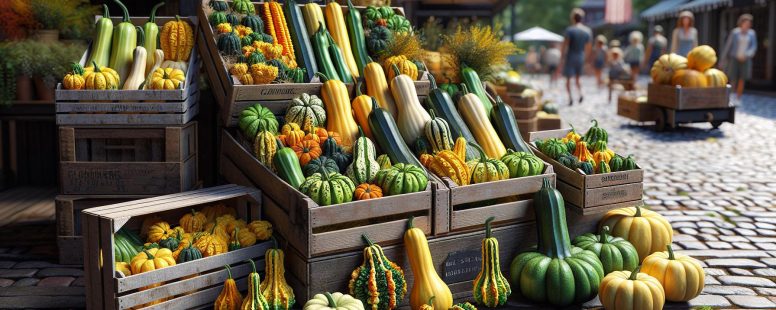
Imagine wandering through a vibrant farmer’s market, the air filled with the earthy aroma of fresh produce. Your eyes are drawn to a colorful array of oddly shaped vegetables, their skins dappled with greens, yellows, and oranges. You might wonder: are these squash or gourds? The line between these two can be as tangled as the vines they grow on, but understanding their differences can enhance your culinary adventures and garden endeavors.
Squash and gourds, though members of the same botanical family, offer distinct characteristics and uses. Squash often graces our tables with its tender flesh and versatile flavors, while gourds are more likely to adorn our homes with their decorative appeal. By delving into their unique traits, you’ll uncover a world of possibilities that can transform how you cook, decorate, and even cultivate your garden. Let’s explore the fascinating differences between these captivating plants.
What Are Squash?
Savor the world of squash where vibrant colors and tender textures abound. Squash’s culinary applications captivate taste buds and inspire versatile dishes across seasons.
Characteristics of Squash
Squash belongs to the Cucurbitaceae family, offering edible fruits with a soft, tender pulp. It’s divided into two categories: summer and winter, each with unique features. Summer squash have thin skins and mild flavors, ideal for grilling or sautéing. In contrast, the thick skin of winter squash protects dense, sweet flesh, perfect for roasting or pureeing. Squash thrives in warm climates and requires rich, well-draining soil, making it a staple in many gardens.
Common Varieties of Squash
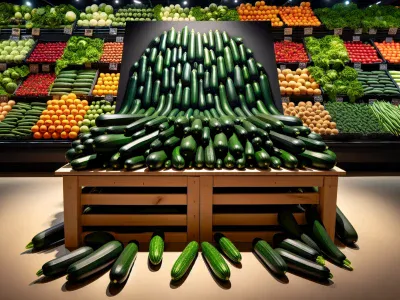
Discover a plethora of squash varieties that grace tables worldwide. Zucchini emerges as a summer favorite, whilst butternut and acorn squash reign supreme during the colder months. Patty pan squash, with its UFO-like shape, fascinates adventurous cooks seeking novel ingredients. The sweet and nutty flavor of spaghetti squash often replaces pasta in low-carb diets. Each variety boasts distinct qualities, enriching culinary repertoires with unique tastes and textures.
What Are Gourds?
Gourds, members of the Cucurbitaceae family, often captivate with their intriguing shapes and colors. Unlike squash, gourds primarily serve ornamental purposes, adorning homes and gardens with their hard shells and fascinating forms.
Characteristics of Gourds
Gourds exhibit a wide range of shapes, sizes, and textures. Some possess smooth surfaces, while others are ridged or warted. These characteristics result from their thick, tough rinds, which make them ideal for decorative and crafting uses rather than culinary. Their non-edible nature distinguishes them from their squash counterparts. After drying, gourds can be crafted into various items such as birdhouses, utensils, and musical instruments, showcasing their versatility beyond the kitchen.
Common Varieties of Gourds
Several gourd varieties mesmerize with their unique appearances. The bottle gourd, with its wide base and narrow neck, often fascinates those interested in crafting. Snake gourds, with elongated, coiled bodies, draw attention both in gardens and artistic projects. Turban gourds, named for their distinctive, bulging tops, add a splash of whimsy to fall displays. These diverse forms highlight the artistic possibilities of gourds, their shapes inviting creativity and innovation in design.
Key Differences Between Squash and Gourds
Squash and gourds, though related, have distinct differences that set them apart. These differences are evident in their botanical traits, culinary uses, and visual characteristics.
Botanical Differences
Squash belongs to the Cucurbita genus, which includes a range of both summer and winter varieties. Gourds, but, span genera such as Lagenaria and Luffa. Squash plants exhibit fleshy, edible fruits, while gourds produce tough, inedible rinds. This botanical distinction affects their growth and utility. Squash thrives in nutrient-rich soils and requires regular watering, whereas gourds can tolerate drier, less fertile conditions.
Culinary Uses
Squash offers a versatile addition to meals, embracing various flavors and textures. Summer squash like zucchini is mild and perfect for grilling or sautéing, while winter squash such as butternut adds sweetness to roasts and soups. Gourds are not typically used in cooking due to their hard, bitter exteriors. Instead, they’re valued for crafting and decorative purposes. In rare instances, specific types like Luffa gourds are harvested young as edible, resembling the texture of a cucumber.
Visual and Textural Differences
The appearance and feel provide clear distinctions between squash and gourds. Squash exhibits vibrant, smooth skins that range from deep green to bright yellow, with tender, edible flesh inside. Gourds captivate with their rough, varied textures and unique shapes, making them ideal for artistic decorations. Bottle gourds feature uniform, elongated forms, while turban gourds boast striking, ornamental shapes. These visual and textural elements influence their respective roles in culinary and decorative contexts.
Cultivation and Growth Habits
Understanding the cultivation practices and growth habits of squash and gourds offers valuable insights into their distinct roles in gardens and homes. Recognizing the environmental needs of each helps enhance your gardening success and decorative creativity.
Growing Conditions for Squash
Squash prefers warm, fertile environments to flourish. Ensure that your soil is rich, well-draining, and moderately acidic, with a pH between 6 and 6.8. Regular watering is essential, as squash requires consistent moisture for optimal growth. Plan to plant squash in areas with full sun exposure, which promotes vigorous growth and high yields.
As tender annuals, squash plants thrive when the soil temperature reaches 70°F (21°C), enhancing germination rates. Space squash plants 3 to 4 feet apart to accommodate their sprawling vines, allowing air circulation to reduce the risk of fungal infections. Employ mulch to help retain soil moisture and suppress weeds, enhancing plant health and productivity.
Growing Conditions for Gourds
Gourds, too, flourish in warm climates, but exhibit stronger tolerance for diverse growing conditions. If squash cultivates in nutrient-dense environments, gourds can withstand poorer soils and less regular watering. Sow seeds directly into soil once the danger of frost passes, and temperatures stabilize above 60°F (15.5°C).
Space gourd plants 2 to 3 feet apart to enable their robust vines to expand and climb. Use trellises to encourage vertical growth and prevent ground contact, which reduces pest susceptibility. Gourds enjoy full sun but adapt to partial shade, offering a degree of flexibility in garden planning.
With careful attention to the specific needs of squash and gourds, you cultivate thriving plants that bring culinary delight and visual enjoyment.
Uses and Applications
Understanding the uses and applications of squash and gourds reveals their diverse roles in culinary and decorative contexts. Each provides unique value depending on your needs.
Using Squash in Cooking
Squash captivates culinary enthusiasts with its flavors and textures. Summer squash offers cooking flexibility, from grilling to sautéing. Zucchini, for instance, complements pasta or enhances salads with a fresh bite. Winter squash like butternut contributes hearty sweetness, perfect for soups or risottos. Sweetness is another benefit, with acorn squash a popular choice for roasting, infusing dishes with nutty undertones.
Using Gourds for Decorative Purposes
Gourds embrace creativity outside the kitchen. They’re renowned for decorative crafting potential due to their hard shells and varrying shapes. Bottle gourds transform into birdhouses, offering both charm and function. Turban gourds, with their unique forms and colors, become beautiful centerpieces in fall displays. Gourds’ natural textures add artistic flair, whether in handmade instruments or painted ornaments. Decor enthusiasts find endless inspiration in gourds, integrating them into home designs seamlessly.
Conclusion
Understanding the differences between squash and gourds enriches both your culinary adventures and decorative projects. By recognizing their distinct characteristics, you can make informed choices that enhance your garden, kitchen, and home decor. Whether you’re savoring the flavors of squash in your favorite dishes or crafting unique decor items with gourds, each brings its own charm and utility. Embrace the vibrant world of these plants and explore the endless possibilities they offer in both taste and aesthetics.
To provide the best experiences, we use technologies like cookies to store and/or access device information. Consenting to these technologies will allow us to process data such as browsing behaviour or unique IDs on this site. Not consenting or withdrawing consent, may adversely affect certain features and functions.
Functional
Always active
The technical storage or access is strictly necessary for the legitimate purpose of enabling the use of a specific service explicitly requested by the subscriber or user, or for the sole purpose of carrying out the transmission of a communication over an electronic communications network.
Preferences
The technical storage or access is necessary for the legitimate purpose of storing preferences that are not requested by the subscriber or user.
Statistics
The technical storage or access that is used exclusively for statistical purposes.The technical storage or access that is used exclusively for anonymous statistical purposes. Without a subpoena, voluntary compliance on the part of your Internet Service Provider, or additional records from a third party, information stored or retrieved for this purpose alone cannot usually be used to identify you.
Marketing
The technical storage or access is required to create user profiles to send advertising, or to track the user on a website or across several websites for similar marketing purposes.