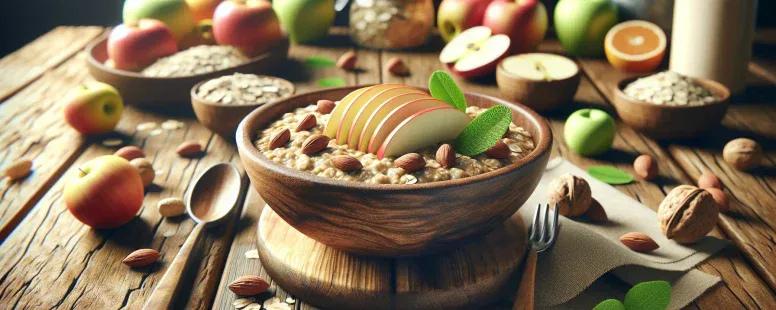
Picture your morning oatmeal transforming into a silky, satisfying blend that soothes your stomach while a crisp apple crunches between your teeth, leaving you feeling light and energized. Both foods are rich in fiber, but not all fiber is created equal. why some foods leave you feeling full and content, while others seem to pass right through, almost unnoticed?
Fiber isn’t just a bland nutrition label statistic—it’s a dynamic duo working behind the scenes in your body. Soluble and insoluble fibers each play their own unique roles, quietly shaping your digestion and even influencing your mood and energy. Unlocking the secrets of these two fiber types could change the way you think about your daily meals and snacks, revealing surprising benefits that go far beyond gut health.
What Is Dietary Fiber?
You stumble across the term “dietary fiber” on cereal boxes, maybe, in the health aisle, or even at your doctor’s office. Yet, do you really know what that mystery component doing in your oatmeal is? Dietary fiber, a type of carbohydrate, resists digestion in your small intestine. Instead, it journeys almost intact into the large intestine. This indigestibility defines dietary fiber, ensuring unique physiological effects, according to Mayo Clinic and the Harvard T.H. Chan School of Public Health.
Picture biting into a crisp apple—some of its fiber dissolves in water, while some don’t. Soluble fiber forms a gel-like substance, which slows absorption of cholesterol and glucose, supporting heart health and balanced blood sugar. You can see this in foods like oats, lentils, and peas. In contrast, insoluble fiber stays rough, sweeping through your digestive tract like a tiny broom, helping to move waste more efficiently. Examples include whole wheat, nuts, and the skins on most fruits and vegetables.
Have you ever noticed how some people speak about feeling “fuller for longer” after eating, say, beans or a hearty salad? That’s fiber at work—a subtle but persistent friend to your appetite and digestion. Surgeons don’t remove this kind of fiber from a diet before certain colon procedures since it has a direct effect on stool bulk and consistency (National Institutes of Health).
Clinical nutritionists debate whether all fiber have equal benefit to gut bacteria, because gut microbes ferment some types, producing short-chain fatty acids—energy for your colon cells (Slavin, 2013). If all fibers gave equal prebiotic effects, you wouldn’t see such variation in research linking fiber types to reduced disease risk. Think how sunflower petals differ from pine needles, durable or delicate, each with a role.
Questions surface: will “fiber” on a label mean the same thing, everywhere? Not always. Some products use synthetic or isolated fibers, such as inulin, rather than those from whole plants, so these may or may not have the full array of benefits found in -fiber-rich foods.
So next time you crunch through celery or stir chia into a smoothie, remember: part of its power comes not just from nutrients you absorb, but from complex interactions dietary fiber triggers along your digestive tract.
Key Differences Between Soluble and Insoluble Fiber
Both soluble and insoluble fiber shape your daily energy and digestive experience. Knowing how they function can help you choose foods that fit your needs, whether you grab an apple or a slice of whole-grain bread.
Solubility and Water Absorption
Soluble fiber dissolves in water, creating a gel-like texture that slows digestion. Picture pouring oats into a bowl—how they thicken as they soak up liquid mirrors what happens in your gut. Beta-glucan from oats and pectin from apples are prime examples. Since soluble fiber absorbs water, it often helps you feel full longer.
Insoluble fiber, by contrast, doesn’t dissolve in water. Picture the gritty husk on wheat bran or the crunchy peel on carrots—these fibrous parts sweep through your intestines mostly unchanged. By holding on to their structure, insoluble fibers help push waste through your system and prevent constipation (Slavin, 2013).
Fiber Type
Water Solubility
Example Foods
Texture in Digestion
Soluble
Dissolves
Oats, lentils, apples
Gel-like, thickening
Insoluble
Doesn’t dissolve
Whole wheat, carrots
Gritty, bulky
Sources of Each Type of Fiber
Soluble fiber shows up in foods like black beans, pears, chia seeds, and barley. You might stir chia seeds in water and notice them puff up to form a thick pudding—this process mimics how viscous fiber works in your stomach. Legumes, such as lentils, offer another robust source that pairs well with salads or soups.
Insoluble fiber, on the other hand, appears in wheat bran, brown rice, the skins of tomatoes, and raw broccoli florets. Sometimes, you’ll hear people swear by whole-grain toast in the morning not just for flavor, but for the unyielding bulk it provides to meals. The rough bits in whole-grain bread remain visible under a microscope, its rigid cell walls resisting breakdown.
Effects on Digestion and Gut Health
Soluble fiber slows down gastric emptying, helping your body steady blood glucose levels after eating. Nutrition studies support its benefit for heart health due to lowering LDL cholesterol by binding bile acids (Anderson et al., 2009). If you’ve ever noticed your hunger waning after a bowl of oatmeal, soluble fiber likely played a big part.
Insoluble fiber, meanwhile, increases stool mass and decreases transit time through your intestines. This may sound clinical, but think of it as keeping your body’s waste conveyor belt running at a steady clip. Research shows diets high in insoluble fiber reduce diverticulosis risk and support bowel regularity (Slavin, 2013). Foods rich in insoluble fiber, like kale stem or popcorn hulls, pass through mostly intact, providing that unmistakable roughage you feel after a hearty meal.
Ask yourself—after your last meal, did you feel satisfied and energized, or sluggish and weighed down? That subtle difference often traces back to the unique actions of soluble vs. insoluble fiber, each with its distinct team of plant compounds shaping how your gut and energy respond throughout the day.
Health Benefits of Soluble Fiber
Picture you’re sitting down with a steaming bowl of oatmeal—thick, creamy, and seemingly simple. Hidden within each spoonful are soluble fiber molecules, silently shaping your health destiny. Soluble fiber, such as the beta-glucan in oats or pectin in apples, dissolves in water and forms a gentle gel in your gut. You might ask yourself, why does this matter?
Soluble fiber’s gel slows the passage of food, nudging your blood sugar levels toward steadiness rather than sudden spikes or crashes. According to the Harvard T.H. Chan School of Public Health, this property makes it useful for your glucose control if you’re living with diabetes or simply aiming for longer-lasting energy (Harvard, 2023).
Pause and consider your heart—metaphorically the engine of your life’s journey. Soluble fiber traps some cholesterol in your digestive tract, escorting it out before absorption. Clinical trials, like those cited by the American Heart Association, show that increasing soluble fiber intake can lower your LDL (“bad”) cholesterol by 5-10% when you eat at least 5-10g per day (AHA, 2022). Picking foods such as black beans, Brussels sprouts, and citrus fruits can amplify this protective effect.
Could your gut bacteria be thriving too? As soluble fiber ferments in your colon, special microbes feast on it, multiplying and producing short-chain fatty acids. These acids, research suggests, strengthen your intestinal wall, regulate immune function, and may even influence mood (Mayo Clinic, 2023). Have you ever noticed feeling lighter and less sluggish on days you eat more beans and berries?
For people managing weight, soluble fiber keeps you feeling full longer, subtly nudging you to eat less without strict rules or willpower battles. Registered dietitians often recommend psyllium husk, a potent soluble fiber supplement, for its proven ability to curb appetite and support digestive regularity (Academy of Nutrition and Dietetics, 2023).
Taking a closer look at your plate, does your day include enough of these natural fiber allies? Swapping refined grains for whole foods rich in soluble fiber doesn’t just feed your body—it’s like nurturing an ecosystem inside you. Perspectives differ—some researchers highlight the synergy with other nutrients, others urge caution with fiber supplements that can cause discomfort in large doses. Meticulous attention to variety and balance supports your unique health blueprint.
In the dance between food and physiology, soluble fiber choreographs harmony—slowing, guarding, and nourishing with every bite.
Health Benefits of Insoluble Fiber
Picture your digestive system like a busy highway, cars zipping along, sometimes stuck in traffic. That’s where insoluble fiber steps in—think of it as the green light for your gut, keeping everything moving smoothly. When you eat foods like wheat bran, brown rice, or the peels on apples and carrots, you’re giving your digestive tract that fast lane it craves. Insoluble fiber doesn’t dissolve in water, so it acts sort of like bulk, pushing food waste along until it exits your body. But why some people seem to breeze through days without digestive discomfort, while others struggle with constipation or irregularity?
Researchers at Harvard Medical School (2018) point out that higher intakes of insoluble fiber can help prevent constipation and promote regularity in your bowel movements. If you’ve ever noticed an immediate sense of relief after eating a hearty salad or a grain bowl, that’s insoluble fiber at work—it bulks your stool, making elimination easier.
Some studies shows insoluble fiber may be protective against diverticular disease, where small pouches form in the colon wall and can cause pain or infection if inflamed. Picture, by simply including whole grains and vegetable skins into your lunch or snack, you potentially reduce your risk of such uncomfortable conditions. How often do you skip the apple peel or choose white bread over whole wheat? That small decision impacts your colon’s resilience.
Insoluble fiber also supports metabolic health in unexpected ways. By speeding up bowel transit, it helps reduce your colon’s exposure to toxins from waste and can, over time, lower risks associated with certain colorectal diseases (NIH, 2021). Turns out, not every benefit shows up overnight; sometimes, it’s about the habits you build daily—like choosing popcorn over chips for a snack. You ever noticed how some cultures rely heavily on fibrous staples like corn, beans, and unprocessed grains? Their rates of constipation and associated complaints are statistically lower, a testament to how food shapes digestion.
What if you started looking at the humble pea pod or crunchy celery stalk as gentle guardians of your gut rather than just salad fillers? That shift in perspective could spark real change. Insoluble fiber doesn’t just make your bathroom trips more predictable; it creates an internal environment that fosters comfort, confidence, and long-term health—one bite at a time.
Choosing the Right Fiber for Your Diet
Picture your gut like a busy city street—sometimes traffic crawls, other times it zips by so fast the scenery blurs. Soluble fiber’s like those traffic-calming roundabouts, slowing sugar’s race into your bloodstream, while insoluble fiber acts like a green light, hurrying waste along every digestive avenue. You probably wonder, which path fits your goals best?
Dietary guidelines from the USDA suggest that adults get 25 to 38 grams of fiber each day, but most people fall short, averaging only about 15 grams daily (USDA, 2020). What if you asked yourself, “Does my breakfast help traffic flow—or cause a jam?” For example, starting with oatmeal and berries blends soluble fiber from oats with insoluble fiber from berry skins. You’ll feel fuller longer, and your gut keeps things regular.
But some days you need more of a gentle nudge. If constipation creeps in after a week of grab-and-go pizza slices and white bread, swap in a handful of raw carrots or a slice of whole wheat toast. You’ll notice your digestive highway clears up quick—no detours, no wait times. Chronic constipation affects about 16% of adults in the US, but increasing insoluble fiber cuts this risk (NCBI, 2022).
Maybe you look for heart health—does your family mention cholesterol at every reunion? Reach for soluble fiber champions: lentil soup, apple slices, or chia pudding. These options act like little sponges in your digestive tract, soaking up cholesterol and escorting it out. Research from Harvard’s T.H. Chan School of Public Health confirms that people eating 5-10 more grams of soluble fiber daily see a 5% reduction in LDL cholesterol (Harvard, 2021).
Think texture, too. Do you prefer chewy, whole-grain bread, or the slick comfort of ripe kiwis? Your taste for crunch versus creaminess helps guide daily choices. Sometimes, combining both fibers creates meals to satisfy every craving while supporting overall health.
Ask yourself, how do you feel after meals packed with only refined grains, versus dishes loaded with beans, nuts, and skins-on veggies? Could you swap processed snacks for popcorn, or trade applesauce for a whole apple? Small tweaks build a vibrant, resilient digestive landscape.
If you see an uptick in bloating when increasing fiber suddenly, you’re not alone. Gradual shifts allow your gut microbiome, including favorite strains like Bifidobacterium and Lactobacillus, to adapt and flourish. Drink more water—fiber’s best when well-hydrated.
You control the route: balance soluble and insoluble fiber, play with new textures, and check in with your body’s signals. Each bite builds your unique digestive cityscape. So, which direction will your next meal take you—slow lane, expressway, or somewhere totally new?
Conclusion
When you understand the roles of both soluble and insoluble fiber you can make smarter choices that benefit your digestion and overall well-being. By adding a mix of fiber-rich foods to your meals you’ll discover new flavors and support your body in more ways than one. Start exploring different sources of fiber and notice how small changes can lead to lasting improvements in your energy mood and digestive health.
To provide the best experiences, we use technologies like cookies to store and/or access device information. Consenting to these technologies will allow us to process data such as browsing behaviour or unique IDs on this site. Not consenting or withdrawing consent, may adversely affect certain features and functions.
Functional
Always active
The technical storage or access is strictly necessary for the legitimate purpose of enabling the use of a specific service explicitly requested by the subscriber or user, or for the sole purpose of carrying out the transmission of a communication over an electronic communications network.
Preferences
The technical storage or access is necessary for the legitimate purpose of storing preferences that are not requested by the subscriber or user.
Statistics
The technical storage or access that is used exclusively for statistical purposes.The technical storage or access that is used exclusively for anonymous statistical purposes. Without a subpoena, voluntary compliance on the part of your Internet Service Provider, or additional records from a third party, information stored or retrieved for this purpose alone cannot usually be used to identify you.
Marketing
The technical storage or access is required to create user profiles to send advertising, or to track the user on a website or across several websites for similar marketing purposes.