The world of nutrition constantly unveils the intricate connections between what we eat and the health of our bodies. Among these revelations, probiotics and prebiotics, two essential elements for promoting gut health, stand out. But, the differences between them are often misunderstood, leaving many unsure about their unique roles and benefits. By shedding light on these two nutritional powerhouses, their functions, and how they complement each other, this article aims to empower you to make informed dietary choices that support overall well-being.
Understanding Probiotics
Definition and Function of Probiotics
Probiotics are live microorganisms that provide health benefits to your body when consumed in adequate amounts, particularly by enhancing your gut health. These “good bacteria” balance your intestinal microbiota and assist in digesting food, absorbing nutrients, and protecting against harmful pathogens.
Sources of Probiotics in Diet
You can incorporate probiotics into your diet through various foods and supplements. Fermented products like yogurt, kefir, sauerkraut, kimchi, and certain cheeses are rich in probiotics. Supplements are also available, tailored to specific probiotic strains important for individual health needs.
Understanding Prebiotics
Definition and Function of Prebiotics
Prebiotics are non-digestible fibers and compounds that nourish and promote the growth of beneficial bacteria in your gut. Unlike probiotics, which are living organisms, prebiotics serve as the “food” for these microorganisms, helping them thrive and establish a healthy gut environment.
Sources of Prebiotics in Diet
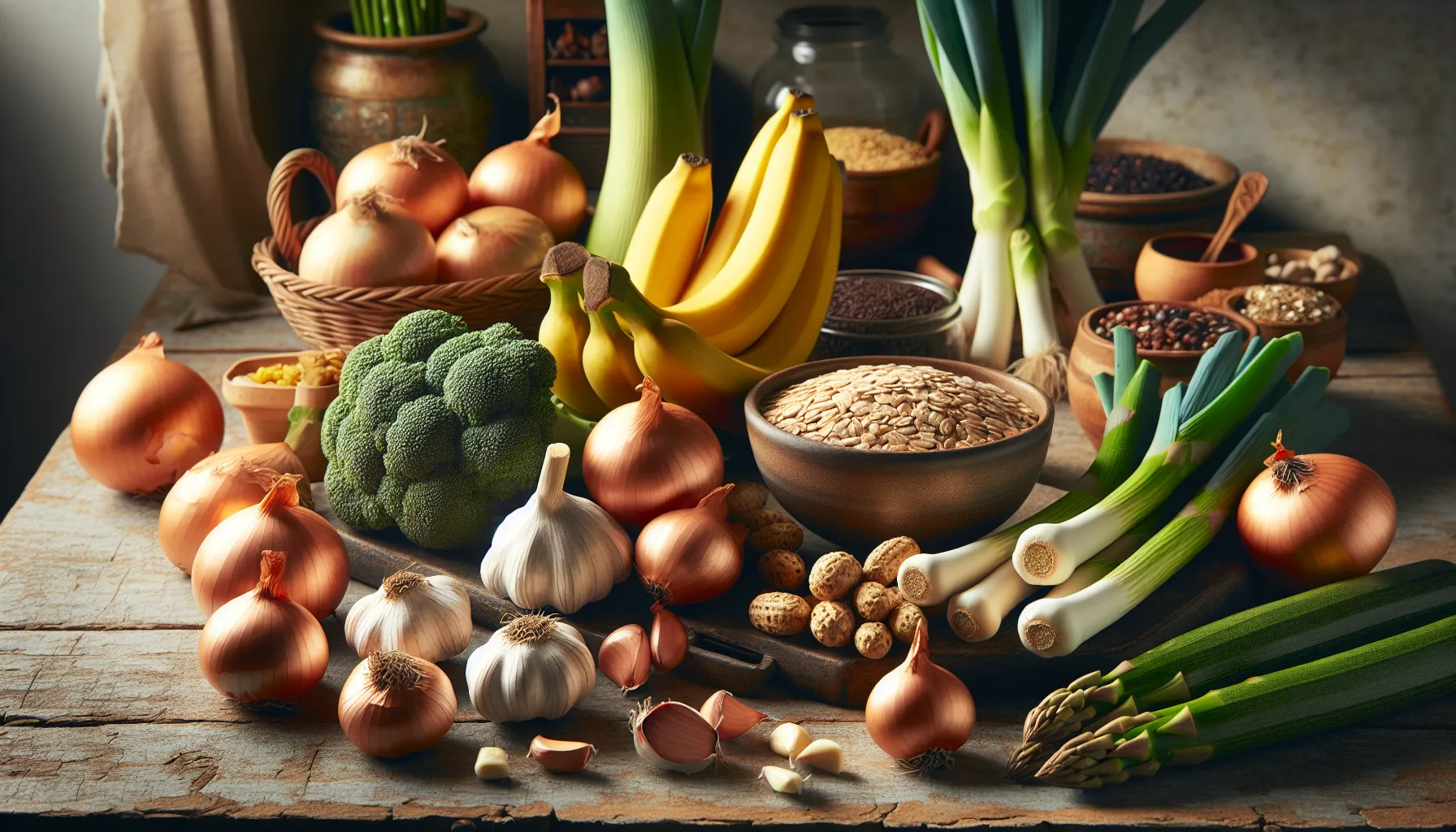
Foods high in prebiotics include garlic, onions, bananas, leeks, asparagus, and whole grains. These food sources contain specific fibers like inulin and fructooligosaccharides (FOS), which beneficial bacteria use for growth.
Comparative Analysis of Probiotics and Prebiotics
Key Differences in Roles and Benefits
While probiotics introduce good bacteria into your system, prebiotics provide the nourishment to help this bacteria flourish, making them distinct yet complementary.
How Probiotics and Prebiotics Work Together
The relationship between probiotics and prebiotics is symbiotic. By consuming both in your diet, you create an optimal environment for beneficial gut bacteria to thrive and function effectively, enhancing your digestive health.
The Importance of a Balanced Intake
Tips for Incorporating Both into Your Lifestyle
To achieve balanced gut health, aim to include both probiotics and prebiotics in your daily diet. Pairing yogurt (probiotic source) with banana (prebiotic source) as a snack or adding fermented vegetables to a whole-grain dish are practical examples that combine these elements seamlessly.
To provide the best experiences, we use technologies like cookies to store and/or access device information. Consenting to these technologies will allow us to process data such as browsing behaviour or unique IDs on this site. Not consenting or withdrawing consent, may adversely affect certain features and functions.
Functional
Always active
The technical storage or access is strictly necessary for the legitimate purpose of enabling the use of a specific service explicitly requested by the subscriber or user, or for the sole purpose of carrying out the transmission of a communication over an electronic communications network.
Preferences
The technical storage or access is necessary for the legitimate purpose of storing preferences that are not requested by the subscriber or user.
Statistics
The technical storage or access that is used exclusively for statistical purposes.The technical storage or access that is used exclusively for anonymous statistical purposes. Without a subpoena, voluntary compliance on the part of your Internet Service Provider, or additional records from a third party, information stored or retrieved for this purpose alone cannot usually be used to identify you.
Marketing
The technical storage or access is required to create user profiles to send advertising, or to track the user on a website or across several websites for similar marketing purposes.