Picture the bustling activity inside a cell—an intricate world where every structure plays a vital role. Among these, the endoplasmic reticulum (ER) stands out as a master multitasker, shaping proteins and lipids essential for life. But did you know this cellular powerhouse comes in two distinct forms: smooth and rough? Each type holds unique responsibilities, working in harmony to keep your body functioning seamlessly.
The smooth ER and rough ER might share a name, but their differences are striking. From the texture of their surfaces to the roles they play, these structures are like two sides of the same coin. Understanding how they differ isn’t just fascinating—it’s key to revealing the secrets of how your body builds, repairs, and thrives. Ready to jump into the microscopic world where these cellular factories operate? Let’s explore what sets them apart and why it matters.
Overview Of The Endoplasmic Reticulum
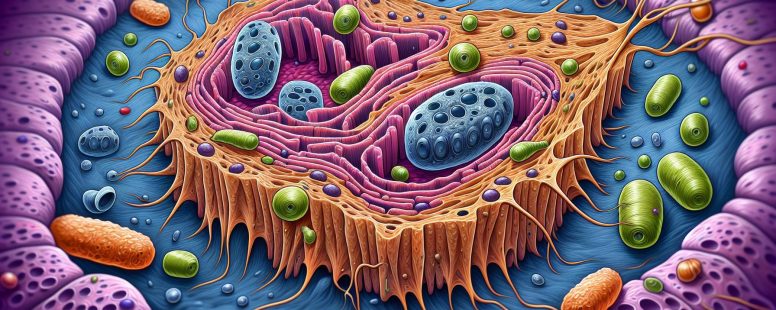
The endoplasmic reticulum (ER) is a network of membranous tubules and sacs within eukaryotic cells. It serves as a transportation system, connecting the nucleus to the cytoplasm. This interconnected structure plays a pivotal role in synthesizing proteins and lipids, essential for cell survival.
Two regions, the smooth ER (SER) and rough ER (RER), differ in structure and function. The RER hosts ribosomes on its surface, contributing to its “rough” appearance. These ribosomes synthesize proteins, which the RER helps fold and process. In contrast, the SER lacks ribosomes, making it appear smooth, and focuses on lipid synthesis and detoxification processes.
Endoplasmic reticulum activity is specialized in different cell types. For instance, liver cells feature abundant SER for detoxification, whereas pancreatic cells contain more RER to produce digestive enzymes. The ER’s functions exemplify how cellular components adapt to the organism’s specific needs.
Structure Of Smooth And Rough Endoplasmic Reticulum
The structure of the endoplasmic reticulum reflects its specific functions, with key differences between the smooth (SER) and rough (RER) types.
Physical Characteristics
SER and RER have distinct structural traits. SER lacks ribosomes on its surface, appearing smooth under a microscope, while RER is studded with ribosomes, giving it a rough texture. The ribosomes on the RER are sites for protein synthesis and attachment. SER consists of a tubular network, whereas RER has flattened sacs (cisternae). These variations enable each to perform specialized roles like lipid metabolism for SER and protein folding for RER.
Location Within The Cell
Both types of ER are interconnected with the nuclear envelope. SER is more dispersed throughout the cytoplasm in cells engaged in lipid production or detoxification, like liver cells. RER is primarily located near the nucleus to help immediate transport of proteins into the Golgi apparatus. Both SER and RER share a unified membrane system and work in tandem, even though their distinct cellular regions.
Functional Differences
Smooth and rough endoplasmic reticulums (ER) perform essential, yet distinct, cellular functions. Their specialized roles support the synthesis and balance of various macromolecules.
Protein Synthesis And Modification
Rough ER (RER) plays a central role in synthesizing and modifying proteins. The ribosomes studded to its membrane translate mRNA into polypeptides, ensuring accurate protein assembly. Some specific examples include enzymes from pancreatic cells or antibodies in plasma cells. Once formed, these polypeptides enter the lumen of the RER. Here, proteins undergo folding, glycosylation (addition of sugars), and quality control to ensure correct structures, preventing malfunctions. RER’s proximity to the nucleus aids quick mRNA transport.
Lipid Synthesis And Detoxification
Smooth ER (SER) excels at lipid metabolism and detoxification pathways. It’s heavily involved in the production of phospholipids for cellular membranes and steroid hormones like estrogen and testosterone. Its enzymatic systems convert harmful substances, such as alcohol or drugs, into soluble forms that the body can expel. For instance, liver cells with abundant SER help process toxins. In adipocytes, SER synthesizes triglycerides for energy storage.
Calcium Storage And Release
Smooth ER doubles as a critical calcium reservoir in cells. It stores calcium ions, maintaining cytosolic calcium homeostasis by releasing them during neurotransmission, muscle contraction, or other cellular signaling processes. For example, sarcoplasmic reticulum—a specialized type of SER in muscle cells—manages calcium release essential for heartbeat regulation. Disruptions in this function may cause muscle diseases or arrhythmias.
Importance In Cellular Processes
The smooth and rough endoplasmic reticulum (ER) play significant roles in essential cellular activities, influencing both metabolism and overall cell health.
Role In Metabolism
The endoplasmic reticulum is central to various metabolic functions. The rough ER (RER), equipped with ribosomes, drives protein synthesis. It aids in forming enzymes critical for pathways like glycolysis or cellular respiration. For example, cells in the pancreas rely on RER to secrete digestive enzymes, demonstrating its role in protein turnover within the metabolic framework.
Smooth ER (SER), on the other hand, is central to lipid metabolism. It synthesizes phospholipids for membrane formation and produces steroid hormones in specialized cells, such as adrenal glands. SER detoxifies drugs and toxins, turning them into water-soluble forms through enzymatic action. Liver cells use this capability extensively, showcasing how SER supports systemic metabolic processes.
Impact On Cellular Health
The health of a cell is intricately tied to ER functions. RER ensures proper folding and modification of proteins, reducing risks of misfolded proteins that can aggregate and harm cellular structures. Misfolded proteins, if unchecked, are associated with conditions like Alzheimer’s or Huntington’s disease, illustrating the RER’s preventive role in maintaining cellular integrity.
SER contributes directly to cellular signaling through calcium storage and release. It regulates calcium ion concentrations during activities like muscle contractions or neuron communication. Dysfunction in SER’s calcium homeostasis links to disorders such as muscle weakness or cardiac arrhythmias, emphasizing its impact on cell viability.
Both RER and SER operate in harmony, supporting cellular resilience and adaptability across biological contexts.
Applications In Research And Medicine
Understanding the differences between smooth and rough endoplasmic reticulum (ER) drives advancements in cellular biology and medical science. Researchers frequently leverage the RER’s role in protein synthesis to study genetic disorders linked to misfolded proteins, like cystic fibrosis and Alzheimer’s disease. Through analyzing ribosome-studded RER, scientists develop treatments aimed at enhancing protein processing efficiency.
The SER aids research in pharmacology and toxicology by studying how cells detoxify harmful substances. Utilizing the SER’s lipid synthesis and detoxification functions, scientists test drug metabolism pathways and design safer medications. It also contributes to hormone-related studies by enabling investigations into steroid production.
In regenerative medicine, the ER’s role in cell signaling supports tissue engineering. The SER’s calcium storage informs protocols for muscle repair and neurological treatments. Exploring ER stress links to diseases, such as diabetes, provides insights into managing metabolic disorders.
Advances in microscopy techniques, like in electron microscopy, have allowed visual mapping of these structures. This visibility helps track cellular dysfunction sources, aiding precision medicine. For example, oncology research examines ER stress-induced apoptosis to target cancer treatments.
Both forms of ER serve as focal points for biotechnological innovations. Genetically engineered proteins produced via RER benefit vaccine development. In contrast, SER’s role in lipid production influences biofuel research, showcasing its versatility beyond human health.
Conclusion
Understanding the differences between smooth and rough endoplasmic reticulum gives you valuable insight into how cells function and maintain balance. Each type plays a specialized role, yet they work together seamlessly to support essential processes like protein synthesis, lipid metabolism, and detoxification.
By exploring the distinct yet interconnected roles of the ER, you can better appreciate its impact on cellular health and its potential in advancing medical and scientific research. This knowledge not only deepens your understanding of biology but also highlights the complexity and adaptability of life at the cellular level.
To provide the best experiences, we use technologies like cookies to store and/or access device information. Consenting to these technologies will allow us to process data such as browsing behaviour or unique IDs on this site. Not consenting or withdrawing consent, may adversely affect certain features and functions.
Functional
Always active
The technical storage or access is strictly necessary for the legitimate purpose of enabling the use of a specific service explicitly requested by the subscriber or user, or for the sole purpose of carrying out the transmission of a communication over an electronic communications network.
Preferences
The technical storage or access is necessary for the legitimate purpose of storing preferences that are not requested by the subscriber or user.
Statistics
The technical storage or access that is used exclusively for statistical purposes.The technical storage or access that is used exclusively for anonymous statistical purposes. Without a subpoena, voluntary compliance on the part of your Internet Service Provider, or additional records from a third party, information stored or retrieved for this purpose alone cannot usually be used to identify you.
Marketing
The technical storage or access is required to create user profiles to send advertising, or to track the user on a website or across several websites for similar marketing purposes.