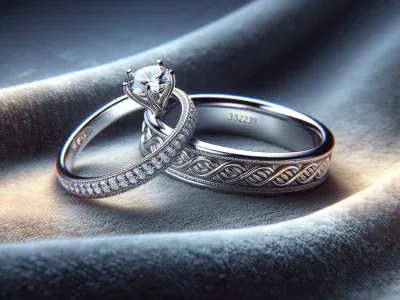
Imagine holding a piece of jewelry that gleams with a cool, radiant luster. It feels timeless, elegant, and precious—but is it pure silver or sterling silver? While they may look almost identical to the naked eye, their differences lie beneath the surface, shaping their durability, value, and care requirements.
Understanding these distinctions can help you make smarter choices, whether you’re shopping for a gift, investing in heirlooms, or simply adding to your personal collection. From purity levels to practical uses, knowing what sets silver apart from sterling silver ensures you’re getting exactly what you’re paying for. Ready to uncover the secrets behind these shimmering metals? Let’s immerse.
What Is Silver?
Silver is a naturally occurring precious metal known for its brilliant luster and malleability. It’s part of the transition metals group and carries the chemical symbol “Ag” from its Latin name, argentum.
Key Characteristics of Pure Silver
Pure silver, also called fine silver, is 99.9% silver by weight. This high purity gives it a distinct brightness, making it highly sought after for decorative and industrial purposes. But, pure silver is soft and prone to bending or scratching, limiting its practical applications in its raw form.
Silver’s thermal and electrical conductivity is among the highest of any metal. These properties make it ideal for electronics, such as circuit boards and solar panels. Also, silver resists oxidation, retaining its shine over time if maintained properly.
Common Uses of Silver
Pure silver is commonly used in items like bullion coins and high-end jewelry where purity is prioritized over strength. In photography, silver nitrate plays a critical role in creating film images. In medicine, silver’s antimicrobial properties contribute to instruments and wound treatments.
Crafting and artistry often involve silver, particularly in traditional silverware and ornate decorations. Designers favor it for its visual appeal and versatility, although combinations with alloys like copper are preferred for durability.
What Is Sterling Silver?
Sterling silver is an alloy containing 92.5% pure silver and 7.5% other metals, typically copper. This mixture enhances durability, making it suitable for everyday use in jewelry, flatware, and decorative items.
Composition and Properties of Sterling Silver
Sterling silver combines pure silver with metals like copper. By adding alloys, silver gains strength and resistance to wear. Its hallmark stamp, often “925” or “S925,” indicates its purity. This composition ensures high-quality aesthetics while balancing functionality.
Even though its robustness, sterling silver can tarnish over time due to the alloy’s reaction with sulfur or moisture. Regular polishing and proper storage reduce tarnishing, enhancing its lifespan. For instance, storing sterling silver in anti-tarnish bags keeps it shiny longer.
Common Uses of Sterling Silver
Jewelry remains the most popular use of sterling silver, including necklaces, bracelets, and earrings. Many pieces feature intricate designs due to silver’s malleability. Chains with pendants, for example, are lightweight yet strong for daily wear.
Flatware, such as forks or spoons, utilizes sterling silver for its luster and elegant appeal. Collectors often prize sterling silverware sets for their historical value and craftsmanship.
In home décor, items like picture frames and candle holders showcase sterling silver’s brilliance. These pieces combine functionality with style, making them timeless additions to interiors.
Key Differences Between Silver And Sterling Silver
Silver and sterling silver differ significantly in purity, composition, durability, and cost. Understanding these distinctions helps you make better choices when selecting items, particularly in jewelry or home décor.
Purity and Composition
Silver is 99.9% pure, often referred to as “fine silver.” This purity ensures brilliance and resistance to tarnish but also makes it too soft for most practical applications. On the other hand, sterling silver contains 92.5% silver, with the remaining 7.5% typically being a metal like copper, added for strength and durability. If you’ve seen pieces marked “925” or “S925,” they indicate the sterling silver composition. The small percentage of alloy in sterling silver differentiates it primarily from pure silver in terms of structural integrity.
Durability and Maintenance
Sterling silver is more durable than pure silver, thanks to the alloying process. This makes it better suited for everyday items like jewelry and flatware, which experience frequent wear and tear. But, sterling silver can tarnish over time due to exposure to air and moisture. Regular polishing minimizes tarnish and keeps your pieces shiny. Pure silver resists tarnish better but lacks the strength needed for high-usage items, making it ideal for display pieces or limited-use accessories.
Price and Affordability
Pure silver costs more than sterling silver because of its higher silver content. For instance, pure silver bullion or coins are typically priced based on current market rates for silver, which fluctuate regularly. Sterling silver, being 7.5% alloy metal, is generally cheaper and more accessible for everyday use. If you’re shopping for affordable yet elegant jewelry or functional decorative items, sterling silver offers an excellent balance of quality and cost.
How To Identify Silver Vs Sterling Silver
You can distinguish silver from sterling silver through specific features and techniques. Learning these methods helps ensure your purchase meets expectations, whether you’re buying jewelry, flatware, or decor.
Stamps and Hallmarks
Sterling silver often has identifying marks, such as “925,” “S925,” or “Sterling.” These stamps indicate the piece contains 92.5% silver. You’ll find them stamped on inconspicuous areas like clasps, edges, or undersides of items. Pure silver, also known as fine silver, may be marked with “999” or “FS,” representing its 99.9% purity.
Examine the piece closely for these hallmarks. If absent, it could mean the item is either plated, counterfeit, or lacks authentication from the manufacturer. Tools like magnifying glasses can make the stamps easier to identify on smaller items like rings or pendants.
Simple Testing Methods
Physical tests can help you identify the type of silver when stamps are unclear. Sterling silver tarnishes due to its copper content, creating a dark layer over time, whereas pure silver tarnishes less frequently. Look for tarnish in crevices or hidden spots.
A magnet test works as well. Both silver and sterling silver are non-magnetic, so if the piece reacts to a magnet, it may not be genuine. Similarly, an acid test kit can provide accuracy, but exercising caution is important because it involves chemicals.
Weight and flexibility are also indicators. Pure silver is slightly softer and heavier than sterling silver. For example, pure silver jewelry might bend more easily under light pressure compared to sterling silver.
Which Should You Choose?
Choosing between silver and sterling silver depends on your specific needs, preferences, and budget. Understanding their properties helps determine the best option for your situation.
Factors To Consider When Choosing
Durability: Sterling silver offers greater strength for daily wear. If you’re purchasing items like rings or bracelets, its durability protects against bending and scratches. Pure silver, due to its softness, suits display pieces or infrequent-use items.
Maintenance: Sterling silver requires regular polishing to remove tarnish from reactions with oxygen or sulfur. Pure silver resists tarnish but is prone to denting or bending, so it necessitates careful handling and storage.
Appearance: Both metals have a similar sheen, but sterling silver’s slight alloy presence can result in a subtle color difference. Pure silver often appears whiter and more brilliant, fitting heirloom pieces or luxurious designs.
Cost: Sterling silver, with lesser silver content, is generally cheaper and ideal for budget-conscious buyers seeking elegance. Pure silver, being purer, costs more and suits high-end decorative collections or investments.
Pure Silver: Best for intricate coin designs, bullion investment, or limited-edition collectibles requiring high purity. It’s also favored in specialized industrial uses like medical instruments.
Sterling Silver: Excellent for detailed jewelry, everyday utensils like flatware, and durable décor items. Popular designs include engraved necklaces and heavy-use items like serving trays.
Your final decision balances practicality, aesthetics, and personal value, ensuring your choice aligns with your lifestyle.
Conclusion
Understanding the difference between silver and sterling silver helps you make confident choices when selecting jewelry or decorative pieces. Each metal offers unique benefits, from pure silver’s brilliance to sterling silver’s durability and versatility. By considering your needs, preferences, and budget, you can find the perfect option to suit your lifestyle.
Whether you’re drawn to the elegance of sterling silver or the purity of fine silver, knowing what to look for ensures your purchase meets your expectations. With this knowledge, you’re better equipped to invest in timeless pieces that balance beauty and practicality.
To provide the best experiences, we use technologies like cookies to store and/or access device information. Consenting to these technologies will allow us to process data such as browsing behaviour or unique IDs on this site. Not consenting or withdrawing consent, may adversely affect certain features and functions.
Functional
Always active
The technical storage or access is strictly necessary for the legitimate purpose of enabling the use of a specific service explicitly requested by the subscriber or user, or for the sole purpose of carrying out the transmission of a communication over an electronic communications network.
Preferences
The technical storage or access is necessary for the legitimate purpose of storing preferences that are not requested by the subscriber or user.
Statistics
The technical storage or access that is used exclusively for statistical purposes.The technical storage or access that is used exclusively for anonymous statistical purposes. Without a subpoena, voluntary compliance on the part of your Internet Service Provider, or additional records from a third party, information stored or retrieved for this purpose alone cannot usually be used to identify you.
Marketing
The technical storage or access is required to create user profiles to send advertising, or to track the user on a website or across several websites for similar marketing purposes.