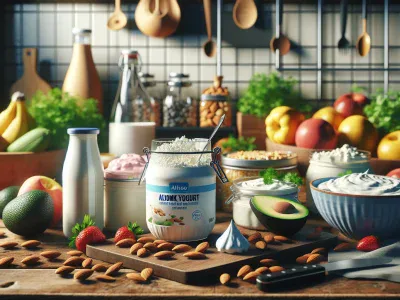
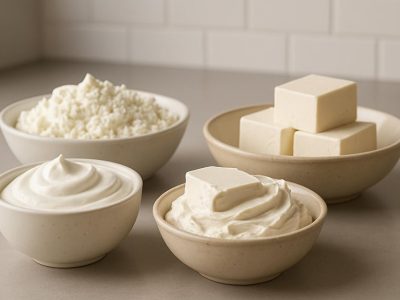
When you dip your spoon into a creamy delight, are you savoring the tangy richness of yogurt or the sweet indulgence of ice cream? Both treats offer a tantalizing escape, yet they differ in ways that might surprise you. Imagine standing in front of the freezer aisle, the cool air brushing against your skin as you ponder your choice. Each option whispers its unique story of flavor, texture, and nutrition.
Yogurt, with its probiotic-packed punch, promises a healthful journey, while ice cream tempts with its luscious, velvety embrace. But beyond the taste, there’s a world of contrasts in ingredients, production, and benefits. Understanding these differences can transform your dessert experience, helping you choose the perfect companion for your cravings. So, are you ready to unravel the mysteries of these frozen favorites and discover which one truly suits your palate?
Nutritional Content
When comparing yogurt and ice cream, the nutritional content reveals striking differences that can influence your choice of treat.
Caloric Comparison
Yogurt, especially when plain or low-fat, tends to offer fewer calories than ice cream, particularly premium and homemade variations. On average, a 6-ounce serving of plain yogurt delivers around 100 calories. In contrast, a similar portion of ice cream often contains approximately 250-300 calories. Opt for yogurt if you prefer a lower-calorie option without added sugars and fats.
Macronutrient Breakdown
Yogurt and ice cream differ significantly in macronutrient composition. Yogurt provides around 10 grams of protein per cup, whereas ice cream typically contains only 2-4 grams. Fat content varies widely; yogurt’s reduced-fat versions offer 0.4 grams of fat, contrasting with ice cream’s 14 grams in premium options. This makes yogurt a more balanced choice for those seeking protein with lower fat.
Probiotics and Fermentation
Yogurt gains a nutritional advantage with probiotics, which are beneficial bacteria that can enhance your digestive health. Fermentation during yogurt production not only preserves essential nutrients but also introduces live cultures. In contrast, ice cream doesn’t undergo the same process, lacking these probiotic benefits. Choose yogurt to support gut health and boost your immune system.
Ingredients and Preparation
Yogurt and ice cream differ in ingredients and preparation, which results in their distinct flavors and textures.
Base Ingredients
Yogurt primarily consists of milk and live cultures. These active bacteria, such as Lactobacillus bulgaricus and Streptococcus thermophilus, ferment the milk turning lactose into lactic acid. This process gives yogurt its tangy flavor and creamy texture. For flavored yogurt, additional ingredients like fruits or sweeteners are added.
Ice cream is made using cream, milk, sugar, and flavorings. Higher fat content from cream contributes to ice cream’s rich, velvety mouthfeel. Eggs may also be included in some recipes to improve texture through emulsification.
Production Process
In yogurt production, milk is firstly heated to eliminate unwanted bacteria and improve texture. After cooling, live cultures are added, and the mixture incubates for several hours allowing fermentation. This controlled process ensures the development of yogurt’s characteristic taste and consistency.
Ice cream production begins with mixing the base ingredients, followed by pasteurization to ensure safety. Homogenization disperses fat molecules, creating a uniform mixture. The base is then cooled and churned to incorporate air, which gives ice cream its smooth texture. After flavoring, the mixture is frozen, solidifying the delicious treat we enjoy today.
Each treat’s unique production highlights why yogurt caters to health-conscious choices, while ice cream indulges those seeking richness.
Taste and Texture
When selecting a treat, taste and texture are fundamental considerations. Yogurt and ice cream offer distinct experiences that cater to different preferences.
Flavor Profiles
Ice cream boasts a broad range of flavors (e.g., chocolate, vanilla, mint), often enhanced by rich ingredients like cream and sugar. Its taste is typically sweet and indulgent. Yogurt, on the other hand, carries a tangy flavor due to fermentation, with varieties ranging from plain to fruit-infused options. While ice cream provides a satisfyingly sweet experience, yogurt delivers a refreshing and zesty taste.
Consistency and Mouthfeel
The consistency and mouthfeel of yogurt and ice cream are shaped by their ingredients. Ice cream is known for its smooth, creamy texture, achieved through churning, creating a rich, velvety mouthfeel. You may notice its dense consistency. Yogurt offers a lighter, creamier feel, often described as silky. This texture is a result of its fermentation process, which also contributes to its slightly thicker consistency compared to other dairy products.
Health Benefits and Concerns
Understanding the health benefits and concerns of yogurt and ice cream can guide your choices in the dessert aisle. Each offers distinct advantages and drawbacks, especially considering factors like digestive health and nutritional content.
Digestive Health
Yogurt shines when it comes to promoting digestive health. It’s packed with probiotics, beneficial bacteria that support gut function and boost immunity (Diez-Sanchez et al., 2023). Consuming yogurt regularly can lead to improved digestion and overall wellness. On the flip side, ice cream lacks these probiotics. This absence means it doesn’t contribute to gut health, making yogurt the better choice if digestion is a priority.
Sugar and Fat Content
Sugar and fat levels vary significantly between these treats. Compared to yogurt, ice cream generally has more added sugars and fats, which can affect your diet negatively. A typical serving of ice cream contains 14 grams of fat and 20 grams of sugar, while plain yogurt keeps it around 3 grams of fat and 12 grams of sugar. Low-fat yogurt versions offer even less, making them an attractive option for a healthier lifestyle. If you take a closer look at the ingredient labels, you’ll see how these numbers impact overall health, possibly leading to weight gain or increased risk of health issues like diabetes when consumed in excess.
Considering these health factors, how do you think these differences might affect your own dessert choices and dietary goals?
Popular Varieties and Flavors
When exploring yogurt and ice cream varieties, understanding each option’s unique characteristics enhances your dessert experience. Each offers a delightful range of choices.
Yogurt Varieties
Yogurt varieties cater to diverse tastes. Greek yogurt stands out with its thick, creamy texture and high protein content. It’s a great choice if you’re seeking a satisfying snack that keeps you full. Regular yogurt, but, offers a lighter texture with a tangy taste that pairs well with granola or fruit.
For those preferring low-fat options, you can find reduced-fat yogurt with less than 0.5% fat content, maintaining its rich taste without extra calories. Plums and berries in fruit-infused yogurts create a naturally sweet dessert option. Non-dairy yogurt made from almonds or coconuts suits those avoiding animal products while maintaining flavor diversity.
Ice Cream Flavors
Ice cream flavors span from traditional to adventurous. Sumptuous indulgences like chocolate fudge or classic vanilla dominate the freezer aisle. These options highlight ice cream’s creamy richness, appealing to your sweet tooth.
For a burst of flavor, consider unique choices like mint chocolate chip or raspberry ripple. These combinations offer a refreshing take on classic dessert joys. Artisan flavors, crafted from premium, locally sourced ingredients, include salted caramel or lavender honey, providing a gourmet experience.
Seasonal flavors, often inspired by holidays or produce, introduce delightful surprises, such as pumpkin spice in autumn or peppermint swirl in winter. Deciding between these diverse flavors might just become a delightful discovery process.
These varieties and flavors reflect the abundant creativity in yogurts and ice creams, ensuring you enjoy each treat to the fullest.
Conclusion
Choosing between yogurt and ice cream eventually depends on your taste preferences and nutritional goals. Whether you’re drawn to yogurt’s tangy, probiotic-rich profile or ice cream’s creamy indulgence, both treats offer unique experiences. Yogurt provides a lighter option with digestive benefits, while ice cream delivers rich flavors and a velvety texture. Understanding these differences allows you to make informed decisions that align with your cravings and dietary needs. So next time you’re in the freezer aisle, consider what you’re in the mood for—a refreshing, healthful treat or a decadent, sweet delight.
To provide the best experiences, we use technologies like cookies to store and/or access device information. Consenting to these technologies will allow us to process data such as browsing behaviour or unique IDs on this site. Not consenting or withdrawing consent, may adversely affect certain features and functions.
Functional
Always active
The technical storage or access is strictly necessary for the legitimate purpose of enabling the use of a specific service explicitly requested by the subscriber or user, or for the sole purpose of carrying out the transmission of a communication over an electronic communications network.
Preferences
The technical storage or access is necessary for the legitimate purpose of storing preferences that are not requested by the subscriber or user.
Statistics
The technical storage or access that is used exclusively for statistical purposes.The technical storage or access that is used exclusively for anonymous statistical purposes. Without a subpoena, voluntary compliance on the part of your Internet Service Provider, or additional records from a third party, information stored or retrieved for this purpose alone cannot usually be used to identify you.
Marketing
The technical storage or access is required to create user profiles to send advertising, or to track the user on a website or across several websites for similar marketing purposes.