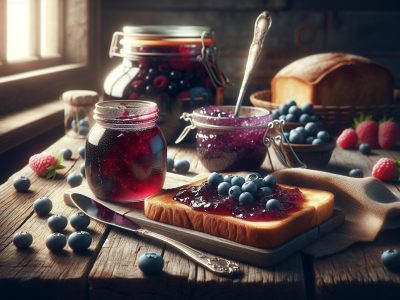
Picture standing in your kitchen as sunlight streams through the window, the scent of ripe berries filling the air. You reach for a jar—its contents glisten like rubies—but is it preserve or jam? The answer might surprise you and could change the way you savor your morning toast.
Most people grab whichever jar looks appealing, not realizing there’s a world of difference hiding beneath those lids. Understanding what sets preserves apart from jam can unlock new flavors and textures, turning an ordinary breakfast into something extraordinary. Get ready to discover a delicious secret that might just transform your pantry and your palate.
What Are Preserves?
Preserves offer a chunky, fruit-packed spread that brings orchard flavors straight to your table. When you dig a spoon into a jar of preserves, you taste whole or large pieces of fruit suspended in glossy syrup, almost like biting into fresh berries picked on a July morning.
Key Ingredients in Preserves
Preserves use whole fruit or big fruit pieces, cane sugar, and pectin as main ingredients. Strawberries, cherries, and apricots appear most often. Sugar, acting as both preservative and flavor booster, helps fruit retain texture during cooking. Pectin, a plant-based gelling agent, controls thickness and stability—You ever wondered why preserves doesn’t run off your toast? That’s pectin doing it’s job. Lemons or citric acid pop up sometimes to balance flavor and aid gel formation.
Texture and Consistency of Preserves
Texture of preserves stands out for its visible fruit chunks and thick, spoonable body. Unlike jam, where fruit gets mashed smooth, preserves present irregular, toothsome bits—each bite might offer a blueberry half or a whole cherry, making it unpredictable and exciting. Their consistency varies by brand and recipe, but they don’t flow as easily from a knife as jams do. When you spread preserves, fruit pieces sometimes topple from your toast, leaving sweet trails on the plate—Do you remember the last time you chased a runaway raspberry? That’s the authentic preserve experience. The substantial texture and concentrated fruit flavor make preserves a favorite for pastry fillings or cheese boards (USDA, 2023).
What Is Jam?
Jam delivers a smooth, easily spreadable way to enjoy fruit flavors at breakfast or snack time. Unlike preserves, you’re unlikely to discover big fruit chunks, instead, jam fits neatly across toast, croissants, or even swirled into yogurt.
Common Ingredients in Jam
You find three main semantic entities in most jam recipes: fruit pulp, granulated sugar, and pectin. Strawberries, apricots, and blackberries—these fruits serve as popular choices in commercial jams. Some brands opt for added citric acid, a tartness booster that balances sweet and sour notes. Jam makers often use lemon juice as a natural acidifier, creating the right pH so pectin gels. Artificial colors rarely enter the mix now, with brands preferring true fruit hues. Between homemade and store-bought, the ingredient lists might shift, with artisanal jars skipping preservatives and super-sweet corn syrup.
Texture and Consistency of Jam
Jam stays uniform yet not stiff, holding a spoon’s imprint but flowing just enough to coat bread evenly. The texture resembles a thick gel or paste: neither watery like syrup nor heavy like fruit preserves. Single fruit bits appear, but they’re usually mashed and blended, never huge or chunky. If you press jam with a knife, the smooth surface glosses and yields, showing off its perfect spreadability. Unlike preserve, jam rarely has uneven bites, making it ideal when you want a predictable layer for sandwiches or tarts.
Curious if your jam meets the standard? Spoon some onto a plate and shake gently—true jam will wobble, not run, and keep its shape. This balance of viscosity and fruit density results from precise pectin and sugar ratios (see FDA standards for fruit spreads). When served beside preserves, jam distinguishes itself as the polished performer, offering reliable consistency and vibrant, concentrated flavor through every bite.
Main Differences Between Preserve and Jam
When you reach for a fruit spread, you’re likely deciding between preserve and jam, but their differences extend beyond the jar’s label. Each offers a unique texture, flavor profile, and set of uses that can change your breakfast or snack entirely.
Fruit Content and Preparation
Preserves rely on whole fruits or large fruit chunks, giving you a spoonful full of orchard-fresh bites. Blackberries, cherries, and citrus segments all show off their shapes in preserves, each resulting batch capturing the fruit’s origin story. In contrast, jam uses fruit pulp or purée. Jars of strawberry or apricot jam look smoother and more uniform, delivering fruit flavor in a cohesive, gelled layer. If you tilt a spoonful of preserves, fruit pieces stay intact, while jam slides smoothly, reflecting its fine texture. USDA guidelines highlight that preserves contain higher whole fruit percentages than jam, which blends the raw ingredient (source: USDA, Fruit and Vegetable Standards).
Sugar Levels and Sweetness
Preserves, because of their prominent fruit chunks, often offer a less sweet, more natural taste. They tend to balance tart and sweet, letting the fruit’s character shine. Jams, by comparison, standardly use more sugar relative to the amount of fruit pulp. That extra sweetness helps form the classic gel and acts as a preservative—resulting in a spread with a punchier, candied finish. If you’re looking for sweetness above all, jam brings it; if you’re chasing pure fruit clarity, preserves tell that tale. Some commercial jams contain sugar levels reaching 65% of their weight (FDA Food Standards Code), unlike many preserves that targets a more moderate sweetness.
Usage and Best Pairings
Preserves shine where texture matters—on cheese platters, inside Danish pastries, or spooned atop Greek yogurt, their rustic consistency turns simple foods into something memorable. You might stir cherry preserves into warm oatmeal and instantly recall family farm visits, the fruit bits echoing memories of summer. Jam, with its evenness, excels on morning toast, PB&J sandwiches, and as a filling for thumbprint cookies. Its smooth spread appeals to those who crave consistency in every bite. Ask yourself which experience you prefer: the chunk of fruit rolling off your scone or a flawless, glossy layer making your sandwich stand out? European cafés often offer both, inviting you to experiment—tomorrow’s breakfast could become a story worth telling, depending on your choice.
Health Considerations and Shelf Life
You stare at two jars—preserve and jam. One thick with chunky green apple slices, the other gleaming smooth with strawberry. Which one slides onto your morning toast when you’re thinking about what’s healthiest, or how long it’ll last? Most people don’t really know what you’re trading off when you spread each fruit blend. Let’s meander through the orchard of shelf life and nutrition, gathering a few surprising facts and maybe challenging what you think about fruit spreads.
Preserves pack more fruit per spoonful, so you get more fiber and vitamins, like vitamin C and potassium. For instance, cherry preserves keep those big ruby pieces and antioxidants front and center. Jam, made with fruit pulp, tends to carry more added sugar per gram to balance texture, which means a slightly higher glycemic load for your slice of bread (USDA National Nutrient Database). Diabetics or those closely watching sugar intake might favor low-sugar preserves or all-fruit options, though neither type qualifies as a true health food. if whole fruit chunks can make a difference? Research studying mixed-berry preserves found higher levels of flavonoids compared to strawberry jam (Food Chemistry, 2020).
Shelf stability leans on sugar and acidity. Both jam and preserve rely on sugar and acid (like citric acid or lemon juice) to inhibits bacterial growth, but texture changes the game. Preserves hold larger fruit pieces that sometimes ferment quicker once unsealed, especially if you forget them at the back of the fridge for weeks. Commercial jam typically survives longer, with unopened jars often lasting up to 2 years in a cool pantry, while home-made raspberry preserves might changes flavor after 6 to 8 months. If you’re thinking of stocking up, check those “best by” dates—preserves with more fruit usually spoil faster once opened, because exposed fruit chunks are more prone to mold when moisture wicks to the surface.
Additives offer a tale of two techniques. Most mainstream jams swap in stabilizers or syrups, like glucose or calcium citrate, to lock in gelatin-like consistency and extend shelf life. On the other hand, some boutique preserves stick close to vintage methods—fruit, cane sugar, maybe a hint of pectin from apples. Scan a label and ask yourself: do you taste more science or sunshine?
Which brings us to the kitchen question—do you choose the jar with gleaming, almost syrupy smoothness, or the one where each spoonful brings orchard memories to your plate? Maybe next time you uncork a lid, you’ll notice how that difference, in health and shelf life, hangs in the balance between simplicity and science.
Conclusion
The next time you reach for a fruit spread, you’ll know exactly what you’re adding to your toast or pastries. Whether you crave the rustic charm of chunky preserves or the smooth reliability of jam, your choice can transform a simple meal into something special. Trust your taste buds, experiment with pairings, and enjoy the variety that both preserves and jams bring to your table. Your breakfast—and your palate—will thank you.
To provide the best experiences, we use technologies like cookies to store and/or access device information. Consenting to these technologies will allow us to process data such as browsing behaviour or unique IDs on this site. Not consenting or withdrawing consent, may adversely affect certain features and functions.
Functional
Always active
The technical storage or access is strictly necessary for the legitimate purpose of enabling the use of a specific service explicitly requested by the subscriber or user, or for the sole purpose of carrying out the transmission of a communication over an electronic communications network.
Preferences
The technical storage or access is necessary for the legitimate purpose of storing preferences that are not requested by the subscriber or user.
Statistics
The technical storage or access that is used exclusively for statistical purposes.The technical storage or access that is used exclusively for anonymous statistical purposes. Without a subpoena, voluntary compliance on the part of your Internet Service Provider, or additional records from a third party, information stored or retrieved for this purpose alone cannot usually be used to identify you.
Marketing
The technical storage or access is required to create user profiles to send advertising, or to track the user on a website or across several websites for similar marketing purposes.