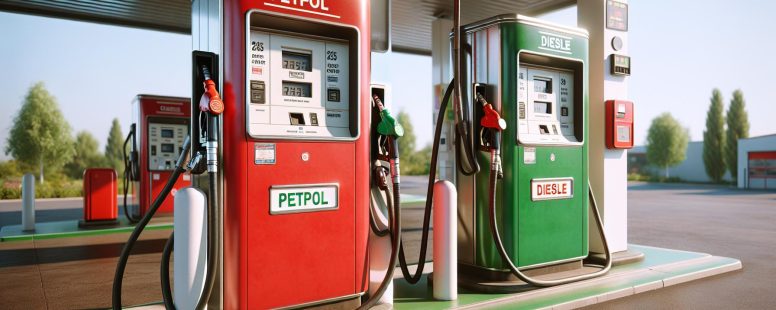
Picture this: you’re at the gas station, staring at two pumps—petrol and diesel. what truly sets them apart beyond their names? These fuels power millions of vehicles worldwide, yet they operate in surprisingly different ways. Understanding these differences could change how you view your daily drive or even influence your next vehicle purchase.
From the way they ignite to their impact on performance and efficiency, petrol and diesel each bring unique strengths to the table. Whether you’re chasing speed on open roads or prioritizing long-term savings, knowing which fuel aligns with your needs can make all the difference. So, why settle for guesswork when diving deeper could unlock smarter decisions?
Overview Of Petrol And Diesel
Petrol and diesel are the two primary fuels used in internal combustion engines. Both originate from crude oil but undergo different refining processes, leading to distinct properties that impact engine performance and efficiency.
Petrol, also known as gasoline, is lighter and more volatile than diesel. It has a lower energy density of approximately 34.2 MJ/L compared to diesel’s 38.6 MJ/L. This difference influences fuel consumption rates; petrol engines typically use more fuel per mile than diesel engines.
Diesel, on the other hand, contains higher energy content and releases more power per unit of fuel burned. Its high compression ratio enables better thermal efficiency in engines designed for heavier loads or long-distance travel.
The ignition process varies between these fuels too. Petrol relies on spark plugs to ignite the air-fuel mixture, whereas diesel ignites through compression alone due to its higher auto-ignition temperature (210°C–280°C). This fundamental difference affects engine design and maintenance requirements.
Emission profiles also differ significantly. Petrol produces fewer nitrogen oxides (NOx) but emits more carbon monoxide (CO), while diesel generates higher NOx levels along with particulate matter like soot if not equipped with proper filters.
Key Differences Between Petrol And Diesel
Understanding the differences between petrol and diesel helps in determining which fuel aligns better with your vehicle needs. These distinctions arise from their composition, efficiency, cost, and environmental impact.
Fuel Composition And Production
Petrol is a lighter hydrocarbon extracted through fractional distillation of crude oil. It contains compounds that evaporate easily, making it highly flammable. Diesel, on the other hand, is denser and less volatile due to its heavier hydrocarbons. This difference in molecular structure influences how each fuel burns within an engine.
Diesel undergoes additional refining to remove impurities like sulfur. For example, ultra-low-sulfur diesel (ULSD) has become standard in many countries to reduce emissions. Petrol’s refining process focuses more on optimizing octane levels for combustion stability.
Efficiency And Performance
Diesel engines deliver higher thermal efficiency because of their compression-ignition mechanism. They convert more energy from burning fuel into usable power compared to petrol engines. This makes them suitable for heavy-duty vehicles or applications requiring high torque output.
Conversely, petrol engines offer quicker acceleration due to their higher RPM capabilities. Sports cars like Ferraris often rely on petrol for performance-oriented designs prioritizing speed over long-term efficiency.
Cost And Availability
Diesel generally costs less per liter than petrol in many countries but varies depending on taxation policies and production factors. But, diesel vehicles often have higher upfront costs due to robust engine components designed for durability under stress.
In terms of availability, both fuels are widely accessible globally at fueling stations though some remote areas may favor one over the other based on regional demands or logistics constraints.
Applications Of Petrol And Diesel
Petrol and diesel serve distinct purposes across industries due to their unique properties. Their applications highlight differences in engine design, efficiency, and performance.
Common Uses Of Petrol Engines
Petrol engines dominate in personal transportation vehicles like cars, motorcycles, and scooters. These engines prioritize speed and smooth acceleration over load capacity. For instance, sports cars like the Ferrari 488 GTB use petrol engines to achieve high-performance outputs.
Smaller machines such as lawnmowers, chainsaws, and generators also use petrol for its ease of ignition and consistent performance. Because petrol is more volatile than diesel, it’s well-suited for applications requiring quick startups or lighter workloads.
Also, many compact aircraft rely on aviation gasoline (a specialized form of petrol) for operations where weight minimization is critical. While its volatility can increase risks during handling or storage, proper precautions make petrol indispensable for lightweight machinery.
Common Uses Of Diesel Engines
Diesel engines power heavy-duty vehicles such as trucks, buses, tractors, and construction equipment due to their superior torque output. They deliver strong pulling power needed for hauling heavy loads over long distances without sacrificing fuel efficiency. For example: Freightliner Cascadia trucks depend on diesel’s higher energy density to cover thousands of miles economically.
Marine vessels including cargo ships often run on diesel because it supports long operational hours with minimal refueling needs. Its dense composition reduces storage space requirements compared to less efficient fuels like petrol.
Industries also favor diesel-powered generators in off-grid sites or backup systems since they perform reliably under extended usage at varying loads. Equipment like bulldozers or cranes benefits from the durability of diesel engines designed for rigorous conditions.
Pros And Cons Of Petrol And Diesel
Understanding the pros and cons of petrol and diesel helps you evaluate which fuel aligns better with your needs. These factors impact cost, engine performance, and environmental effects.
Advantages And Disadvantages Of Petrol
Petrol engines offer smoother operation due to their lighter components and higher RPM capabilities. They produce less noise compared to diesel engines, making them ideal for city driving or personal vehicles like sedans and motorcycles. Quick acceleration in petrol cars enhances driving experience, especially in urban areas where stop-and-go traffic is common.
But, petrol’s lower energy density leads to higher consumption rates than diesel. Vehicles running on petrol typically require more frequent refueling during long trips. Also, these engines emit more carbon monoxide (CO), contributing significantly to greenhouse gases if not mitigated through advanced emission controls.
Advantages And Disadvantages Of Diesel
Diesel engines deliver superior fuel efficiency because of the high energy content in diesel fuel. This makes them suitable for long-distance travel or heavy-duty applications like trucks and buses. Their robust construction allows them to handle substantial loads without compromising performance. Diesel vehicles generally have a longer lifespan when maintained properly.
On the downside, diesel engines are noisier and tend to vibrate more than their petrol counterparts. They also release higher levels of nitrogen oxides (NOx) and particulate matter unless equipped with modern filters or after-treatment systems like SCR (Selective Catalytic Reduction). The upfront costs for purchasing a diesel vehicle might be higher due to its complex engineering requirements but could offset over time with savings on fuel economy.
Conclusion
Understanding the differences between petrol and diesel is essential for making informed decisions about your vehicle needs. Each fuel type offers unique advantages, whether you prioritize performance, efficiency, or long-term savings.
By evaluating factors like fuel composition, engine efficiency, environmental impact, and cost, you can determine which option aligns best with your driving habits and budget. Making the right choice ensures better performance and value for your investment.
To provide the best experiences, we use technologies like cookies to store and/or access device information. Consenting to these technologies will allow us to process data such as browsing behaviour or unique IDs on this site. Not consenting or withdrawing consent, may adversely affect certain features and functions.
Functional
Always active
The technical storage or access is strictly necessary for the legitimate purpose of enabling the use of a specific service explicitly requested by the subscriber or user, or for the sole purpose of carrying out the transmission of a communication over an electronic communications network.
Preferences
The technical storage or access is necessary for the legitimate purpose of storing preferences that are not requested by the subscriber or user.
Statistics
The technical storage or access that is used exclusively for statistical purposes.The technical storage or access that is used exclusively for anonymous statistical purposes. Without a subpoena, voluntary compliance on the part of your Internet Service Provider, or additional records from a third party, information stored or retrieved for this purpose alone cannot usually be used to identify you.
Marketing
The technical storage or access is required to create user profiles to send advertising, or to track the user on a website or across several websites for similar marketing purposes.