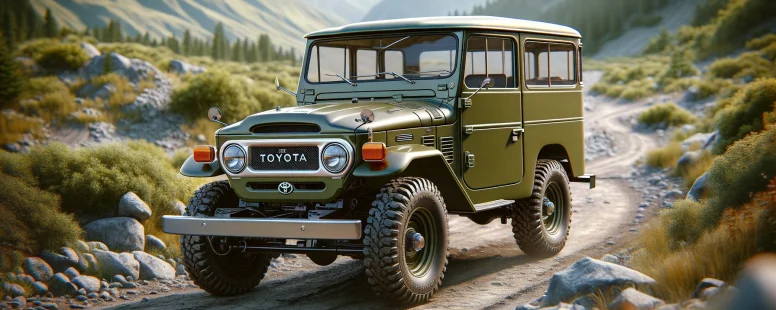
Ever wondered what sets the HJ45 apart from the FJ45? You’re not alone. These classic Toyota models have a cult following, but their subtle differences can be puzzling even to seasoned enthusiasts. In this article, we’ll dive into the nitty-gritty of what makes each model unique.
Whether you’re in the market for a vintage workhorse or just love digging into automotive history, understanding these differences is key. Get ready to explore the distinctive features, performance capabilities, and historical significance that define the HJ45 and FJ45. Keep reading to discover which of these iconic vehicles might be the right fit for your next adventure.
Differences Between HJ45 and FJ45
When diving into the specifics of the HJ45 and FJ45, it’s crucial to note that these models vary in both their engines and the roles they were designed to fulfill. Let’s start with their heart, the engine. The HJ45 was equipped with a H-series diesel engine, robust and known for its durability and fuel efficiency. This engine was a workhorse, well-suited for those of you who need a vehicle that can handle heavy loads and tough environments.
In contrast, the FJ45 housed the F-series petrol engine, offering more horsepower and a higher top speed, which translated into a smoother ride for those who prioritize performance and quicker acceleration. This petrol engine makes the FJ45 a great choice if you’re seeking a classic ride that has a bit more kick on the open road.
Consider their intended use. The HJ45 thrived as a commercial vehicle, often used in agricultural and industrial settings. Its design was utilitarian, focused on functionality over form. It’s the kind of truck that doesn’t mind getting dirty, perfect for those of you who want a reliable workhorse.
The FJ45, on the other hand, was more commonly seen as a personal vehicle, offering more creature comforts and a friendlier design for daily driving. With its petrol engine, it was also more commonly found in urban and suburban areas, where its performance could really shine.
The distinction in use is also apparent in the available body styles. The HJ45 came mostly in pickup and troop carrier configurations, tailored to those who needed the space for hauling equipment, while the FJ45 offered a wider range of body styles, including station wagons and soft-top models, catering to a more diverse crowd.
Keep these differences in mind when deciding which model fits your lifestyle. Whether it’s the rugged utility of the HJ45 or the versatile flair of the FJ45, each has its unique appeal.
Distinctive Features of HJ45
When delving into the distinctive features of the HJ45, it’s crucial to highlight its robust H-series diesel engine. This powertrain is a pillar of reliability, offering sustained performance under demanding situations that require towing and hauling. You’ll appreciate the engine’s ability to handle heavy-duty tasks without breaking a sweat.
Beyond its engine, the HJ45’s design caters to functionality over frills. With steel wheels and a rugged suspension system, this model stands as a testament to practical engineering. It’s built to traverse rugged terrain, making it an asset for those in the agricultural or construction sectors. If you’re faced with challenging road conditions or inclement weather, the HJ45 will prove to be a dependable companion.
The interior of the HJ45 is minimalistic, aimed at withstanding the wear and tear of a work vehicle. Controls are straightforward and easily accessible, ensuring that you won’t find yourself distracted by complex gadgets while navigating tough job sites. The seating is firm and durable, designed to hold up against the daily grind.
Utility is also a key aspect of the HJ45, with features such as a large payload capacity and versatile pickup bed. These attributes make it perfect for those whose work requires transporting materials. The troop carrier variant even offers additional seating, allowing for the transportation of crews to remote locations.
It’s clear that the HJ45 is tailored for endurance and practicality. From its engine to its interior, the focus remains on providing a vehicle that excels in challenging environments where reliability is non-negotiable. If your lifestyle or profession demands such resilience, the HJ45 could be exactly what you need.
Distinctive Features of FJ45
Performance and Comfort hit a high note in the Toyota FJ45. Unlike the HJ45’s diesel power, the FJ45 is fueled by a robust F-Series gasoline engine. This engine isn’t just about power; it’s also about the smoother ride that gasoline engines are known for. Picture yourself cruising with less vibration and a quieter cabin. That’s what makes the FJ45 a solid choice for daily driving and off-road adventures where comfort is just as important as capability.
Aesthetics set the FJ45 apart, with a design that blends ruggedness and classic style. You’ll find that the bodywork and interior echo a more civilian-friendly approach, catering to those of you who appreciate aesthetics alongside utility. The FJ45’s interior is a step up from the basic setup in the HJ45, boasting better materials and more attention to visual appeal.
When it comes to versatility, the FJ45 won’t fall behind either. It offers various body styles, like the HJ45, but with a key difference – they’re tailored for a broader scope of activities. Whether you’re keen on a road trip or heading off the beaten path, the FJ45’s configurations support both recreational and work-related needs.
Technology and Features are more advanced in the FJ45, reflecting its more modern stance. With advancements in vehicle tech during its production years, expect to find a more sophisticated dashboard and upgraded conveniences not present in the older HJ45.
Overall, the FJ45 represents a balanced mix of performance, style, and comfort. It’s designed for those who want a vehicle capable of tackling tough tasks without sacrificing the pleasures of driving. If you’re in the market for a classic Toyota that can do it all, give the FJ45 a good look. Consider how you’ll use your vehicle day-to-day and weigh it against what the FJ45 has to offer.
Performance Capabilities of HJ45
When you’re assessing the HJ45’s performance, understand that it’s a workhorse designed to conquer challenging terrains. It’s powered by a robust diesel engine known for its durability and longevity. This Toyota model is especially revered by enthusiasts for its raw strength and grit. Although it may not have the polish of more contemporary SUVs, it compensates with its ability to trudge through adverse conditions without faltering.
The HJ45 features a four-wheel-drive system, which gives you the grip and control necessary for off-roading adventures. This vehicle isn’t just tough; it’s built with functionality in mind. You can count on its rigid leaf spring suspension to handle heavy loads and uneven landscapes with ease. While the ride might be less comfortable than the FJ45, the HJ45’s resilience makes it a standout for those prioritizing pure utility over comfort.
Performance-wise, the HJ45’s engine may not give you rapid acceleration, but it offers a consistent torque delivery. This translates to reliable pulling power for towing and hauling. It’s an ideal choice if you need a vehicle that can perform well under constant strain, whether that’s at a construction site or on a remote trail.
Payload and Towing Capacity are also significant benefits of the HJ45. It’s been designed to handle the demand of carrying heavy gear and towing substantial loads, making it a practical option for hands-on tasks and journeys into less accessible areas.
As for fuel efficiency, diesel engines traditionally fare better than petrol ones in this realm, the HJ45 included. That means you’ll likely save more at the pump over the long haul, even if diesel prices fluctuate. While not a primary feature for most off-roaders, it’s a nice bonus that complements the vehicle’s overall rugged capabilities.
Keep in mind that the HJ45 isn’t about a luxurious ride; it’s about getting the job done. So if your expectations align with what this tough vehicle offers, you’ll find it a reliable partner for the most demanding tasks.
Performance Capabilities of FJ45
When you’re eyeing the FJ45, you’re looking at a vehicle designed not just for work but also for play. It’s armed with a gasoline engine that clocks in with impressive horsepower, making it quick off the mark and giving it the pep you need on various terrains.
The FJ45 isn’t shy when it comes to acceleration, thanks to its powerplant, and it cruises on highways with an ease that’s harder to come by in its HJ45 cousin. This model’s suspension is also tuned more towards comfort, which means less jostling on bumpy roads. With its upgraded ride quality, the FJ45 positions itself as a vehicle that’s as suitable for daily errands as it is for weekend adventures.
Payload and towing might take a backseat compared to the HJ45, but the FJ45 still holds its own. It’s capable enough to handle a decent amount of cargo, making it a practical choice for outdoor activities where you need to haul gear. With the right setup, towing a small trailer or boats isn’t out of the question either.
Off-road enthusiasts will find joy in the FJ45 as well. While it may not be the first choice for the most treacherous of paths, its four-wheel-drive system is robust enough for moderate trails. And when it comes to river crossings or muddy conditions, you’ll be thankful for the available locking differentials on certain models, providing that extra traction boost.
In terms of reliability, the gasoline engine in the FJ45 has its perks. It’s generally easier to maintain than its diesel counterpart, with less worry about the fuel quality you encounter. Plus, finding a mechanic familiar with gasoline engines is typically easier, making it a less daunting task if you’re faced with mechanical woes on your journey.
While the HJ45 excels in hardship, the FJ45 shines in versatility. It’s a jack-of-all-trades in the classic Toyota lineup, proving that sometimes, you can blur the lines between work-day hauler and weekend warrior without skipping a beat.
Historical Significance of HJ45
When you explore the lineage of Toyota’s iconic Land Cruiser, the HJ45 holds a special place in the history books. Introduced in the 1970s, this model solidified Toyota’s reputation for building sturdy and reliable off-road vehicles. The HJ45 was engineered to endure rigorous conditions, which was a testament to Toyota’s commitment to quality.
The robustness of the HJ45, paired with its diesel powerplant, made it an ideal workhorse for various industries. In rural settings, it became synonymous with dependability, often being the vehicle of choice for farmers and tradespeople who needed to navigate rough terrains. Its utilitarian nature didn’t just appeal to professionals; adventurers seeking to traverse less-traveled paths also favored the HJ45 for its simplicity and durability.
The HJ45’s design catered to functionality over flair. Its straightforward, no-nonsense aesthetic became iconic, making it instantly recognizable. This model was designed with a clear focus on practicality, which in turn gave it a timeless appeal. For car enthusiasts and collectors, the HJ45 isn’t just a vehicle; it’s a piece of automotive history that represents Toyota’s enduring legacy.
Over the years, the HJ45 has garnered a loyal following. The model’s long production run is evidence of its success and the high regard in which it is held. To this day, the HJ45 remains highly sought after in the secondhand market, not only for its historical significance but for the functionality and the spirit of adventure it embodies.
Historical Significance of FJ45
While the HJ45 earned its stripes with rugged dependability, the FJ45 marked a significant stride in Toyota’s design and engineering ideologies. Introduced during the era when consumer expectations were shifting, the FJ45 responded to the call for vehicles that were not only tough but also comfortable and stylish. This model became an icon, merging utility with a level of refinement that had been uncommon in utility vehicles of its time.
The FJ45 didn’t just transport people and goods; it transported Toyota’s image into a new realm, bridging the gap between rough-and-ready workhorses and the more civilized recreational vehicles emerging in the market. It was a precursor to the SUV boom, positioned as a go-anywhere vehicle that didn’t compromise on aesthetics. With its versatile body styles, including pickups and wagons, it catered to a broader audience, from adventurers to families.
Collectors now chase the FJ45 for its classic style and the nostalgia it represents. It’s a touchstone to an adventurous era in automotive history, often restored to pristine condition by enthusiasts. While it may not have the blunt force resilience of its HJ series cousin, it stands out for its pioneering blend of form and function that pushed the boundaries of traditional vehicle design in its era.
The FJ45 also made technological leaps forward, integrating features that would lay the foundation for future innovation. Toyota’s commitment to quality and durability remained uncompromised, with the FJ45 retaining the robustness expected of the brand’s off-road lineage. Its legacy is most evident in the later Land Cruiser models that have continued to evolve while paying homage to the trailblazing FJ45.
Which Model Is Right for You?
When you’re weighing your options between the HJ45 and FJ45, think about what matters most in your vehicle. If rugged durability and towing power top your list, the HJ45’s robust diesel engine makes it a standout choice. With its reputation for longevity even in the toughest conditions, you’ll get a workhorse that’s ready for demanding tasks.
Conversely, if you prefer a ride that’s smooth, offers a bit of luxury, and is less noisy, the FJ45 should be your go-to. The gasoline engine provides quick acceleration and a gentle driving experience. Moreover, its interior craftsmanship speaks volumes about the quality. This model isn’t just about function; it’s about enjoying the journey as well.
HJ45 – Choose this for:
Heavy-duty work
Exceptional engine life
Superior off-road capabilities
FJ45 – Opt for this if:
Comfort is a priority
You want a stylish design
Technology and convenience are important
Both models present unique approaches to the classic off-roader theme, with the FJ45 taking the lead in modern features while the HJ45 retains the old-school, rugged appeal. For those interested in the collector market, the FJ45’s historical significance might tip the scales due to its iconic place in Toyota’s legacy.
Anyone eyeing a vehicle like the HJ45 or FJ45 is looking for more than just transport; they’re investing in a piece of history. Whether for work, play or a mix of both, there’s a Land Cruiser out there that fits the bill. As you continue to explore, remember your priorities – utility, comfort, legacy – and you’re sure to find the model that aligns with your needs.
Conclusion
Deciding between the HJ45 and FJ45 comes down to what you value most in a vehicle. If your heart is set on robust performance and tackling tough terrain, the HJ45’s diesel power and ruggedness won’t disappoint. But if you’re after a ride that blends comfort with style, the FJ45’s luxurious touches and sleek design might just win you over. Both models carry the Land Cruiser legacy, each with its unique flair and purpose. Remember, it’s your preferences in utility, comfort, and the vehicle’s history that’ll guide you to the perfect Land Cruiser for your adventures.
To provide the best experiences, we use technologies like cookies to store and/or access device information. Consenting to these technologies will allow us to process data such as browsing behaviour or unique IDs on this site. Not consenting or withdrawing consent, may adversely affect certain features and functions.
Functional
Always active
The technical storage or access is strictly necessary for the legitimate purpose of enabling the use of a specific service explicitly requested by the subscriber or user, or for the sole purpose of carrying out the transmission of a communication over an electronic communications network.
Preferences
The technical storage or access is necessary for the legitimate purpose of storing preferences that are not requested by the subscriber or user.
Statistics
The technical storage or access that is used exclusively for statistical purposes.The technical storage or access that is used exclusively for anonymous statistical purposes. Without a subpoena, voluntary compliance on the part of your Internet Service Provider, or additional records from a third party, information stored or retrieved for this purpose alone cannot usually be used to identify you.
Marketing
The technical storage or access is required to create user profiles to send advertising, or to track the user on a website or across several websites for similar marketing purposes.