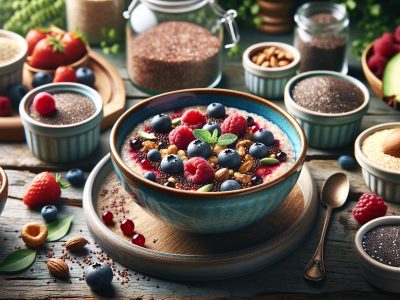
Imagine waking up to the comforting aroma of a warm, hearty breakfast that promises to nourish your body and soul. As you reach for that familiar bowl, you might wonder about the subtle yet significant differences between oats and oatmeal. While they may seem interchangeable, these two breakfast staples have distinct characteristics that can impact your meal’s texture and taste.
Understanding Oats and Oatmeal
Oats and oatmeal hold a special place on breakfast tables. While oats serve as the primary ingredient, oatmeal results from processing these oats. Grains like oats undergo milling to remove inedible parts. Whole oats, for example, maintain their integrity with bran and germ intact. This impacts their cooking time, often requiring longer periods than more processed forms.
Oatmeal encompasses various types like instant, quick, and rolled varieties. Instant oats, precooked and dried, prepare rapidly, often in minutes. Quick oats, which are rolled thinner, also cook swiftly. Rolled oats, but, retain a hearty texture and nutty flavor due to minimal processing.
Nutritionally, oats and oatmeal pack essential fibers and nutrients. Almost 4 grams of fiber exist in a typical serving. Vitamin B, iron, and magnesium contribute to their health benefits. Studies link oats consumption with benefits such as lower cholesterol levels.
Eventually, the choice between oats and oatmeal can depend on time constraints or texture preferences. If you enjoy a chewier texture, rolled oats might be your preference. For faster preparation, consider instant varieties.
Types of Oats
Oats come in several types, each with distinct characteristics affecting flavor, texture, and cooking time.
Whole Oats
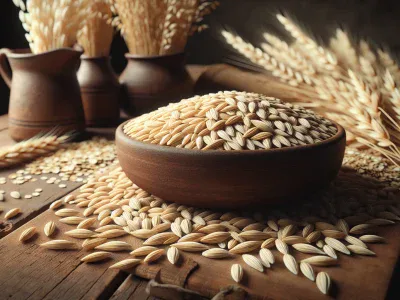
Whole oats, or oat groats, are the least processed form of oats. These oats retain their bran and germ, ensuring maximum nutritional value. Due to their density, they require longer cooking times than other types. Use whole oats in hearty dishes like pilafs for a chewy texture.
Steel-Cut Oats
Steel-cut oats, sometimes called Irish oats, are whole oats sliced into smaller pieces. This results in a coarse texture and a nutty flavor. They take about 20-30 minutes to cook. Steel-cut oats work well in breakfasts where you want a chewy consistency.
Rolled Oats
Rolled oats are whole oats that are steamed and then flattened. This process shortens cooking time while maintaining flavor. You’ll often find rolled oats in granola bars, cookies, and classic oatmeal recipes. They cook in about 5-10 minutes.
Instant Oats
Instant oats are pre-cooked and dried, making them the fastest option. They have a fine texture and can turn mushy if overcooked. Instant oats are suitable for quick breakfasts and require only hot water for preparation. Different flavors are often added to enhance variety.
Nutritional Differences
Understanding the nutritional differences helps determine the best choice between oats and oatmeal for your diet and preferences. Both provide essential nutrients, but their processing can influence nutrient retention.
Macronutrients
When considering macronutrients, oats and oatmeal share similarities but vary in composition. Whole oats offer about 16.9 grams of protein, 66.3 grams of carbohydrates, and 6.9 grams of fat per 100 grams. This balance provides sustained energy and supports muscle maintenance. Oatmeal, often made from processed oats, might slightly differ in macronutrient content due to processing methods, which sometimes result in reduced fiber.
Nutrient
Whole Oats
Oatmeal
Protein (g)
16.9
Slightly less
Carbohydrates (g)
66.3
Comparable
Fat (g)
6.9
Slightly less
Micronutrients
Micronutrients in oats and oatmeal include essential vitamins and minerals. Oats are a good source of B vitamins, iron, and magnesium. The bran contains the majority of these nutrients, so whole oats retain more vitamins than processed oats. But, oatmeal still maintains significant micronutrient content and is enhanced during fortification in commercial products.
Both forms are rich in iron, crucial for red blood cell production, and magnesium, essential for enzyme function. Vitamin B1 (thiamine), found in oats, plays a vital role in converting food into energy. Even though milling, oatmeal retains antioxidants like avenanthramides, which help reduce inflammation.
Understanding these nutritional differences enables informed choices about incorporating oats and oatmeal into your diet.
Cooking Methods
Cooking oats and oatmeal involves different techniques, which can impact the final texture and taste of your dish.
Preparing Oats
Oats, in their various forms like whole oats and steel-cut oats, require different cooking methods due to their structure. Whole oats, also known as oat groats, usually need a long simmering time. For a more subtle flavor, you can cook them in water or milk, adjusting the liquid for a nuttier taste. Steel-cut oats offer a chewier texture. Bring water to a boil, add oats, then simmer for 20-30 minutes. Stir occasionally to avoid sticking. This slow process might test your patience, but the rich aroma and hearty flavor make it worthwhile.
Preparing Oatmeal
Oatmeal varieties like rolled oats, quick oats, and instant oats demand less cooking time. Rolled oats cook in about 5-10 minutes. Combine them with boiling water or milk, stir until creamy, and enhance flavor with spices like cinnamon or vanilla. Quick oats simplify the process even further, softening in just a few minutes with hot liquids. Instant oats offer an ultra-fast option; add hot water and stir. Be cautious with cooking time, as overcooking can lead to a mushy texture, which some might not prefer.
Health Benefits
Oats and oatmeal offer a range of health benefits, making them excellent additions to your diet. Rich in nutrients, both forms contribute significantly to overall well-being.
Heart Health
Oats can improve heart health, primarily due to their high beta-glucan content. This soluble fiber aids in lowering LDL (bad) cholesterol levels, reducing the risk of heart disease, says studies by the American Journal of Clinical Nutrition [1]. Consuming just three grams of beta-glucan daily, found in a bowl of oatmeal, might significantly lower cholesterol and promote cardiovascular health.
Digestive Health
Oats support digestive health due to their fiber content. They promote regular bowel movements and prevent constipation, making them essential for gut health. The presence of insoluble fiber in oats encourages faster transit time and increases stool bulk, which can ease digestion. For those looking to maintain a healthy digestive system, oats are a valuable dietary component.
[1]: Oats and cardiovascular health: A critical review of the health evidence. The American Journal of Clinical Nutrition.
Conclusion
Choosing between oats and oatmeal eventually comes down to your personal preferences and dietary needs. Whether you’re drawn to the hearty texture of whole oats or the convenience of instant oatmeal, both options provide a nutritious start to your day. By understanding the differences in processing and nutritional content, you can make informed decisions that align with your lifestyle. Embrace the versatility of oats and oatmeal as you explore various recipes and cooking methods to suit your taste. Enjoy the health benefits they offer, from heart health to digestive support, and savor the comfort of a warm, nourishing meal.
Last Updated: August 11, 2025 at 7:24 am by Ellie B, Site owner & Publisher
To provide the best experiences, we use technologies like cookies to store and/or access device information. Consenting to these technologies will allow us to process data such as browsing behaviour or unique IDs on this site. Not consenting or withdrawing consent, may adversely affect certain features and functions.
Functional
Always active
The technical storage or access is strictly necessary for the legitimate purpose of enabling the use of a specific service explicitly requested by the subscriber or user, or for the sole purpose of carrying out the transmission of a communication over an electronic communications network.
Preferences
The technical storage or access is necessary for the legitimate purpose of storing preferences that are not requested by the subscriber or user.
Statistics
The technical storage or access that is used exclusively for statistical purposes.The technical storage or access that is used exclusively for anonymous statistical purposes. Without a subpoena, voluntary compliance on the part of your Internet Service Provider, or additional records from a third party, information stored or retrieved for this purpose alone cannot usually be used to identify you.
Marketing
The technical storage or access is required to create user profiles to send advertising, or to track the user on a website or across several websites for similar marketing purposes.