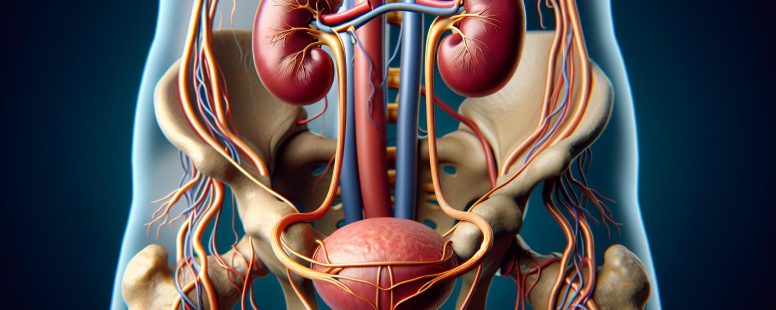
Imagine your body as a well-orchestrated symphony, where every organ plays a crucial role in maintaining harmony. Among the many unsung heroes, the ureter and urethra are vital components of your urinary system, working tirelessly to ensure waste leaves your body efficiently. While their names sound similar, their functions couldn’t be more distinct.
Have you ever wondered why these two structures are often confused? It’s easy to mix them up, but understanding their differences can give you a clearer picture of how your body operates. Whether it’s the ureter’s role in transporting urine from your kidneys or the urethra’s job as the final passageway, each has a unique purpose. Knowing these differences isn’t just fascinating—it can also help you better understand your health.
Overview Of The Urinary System
The urinary system removes waste products and maintains fluid balance in your body. It includes the kidneys, ureters, bladder, and urethra, each playing a specific role in filtering and excreting waste. Understanding how these parts interact improves your knowledge of essential bodily functions.
Kidneys filter blood, removing toxins and excess water to form urine. Connected to the kidneys, the ureters are narrow tubes that transport urine to the bladder. They rely on peristalsis, a wave-like muscle contraction, to push urine efficiently. For example, if kidneys produce urine consistently, ureters ensure its flow regardless of your position.
The bladder stores urine until it’s convenient to excrete it. Its elastic walls let it expand, signaling your brain when it’s nearly full. The urethra, a muscular tube, completes the urinary process by carrying urine out of your body. Urethra length varies by sex, with males having longer urethras linked to both urinary and reproductive systems.
Each component of the urinary system works seamlessly. Damage or dysfunction in one part, like a blocked ureter or a weakened bladder muscle, disrupts this balance, leading to health issues. Learning these connections helps recognize early signs of potential problems. Be careful cause even slight disruptions might affect overall waste elimination.
What Is A Ureter?
The ureter is a critical component of your urinary system that connects the kidneys to the bladder, ensuring urine transportation. Each person has two ureters, one attached to each kidney.
Structure Of The Ureter
The ureter is a tubular structure measuring approximately 10-12 inches in adults. It’s composed of three layers: the innermost mucosa, a muscular middle layer, and an outer fibrous tissue. The walls are elastic and muscular, allowing effective contraction and expansion. These tubes have narrow areas called constrictions, which can be locations for kidney stones to get stuck.
The ureters are lined with transitional epithelium, a type of tissue designed to withstand urine’s fluctuating volume and corrosive properties. Their placement runs retroperitoneally, meaning they’re located behind the peritoneum—the lining of your abdominal cavity.
Function Of The Ureter
Ureters function by transporting urine from the kidneys to the bladder using peristalsis—wave-like muscle contractions. This process ensures a one-way flow, preventing backward movement of urine, which can cause infections or kidney damage. Urine flows drop by drop into the bladder through the ureterovesical junction, a valve-like area preventing reflux.
For example, when you’re dehydrated, less urine is produced, leading to reduced ureteral activity, while hydration increases urine flow, keeping the ureters constantly active.
What Is A Urethra?
The urethra is a tube responsible for expelling urine from the bladder out of your body. It’s the final segment of the urinary system and varies in length and structure between males and females.
Structure Of The Urethra
The urethra’s structure differs based on sex due to anatomical variations. In males, it measures about 8 inches, consisting of prostatic, membranous, and spongy segments. These segments are surrounded by different tissues, including the corpus spongiosum. Female urethras, comparatively shorter at 1.5-2 inches, are simpler and straight, lined with stratified squamous epithelium.
Its walls contain mucosa and muscular layers, facilitating flexibility and control. The external urethral sphincter aids in voluntary control, preventing accidental leakage. Differences in length, like the male’s extended urethra, provide additional support against infections, whereas females face a higher risk of urinary tract infections (UTIs).
Function Of The Urethra
The urethra’s primary role is to transport urine from the bladder to the external urethral orifice for excretion. In males, it serves a dual function since it also carries semen during ejaculation. Sphincters regulate the flow of urine, and surrounding muscles contract orchestrating emptying processes.
Structural variances directly impact the urethra’s function. For example, shorter female urethras allow pathogens easier access to the bladder, increasing infection susceptibility. Meanwhile, male urethras’ additional role in reproduction highlights their multi-functional purpose.
Key Differences Between Ureter And Urethra
Understanding the key differences between the ureter and urethra helps clarify their distinct roles and contributions within the urinary system. Even though their similar names, these two structures vary significantly in location, function, and size.
Location And Anatomy
The ureters are paired tubular structures located between the kidneys and the bladder. Each ureter measures 10-12 inches and consists of three layers: mucosa, muscular, and fibrous tissue. The transitional epithelium lining allows it to handle varying urine volumes safely.
In contrast, the urethra begins at the bladder’s base and extends outward to the body’s exterior. Male urethras, about 8 inches long, pass through the prostate and penis, while female urethras, much shorter at 1.5-2 inches, open just above the vaginal opening. Internal and external sphincters along the urethra aid in controlling urine flow.
Role In The Urinary System
The ureters act as a transport conduit. They carry urine produced by the kidneys to the bladder using rhythmic contractions called peristalsis. This one-way flow system safeguards against infections and kidney damage.
The urethra, but, provides the final excretory pathway. In males, it serves a dual role by also acting as a passage for semen during ejaculation. Females rely solely on their urethra for urine elimination. A short urethral length in females increases susceptibility to infections such as urinary tract infections (UTIs).
Length And Size
Precision in size distinguishes the ureters from the urethra. Ureters maintain a consistent diameter of roughly 4-6 mm along their length. Their length remains proportional between individuals of varying sizes.
Conversely, the urethra’s size shows greater variability, determined by sex and anatomical factors. Men’s urethras include three specialized segments: prostatic, membranous, and spongy regions, each adapted for their dual functionality. Female urethras, which are simpler in structure, support basic urinary excretion. These variations in length and complexity have important implications for medical treatments like catheter insertion.
Importance Of Understanding These Differences
Recognizing the differences between the ureter and urethra enhances your understanding of the urinary system’s functionality. When you know how each structure operates, you’re better able to identify potential problems, like infections or blockages, and seek timely medical attention. This awareness supports maintaining overall urinary health and preventing complications.
Knowing these differences assists healthcare professionals in providing accurate diagnoses and treatments. For instance, ureteral obstructions require different interventions compared to urethral disorders. Misinterpreting symptoms linked to these structures could prolong discomfort or worsen health issues.
Understanding these distinctions also clarifies the impact of anatomical variations. For example, the female urethra’s shorter length contributes to a higher urinary tract infection risk, a common health challenge. By understanding this, you’re more likely to adopt preventive strategies like proper hydration and hygienic practices.
Familiarity with the urinary system’s structure empowers informed decisions during medical procedures. For example, catheter insertion processes differ depending on whether the ureter or urethra is involved. A precise understanding reduces errors and enhances procedural success.
Conclusion
Understanding the differences between the ureter and urethra gives you valuable insights into how your urinary system works as a whole. Each component plays a unique role in maintaining your body’s balance and eliminating waste efficiently.
By recognizing these distinctions, you’re better equipped to identify potential health concerns and seek timely medical care when needed. Staying informed about your anatomy not only promotes better health but also helps you make smarter decisions during medical treatments or procedures.
To provide the best experiences, we use technologies like cookies to store and/or access device information. Consenting to these technologies will allow us to process data such as browsing behaviour or unique IDs on this site. Not consenting or withdrawing consent, may adversely affect certain features and functions.
Functional
Always active
The technical storage or access is strictly necessary for the legitimate purpose of enabling the use of a specific service explicitly requested by the subscriber or user, or for the sole purpose of carrying out the transmission of a communication over an electronic communications network.
Preferences
The technical storage or access is necessary for the legitimate purpose of storing preferences that are not requested by the subscriber or user.
Statistics
The technical storage or access that is used exclusively for statistical purposes.The technical storage or access that is used exclusively for anonymous statistical purposes. Without a subpoena, voluntary compliance on the part of your Internet Service Provider, or additional records from a third party, information stored or retrieved for this purpose alone cannot usually be used to identify you.
Marketing
The technical storage or access is required to create user profiles to send advertising, or to track the user on a website or across several websites for similar marketing purposes.