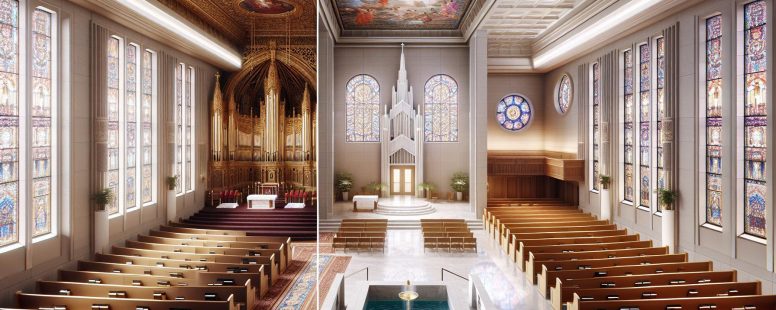
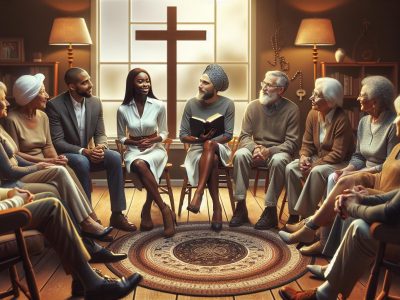
Imagine standing at the crossroads of two rich spiritual traditions, each offering a unique world of beliefs and practices. On one side, the centuries-old Catholic Church, with its grand cathedrals and deep-rooted rituals, invites you to explore a faith steeped in history. On the other, the Church of Jesus Christ of Latter-day Saints, commonly known as the Mormon Church, presents a vibrant and evolving faith, woven with modern revelations and a pioneering spirit.
As you investigate into the world of Catholicism and Mormonism, you’ll uncover fascinating contrasts and surprising similarities. Both religions share a foundation in Christianity, yet their interpretations of scripture, views on authority, and paths to salvation diverge in captivating ways. Whether you’re seeking to understand these differences for personal growth or academic curiosity, this exploration promises to illuminate the distinct yet interconnected journeys of these two influential faiths.
Overview of Mormonism
Mormonism, formally known as the Church of Jesus Christ of Latter-day Saints, emerged in the 19th century. Its growth reflects its dynamic teachings and distinct practices.
Origins and Foundational Beliefs
The origins of Mormonism traces back to the early 1800s, when Joseph Smith founded the religion. He reported visions of God and Jesus Christ, which formed the church’s core beliefs. It’s centered on the idea that God’s revelations continues through prophets even today.
Key Scriptures and Texts
Mormons regard several texts as sacred, with the Book of Mormon being paramount. This scripture, which Smith claimed to have translated, complements the Bible and outlines the journey of ancient peoples in the Americas. Doctrine and Covenants and the Pearl of Great Price also play crucial roles in guiding members’ faith and practices.
Organizational Structure
Mormonism’s organizational structure is hierarchal, led by a prophet and twelve apostles. Local congregations, known as wards, are led by bishops. The entire church emphasizes volunteer leadership, with members contributing time and resources to serve their communities.
By providing a blend of history, beliefs, and structure, you gain a comprehensive view of Mormonism’s unique place within the broader Christian context.
Overview of Catholicism
Catholicism, as one of the oldest branches of Christianity, carries profound historical significance and extensive religious practice. It offers deep spiritual traditions developed over millennia, centered around the teachings of Jesus Christ.
Historical Background and Beliefs
The Catholic Church traces its origins to Jesus and his apostles, considering Saint Peter as the first pope. Beliefs include the Holy Trinity, the divinity of Jesus, original sin, and salvation through faith and good works. Catholics also emphasize the seven sacraments, like Baptism and Eucharist, as vital components of spiritual life.
Sacred Texts and Traditions
Catholic doctrine relies on the Bible and Sacred Tradition. The Bible, comprising the Old and New Testaments, serves as the primary text, while traditions encompass centuries-old rituals and teachings passed down through generations. Key rituals include Mass, celebrated worldwide, and the Rosary, a meditative prayer practice involving contemplation on the life of Christ and Virgin Mary.
Hierarchical Structure
A distinct hierarchical structure marks the Catholic Church, with the Pope at the top as the spiritual leader. Below him, Cardinals, Bishops, and Priests manage various ecclesiastical duties. Each parish, led by a priest, connects with the worldwide Church, ensuring unity and continuity. This structure aims to bring followers together in a shared faith experience while maintaining adherence to the Church’s teachings.
Theological Differences
Catholicism and Mormonism present distinct theological perspectives, even though sharing a Christian foundation. These differences span concepts of God, salvation, and church leadership.
Concepts of God and the Trinity
Mormonism and Catholicism differ significantly in their understanding of God. While Catholics uphold the doctrine of the Holy Trinity—one God in three persons: Father, Son, and Holy Spirit—Mormons view the Godhead as three distinct beings: God the Father, Jesus Christ, and the Holy Ghost. In Mormon thought, these figures stand unified in purpose rather than substance.
Views on Salvation and Sacraments
Salvation sees contrasting interpretations between the two faiths. Catholics believe in salvation through faith, grace, and participation in sacraments such as Baptism and the Eucharist. In contrast, Mormon doctrine emphasizes faith in Jesus, repentance, baptism, the gift of the Holy Ghost, and enduring to the end as key components for salvation.
Role of Prophets and Church Leaders
Church leadership differs markedly. Catholics view the Pope as the supreme earthly leader and believe in apostolic succession, ensuring continuity from the apostles. Mormons, but, believe in ongoing revelation through modern prophets, with their church led by a prophet and a quorum of twelve apostles, echoing early church organization.
Both religions emphasize a structured hierarchy and spiritual guidance, but they attribute authority and revelation differently, shaping their distinct theological landscapes.
Practices and Rituals
Examining the practices and rituals within Mormonism and Catholicism reveals distinct approaches that reflect each faith’s values and traditions.
Worship Services
Catholic worship services, known as Mass, occur regularly and center around the Eucharist. Attending Mass is integral for Catholics, providing spiritual nourishment and community belonging. You hear readings from the Bible followed by a sermon, culminating in the bread and wine consecration. Adoration and hymns form a melodic backdrop to these sacred gatherings.
Mormon worship services, held on Sundays, revolve around the Sacrament Meeting. These gatherings include hymns, prayers, and testimonies from church members. You would notice that the Sacrament, similar to Catholic Communion, involves bread and water and serves as a renewal of baptismal covenants. Lessons and discussions often occur in smaller groups after this meeting, fostering active participation and learning.
Sacraments and Ordinances
Catholicism’s seven sacraments—such as Baptism, Confirmation, and Eucharist—mark pivotal spiritual moments. Each sacrament signifies a divine grace, guiding Catholics through life’s spiritual journey. For instance, the sacrament of Reconciliation offers a path to forgiveness and spiritual renewal.
In contrast, Mormon ordinances like Baptism, Confirmation, and Marriage are essential for salvation and exaltation. Baptisms for the dead reflect the belief in offering salvation to those who didn’t receive it in life. Ordinances function as sacred commitments, enabling you to progress spiritually within the faith.
Missionary Work and Outreach
Missionary work plays a pivotal role in Mormon religious life. Young men and women often serve missions to spread the teachings of Jesus Christ. Wearing recognizable attire, they engage communities worldwide, focusing on scripture study, service, and conversion. You’re encouraged to engage in community service and outreach efforts.
Catholic outreach emphasizes social justice and charity through organizations like Catholic Relief Services. While missionary work isn’t as structured, individual and group efforts aim to meet the physical and spiritual needs of the global community. Volunteering and supporting charitable events embody Catholic compassion and the mission to serve others.
Cultural and Community Life
In examining the cultural and community life of Mormon and Catholic communities, distinct traditions and values emerge. Both faiths emphasize family, communal gatherings, and global outreach while nurturing unique cultural identities.
Family Values and Social Gatherings
Catholics and Mormons place immense importance on family. For Mormons, family is central to faith and daily life. Family Home Evening is a weekly event focused on bonding through prayer, scripture study, and family activities. This practice strengthens familial ties and spiritual growth.
Catholics, likewise, uphold family as a foundational institution. Community life revolves around parish events, which offer opportunities for families to engage in social, spiritual, and charitable activities, fostering unity within the church community.
Holidays and Celebrations
Celebrations highlight cultural heritage in both faiths. Catholics observe liturgical calendars with major events like Easter and Christmas centered around Jesus’s life. These holidays include Masses, feasts, and community gatherings that celebrate core beliefs and traditions.
Mormons celebrate events like Pioneer Day, marking the arrival of Mormon pioneers in the Salt Lake Valley. This holiday often includes parades, reenactments, and festivities that honor the perseverance and legacy of early church members.
Global Presence and Demographics
Catholicism, with over 1 billion adherents, has a significant global impact. Present in most countries, its demographic diversity reflects widespread cultural integration and influence. The Pope’s role fortifies its international unity and continuity.
Mormonism, although newer, has grown rapidly, now with over 16 million members globally. Missions play a pivotal role in expanding the church’s presence and increasing its cultural influence worldwide, notably in North and South America.
Both religions contribute uniquely to global cultural exchanges, with Catholicism’s historical depth and Mormonism’s dynamic growth. Each enriches their members’ lives through vibrant community engagement and extensive cultural practices.
Conclusion
Understanding the differences between Mormonism and Catholicism can deepen your appreciation for the rich world of Christian faiths. Each offers unique perspectives on theology, scripture, and community life, reflecting their distinct origins and traditions. Whether you’re exploring these religions for personal growth or academic interest, recognizing their unique contributions can enhance your knowledge and respect for diverse spiritual practices. Both faiths continue to shape the lives of millions worldwide, underscoring the profound impact of religious beliefs on individuals and societies.
To provide the best experiences, we use technologies like cookies to store and/or access device information. Consenting to these technologies will allow us to process data such as browsing behaviour or unique IDs on this site. Not consenting or withdrawing consent, may adversely affect certain features and functions.
Functional
Always active
The technical storage or access is strictly necessary for the legitimate purpose of enabling the use of a specific service explicitly requested by the subscriber or user, or for the sole purpose of carrying out the transmission of a communication over an electronic communications network.
Preferences
The technical storage or access is necessary for the legitimate purpose of storing preferences that are not requested by the subscriber or user.
Statistics
The technical storage or access that is used exclusively for statistical purposes.The technical storage or access that is used exclusively for anonymous statistical purposes. Without a subpoena, voluntary compliance on the part of your Internet Service Provider, or additional records from a third party, information stored or retrieved for this purpose alone cannot usually be used to identify you.
Marketing
The technical storage or access is required to create user profiles to send advertising, or to track the user on a website or across several websites for similar marketing purposes.