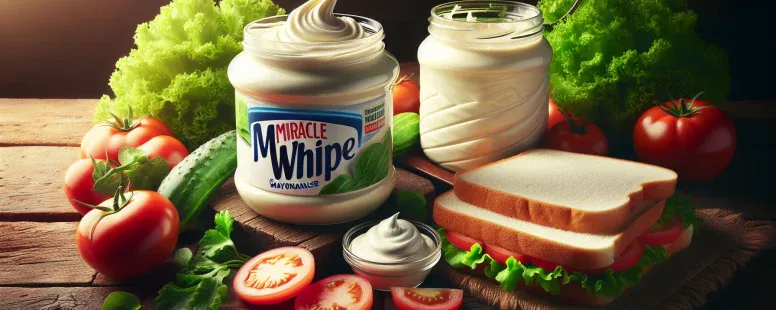
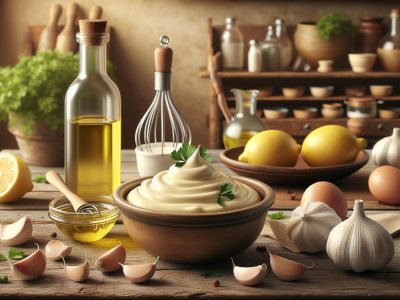
Picture a sunlit picnic table—crisp lettuce, juicy tomatoes, and the promise of the perfect sandwich. But as you reach for a creamy spread, you pause. Which jar do you grab? The familiar, velvety mayonnaise or the zesty, tangy Miracle Whip? That decision can transform your meal from classic comfort to a flavor adventure.
You might think they’re interchangeable, but there’s a world of difference in taste, texture, and even what’s inside each jar. Some swear by mayo’s rich smoothness, while others crave the unexpected kick of Miracle Whip. Your choice could unlock surprising benefits, from lighter calories to a punchier bite. Ready to discover which spread truly belongs on your plate? The answer might just surprise your taste buds.
Overview of Miracle Whip and Mayo
Miracle Whip and mayo both claim a rightful place in American refrigerators, but your taste buds often quickly tell them apart. Miracle Whip, introduced by Kraft in 1933 during the Chicago World’s Fair, features a sweet, tangy burst and a fluffier texture—almost like you just invited a citrusy cloud to your tuna salad. Mayo, but, sticks to classic roots with a simple blend of eggs, oil, and vinegar or lemon juice, producing a creamy, neutral backbone for any sandwich or potato salad.
You might wonder, why does Miracle Whip taste brighter? It’s the added sugar and spices—like paprika and garlic powder. The FDA sets rules: only products with at least 65% vegetable oil get to call thereselves “mayonnaise.” Miracle Whip falls beneath this mark, making it a “dressing.” Picture Olive Garden’s zesty Italian dressing but thick and sweetened—that gives you a sense of what Miracle Whip brings to the table.
Picture a backyard barbecue, grandma reaching for “real mayo” for her deviled eggs while your uncle lobs Miracle Whip into his pasta salad, confidently claiming, “this’s the secret ingredient.” Offices split camps over which spread belongs on a club sandwich, sometimes igniting lunchtime debates as heated as sports rivalries. Which do you reach for when craving childhood nostalgia vs. sharp, modern tang?
Questions often come up around calories. One tablespoon of Miracle Whip Classic contains about 40 calories and 3.5g fat, while mayo often runs 90 calories and 10g fat, according to USDA data. Do less fat and fewer calories matter more to you than a silky mouthfeel? That’s a trade-off to consider.
Chefs sometimes insist on the emulsion stability of mayonnaise for aioli or dressings, stating brands like Hellmann’s® or Duke’s® provide predictable texture and flavor—a must for culinary consistency (Food Network, 2022). Miracle Whip fans, on the other hand, value the punchy profile for retro recipes—weirdly, it made appearances in some 1950s dessert dishes. Would your kitchen ever see apple salad with Miracle Whip, raisins, and walnuts?
Every fridge tells a story of flavor allegiance, each sandwich echoes preferences, and eventually—choosing Miracle Whip or mayo means picking a side in an ongoing culinary dialogue tracking decades of American taste evolution.
Key Ingredients Comparison
Every sandwich spread tells a story through its ingredients—what’s in the jar shapes everything from flavor explosions to the memories you taste with every bite. By breaking down Miracle Whip and mayo at the ingredient level, you get a clearer sense of why each behaves and tastes differently on your tongue or in your favorite recipes.
Mayonnaise Ingredients
Mayonnaise combines a few universal staples: eggs, oil, vinegar or lemon juice, and often salt. FDA standards require at least 65% vegetable oil in commercial mayonnaise. You spot basic entities like egg yolks—which serve as the emulsion’s backbone—alongside canola or soybean oil for richness. Some brands add mustard or sugar, but those tweaks stay subtle, never dominating. The classic Kraft Mayo at your grocery store uses whole eggs and distilled vinegar, balancing sharpness and cream. In a food processor, when oil streams slowly into yolk and acid, a metamorphosis occurs—emulsion magic, holding shape like silk, with no added stabilizers. Chefs, in bustling kitchens, trust mayo for its predictability in cold salads and aioli. If you’ve ever wondered why a BLT with mayo just tastes timeless, it’s that understated balance rooted in centuries-old technique, first described by culinary scholars like Larousse (see: Larousse Gastronomique) and codified in US food law.
Miracle Whip Ingredients
Miracle Whip rewrites that classic formula, adding new semantic entities and a dash of nostalgia. Unlike plain mayo, it lands with water, high fructose corn syrup, and a “zesty blend” of spices (think paprika, garlic powder, and mustard flour) among its top ingredients—these change everything. Miracle Whip includes less oil, which is why it doesn’t qualify as real mayonnaise by FDA guidelines. The reduced oil gets replaced with modified cornstarch and xanthan gum, which builds a fluffy, stable texture. Real-world anecdotes show this in action—next time, ask your aunt why her deviled eggs taste brighter at the church picnic: odds are, she snuck in Miracle Whip. That flash of sweetness, especially in 1970s-era casseroles, comes from the added sugars and spices. Kraft’s invention arose during the Great Depression to offer affordable flavor, and some folks have sworn by its tang for generations, especially in classic Midwest potluck recipes.
Ingredient
Typical in Mayonnaise
Typical in Miracle Whip
Egg yolks
Yes
Yes
Vegetable oil (65%+)
Yes
Lower proportion
Vinegar/Lemon juice
Yes
Yes
Water
Rare
Yes
Sugar/High fructose corn syrup
Sometimes
Yes
Mustard flour/spices
Sometimes
Yes (distinct blend)
Modified cornstarch/Xanthan gum
Rare
Yes
Packaging old memories and family stories right into every bite, each spread delivers a different experience. If you scoop mayo with a knife, notice the way it clings and glistens—that’s pure emulsion meeting culinary tradition. If you dip a spoon in Miracle Whip, catch that fluffier bounce; it’s a different dance altogether, born in the factories of innovation and everyday kitchen experiments. Asking which is “better” might spark a family debate—yet knowing these ingredient truths arms you with flavor confidence, whatever kitchen path you choose.
Taste and Texture Differences
Taste in spreads tells a story, just as grandma’s kitchen did when she let you lick the spoon after mixing egg salad. Texture sets the mood—it’s the handshake between your bread and what goes inside your sandwich. If you’ve ever wondered how Miracle Whip’s zing stacks up against traditional mayo’s mellow embrace, you’re in for a flavorful tale.
Flavor Profiles
Miracle Whip and mayonnaise—their flavors perform like rival musicians at a food festival, each trying to win your bites. Miracle Whip bursts with tang, harnessing high fructose corn syrup and a mystery blend of spices (including paprika, garlic powder, and mustard flour) to punch the palate. Mayo, according to the FDA and brands like Hellmann’s, carries a gentle richness from eggs and oils, letting acidic hints of vinegar or lemon linger without stealing the spotlight.
Have you ever tried both on turkey sandwiches? Mayo keeps everything grounded, adding understated depth, but Miracle Whip adds its own sweet electricity. Chefs on Food Network say mayo makes the best blank canvas for sriracha or pesto, while Miracle Whip brings its own show to retro potato salads. So, who’s right—does lunch call for creamy balance or peppy tang? Your sandwich memories probably hold the answer.
Consistency and Spreadability
Texture in spreads can make you eat twice as slow or twice as much. Grab a knife and test these: mayonnaise spreads silkily, forming smooth layers like satin on toast. It’s dense, because of the high oil content—think 65% vegetable oil, a fact drawn straight from U.S. regulatory definitions. Miracle Whip, in contrast, feels lighter and fluffier, less viscous thanks to added water and stabilizers like modified food starch (see Kraft ingredients lists).
Try making a BLT on fresh sourdough. Miracle Whip might spread so fast it slides off, while mayo’s structure stays put. In picnic salads, mayo creates a glossy coat around pasta, while Miracle Whip clings airy, blending quickly with spices. The debate even divides households: a 2021 Reddit poll found 42% of users preferred mayo’s spreadability, but 33% praised Miracle Whip’s easy mixing in coleslaw.
Ever wondered if texture shapes your taste? Next time, let the feel on your tongue influence your choice—the difference isn’t just flavor, it’s a whole mouth experience.
Nutritional Comparison
When you grab a sandwich, the difference between Miracle Whip and mayo isn’t just a matter of taste—it’s a question of what’s inside that creamy layer riding shotgun with your turkey or ham. Consider the label a roadmap of hidden surprises, each spread revealing a different nutritional story for your lunch break.
Calorie and Fat Content
Looking at calorie and fat numbers, mayonnaise and Miracle Whip stand at opposite ends of the nutritional spectrum. Mayo, like the kind from Hellmann’s or Duke’s, packs about 90 calories and 10 grams of fat per tablespoon (USDA, 2022). Think of it as the marathon runner of condiments: rich, energy-dense, and slow-burning. Miracle Whip, meanwhile, steps in at about 40 calories and 3.5 grams of fat per tablespoon, according to Kraft’s official data. For anyone watching macros, that’s less than half the calories. Ever trade a full-throttle sports car for a zippy scooter? That’s the energy swap you make between mayo and Miracle Whip.
Product
Calories per Tbsp
Total Fat per Tbsp (g)
Mayonnaise
90
10
Miracle Whip
40
3.5
That doesn’t make Miracle Whip the clear-cut winner, though. Mayo’s fats are mostly unsaturated, coming from vegetable oils—an asset if you’re following heart-health advice from the American Heart Association. Miracle Whip uses less oil, which is why it’s technically a “dressing” per FDA guidelines, but that lighter profile comes with its own set of tradeoffs.
Added Sugars and Preservatives
Explore the sweetness in Miracle Whip and you’ll quickly find the ghost in the machine: high fructose corn syrup and sugar. Every spoonful holds roughly 2 grams of sugar—just enough to push your taste buds toward dessert territory. Mayo, on the other hand, usually contains less than 1 gram of sugar, sometimes none at all. So, if you’re thinking of keeping blood sugar steady, this difference matters.
Preservatives are the silent chemistry lab inside both jars. Miracle Whip boasts ingredients like potassium sorbate and calcium disodium EDTA for freshness, while classic mayonnaise keeps the list shorter—mainly eggs, oil, vinegar and salt. Are you the kind who reads every label at the grocery store? These invisible additives might factor into your shopping choice.
If you landed at a family reunion and watched Aunt Linda insist Miracle Whip is the only thing to hold her Waldorf salad together, the reason could be those added flavors and preservatives keeping her potato salad tasting like 1985. Mayo, with its minimal ingredient list, has a loyal following among home cooks who want fewer surprises and more control.
Does picking Miracle Whip or mayo make you health-conscious? Or flavor-forward? Or maybe both? Check the label, think about your own priorities, and ask what matters to you—the story written on every sandwich is yours to tell.
Culinary Uses and Versatility
Culinary uses for Miracle Whip and mayonnaise shape your kitchen confidence. Understanding these spreads’ versatility gives you the leverage to unlock new layers of flavor.
Popular Uses for Mayonnaise
Mayonnaise lets you play the role of culinary architect in both classic and creative dishes. You get to build the foundation of creamy chicken salads, rich coleslaw, and deviled eggs—the sort that show up at family reunions or July 4th picnics every year. Mayo famously anchors aioli, dressing up burgers with garlic, or becoming the hidden layer in grilled cheese sandwiches for that luminous golden crust.
Chefs from Thomas Keller, known for his insistence on “mayo-only” potato salad at French Laundry, to local home cooks use it as a flavor balancer. For instance, you spreading it on fresh corn, rolling in cotija and chili powder, can transform a cookout side into elote-inspired street food. Blending mayo with sriracha, you create a tangy topping for sushi or fries—think of the menu at Pok Pok in Portland, which credits much of its fusion appeal to such emulsion-driven innovations. Ever try using mayo in chocolate cake? Serious Eats published a recipe that proved its creamy-fatty nature led to a moister crumb than oil or butter alone.
Popular Uses for Miracle Whip
Miracle Whip sparks debates at potlucks, yet it has a cult following among lovers of bold, sweet-tangy flavor. You often see it starring in crowd-pleasing retro recipes: potato salads from mid-century cookbooks, carrot-and-pineapple salads found at Southern church suppers, or as the “secret sauce” that grandma quietly added to her ham sandwiches. The sweet, spicy undertones come alive in cole slaw for barbecue, where a chef at Memphis’s Central BBQ described its “zippy edge” as a game-changer for slaw-topped brisket sandwiches.
Curious cooks experiment with Miracle Whip in modern recipes, like slathering it on grilled chicken before a paprika rub, which creates a caramelized crust. The dressing acts as a binder in casseroles, such as those green bean bakes where its spices quietly elevate the flavor above plain mayo. Miracle Whip’s sugar and vinegar punch even lets you mix up fast dressings for pasta salads—the sort your friends will ask about at every summer potluck (“There’s something different here…what’s your secret?”).
May you find that both mayo and Miracle Whip, while their fan bases clash like rival football teams, offer unique bridges to taste memories and chart new directions in your meals.
Price and Availability
Strolling through grocery aisles anywhere in the US, you’ll likely spot both mayonnaise and Miracle Whip lining the chilled condiment shelves, their labels like loyal banners in a never-ending flavor rivalry. You might’ve noticed that price tags often tip in Miracle Whip’s favor. For instance, a 30-ounce jar of traditional mayo from brands like Hellmann’s or Duke’s usually fetches about $5.69 at Kroger, while Kraft Miracle Whip of the same size consistently runs $4.39 (Kroger, 2023). These price quirks can spark questions: is it only about manufacturing costs, or does brand loyalty work its silent magic? Picture shoppers in small Midwestern towns—many recall their grandma’s potato salad as a Miracle Whip masterpiece handed down over Sunday lunches, a memory that nudges the jar into their cart regardless of a few cents saved.
Some urban supermarkets, especially on the coasts, allocate more shelf space to specialty mayos than to Miracle Whip. Japanese Kewpie, vegan spreads like Just Mayo, and olive oil–based varieties crowd the mayo section, reflecting regional palates and, sometimes, health trends. Would a lifelong Miracle Whip fan in Seattle find her favorite spread in stock? Sometimes not. Conversely, in the American South and Midwest, grocery stores from Publix to Hy-Vee keep Miracle Whip fixtures, acknowledging the dressing’s cultural roots and persistent demand.
Online grocery shops like Amazon and Walmart.com expand your options but also highlight price gaps and promotional bursts. During grilling season, jars of both Miracle Whip and mayonnaise often go on sale around Memorial Day and July 4th, which is a time when backyard chefs stock up for deviled eggs and burgers. Yet, availability spikes and drops, too. In 2022, supply chain hiccups led to sporadic mayo shortages, while Miracle Whip, thanks to Kraft’s centralized production, tended to appear more reliably on shelves (Forbes, 2022).
Here’s a snapshot:
Spread
Price (30 oz., 2023)
Regional Availability Examples
Hellmann’s Mayo
$5.69
Nationwide big box stores, coastal supermarkets
Kraft Miracle Whip
$4.39
Midwest, South, major online grocers
Specialty Mayo
$6.00+
Urban/health stores, select coasts
Stories from food forums often reveal deeper dynamics—like a Reddit user who drove 30 miles to snag the last Miracle Whip in her county when a sandwich craving struck, or another who discovered an artisan mayo at a Brooklyn market for $10, setting off fierce debates about taste versus tradition. Does a budget-minded college student in rural Arkansas debate between Miracle Whip and mayo, or is it simply a matter of what’s on offer after a hectic week?
With price and availability inextricably tied to nostalgia, geography, and shifting food trends, your spread decision sometimes feels less like shopping and more like casting a vote for family history or future experiments. Which label lands in your basket says as much about where you are as who you are—and maybe, where you’re heading next time the sandwich craving strikes.
Conclusion
Whether you reach for Miracle Whip or mayo, your choice says a lot about your taste and what you want from your food. Every sandwich and salad is an opportunity to experiment, explore, and enjoy the unique qualities each spread brings to the table.
Let your palate guide you as you try new recipes or revisit old favorites. There’s no right or wrong answer—just the one that makes your meal memorable and satisfying.
Published: July 25, 2025 at 9:11 am by Ellie B, Site owner & Publisher
To provide the best experiences, we use technologies like cookies to store and/or access device information. Consenting to these technologies will allow us to process data such as browsing behaviour or unique IDs on this site. Not consenting or withdrawing consent, may adversely affect certain features and functions.
Functional
Always active
The technical storage or access is strictly necessary for the legitimate purpose of enabling the use of a specific service explicitly requested by the subscriber or user, or for the sole purpose of carrying out the transmission of a communication over an electronic communications network.
Preferences
The technical storage or access is necessary for the legitimate purpose of storing preferences that are not requested by the subscriber or user.
Statistics
The technical storage or access that is used exclusively for statistical purposes.The technical storage or access that is used exclusively for anonymous statistical purposes. Without a subpoena, voluntary compliance on the part of your Internet Service Provider, or additional records from a third party, information stored or retrieved for this purpose alone cannot usually be used to identify you.
Marketing
The technical storage or access is required to create user profiles to send advertising, or to track the user on a website or across several websites for similar marketing purposes.