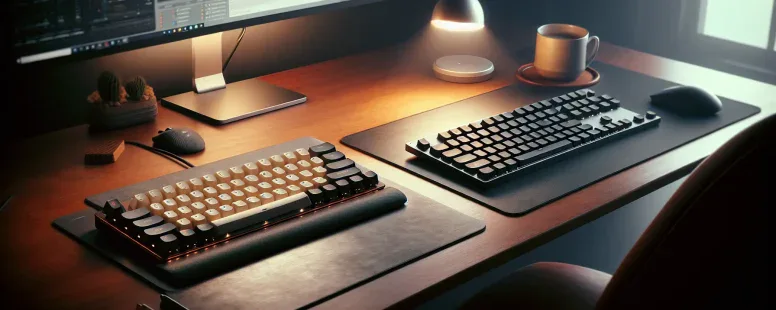
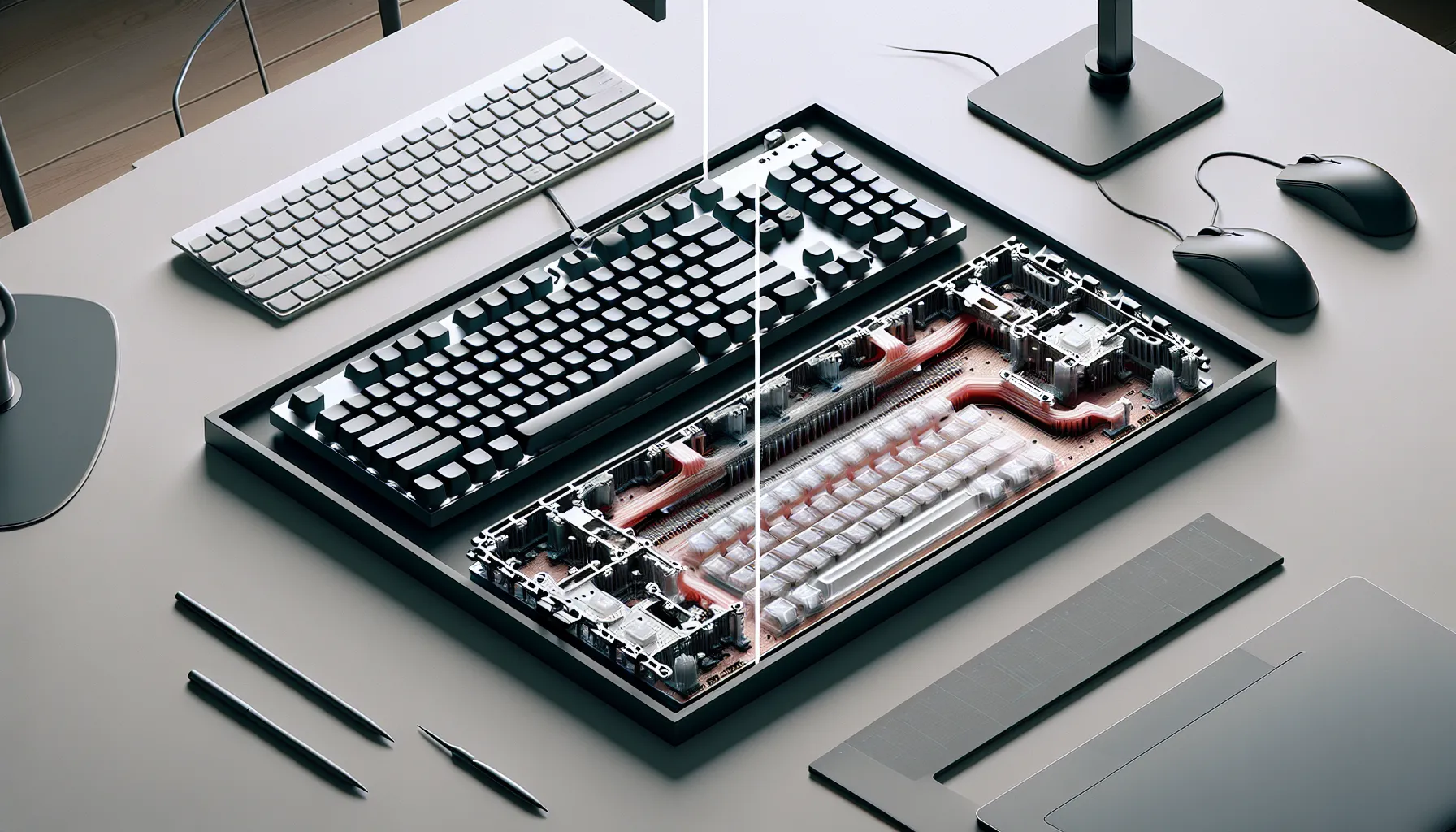
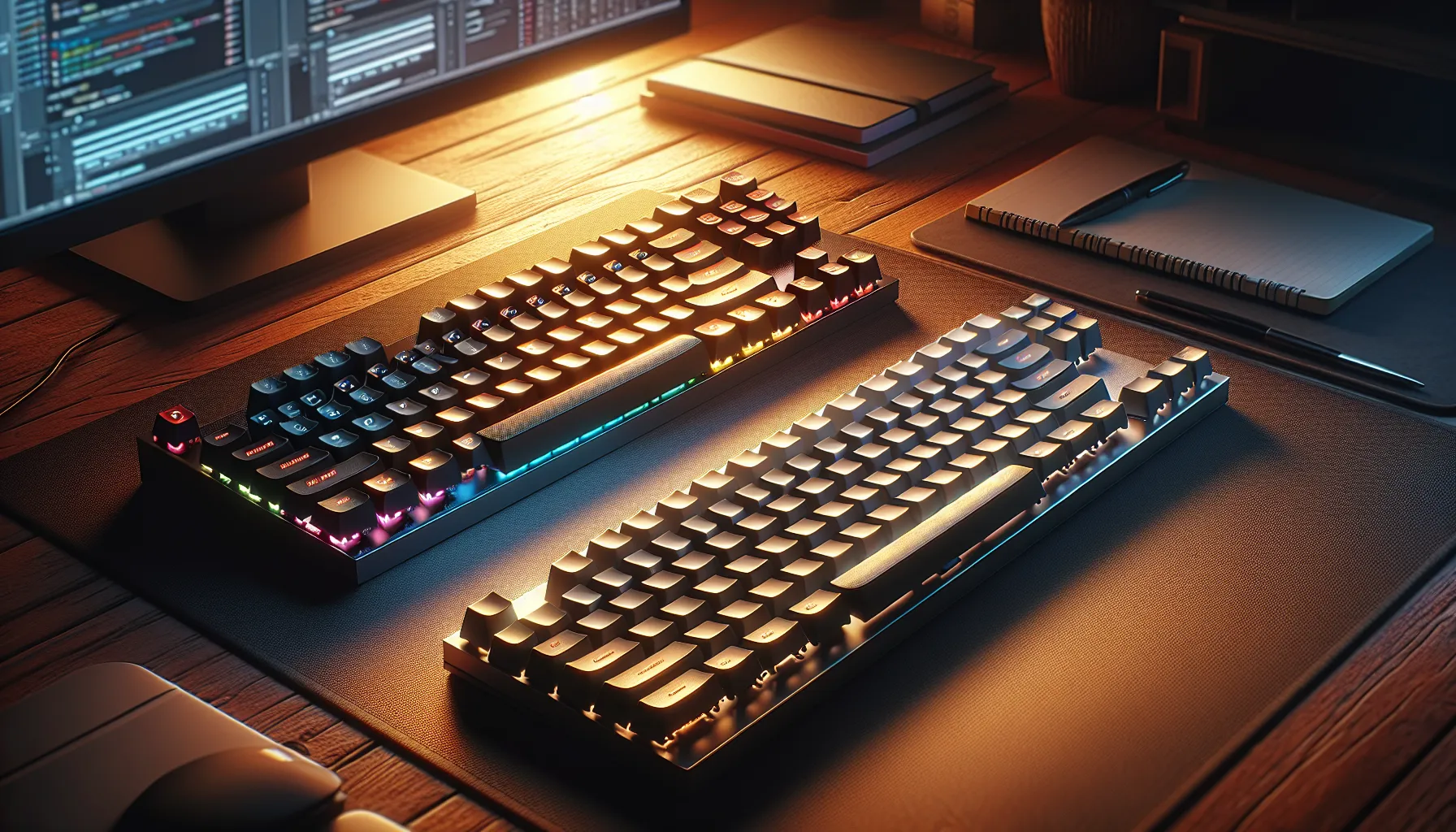
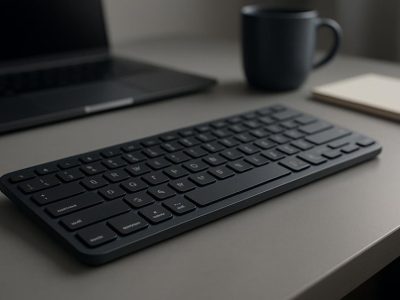
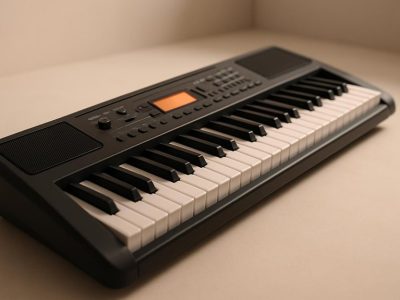
Keyboards are an essential tool in our daily interactions with technology, whether for work, gaming, or casual browsing. But, selecting the right one can feel overwhelming, especially with options like mechanical and membrane keyboards. These two keyboard types differ significantly in build, functionality, and user experience. By understanding these differences, you can make an informed choice tailored to your needs.
Definition of Keyboard Types
Overview of Mechanical Keyboards
Mechanical keyboards use individual mechanical switches underneath each key, providing tactile feedback and audible clicks, preferred by many users for a satisfying typing experience.
Overview of Membrane Keyboards
Membrane keyboards, on the other hand, leverage a flexible membrane layer that conducts electric signals when pressed. These models are lighter, quieter, and often more compact compared to their mechanical counterparts.
Key Components and Mechanisms
Switch Technology in Mechanical Keyboards
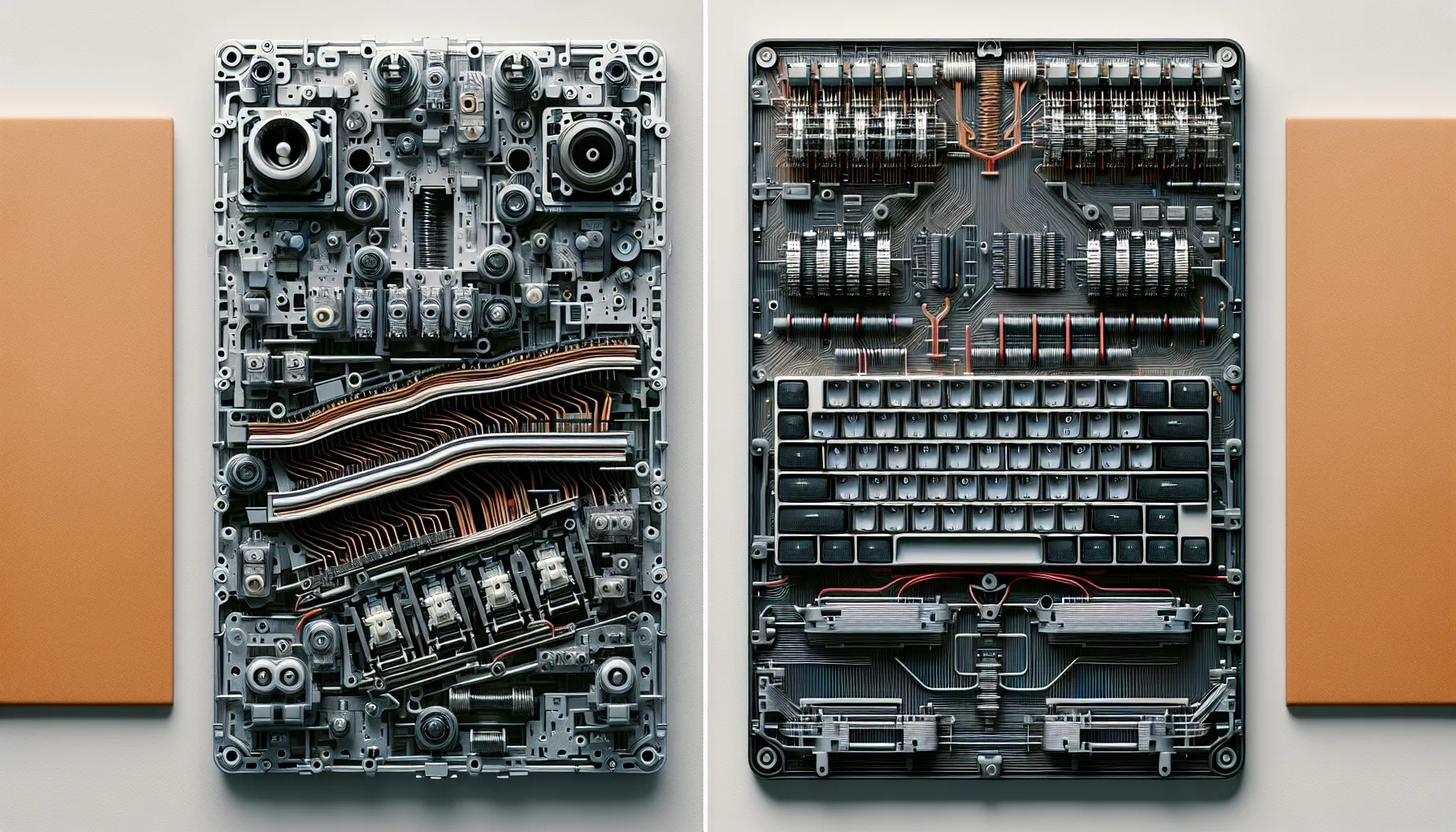
Mechanical keyboards are built with high-quality switches, such as Cherry MX or other specialized types. These switches offer distinct feel and travel characteristics, catering to users’ diverse preferences.
Membrane Layer Design in Membrane Keyboards
Membrane keyboards are structured with a pressure-sensitive layer where keypresses register upon contact. This simplifies the design but can lead to less consistent tactile feedback and shorter durability.
Performance and User Experience
Typing Response and Feedback
Mechanical keyboards are renowned for their responsive keystrokes and customizability, often allowing key actuations to be tailored for specific needs. Conversely, membrane keyboards provide a quieter but less pronounced typing experience.
Durability and Lifespan
Mechanical keyboards typically last longer, often exceeding 50 million keypresses, whereas membrane keyboards may experience wear and diminished responsiveness after extended use.
Suitability for Various Applications
Gaming and Professional Use
For gaming and professional environments that demand precision and reliability, mechanical keyboards are often the preferred choice, offering customizable macro keys and quick actuation settings.
Casual and Office Use
Membrane keyboards are more suitable for general office tasks and casual use due to their quiet operation and lower cost, making them accessible to a wide audience.
Price and Maintenance Considerations
Cost Implications
Mechanical keyboards are typically more expensive due to their complex switch mechanisms. Membrane keyboards, in contrast, are more budget-friendly, appealing to those seeking basic functionality.
Cleaning and Upkeep
Mechanical keyboards tend to be easier to clean, as their keys can often be removed individually. Membrane keyboards may require more delicate cleaning processes to avoid damage.
To provide the best experiences, we use technologies like cookies to store and/or access device information. Consenting to these technologies will allow us to process data such as browsing behaviour or unique IDs on this site. Not consenting or withdrawing consent, may adversely affect certain features and functions.
Functional
Always active
The technical storage or access is strictly necessary for the legitimate purpose of enabling the use of a specific service explicitly requested by the subscriber or user, or for the sole purpose of carrying out the transmission of a communication over an electronic communications network.
Preferences
The technical storage or access is necessary for the legitimate purpose of storing preferences that are not requested by the subscriber or user.
Statistics
The technical storage or access that is used exclusively for statistical purposes.The technical storage or access that is used exclusively for anonymous statistical purposes. Without a subpoena, voluntary compliance on the part of your Internet Service Provider, or additional records from a third party, information stored or retrieved for this purpose alone cannot usually be used to identify you.
Marketing
The technical storage or access is required to create user profiles to send advertising, or to track the user on a website or across several websites for similar marketing purposes.