Picture your body as a finely tuned orchestra, each movement a symphony of muscles, bones, and the hidden cords that hold it all together. When you leap, stretch, or simply reach for your morning coffee, there’s a silent partnership at work—one that most people overlook. what keeps your joints stable while your muscles pull with effortless grace?
Peek beneath your skin and you’ll find ligaments and tendons—two unsung heroes with surprisingly distinct roles. Understanding how they differ not only deepens your appreciation for your body’s design but also unlocks secrets to injury prevention and faster recovery. Get ready to discover the intriguing realm where strength meets flexibility, and find out why knowing the difference can give you a real advantage in fitness and everyday life.
Overview of Ligaments and Tendons
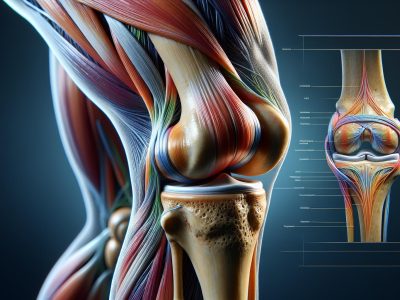
Understanding the difference between ligaments and tendons lets you see how your movements work under the surface. Ligaments, which act like sturdy bands, connect bones to other bones at joints. For example, your knee has four key ligaments: the anterior cruciate ligament (ACL), posterior cruciate ligament (PCL), medial collateral ligament (MCL), and lateral collateral ligament (LCL). These provide stability when you’re jumping, twisting, or simply walking up stairs. Unlike tendons, ligaments don’t stretch much—like tough seatbelts, they keep your joints from popping out of place, and you might not even realize they’re at work until you twist your ankle.
Tendons, on the other hand, fasten muscles to bones. If you flex your biceps, the tendon at your elbow is pulling the forearm up, like a cable lifts an elevator. Common examples include the Achilles tendon at your heel and the patellar tendon at your knee. These strong, rope-like tissues transmit the force from contracting muscles, letting you run, jump, or even play the violin—you ever wondered how Olympic sprinters launch themselves down the track? It starts with tendons launching the feet against the ground.
Ligaments and tendons may seem quite similar, but only tendons handle the force needed for movement, whereas ligaments are guarding the range-of-motion boundaries. What happens if they fail? Ligament sprains are common in sports like soccer, when a sudden twist can cause the ACL to tear, it echoes through news headlines every season (NIH, 2021). Tendon injuries, like Achilles ruptures, ended careers for athletes such as Kobe Bryant. Would you notice if a ligament quietly stretched too far, or would a sharp pain warn you instantly?
If you examine a chicken leg, its shiny white cords are tendons, tugged every time the muscle moves. The canvas-like sheaths deeper inside the joint are ligaments. You can palpate your own patellar tendon right below the kneecap—try it now—contrast that with the feeling of the tight rope at your ankle joint; that’s the ligament holding things steady.
Musculoskeletal medicine uses MRI and ultrasound to spot subtle ligament and tendon injuries. Surgical repairs for torn ligaments usually involve grafts, which restore joint stability but require months of rehab, whereas tendon repairs focus on restoring smooth muscular movements. Has anyone told you that, without these two tissue types, concert pianists wouldn’t dance their fingers across keys and marathoners wouldn’t chase the finish line?
Structure
Connects
Key Example
Function in Movement
Injury Type
Ligament
Bone to bone
ACL in knee
Joint stability, restricts movement
Sprain, tear
Tendon
Muscle to bone
Achilles tendon, biceps
Transfers muscle force, enables motion
Strain, rupture
Some researchers argue about which plays a bigger role in injury rates: Are lax ligaments inherited, or do training techniques overload tendons? Studies in The American Journal of Sports Medicine (2022) suggest athlete training volume influences tendon health, while genetic factors may set ligament strength limits. How does your training routine shape your musculoskeletal foundation?
Reflecting on how both ligaments and tendons shape your every step, grip, and jump makes you rethink what it means to move intentionally.
Structure and Composition
Structure and composition set ligaments and tendons apart, revealing key differences in how you move and stay stable. Unique collagen patterns and cellular arrangements give each tissue distinct properties needed for their roles in your joints and movement.
Ligament Structure
Ligaments bind bone to bone at joints, forming a flexible yet tough structure. Dense bundles of collagen fibers run in crisscross or wavy patterns, increasing joint stability and resistance to stretching. Fibroblast cells manage collagen repair, though limited blood supply slows healing for injuries like ACL tears (Johns Hopkins Medicine). For example, your knee’s MCL prevents sideways displacement, working as a tightly woven safety belt around the joint. With layers of parallel and oblique fibers, ligaments adapt to pressure from different angles, but overstretching—such as in contact sports—can led to sprains or ruptures.
Tendon Structure
Tendons tether muscle to bone, channeling strength for movement. Long, parallel collagen fibers—like tightly packed wires—give tendons high tensile strength, letting them withstand the pulls of powerful muscles (National Institutes of Health). Tendon cells called tenocytes organize collagen repair, aided by a better, but still modest, blood supply than ligaments. The Achilles tendon, the body’s thickest tendon, lets you run and jump by acting like a coiled spring. Injuries often occur from overuse, such as running uphill, which can result chronic pain if the fibers become degenerative.
Understanding where structure meets function lets you appreciate how every step, jump, or twist depends on these silent connectors. How much do your ankle’s ligaments or your shoulder’s tendons matter in your daily balance? These questions hint at why protecting and maintaining these tissues shapes your ability to move confidently.
Functions in the Human Body
Every movement you make, from a sprint across the field to waving at a friend, relies on the seamless choreography of ligaments and tendons. These structures let your body balance agility and support, weaving together strength and flexibility at every joint.
Role of Ligaments
Ligaments connect bones to bones, holding your joints like seatbelts across a rollercoaster track. Without ligaments like the ACL or the ulnar collateral ligament, your knees or elbows would wobble, threatening every landing or pitch. Stability isn’t a backdrop—it’s the main stage for activities like jumping, twisting, or just walking down the stairs. Think of a soccer goalie lunging sideways; the MCL keeps that knee from buckling. If you didn’t have ligaments, could you trust every footfall? Stability means confidence with every step, even if you don’t consciously notice it.
Medical imaging studies (NIH, 2021) show that ligament injuries such as sprained ankles often haunt athletes, but everyday slips can stretch or tear these “bone connectors”, too. You might wonder: If ligaments sacrifice flexibility for strength, how come joints don’t freeze? The answer sits in their semi-elastic collagen arrangement, allowing just enough give. Genetics, your training routine, and previous injuries all affect ligament resilience—have you noticed people who seem “double-jointed”? , their ligaments simply stretch a bit extra, sometimes making them more prone to injury.
Role of Tendons
Tendons anchor muscle to bone, acting like cables pulling a drawbridge. Whenever you grip a coffee cup or leap upward, your tendons translates muscle energy directly into movement. The Achilles tendon, the thickest in your body, handle loads up to 12.5 times your body weight during a sprint (Mayo Clinic, 2022). Legendary sprinter Usain Bolt’s success depends as much on his tendons’ snap as his muscles’ power. If a tendon frays—a common fate for the rotator cuff or the tennis player’s elbow—the smallest gesture can spark pain.
Even though their strength, tendons often pays a price for their workload. Repetitive stress, especially from sports like basketball or volleyball, can lead to microtears. Ever known a runner plagued by Achilles tendinitis? That inflammation means the tendon’s collagen fibers are struggling to mend, not unlike worn ropes on a suspension bridge. While rest aids tendon repair, age and blood flow can slow the healing. Even elite athletes can face career-defining setbacks if their tendons fail to rebound. whether those thick blue veins crisscrossing your wrists are tendons? Unlike blood vessels, tendons move visibly as you flex your hands—a performance you can witness anytime.
Understanding the unique orchestration between ligaments and tendons can make you rethink how you move, train, and recover. Would you trust a bridge with loose bolts or fraying ropes? Your body’s “connectors” deserve the same attention—an insight that could reshape your next workout or the way you recover from an injury.
Key Differences Between Ligament and Tendon
You probably move through the day never noticing the contrast between a ligament and a tendon—yet every step you take is powered by these unique connectors. Picture them as the unsung conductors in your body’s orchestra: ligaments anchoring and stabilizing, tendons driving every crescendo of motion.
Anatomical Location Differences
Ligaments sit at joints and connect bone to bone, acting like sturdy bands in knees, elbows, wrists, and ankles. When you twist your knee during a game or trip on uneven ground, it’s the cruciate ligaments inside—the ACL or PCL—that strain to keep bones aligned. You’ll also find ligaments like the nuchal ligament along your neck, holding your head steady like guide ropes on a ship’s mast.
Tendons anchor muscles to bones, acting as thick cables that transfer muscle power. Picture flexing your calf to leap: your Achilles tendon, the largest in your body, snaps taut and launches you upward. The rotator cuff tendons, weaving around your shoulder, make actions like throwing a baseball or reaching overhead possible. If you poke the inside of your wrist, you feel the flexor tendons—thin, powerful strands working with every finger twitch.
These connections aren’t just anatomical trivia. They define where injuries are likeliest to strike; you hear of “sprained ankle ligaments” but “torn Achilles tendon,” never the other way around.
Functional Differences
Ligaments function as stabilizers in joint mechanics, almost like security guards at the door. Their taut, strap-like construction restricts excessive sideways or twisting movements, protecting you from dislocations when your ankle rolls or your elbow hyperextends. Picture skiing downhill without your ligaments—joints would wobble dangerously, unable to constrain momentum.
Tendons act as cables, transmitting force from muscle contractions to bones, creating movement. When you grip a doorknob, your finger flexor tendons pull bones in a ballet of micro-adjustments, transforming muscle energy into motion. Unlike ligaments, tendons stretch only slightly, preventing wasted movement and ensuring efficient energy transfer, critical for runners and weightlifters who rely on explosive power.
Without this functional split, coordination collapses. You’d be like an orchestra with two conductors issuing different cues—chaos, rather than the smooth symphony of controlled motion.
Healing and Injury Differences
Ligament injuries often appear as sprains, usually caused by abrupt twists or impacts. The blood supply in ligaments is sparse, so healing happens slower; someone with a torn ACL faces a recovery window of 6 to 12 months, and might never regain full joint stability (Smith et al., 2020). You’ll see athletes in pro sports sidelined for seasons, their joints unstable as marionette puppets with a snapped string.
Tendon injuries often manifest as strains, ruptures, or tendinitis—common in runners or tennis players engaging in repetitive actions. Tendons get more blood, especially near the muscle, which speeds partial healing. Surgical repair and rehabilitation might restore full strength, but in cases like a chronic Achilles rupture, scar tissue can stiffen movement forever. Some believe certain diets or supplements “boost healing,” yet reviews in The British Journal of Sports Medicine say evidence remains limited (Jones & Thomas, 2021).
Why do some injuries linger for years while others mend in months? That’s a puzzle even sports medicine struggles with—genetic factors, age, and training history all leave their marks, like fingerprints on every ligament or tendon that heals.
Tissue
Example
Injury Type
Typical Healing Time
Blood Supply
Ligament
ACL in knee
Sprain/tear
6–12 months
Poor
Tendon
Achilles, rotator
Rupture/strain
3–9 months*
Moderate
* Healing time varies widely with rupture location and patient age.
How would you move if you could swap your ligaments and tendons for a day—stiff one moment, loose the next? Thinking about these connectors might change how you warm up or cool down, maybe even inspire you to appreciate every hidden link in your body’s extraordinary symphony.
Importance in Sports and Daily Activities
You rely on ligaments and tendons as silent partners in every athletic achievement or simple task, but they’re almost never get the spotlight. Picture dribbling a basketball—your ACL and PCL (ligaments) stabilize each knee twist, while your Achilles tendon absorbs and rebounds every jump. Try picking up groceries: your ulnar collateral ligament keeps your elbow steady, while your hand’s flexor tendons grip bags, flexing with each pound. You asked, “What keeps my movements so efficient?”—your answer lives in these connectors, which transform muscle strength into movement and hold bones steady when instability means disaster.
People often fear ligament injuries, like ACL tears or ankle sprains, because they sideline even top athletes. For example, a 2020 JAMA study put average ACL recovery time at 7 to 12 months—a daunting gap for professionals and weekend joggers alike. Yet, tendon injuries tell a different story, like that of long-distance runners plagued by Achilles tendinitis, where microtears persist because of repetitive stress, slowing you down for weeks. Sports medicine experts from the Mayo Clinic (2023) agree: both ligament and tendon health dictate return-to-play timelines, impact confidence, and alter training loads.
Ever wonder why some people’s joints feel “loose” while others seem rigid? Genetics affect the elasticity of your ligaments while your training style influences tendon thickness and strength. Gymnasts, for instance, develop robust patellar tendons from years of jumping, while hypermobile dancers may risk ligament overuse—posing a double-edge swords for performance and injury risk.
If you’ve ever torn a ligament, you know, the healing’s frustratingly slow because ligaments don’t get great blood supply. Conversely, tendons heal a bit faster but sometimes scar tissue forms, reducing range and strength. Physical therapists usually balance joint mobility drills with targeted strength plans; they’re tailoring advice for your unique connective tissue structure. Are you stretching enough? Over-stretching can be just as harmful as too little—one study (British Journal of Sports Medicine, 2021) showed improper warmups accounted for 12% more soft tissue injuries per season.
Think about your daily life, too: walking the dog, typing your report, holding a child. Ligaments keep your wrists stable, tendons fire every fingertip movement. Forgetting to care for these structures means your morning jog or handshake could transform from routine to risky. With nutrition—vitamin C, collagen, and protein—yours connective tissues repair faster, studies by the National Institutes of Health confirm.
If you’re still wondering how to strengthen these vital body parts, targeted resistance training, adequate rest, and smart progressive overloads ally in injury prevention. While no single trick prevents every tear or strain, embracing small daily habits, from stretching to cross-training, fortifies your frame’s unsung heroes. Which risk do you want to take: building resilience or ignoring warning signs until injury slows you down?
Conclusion
When you understand the unique roles of ligaments and tendons you’re better equipped to care for your body and move with confidence. Paying attention to these connective tissues isn’t just for athletes—it’s essential for anyone who wants to stay active and injury-free.
By making smart choices in your workouts fueling your body with the right nutrients and listening to early signs of strain you’ll support the strength and flexibility your body needs. Take the time to invest in your ligaments and tendons and you’ll enjoy smoother movement and greater resilience every day.
To provide the best experiences, we use technologies like cookies to store and/or access device information. Consenting to these technologies will allow us to process data such as browsing behaviour or unique IDs on this site. Not consenting or withdrawing consent, may adversely affect certain features and functions.
Functional
Always active
The technical storage or access is strictly necessary for the legitimate purpose of enabling the use of a specific service explicitly requested by the subscriber or user, or for the sole purpose of carrying out the transmission of a communication over an electronic communications network.
Preferences
The technical storage or access is necessary for the legitimate purpose of storing preferences that are not requested by the subscriber or user.
Statistics
The technical storage or access that is used exclusively for statistical purposes.The technical storage or access that is used exclusively for anonymous statistical purposes. Without a subpoena, voluntary compliance on the part of your Internet Service Provider, or additional records from a third party, information stored or retrieved for this purpose alone cannot usually be used to identify you.
Marketing
The technical storage or access is required to create user profiles to send advertising, or to track the user on a website or across several websites for similar marketing purposes.