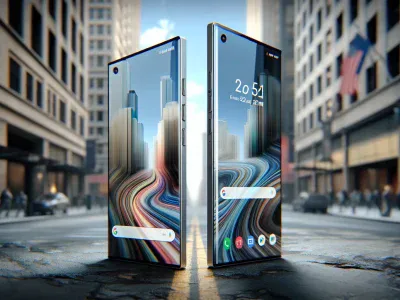
Picture this: you’re holding the sleek, cutting-edge iPhone 15 in one hand, but whispers of the iPhone 16’s advancements have you wondering if it’s time to upgrade. Apple’s relentless pursuit of innovation always leaves you questioning what’s truly new and what’s just hype. With each release, the line between revolutionary and incremental becomes harder to spot.
Whether you’re a tech enthusiast or just someone who loves staying ahead, understanding the differences between these two models is key. From design tweaks to performance boosts, Apple’s latest flagship promises more than just a shiny new name. So, what sets the iPhone 16 apart, and is it worth the leap? Let’s jump into the details that could redefine your smartphone experience.
Overview Of The iPhone 15 And iPhone 16
iPhone 15 offers a refined design, featuring a ceramic shield front and aerospace-grade aluminum edges. It’s equipped with the A16 Bionic chip, delivering swift performance, and supports up to 6GB of RAM. Camera enhancements include a 48MP main sensor, providing sharper images and improved low-light performance. Battery life generally lasts up to 20 hours for video playback.
iPhone 16, expected to launch in late 2024, reportedly introduces a new A17 Bionic chip built on a 3nm process, enhancing speed and power efficiency. Rumors suggest a possible 120Hz ProMotion display across all models, previously exclusive to Pro versions. The camera system may incorporate a variable zoom lens, enabling more detailed shots at multiple focal lengths.
Key Differences: iPhone 16 promises better performance, display upgrades, and potential camera advancements. In contrast, iPhone 15 focuses on reliable performance and incremental improvements, appealing to mainstream users.
Design And Build
The iPhone 15 and iPhone 16 showcase Apple’s evolving design philosophy. Differences in material, dimensions, and color options set these models apart for distinct user preferences.
Material And Finish
Both models highlight premium materials, but subtle changes affect durability and aesthetics. The iPhone 15 incorporates a ceramic shield front and aerospace-grade aluminum, ensuring a lightweight yet robust build. The iPhone 16, but, is rumored to feature a titanium frame similar to the Apple Watch Ultra, enhancing strength and offering a more modern look.
For finishes, the iPhone 15 retains the glossy polish associated with past models, while the iPhone 16 may introduce a brushed texture for improved grip. This design tweak might appeal to users prioritizing practicality in daily usage.
Dimensions And Weight
The iPhone 15 dimensions measure approximately 147.6 x 71.6 x 7.8 mm, weighing 171g. These dimensions maintain the device’s ergonomic feel, suitable for one-handed use. The iPhone 16 is expected to push slightly larger dimensions, possibly reaching 148 x 72 x 8 mm, while the titanium build could reduce its weight to under 168g even though the size increase.
Though slight, these adjustments improve handling for those preferring larger displays without added heft. Prospective buyers should consider comfort alongside screen real estate.
Color Options
Apple consistently refreshes its palette, with the iPhone 15 offering pastel shades like pink, yellow, blue, green, and black. The iPhone 16 may introduce deeper, metallic tones such as slate gray and midnight blue, signaling a shift toward sophisticated aesthetics.
These expanded choices enhance personalization, letting you pick a device that aligns with your style. Classic options like silver and black cater to conservative preferences, while bold shades attract trend-conscious users.
Display Technology
Advancements in display technology distinguish the iPhone 15 and iPhone 16, offering users distinct visual experiences and improved functionality.
Screen Size And Resolution
The iPhone 15 features a 6.1-inch and 6.7-inch Super Retina XDR display, covering its base and Plus/Pro models. With a resolution of up to 2796 x 1290 pixels, it delivers sharp visuals suitable for streaming and productivity. The Pro model supports HDR10 and Dolby Vision for enhanced contrast and color depth.
The iPhone 16, but, may slightly increase its screen size across all variants. Rumors suggest a 6.2-inch base model and 6.8-inch Pro version for better immersive viewing. The resolution might exceed 2900 x 1340 pixels, providing finer detail for high-resolution content like 4K videos and mobile gaming.
Refresh Rate And Brightness
The iPhone 15 Pro models include a 120Hz ProMotion refresh rate, ensuring smoother scrolling and responsive touch inputs. Its base models are capped at 60Hz, which may feel less fluid for advanced applications. Brightness peaks at 2,000 nits, ensuring visibility in direct sunlight.
By contrast, all iPhone 16 models could adopt the 120Hz ProMotion technology, broadening accessibility to silky visuals. Peak brightness may reach 2,400 nits, enabling superior clarity under various lighting conditions, including enhanced HDR playback.
Processor And Performance
The processor and performance capabilities of the iPhone 15 and iPhone 16 set them apart. The advancements in chipset and memory configurations influence speed, efficiency, and multitasking capabilities.
Chipset Comparison
The iPhone 15 operates on the A16 Bionic chip with a 4nm architecture, already offering exceptional performance. It includes a 6-core CPU and 5-core GPU, delivering fast app launches, smooth gaming, and efficient energy consumption. But, the iPhone 16 is expected to introduce the A17 Bionic chip built on a 3nm process. This next-gen chipset boasts an estimated 15-20% increase in processing speeds and improved thermal management, crucial for intensive tasks like video editing or augmented reality applications.
The A17 chip may integrate an enhanced Neural Engine for faster AI processing and machine learning tasks, making it an attractive choice for users relying on features like live transcription or intelligent image editing. For context, testing of the A16 chip in the iPhone 15 recorded Geekbench 5 scores averaging 1,870 (single-core) and 5,500 (multi-core), while benchmarks for the rumored A17 predict single-core performance near 2,200 and multi-core nearing 6,500.
RAM And Storage Options
The iPhone 15 provides 6GB of RAM across all models, allowing seamless operation for most users. The iPhone 16 is speculated to feature 8GB of RAM in its Pro variants, empowering better multitasking by reducing app reloads in memory-intensive scenarios. While the iPhone 15 handles productivity apps and casual gaming effortlessly, the additional RAM in the iPhone 16 could cater to professionals using creative software or managing complex workflows.
Storage options in the iPhone 15 range from 128GB to 1TB, accommodating a variety of user needs. The iPhone 16 is unlikely to deviate from this range, but improved storage efficiency, paired with iOS updates, could optimize file management. For instance, larger app data or high-res videos may occupy less space due to superior compression algorithms introduced alongside hardware upgrades.
Camera Upgrades
The iPhone 16 introduces advancements in camera technology, setting a higher bar for mobile photography compared to the iPhone 15.
Rear Camera Features
The iPhone 15 features a 48MP main sensor, offering excellent detail and enhanced low-light performance. Its dual-camera system includes a 12MP ultra-wide lens, capturing expansive landscapes and group shots with precision. But, the iPhone 16 may include a variable zoom lens, allowing optical zoom ranges beyond the 3x limit of the iPhone 15 Pro models. This feature caters to users seeking professional-level control over framing and detail.
Rumors suggest the iPhone 16’s Pro models could feature a periscope-style lens for up to 6x optical zoom. Practical for wildlife or sports photography, this innovation provides sharp images from greater distances. Enhanced software, such as improved Smart HDR and computational photography capabilities, is also expected, ensuring balanced exposures even in high-contrast scenes.
Front Camera Improvements
The iPhone 15’s front camera includes a 12MP TrueDepth system with autofocus and improved low-light performance. Its capabilities suit video calls, selfies, and Face ID authentication in various lighting conditions. The iPhone 16 may refine this further, incorporating a wider aperture or higher resolution sensor for brighter and more detailed captures.
Facial recognition accuracy could also improve on the iPhone 16 due to optimized software and hardware integration. Video recording upgrades, including enhanced 4K HDR at 60fps, are speculated, promising smoother and more dynamic footage for creators and casual users alike.
Battery Life And Charging
The iPhone 15 and iPhone 16 introduce differing advancements in battery life and charging capabilities, reflecting Apple’s focus on improving user convenience and efficiency.
Battery Capacity
The iPhone 15 features a battery capacity ranging from 3,279mAh to 4,323mAh across its models. This delivers approximately 20 hours of video playback for the base model, while Pro variants can extend up to 29 hours. In contrast, the iPhone 16 is rumored to house battery capacities slightly exceeding these figures, potentially optimizing power through the A17 Bionic chip’s 3nm architecture. For example, improved energy efficiency could mean an extra 1-2 hours of daily usage under similar conditions.
If you’re considering heavy usage scenarios, such as prolonged video recording or gaming, the iPhone 16 might better cater to your needs with its enhanced performance-per-watt ratio. But, the iPhone 15’s existing lifespan remains dependable for moderate to high usage.
Charging Speeds And Options
Both devices support USB-C fast charging, but their specifications differ slightly. The iPhone 15 offers 20W wired charging, providing 50% charge in approximately 30 minutes when paired with a compatible power adapter. Wireless MagSafe charging at 15W ensures convenient cord-free options. Meanwhile, leaks suggest the iPhone 16 could introduce 27W charging for faster power recovery, reducing downtime between charges.
For travelers or professionals, this faster-charging option could translate to significant time savings. But, cable compatibility will continue to influence real-world speeds, especially with third-party accessories. The iPhone 16 may also refine heat management during fast charging sessions, addressing comfort concerns.
Neither phone includes a charging brick, continuing Apple’s eco-friendly initiative. Both support reverse charging, letting you power small devices like AirPods through their back panels, enhancing versatility in on-the-go situations.
Software And Features
Both iPhone 15 and iPhone 16 use robust software to enhance user experience, but the iPhone 16 introduces innovations that set it apart.
Operating System
The iPhone 15 runs iOS 17, offering features like StandBy Mode, improved autocorrect, and interactive widgets. It streamlines multitasking and integrates better with Apple’s ecosystem using Continuity.
The iPhone 16, on the other hand, is expected to debut with iOS 18. This version may incorporate enhanced AI-driven functionalities, such as smarter Siri responses and predictive text improvements. Active health monitoring, including notifications for irregular patterns in movement via Health’s app, could also debut exclusively on iOS 18. Security updates are likely stronger, utilizing the A17 chip’s hardware encryption advantages.
Exclusive Features
The iPhone 15 emphasizes mature features like Dynamic Island, which integrates alerts and ongoing activities seamlessly. Live Voicemail transcription and Visual Look Up for objects in photos provide practical everyday value.
Rumored exclusive features in the iPhone 16 heighten its appeal. A redesigned Control Center could allow deeper customizations, while a “ProMotion Always-On Display” mode might display essential data with minimal power use. Advanced photography modes harnessing the A17 chip’s neural capabilities may refine night and motion captures. Pro versions might even feature satellite internet compatibility for critical communication in remote areas.
Price And Availability
The iPhone 15 launched on September 22, 2023, with a starting price of $799 for the base model and $999 for the Pro variant. Prices vary for different storage capacities, reaching up to $1,599 for the 1TB Pro Max version. It’s available worldwide through Apple stores, online platforms, and retail partners.
The iPhone 16 is expected to release in September 2024, maintaining similar starting prices. Rumors suggest that minor price increases might occur for the Pro models, potentially starting at $1,049, due to advanced features like the A17 Bionic chip and enhanced cameras. But, these speculations are yet to be confirmed by Apple.
Availability for the iPhone 16 is likely to follow Apple’s traditional pattern, with pre-orders opening a week before the official launch and shipments commencing soon after. You could experience occasional delays in specific regions based on demand and supply chain constraints.
Conclusion
Choosing between the iPhone 15 and iPhone 16 eventually depends on your priorities and how much you value cutting-edge features. If you’re content with reliable performance and a polished design, the iPhone 15 offers plenty to love. But, if you’re eager for the latest advancements in display, processing power, and camera technology, the iPhone 16’s rumored upgrades might be worth the wait.
Both models reflect Apple’s commitment to innovation, so whether you stick with the tried-and-true or opt for the next big thing, you’re investing in a premium smartphone experience tailored to your needs.
To provide the best experiences, we use technologies like cookies to store and/or access device information. Consenting to these technologies will allow us to process data such as browsing behaviour or unique IDs on this site. Not consenting or withdrawing consent, may adversely affect certain features and functions.
Functional
Always active
The technical storage or access is strictly necessary for the legitimate purpose of enabling the use of a specific service explicitly requested by the subscriber or user, or for the sole purpose of carrying out the transmission of a communication over an electronic communications network.
Preferences
The technical storage or access is necessary for the legitimate purpose of storing preferences that are not requested by the subscriber or user.
Statistics
The technical storage or access that is used exclusively for statistical purposes.The technical storage or access that is used exclusively for anonymous statistical purposes. Without a subpoena, voluntary compliance on the part of your Internet Service Provider, or additional records from a third party, information stored or retrieved for this purpose alone cannot usually be used to identify you.
Marketing
The technical storage or access is required to create user profiles to send advertising, or to track the user on a website or across several websites for similar marketing purposes.