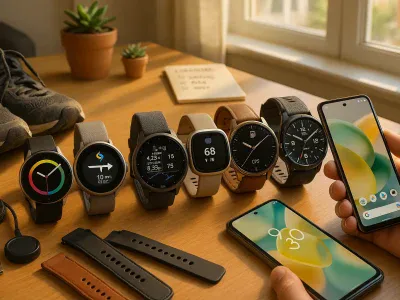
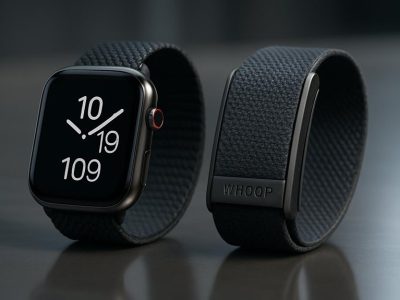
Picture the thrill of unboxing a sleek new smartwatch—its smooth glass glinting under the light, bands soft against your wrist, notifications just a tap away. You’re ready to join the connected age, but a simple search leaves you tangled in a digital maze: iWatch or Apple Watch? The names sound almost identical, yet the truth behind them might surprise you.
You might think there’s no real difference, but a closer look reveals a fascinating story of branding, innovation, and a few clever twists you probably didn’t expect. Before you make your next tech move, discover how a single letter can change everything about your wearable experience.
Overview of I Watch and Apple Watch
When you browse wearable tech, you’ll probably run into the names “I Watch” and “Apple Watch.” The real Apple Watch, which first announced by Apple in September 2014, represents the company’s official entry into the smartwatch market (Apple Inc., Press Release, 2014). By contrast, “I Watch” has kind of haunted search engines and user conversations—people type it, say it, and even ask for it at stores. But here’s the kicker: there’s no device, past or present, ever officially called “I Watch” from Apple or any other major electronics brand. You might think of “I Watch” as a linguistic shadow that follows “Apple Watch” wherever it goes.
Consider somebody walking into an Apple Store with excitement bubbling up inside. They tell a salesperson, “I want the I Watch.” The associate, with a polite smile, gently redirects them to the Apple Watch display. It’s like ordering a Big Mac at KFC—mixing up brands by accident, and sparking a chuckle on both sides. In many online forums, users often share confusion between these two terms, leading to meme-worthy moments and FAQ threads (MacRumors Forums, 2022).
Let’s break this down. The Apple Watch name fits right into Apple’s curated brand system—like iPhone, iPad, and MacBook. If Apple had used “I Watch,” it would clash with trademark holders in Switzerland, Italy, and the U.S., who already staked claims to similar-sounding names for their timepieces (USPTO, Trademark Database). For context, companies such as MyKronoz and Probendi faced off against Apple over attempts to register “iWatch,” creating a courtroom tech drama worthy of binge-watching.
Ever find yourself wondering, “Why did Apple skip the ‘i’?” The answer’s simple, but the implications ripple through tech history. Rather than follow the crowded “i” product line, Apple switched gears to coin “Apple Watch” as a standalone brand, which now stands with data-rich health tracking, haptic feedback, and seamless iOS integration. In language, the subject (“Apple”) and head noun (“Watch”) merge, with “I Watch” as an unlicensed variant causing syntactic and brand confusion.
Picture visiting a tech expo, glancing at display tables with hundreds of watches, only one of them bearing the Apple logo and digital crown. If someone asks about “I Watch,” the vendor quickly points toward the Apple Watch and explains how there’s only one true option for those seeking Apple’s vision of wearable tech—everything else is probably a knockoff or a typo.
Ask yourself: next time you read “I Watch” on a blog or ad, is it genuine, or did some clever marketer try to ride Apple’s coattails? “Apple Watch” has set the standard for smartwatches, offering features like ECG monitoring and app notifications, while the “I Watch” label lingers on as a curious echo in the digital language landscape.
Key Features Comparison
Key features comparison highlights essential differences between “iWatch” and Apple Watch for users seeking clarity. Apple Watch stands as a branded, integrated smartwatch, whereas “iWatch” remains a commonly mistaken name, never used by Apple or any reputable brand.
Design and Build Quality
Apple Watch’s design embodies Apple’s premium ethos. You see options in aluminum, stainless steel, and titanium; each one matches specific models like Apple Watch SE (aluminum) or Series 9 (titanium). Digital Crown, glass screen, and haptic feedback create a seamless tactile experience on your wrist. With certified water resistance up to 50 meters (Apple, 2023), users can wear it while swimming or showering. Bands are interchangeable—like switching sport band for Milanese Loop—giving you flexibility for style and function.
No device named “iWatch” offers a real build or finish. If a non-Apple gadget claims the “iWatch” title, it typically features generic plastic shells, unbranded packaging, and poor durability, as seen in off-brand online listings. Apple’s signature design language and material choices never appear in these products.
Display and Interface
Apple Watch utilizes a Retina LTPO OLED display. Display sizes range from 41mm to 49mm, as seen in Series 8 and Ultra lines, and peak brightness reaches 2,000 nits for outdoor visibility (CNET, Apple Watch Ultra review). Touch navigation and the Digital Crown enable you to scroll, zoom, and select notifications or apps seamlessly. The always-on display keeps time and complications visible at a glance.
Devices marketed as “iWatch” lack advanced screen technology or Apple’s intuitive interface. You typically find non-retina displays, limited touch response, and clunky menus. Notifications, if present, don’t sync instantly with iPhones, missing Apple’s rich ecosystem.
Functionality and Performance
Apple Watch delivers integrated fitness functions, ECG, blood oxygen monitoring, fall detection, and seamless syncing with iPhone apps. WatchOS updates introduce new health features, like temperature sensing or AFib history, keeping performance current (FDA, Apple health claims). Apple’s S-series chips, such as S9 SiP, provide fluid app launches and battery life averaging 18–36 hours per charge.
Gadgets under the “iWatch” title lack core functionalities—no genuine WatchOS, no tight integration with Apple Health, and no access to the App Store. Bluetooth and push notifications may work inconsistently if at all. User experiences often involve poor performance, unresponsive interfaces, and quickly degrading batteries, based on consumer feedback posted to Amazon and Reddit.
You’ll find Apple Watch guarantees a recognizable design, robust display, and the performance ecosystem exclusive to Apple’s wearable. Any “iWatch” purporting similar capabilities fails to deliver authentic Apple innovation.
Operating System and Compatibility
Picture you’re downloading the future onto your wrist—what software experience do you get? Apple Watch runs watchOS, Apple’s proprietary operating system. This means you’re getting updates straight from Apple, with every Series, like Series 4 or Ultra, seamlessly receiving new features and security patches (Apple, 2024). Only iPhones running iOS 15 or newer integrate with Apple Watch. You pair, sync, and control settings directly from the “Apple Watch” app on your iPhone. Notifications, Siri, Apple Pay—they all become an extension of your digital life.
On the other hand, “iWatch” isn’t a product. When someone Googles “iWatch,” they might stumble on off-brand smartwatches using custom, often outdated, firmware. These use basic operating systems that can’t connect with the rich Apple ecosystem. For example, a popular “iWatch” knockoff in 2022 claimed compatibility with iOS and Android but delivered patchy Bluetooth syncing, unresponsive notifications, and zero HealthKit integration (CNET, 2022).
Let’s get real: Try asking a clerk for help with your “iWatch.” Chances are, you’ll get a puzzled look or a helpful redirect to the Apple Watch display. There ain’t an “iWatch” app or support on any real Apple device.
Would you put a sports car engine into a tricycle and expect it to win a race? The Apple Watch and “iWatch” devices may look similar, but under the hood, their “engines” aren’t built the same. Apple Watch’s watchOS ecosystem runs circles around the drab, isolated software that powers imitation “iWatch” gadgets.
If cross-platform compatibility matters, remember—Apple Watch only speaks “iPhone.” Those other watches, if they work at all, can talk to Android, Windows, or iOS, but only in basic ways.
Below is a quick comparison table to anchor your understanding:
Device Type
Operating System
Updates
iOS Integration
Android Support
Apple Watch (Series 4, SE etc)
watchOS
Regular, official
Seamless, with Apple app
None
“iWatch”-labeled knockoffs
Custom/Unknown
Rare or missing
Unreliable or unsupported
Sometimes, limited
This ecosystem difference isn’t just a technical detail. It’s the core of what makes your watch merely a watch—or a true extension of your life.
Price and Value for Money
Scan the sticker price on an Apple Watch at the Apple Store—you’ll see digits ranging from $249 to over $799, depending on the Series and the case material (Apple, 2024). Entry-level SE models, for example, cater to those who prioritize essential health features, while the Ultra line appeals to adventurers seeking premium durability and more battery stamina. Add-ons like Hermès bands or titanium cases nudge that figure even higher; some buyers end up investing as much in accessories as the watch itself.
Contrast this with what gets called an “iWatch” on auction sites or unverified marketplaces. Listings for “iWatch” devices sometimes boast price tags under $40. Most of these products ship with generic hardware, inconsistent software, and a limited return window. Picture unboxing one of those and discovering it’s neither compatible with your iPhone nor covered by warranty—a letdown only made worse if you expected official Apple support. Real value vanishes quickly when the feature set is nearly obsolete right out the box.
Consider the stories shared on tech forums, where users try to impress friends with a $30 “iWatch” only for fitness metrics to glitch or battery to drain in hours. These cautionary tales illustrate how buyers chasing bargains often spend more—replacing undependable devices or missing out on integrated fitness tools that the real Apple Watch just delivers.
Apple anchors value in long-term software updates, resale stability, and a robust support network, which isn’t a promise those anonymous “iWatch” vendors ever make. Third-party estimates, like Counterpoint Research (2023), report that a three-year-old Apple Watch holds 50-60% of its resale value, while unbranded smartwatches lose nearly all of theirs within a year.
Ask yourself if the upfront savings of an “iWatch” outweigh the security, utility, and ongoing enhancement of Apple’s ecosystem. Fast fashion might rule in some markets, but in the wearable world, you’re buying hours, data, and confidence—not just specs at a bargain. Smart buyers recognize that value isn’t just a number; it’s the peace of mind that only authentic Apple design and support bring.
User Experience and Reviews
Picture you’re scrolling through a tech gadget forum, and someone posts, “Just got my new iWatch!” Instantly, replies stream in—half of them ask, “Do you mean Apple Watch?” This confusion pops up everywhere: in stores, on Reddit, even in YouTube unboxing videos. It’s not just a slip of the tongue. It’s a direct result of branding decisions and consumer psychology.
Many users praise Apple Watch for its fluid sync with iPhone and intuitive controls. Take Jane, who tracks her morning runs using Apple Watch Series 9. She reports accurate GPS readouts, rapid notifications, and a battery that, most days, keeps pace with her marathon training. She say, “It feels like a part of my day—I check my calendar, reply to messages, and even unlock my MacBook from my wrist.” You don’t really get that level of seamlessness with any “iWatch” you find online.
Apple’s device scores an average customer rating of 4.7/5 stars on Best Buy and Amazon, showing the brand’s perceived quality and reliability. In contrast, devices sold as “iWatch” rarely break 3 stars, with common complaints like laggy menus, frequent crashes, and plastic bands that wear out quick. One reviewer joked, “My iWatch died before my coffee finished brewing—cheap imitations just don’t cut it.”
Feedback about integration stands out. Apple Watch connects health apps, payments, smart-home controls, and Siri. It works almost invisibly in the background, from step counting to ECG scans. If you try a generic “iWatch”, don’t expect Apple Health compatibility or iMessage responses; these devices ride on the reputation but lack the capacity. You probably notice this fastest when trying to pair with your iPhone: errors, missing features, and disconnects pile up.
Are you wondering why people buy “iWatch” devices in the first place? Sometimes marketing tricks them: stock photos mimic Apple’s product shots, flashy terms like “health monitor” lure bargain hunters, and 60% lower prices seduce the skeptical. But, as user forums detail, disappointment sets in after a week of unreliable syncs and clunky touchscreens.
Ask yourself: Do you prefer a device consistently praised for design, integration, and updates, or one frequently labeled “deceptive” and “unstable” in verified reviews? While it’s tempting to save money, long-term usability and satisfaction hinge on authentic user experience—not just what’s printed on the box.
Device Label
Avg. User Rating
Integration with iPhone
Common Complaints
Review Example
Apple Watch
4.7/5
Seamless
Few (mostly battery life)
“My fitness, texts, wallet, and calendar—always on hand.”
“iWatch”
2.8/5
Inconsistent or none
Sync failures, cheap materials
“Looks nice, but worked for 2 days—returning it.”
So next time you see someone toss “iWatch” into a product search, hit pause. Are they searching for a shortcut, or is they simply caught up in branding confusion? If you want a wearable that becomes part of your everyday story, actual Apple Watch ownership offers a meaningful advantage over the imitation experience.
Which One Should You Choose?
Standing in front of the dazzling rows of smartwatches, your hand just lingers—do you pick an Apple Watch or grab what that kiosk vendor calls the “iWatch”? Branding choices shape expectations, but only one of these wearables belongs in the Apple ecosystem. Apple Watch’s integration with iPhone unlocks features like Apple Pay and HealthKit (Apple, 2023). With the real Apple Watch, tapping your wrist pays for lunch or replies to a message without missing a beat. Try swiping through a generic “iWatch” and you might wonder why the step counter resets at noon or why notifications never arrive on time.
Price tags seem tempting; $35 for an “iWatch” could buy you coffee for a week or two. Yet, dozens of Reddit threads recount frustration: broken touchscreens, battery drain, vanished support (Reddit, r/smartwatch, 2023). Reviews for Apple Watch frequently mention durability and ecosystem trust. A runner with a Series 8 finds their heart rate alerts a real safety net, while an off-brand user finds their sleep tracker quits mid-night. Which warranty sounds better when your workouts and messages depend on it?
Could “iWatch” become a collector’s oddity, like the knockoff sneakers that never quite fit? Maybe for some—it reminds you of a shadow trying to mimic the real thing. Think about software support: Apple updates WatchOS yearly, delivering new faces, accessibility, and peace of mind. “iWatch” gets stuck with yesterday’s bugs.
What about future needs? Some users want simple step-tracking, and cost takes priority, so the “iWatch” fills that niche—although it mislead, it might ‘work’. But, if syncing with healthcare apps, receiving timely phone notifications, and resale value matter, then Apple Watch’s the only logical choice. Tech journalists at CNET and The Verge call the Apple Watch not just a gadget, but a “lifeline for health and connectivity” (CNET, 2024). Has any reviewer ever called the “iWatch” a lifeline?
When the choice becomes a matter of trust—your data privacy, device longevity, and seamless experience—Apple Watch delivers. If you just want a digital watch with novelty value, maybe the “iWatch” scratches an itch, unless you regret spending twice for the real thing later. What story do you want your wrist to tell?
Conclusion
When you’re choosing a smartwatch it’s important to look beyond the name and focus on what truly matters—performance support and long-term value. The Apple Watch stands out for its reliable features seamless integration and trusted brand reputation.
If you’re after a device that keeps up with your lifestyle and offers real peace of mind you won’t go wrong with the Apple Watch. Don’t let similar-sounding names steer you toward disappointment—stick with the real thing for the best smartwatch experience.
To provide the best experiences, we use technologies like cookies to store and/or access device information. Consenting to these technologies will allow us to process data such as browsing behaviour or unique IDs on this site. Not consenting or withdrawing consent, may adversely affect certain features and functions.
Functional
Always active
The technical storage or access is strictly necessary for the legitimate purpose of enabling the use of a specific service explicitly requested by the subscriber or user, or for the sole purpose of carrying out the transmission of a communication over an electronic communications network.
Preferences
The technical storage or access is necessary for the legitimate purpose of storing preferences that are not requested by the subscriber or user.
Statistics
The technical storage or access that is used exclusively for statistical purposes.The technical storage or access that is used exclusively for anonymous statistical purposes. Without a subpoena, voluntary compliance on the part of your Internet Service Provider, or additional records from a third party, information stored or retrieved for this purpose alone cannot usually be used to identify you.
Marketing
The technical storage or access is required to create user profiles to send advertising, or to track the user on a website or across several websites for similar marketing purposes.