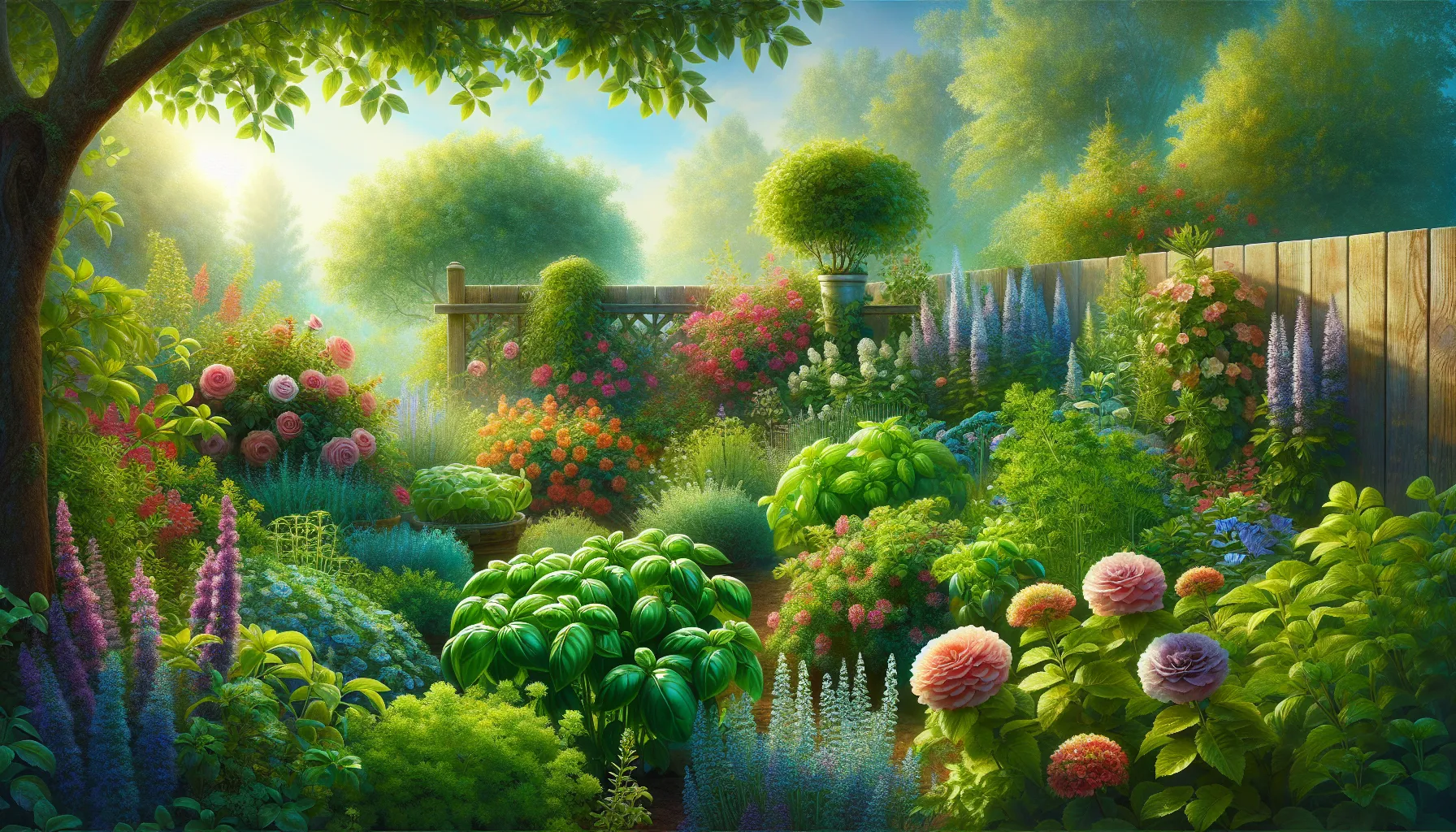
Imagine standing in a lush field, surrounded by golden waves of grain swaying under the sun. Now, picture yourself in a vibrant garden, bursting with colorful flowers, fragrant herbs, and ripe fruits. Both scenes celebrate the beauty of cultivating the earth, yet they represent two distinct worlds: agriculture and horticulture. While they may seem similar at first glance, their purposes and practices set them apart in fascinating ways.
You might think of agriculture as the backbone of human civilization, focused on large-scale production to feed and sustain communities. Horticulture, on the other hand, feels more like an art form—a delicate dance of nurturing plants for beauty, nutrition, and personal satisfaction. Understanding these differences not only deepens your appreciation for the natural world but also reveals how each plays a unique role in shaping our lives. So, what truly separates the farmer’s field from the gardener’s haven? Let’s explore.
Understanding Agriculture
Agriculture represents the backbone of food production and ecosystem management. It combines vast land utilization with various practices to meet global demands.
Definition And Scope
Agriculture refers to the systematic cultivation of crops and the raising of animals for food, fiber, and other products. It covers extensive areas like wheat fields, rice paddies, and livestock farms. Unlike horticulture, agriculture often focuses on large-scale operations optimized for yield. The scope of agriculture extends to agronomy, animal husbandry, and aquaculture, supporting essential industries and economies worldwide.
Key Practices In Agriculture
Irrigation systems enhance productivity by supplying water to crops, especially in dry regions. Mechanized plowing and sowing ensure efficient land preparation and seed distribution on vast farms. Crop rotation sustains soil fertility by alternating plant types, reducing pests and nutrient depletion. Practices such as pest control, fertilization, and precision farming improve quality and maximize harvests.
Modern agricultural advancements include genetic engineering and smart farming technologies, utilizing drones or sensors for monitoring. These tools enable precise decisions, like adjusting irrigation or applying fertilizers.
Exploring Horticulture
Horticulture emphasizes cultivating plants on a smaller scale with a focus on aesthetics, food production, and environmental improvement. Unlike agriculture’s broad scope, horticulture delves into nurturing plants with precision and care.
Definition And Scope
Horticulture is the science and art of growing fruits, vegetables, flowers, and ornamental plants. It encompasses diverse categories like pomology (fruit cultivation), olericulture (vegetable cultivation), world horticulture, and floriculture. The primary goal isn’t just production but also enhancing the quality and appeal of plants.
Horticultural practices often occur in gardens, greenhouses, and urban spaces, bridging functionality and artistry. For instance, rooftop gardening combines food production with space utilization in cities. Unlike agriculture, horticulture directly impacts personal spaces, contributing to well-being and sustainable living.
Key Practices In Horticulture
Specific practices define horticulture’s distinctiveness. Pruning enhances plant structure and health, while grafting merges plant species to combine strengths. Use of organic fertilizers boosts soil fertility without synthetic chemicals.
Precision techniques like hydroponics allow soilless gardening, an innovation suited for limited spaces. Pest management prioritizes eco-friendly methods such as biological control. These practices focus on creating harmonious ecosystems, whether it’s a home garden or a botanical conservatory.
Horticulture’s emphasis isn’t on mass yield but on quality, aesthetics, and utility. For example, a hydroponic setup in a small home could yield fresh herbs while saving water and space. Such practices underline how horticulture serves both personal and environmental objectives.
Key Differences Between Agriculture And Horticulture
Agriculture and horticulture differ significantly in scale, crops, and intent, reflecting their unique contributions to human life and the environment.
Scale Of Operation
Agriculture typically involves large-scale operations. It spans extensive areas like wheat fields, rice paddies, or vast cornfields, where mechanization dominates. For example, commercial farms may cover hundreds or even thousands of acres to produce crops or livestock efficiently.
Horticulture, in contrast, operates on a smaller scale. It’s often limited to gardens, greenhouses, or urban spaces like rooftop gardens. A home garden with vibrant flowers or a small orchard exemplifies this more localized, personal approach.
Types Of Crops Grown
Crops in agriculture are usually staple crops or industrial commodities. These include cereals like rice and maize, oilseeds like soybeans, and fiber crops such as cotton. For livestock farming, large-scale pastures are often used.
Horticulture focuses on diverse, high-value plants. You see fruits like apples and grapes, vegetables such as tomatoes and lettuce, and ornamental plants, including roses and ferns. Specialized categories like viticulture (grape cultivation) highlight this diversity.
Purpose And Focus
Agriculture aims to meet global needs. It prioritizes food security, fiber production, and raw material supply. Efficiency and yield are critical, ensuring resources sustain growing populations.
Horticulture emphasizes aesthetics, quality, and innovation. Whether beautifying urban landscapes with flowers or advancing eco-friendly indoor gardening, it combines functionality with artistry.
Similarities Between Agriculture And Horticulture
Both agriculture and horticulture involve the cultivation of plants as their primary focus. They share principles like soil preparation, planting, irrigation, and pest management, which are critical to plant growth and health. Whether you’re growing staple crops in vast fields or nurturing ornamental plants in a garden, these practices ensure the productivity and sustainability of cultivated ecosystems.
Both fields contribute to human sustenance and environmental balance. Agriculture provides staple foods such as rice and wheat, while horticulture enhances diets through fruits and vegetables like apples or tomatoes. Also, both practices incorporate sustainability efforts, including organic farming techniques and integrated pest management, to reduce environmental impact.
You find advanced technologies and scientific research influencing both domains. Precision agriculture and horticulture use innovations like drones, sensors, and data analytics to optimize resource use and improve outcomes. For example, soil mapping can guide better fertilization for a cornfield under agriculture or a vineyard in horticulture, promoting productivity and reducing waste.
Labor and expertise overlap in many areas. Farmers and horticulturists rely on workers skilled in planting, pruning, and harvesting to maintain plant health and ensure yields, whether on farms or in nurseries. Both fields benefit from educational programs in agricultural sciences and horticultural studies to advance methods and address challenges.
Both support cultural, social, and economic values. Agriculture sustains global food security, whereas horticulture boosts community aesthetics and mental well-being through gardening. Collectively, they enhance living standards, highlight the bond between humans and nature, and drive economies—whether in rural farms or urban greenhouses.
Importance Of Both In Society
Agriculture supports society by ensuring a stable food supply and driving economic growth. It’s the foundation of global sustenance, producing staple foods like rice, wheat, and maize to feed billions. Without agriculture, many industries relying on raw materials, such as textiles, would struggle to operate. Livelihoods in rural areas largely depend on these large-scale farming operations, which contribute significantly to reducing poverty and hunger. For example, advances in mechanized farming have enabled higher crop yields, addressing food security challenges in densely populated regions like Asia and Sub-Saharan Africa.
Horticulture complements agriculture by enhancing quality of life and promoting environmental sustainability. It introduces variety and nutrition into diets through fruits, vegetables, and herbs while beautifying urban spaces. Parks, botanical gardens, and landscaped areas created through horticultural practices improve mental well-being and foster community connections. Green initiatives, like vertical gardens, address limited space in urban areas, combining aesthetics with functionality. For instance, Singapore’s “Supertree Grove” integrates greenery and eco-tech, showcasing horticulture’s role in combating air pollution and climate issues.
Both fields contribute to societal health and environmental stability. While agriculture ensures mass production to meet basic needs, horticulture adds cultural and ecological value. Together, they demonstrate the intricate relationship between human activity and nature, ensuring a balanced and sustainable future.
Conclusion
Understanding the distinction between agriculture and horticulture allows you to appreciate the unique ways they contribute to our world. While agriculture sustains global populations and drives economies, horticulture enriches lives through beauty, nutrition, and environmental harmony.
Both fields showcase humanity’s deep connection with nature, blending science, art, and innovation to meet diverse needs. By valuing their roles, you can better recognize the balance they create in supporting society and the environment.
To provide the best experiences, we use technologies like cookies to store and/or access device information. Consenting to these technologies will allow us to process data such as browsing behaviour or unique IDs on this site. Not consenting or withdrawing consent, may adversely affect certain features and functions.
Functional
Always active
The technical storage or access is strictly necessary for the legitimate purpose of enabling the use of a specific service explicitly requested by the subscriber or user, or for the sole purpose of carrying out the transmission of a communication over an electronic communications network.
Preferences
The technical storage or access is necessary for the legitimate purpose of storing preferences that are not requested by the subscriber or user.
Statistics
The technical storage or access that is used exclusively for statistical purposes.The technical storage or access that is used exclusively for anonymous statistical purposes. Without a subpoena, voluntary compliance on the part of your Internet Service Provider, or additional records from a third party, information stored or retrieved for this purpose alone cannot usually be used to identify you.
Marketing
The technical storage or access is required to create user profiles to send advertising, or to track the user on a website or across several websites for similar marketing purposes.