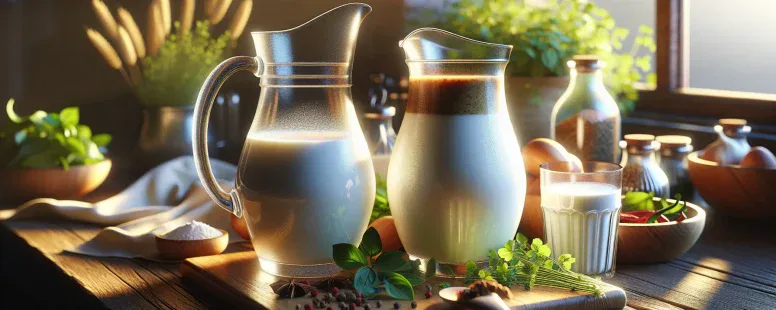
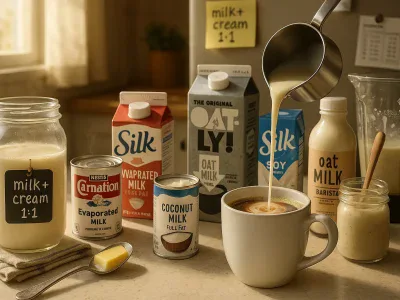
Picture a steaming cup of coffee swirling with creamy ribbons or a decadent dessert topped with clouds of whipped goodness. what magic lies behind that silky texture or why some recipes call for heavy cream while others insist on half and half? The answer isn’t just about fat content—it’s about the subtle dance of flavor, richness, and culinary chemistry.
Choosing between heavy cream and half and half can transform the outcome of your favorite dishes. You might be surprised at how each one brings its own charm to the table, from creating velvety sauces to adding just the right touch of luxury to your morning brew. Unlocking their secrets opens up a world of delicious possibilities you never knew you were missing.
What Is Heavy Cream?
Heavy cream defines a dairy product with a minimum of 36% milk fat, which gives it distinct richness and weight. You notice its dense texture immediately, as it pours more slowly than milk or half and half in any recipe. Picture swirling heavy cream into hot soup—the ribbon floats momentarily, making the surface glossy and indulgent.
Characteristics of Heavy Cream
Heavy cream contains a high fat percentage, between 36% and 40%, which separates it from most other dairy products. This composition lets it whip into stiff peaks, unlike milks or half and half, and contributes to its luxurious, almost silky mouthfeel. You sense the stable emulsion of fat globules and water, enabling heavy cream to thicken sauces without curdling, even under high heat or when blended with acidic ingredients like tomatoes or lemon juice. Typical brands, such as Organic Valley and Land O’Lakes, consistently report this 36%–40% fat range based on USDA data. When you open a carton, a faintly sweet, fresh aroma fills the air, richer than what you experience from milk.
Common Uses of Heavy Cream
You find heavy cream at the heart of many classic recipes—think about the velvety body in fettuccine Alfredo or the cloud-like peaks crowning a strawberry shortcake. Do you remember tasting homemade ice cream, marveling at the dense, creamy finish? Heavy cream delivers that experience because the fat crystalizes as it churns, creating fewer ice crystals and a smoother texture, according to America’s Test Kitchen. Professional bakers opt for heavy cream in ganache, mousse, or piping whipped cream decorations, because it holds shape for hours. In the savory realm, chefs finish pan sauces and deglazed reductions with a splash of heavy cream, balancing acidity and deepening flavor. Indulge your curiosity: before you swap it for half and half, ask if your dish needs the unctuous luxury only heavy cream can provide.
What Is Half and Half?
Half and half brings a unique versatility to your kitchen, combining the simplicity of milk with the richness of cream. You see it poured into coffee across American diners or whisked into creamy sauces, always promising a balanced texture that neither overwhelms nor fades away.
Characteristics of Half and Half
Half and half consists of equal parts whole milk and light cream, yielding a fat content typically ranges from 10.5% to 18% (USDA, FDA). This moderate fat level creates a body that’s silkier than milk but lighter than heavy cream. When you swirl it into hot drinks, it resists curdling better than milk due to its extra creaminess, yet it’s unlikely to ever whip up like pure heavy cream would. You’ll notice its pale, off-white color—an indication of its blended origin.
Dairies standardize half and half to meet consistent fat levels, making it a predictable ingredient. Compared to heavy cream’s decadent richness, half and half offers a subtler mouthfeel. It brings just enough butterfat for velvet-like texture in soups, chowders, or rich scrambled eggs. Some people try to substitute low-fat milk or dairy-free alternatives, but none provides the same all-around result for both hot and cold recipes.
Common Uses of Half and Half
You often find half and half gracing the breakfast table beside fresh-brewed coffee, offering enough richness without overwhelming the palate. Baristas might reach for it to create café au lait, its mild creaminess taming espresso’s bitterness while adding a faint sweetness. Chefs, meanwhile, stir it into quiches, custards, or mashed potatoes to elevate comfort-food classics without turning the dish oily or heavy.
American recipes frequently call for half and half in place of cream to cut calories while retaining some richness—for example, homemade ice cream, pot pies, or cream-based salad dressings. Sometimes a cook reminisce about a grandmother’s creamy macaroni and cheese, wondering whether she used half and half instead of milk for that unmistakable silkiness.
Unlike heavy cream, you probably won’t see half and half whipped up into desserts, but its gentle body creates luscious results in pan sauces, breakfast casseroles, and even overnight oats. When you reach for half and half, it’s not just a convenience—it’s a conscious choice to balance flavor, texture, and richness, whether you’re perfecting a cup of coffee or crafting a family recipe.
Key Differences Between Heavy Cream and Half and Half
Understanding heavy cream versus half and half unlocks new choices for every cook. Recognize how these dairy staples each carry distinct culinary identities, from molecular structure to the ways they transform recipes.
Fat Content and Texture
Heavy cream contains at least 36% milk fat—this high percentage makes it possible to whip into peaks for desserts or create lush soups. Its dense fat globules trap air efficiently, so you can make fluffy whipped cream or velvety ganache examples like chocolate mousse or chantilly topping. In contrast, half and half mixes about 10.5%–18% fat content, combining whole milk and light cream. That lower fat content almost always means it stays pourable, even when chilled; it’ll never whip up, only blend smoothly into coffee and sauces.
Transitioning between both, you’ll notice a tactile shift as you stir: heavy cream coats a spoon thickly, while half and half leaves only a light trace. When crafting scones or custards, that variance impacts crumb and richness perceptible in every bite.
Taste and Consistency
Heavy cream delivers a pronounced, creamy flavor profile and an unmistakably decadent consistency. The fat present saturates the palate, producing a lingering mouthfeel in recipes like fettuccine Alfredo or caramel sauce. Half and half, by comparison, offers a subtler creaminess—think balanced rather than bold. You’ll taste silkiness in scrambled eggs or chowders, but won’t mask delicate flavors with fullness.
Anecdotally, many baristas use half and half (also known as “creamer”) for morning coffee to smooth out acidity without weighing it down. For desserts, heavy cream dominates with both presence and substance, while half and half serves to round out rather than overwhelm. If you ever stirred them side by side into tomato soup, you’d quickly spot the contrast in color depth and taste intensity.
Nutritional Value
Heavy cream supplies significantly more calories and fat per serving: USDA data cites around 50 calories and 5 grams of fat in one tablespoon, including saturated and cholesterol components. For those monitoring intake, that’s a notable difference from half and half, which carries only about 20 calories and 1.7 grams fat per tablespoon (USDA). The vitamin and mineral profile shifts only slightly, with both contributing some vitamin A and calcium but only heavy cream delivering substantial energy density.
You might seek out half and half in recipes for a lighter texture or to reduce saturated fat, especially for daily use in coffee or breakfast dishes. If a dish’s richness matters above all, the nutritional load of heavy cream become justified by the flavor payoff. For vegans or anyone considering plant-based swaps, almond or oat milk “creams” exist, though their fat types and culinary results vary widely.
Both heavy cream and half and half shape culinary experiences far beyond basic fat content, handing you the control to choose based on texture, taste, and nutrition required for the occasion.
Substituting Heavy Cream and Half and Half in Recipes
Heavy cream and half and half create different experiences in recipes through texture, flavor, and fat content. Understanding their best uses ensures you achieve the desired result, whether you’re whisking together a delicate sauce or looking for that perfect coffee companion.
When to Use Heavy Cream Instead of Half and Half
Opt for heavy cream when your recipe relies on richness or structure. Whipped cream, as you’d notice, doesn’t achieve stiff peaks with half and half because only heavy cream possesses at least 36% milk fat (USDA). Heavy cream lets you make airy mousses and stable ganache, which half and half can’t replicate. For sauces like Alfredo or béarnaise, it thickens sauces without curdling, especially at high temperatures—half and half can split if boiled (Serious Eats).
Desserts such as panna cotta or ice cream use heavy cream for a velvety finish. You’ll discover store-bought alternatives won’t yield that luscious texture. Bake show-stoppers, like scones or custards, gain a buttery crumb with heavy cream, so swapping in half and half makes desserts flat or thin.
Home cooks, think of the holidays: Your grandmother’s fudge recipe, which she guards fiercely, may turn gritty with half and half, missing that familiar silk. For tasks demanding a luxurious mouthfeel or when a stable whip is needed, heavy cream always brings results.
When to Use Half and Half Instead of Heavy Cream
Use half and half when you want creaminess without overwhelming heaviness. Coffee drinkers, for example, prefer it for adding subtle richness over the blanket-like thickness of heavy cream. Breakfast favorites such as scrambled eggs or casseroles gain a pleasing silkiness from half and half, where heavy cream would feel dense and rich (The Kitchn).
Comfort foods like chicken pot pie or chowder, having moderate fat, still satisfy yet remain light enough for a weeknight meal. When preparing a quiche, half and half offers a balanced custard—dense enough to set, light enough to eat easily.
Home bakers sometimes splash half and half into muffins or quick breads for tender crumb without greasiness. If you’re focused on calorie control or creating recipes suitable for daily eating, chef’s find half and half strikes an accessible midpoint. Consider how swapping between these two dairy stars, makes even common recipes, like mashed potatoes, differ notably in taste and mouthfeel—inviting you to choose based on context, not just habit.
Which One Should You Choose?
Choosing between heavy cream and half and half depends on your dish, your goals, and even your mood in the kitchen. Let’s untangle these choices. Picture you’re stirring a pot of tomato bisque, the color swirling from sunset-orange to pale gold as you pour in cream. If you want a texture that blankets the tongue with every spoonful, heavy cream (with its 36%+ milkfat) transforms soups and ganache into velvet according to the USDA. This ingredient shines when decadence isn’t optional—think Thanksgiving mashed potatoes so rich they almost steal the show. Cheesecake lovers? Only heavy cream holds up to a water bath’s heat, delivering a creamy interior and luxurious mouthfeel.
Sometimes, though, subtlety rules. Picture a frothy cup of morning coffee at sunrise. That’s where half and half —a blend of equal parts whole milk and light cream, hovering between 10.5% and 18% fat— steps in. It brings just enough richness without weighing down your coffee or quiche. In recipes where richness whispers instead of shouts, like creamy salad dressings or breakfast casseroles, half and half keeps flavors balanced. You may recall a grandmother’s breakfast casserole, where half and half lent delicate silkiness that didn’t mask the savory bacon and cheese.
Is fat content everything? Not always. Texture, taste, and even dietary goals (CDC and AHA recommend moderation for saturated fat) guide your choice. Some swap half and half for heavy cream to lighten calories, while others double down on heavy cream when creating ganache or chantilly cream for a special celebration cake, knowing the texture and stability matter most (America’s Test Kitchen).
Consider how both dairy stars pivot under heat. Heavy cream resists curdling in hot soups or deglazed sauces, while half and half risks separating if you cook it too fast. Are you chasing a lighter sauce for pasta Primavera or a sauce that clings lovingly to gnocchi?
Ask yourself how you want your dish to feel—and remember the story you want to tell at your table. Heavy cream can symbolize celebration and indulgence, while half and half brings a more everyday, approachable elegance to home cooking. The best choice is the one that connects with your purpose and the moment—each dairy delight’s waiting for your cue.
Conclusion
When you’re deciding between heavy cream and half and half, think about what you want your dish to deliver. Each ingredient brings its own character to the table, and your choice shapes the final result in both taste and texture.
Trust your instincts and let your creativity guide you. Whether you’re aiming for a touch of luxury or a lighter finish, you’ll find that understanding these dairy staples opens up new possibilities in your kitchen.
To provide the best experiences, we use technologies like cookies to store and/or access device information. Consenting to these technologies will allow us to process data such as browsing behaviour or unique IDs on this site. Not consenting or withdrawing consent, may adversely affect certain features and functions.
Functional
Always active
The technical storage or access is strictly necessary for the legitimate purpose of enabling the use of a specific service explicitly requested by the subscriber or user, or for the sole purpose of carrying out the transmission of a communication over an electronic communications network.
Preferences
The technical storage or access is necessary for the legitimate purpose of storing preferences that are not requested by the subscriber or user.
Statistics
The technical storage or access that is used exclusively for statistical purposes.The technical storage or access that is used exclusively for anonymous statistical purposes. Without a subpoena, voluntary compliance on the part of your Internet Service Provider, or additional records from a third party, information stored or retrieved for this purpose alone cannot usually be used to identify you.
Marketing
The technical storage or access is required to create user profiles to send advertising, or to track the user on a website or across several websites for similar marketing purposes.