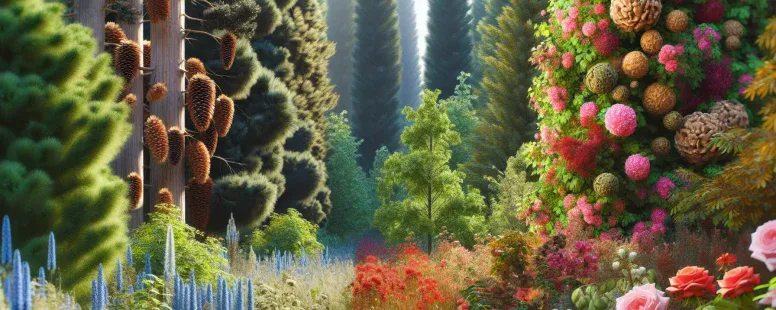
Picture walking through a lush forest, surrounded by towering pines and vibrant flowering plants. what sets these two types of plants apart? Gymnosperms and angiosperms are nature’s masterpieces, each with unique characteristics that shape the ecosystems they thrive in. While one boasts exposed seeds nestled in cones, the other hides its treasures within fruits and flowers.
Understanding the key differences between gymnosperms and angiosperms isn’t just for botanists—it deepens your connection to the natural world. From their reproductive strategies to their ecological roles, these plant groups reveal fascinating contrasts that influence everything from biodiversity to agriculture. Let’s uncover five distinct points that separate these botanical wonders and bring clarity to how they’ve evolved over millions of years.
Overview Of Gymnosperms And Angiosperms
Gymnosperms and angiosperms represent two major plant groups with distinct characteristics. These differences influence their roles in ecosystems, agriculture, and biodiversity.
What Are Gymnosperms?
Gymnosperms are seed-producing plants where seeds remain exposed on cone scales rather than enclosed within fruits. They include conifers like pines, firs, and spruces. Originating around 300 million years ago, they adapt well to cold climates due to needle-like leaves that minimize water loss.
Most gymnosperms rely on wind for pollination as they lack flowers to attract pollinators. Their vascular tissues efficiently transport nutrients in harsh environments. For example, bristlecone pines thrive even in nutrient-poor soils of high altitudes.
What Are Angiosperms?
Angiosperms produce seeds encased within fruits formed from flowers’ ovaries. This group includes flowering plants like roses, grasses, and oaks. Evolving approximately 140 million years ago, angiosperms dominate most terrestrial habitats today.
Pollination occurs through animals or insects attracted by vibrant petals and nectar rewards. Fruits aid seed dispersal by enticing animals to consume them—spreading the seeds over large distances afterward.
Their diverse structural adaptations support a wide range of ecological niches from aquatic lotus plants to desert cacti capable of storing water efficiently in arid conditions.
Key Differences Between Gymnosperms And Angiosperms
Gymnosperms and angiosperms differ in several fundamental ways, shaping their roles in ecosystems and evolutionary history. Understanding these distinctions helps clarify how these plant groups function and adapt.
Reproductive Structures
Gymnosperms produce cones as their reproductive organs, with seeds developing on the surface of cone scales. In contrast, angiosperms form flowers containing both male and female structures or separate gender-specific flowers. For example, a pine tree’s cones expose its seeds directly to the environment, while an apple tree conceals its seeds within fleshy fruits formed after pollination.
Seed Formation
Gymnosperm seeds remain “naked,” lacking any protective fruit covering. Angiosperm seeds develop inside fruits derived from ovaries, offering added protection and aiding seed dispersal through animals or environmental factors like wind. A fir tree’s exposed seeds exemplify gymnosperm characteristics; conversely, a peach protects its single seed within a fruit.
Pollination Methods
Wind facilitates pollination for most gymnosperms due to their unshowy reproductive structures. Angiosperms attract specific pollinators such as bees or birds with colorful flowers and nectar rewards. For instance, orchids rely on insects for precise pollination processes, unlike conifers that depend entirely on air currents.
Habitat Preferences
Gymnosperms thrive in colder climates or nutrient-poor soils because of adaptations like needle-shaped leaves minimizing water loss. Many angiosperms dominate diverse habitats due to broader adaptability in leaf types and flowering mechanisms. While spruces populate boreal forests efficiently, grasses flourish across temperate zones worldwide.
Diversity And Adaptations
Angiosperms exhibit greater species diversity—over 300,000 species compared to roughly 1,000 species of gymnosperms—due to complex reproductive strategies and faster growth rates (source: Botanical Society). Gymnosperm adaptations focus primarily on survival under extreme conditions rather than diversification; cycads are examples showcasing ancient lineage with minimal variation over time.
Importance Of Gymnosperms And Angiosperms In Nature
Gymnosperms and angiosperms significantly impact ecosystems and human life through their unique ecological roles. Gymnosperms, like pines and firs, dominate boreal forests, which cover about 17% of Earth’s land area. These forests act as carbon sinks by absorbing large amounts of CO2, helping mitigate climate change. Also, gymnosperm resin provides natural defense against pests while also serving in commercial products like varnishes.
Angiosperms contribute to pollination networks essential for biodiversity. Flowering plants such as sunflowers or apple trees attract bees and birds that help cross-pollination. This process ensures genetic variation within plant populations and supports the food chains dependent on these species.
Both groups enhance soil stability in their habitats. Gymnosperm roots prevent erosion in mountainous regions with poor soils, while angiosperm root systems enrich the ground with organic matter after decomposition. For example, legumes fix nitrogen into the soil through symbiotic relationships with bacteria.
Many economic resources derive from these plants. Timber from gymnosperm trees is critical for construction industries worldwide; meanwhile, crops like wheat or rice (angiosperms) sustain billions globally as staple foods.
Their medicinal value cannot be overlooked either: gymnosperm alkaloids are used in cancer therapies (e.g., Taxol from yew trees), whereas angiosperm-derived compounds include aspirin from willow bark and quinine used against malaria.
Conclusion
Understanding the differences between gymnosperms and angiosperms gives you a deeper appreciation for their roles in nature and human life. These plant groups not only showcase incredible diversity but also highlight unique evolutionary adaptations that have shaped ecosystems worldwide.
Whether it’s gymnosperms thriving in cold boreal forests or angiosperms dominating diverse habitats with their vibrant flowers, both contribute significantly to ecological balance and economic value. By recognizing their distinct characteristics, you can better appreciate how plants sustain biodiversity, support agriculture, and influence industries globally.
To provide the best experiences, we use technologies like cookies to store and/or access device information. Consenting to these technologies will allow us to process data such as browsing behaviour or unique IDs on this site. Not consenting or withdrawing consent, may adversely affect certain features and functions.
Functional
Always active
The technical storage or access is strictly necessary for the legitimate purpose of enabling the use of a specific service explicitly requested by the subscriber or user, or for the sole purpose of carrying out the transmission of a communication over an electronic communications network.
Preferences
The technical storage or access is necessary for the legitimate purpose of storing preferences that are not requested by the subscriber or user.
Statistics
The technical storage or access that is used exclusively for statistical purposes.The technical storage or access that is used exclusively for anonymous statistical purposes. Without a subpoena, voluntary compliance on the part of your Internet Service Provider, or additional records from a third party, information stored or retrieved for this purpose alone cannot usually be used to identify you.
Marketing
The technical storage or access is required to create user profiles to send advertising, or to track the user on a website or across several websites for similar marketing purposes.