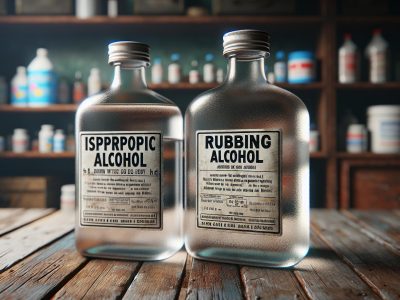
When you see warning labels on products, the terms “flammable” and “inflammable” might seem contradictory. You’d think they’d mean opposite things, but surprisingly, both words actually convey the same warning: the material can catch fire easily. This linguistic quirk has caused dangerous confusion for many people who mistakenly believed “inflammable” meant “not flammable.”
The confusion stems from the Latin prefix “in-” which doesn’t always indicate negation as it does in words like “invisible” or “inaccurate.” Understanding the difference—or rather, the lack thereof—between these terms isn’t just a matter of semantics; it’s crucial for your safety when handling potentially dangerous materials. Let’s clarify this common misconception and explore why these seemingly opposite words mean exactly the same thing.
Understanding Flammable vs. Inflammable: The Surprising Truth
The confusion between “flammable” and “inflammable” stems from their identical meanings even though their seemingly opposite prefixes. Both terms describe materials that catch fire easily, which creates a dangerous misconception when people misinterpret “inflammable” as meaning non-burning.
This linguistic oddity originated from the Latin word “inflammare,” meaning “to set on fire,” where the prefix “in-” functions as an intensifier rather than a negation. The Latin root “flamma” means “flame,” and when combined with “in-” (meaning “into” in this context), it creates “inflammable” – literally translating to “able to burst into flames.”
Safety organizations recognized this confusion’s potential danger in the 1920s. The National Fire Protection Association began advocating for “flammable” as the standard term to eliminate ambiguity in hazard warnings. They didn’t want people misinterpreting “inflammable” as “not flammable” and creating unsafe situations with combustible materials.
Chemical compounds like gasoline, propane, and certain solvents carry identical hazard warnings whether labeled “flammable” or “inflammable.” Both terms indicate materials that:
Ignite easily at relatively low temperatures
Burn rapidly once ignited
Don’t require much oxygen to sustain combustion
Produce flammable vapors under normal conditions
The scientific community has largely standardized around using “flammable” in technical documentation, product labeling, and safety protocols. But, “inflammable” still appears occasionally in older texts and some regional terminology, perpetuating the confusion even though efforts to create consistent safety language.
The Etymology Behind These Confusing Terms
The confusion between “flammable” and “inflammable” stems directly from their linguistic origins. These seemingly contradictory terms share common roots but developed along different etymological paths that led to their present-day usage.
Origin of “Flammable”
The term “flammable” derives from the Latin word “flamma,” meaning flame or fire. It entered English in the early 20th century as a direct combination of “flame” and the suffix “-able,” creating a word that logically means “able to flame” or “capable of burning.” Fire safety experts began promoting this term around 1920 as a clearer alternative to “inflammable” when they recognized the dangerous potential for misinterpretation. The National Fire Protection Association specifically advocated for “flammable” because it removed any possibility of confusion with non-burning materials. Today, “flammable” appears on warning labels, safety data sheets, and transportation placards where clarity about fire hazards is essential.
Origin of “Inflammable”
“Inflammable” has a more complex etymology rooted in the Latin verb “inflammare,” which means “to set on fire” or “to inflame.” In this word, the prefix “in-” functions as an intensifier rather than a negator, effectively amplifying the meaning to “highly flammable” instead of “not flammable.” This usage of “in-” as an intensifier appears in other English words like “invaluable” (extremely valuable) and “infamous” (known for bad reasons). The term “inflammable” predates “flammable” in English by several centuries, first appearing in manuscripts from the 1600s. The scientific and medical communities initially favored “inflammable” due to it’s connection to related terms such as “inflammation,” creating a consistent terminology across disciplines. This historical precedence explains why the term persisted even though it’s potential to cause dangerous misunderstandings.
Scientific Definitions and Technical Distinctions
Scientific and technical definitions provide clarity on the confusing terminology of flammable and inflammable substances. These definitions establish precise parameters for categorizing materials based on their fire-related properties and behavior.
Chemical Properties That Define Flammability
Flammability refers to a material’s ability to ignite and sustain combustion. Materials are classified as flammable based on specific chemical properties:
Flash Point: The minimum temperature at which a substance emits sufficient vapor to form an ignitable mixture with air. Liquids with flash points below 100°F (37.8°C) are typically classified as flammable.
Autoignition Temperature: The temperature at which a substance spontaneously ignites without an external ignition source. Flammable materials have lower autoignition temperatures than non-flammable ones.
Flammable Range: The concentration range of a gas or vapor that will burn when exposed to an ignition source. This range is expressed as a percentage by volume in air, with lower explosive limit (LEL) and upper explosive limit (UEL) boundaries.
Vapor Density: Materials with vapor density greater than 1 tend to accumulate at ground level, increasing fire hazards.
The key distinction between flammable and non-flammable substances isn’t whether they can burn—many materials will burn under certain conditions—but rather how easily they ignite and how rapidly combustion spreads.
Industry Standards and Classifications
Regulatory agencies and industry organizations have developed standardized classification systems for flammable materials to ensure consistent safety protocols. These classifications vary slightly between different regulatory bodies:
Organization
Classification System
Flammable Liquid Definition
OSHA
Class I-IV
Flash point below 199.4°F (93°C)
NFPA
Class I-IIIB
Class I: Flash point below 100°F (37.8°C)
DOT
Class 3
Flash point ≤ 140°F (60°C)
GHS
Categories 1-4
Category 1: Flash point < 73.4°F (23°C) and boiling point ≤ 95°F (35°C)
The Globally Harmonized System (GHS) has gain worldwide adoption to standardize hazard communication. Under GHS, flammable liquids are categorized from 1-4, with Category 1 representing the highest hazard.
Safety data sheets (SDS) now exclusively use “flammable” rather than “inflammable” to prevent misinterpretation. These documents provide critical information including:
Physical and chemical properties
Stability and reactivity data
Fire-fighting measures
Handling and storage recommendations
Exposure controls
Scientifically speaking, “flammable” and “inflammable” materials exhibit identical chemical behavior even though there linguistic differences. The distinction exists purely in terminology, not in the chemical properties of the substances themselves. When encountered in technical literature, both terms indicate materials that ignite easily and burn rapidly.
The standardization efforts by safety organizations have significantly reduced accidents caused by terminological confusion, although some older technical documents and regional publications still contains references to “inflammable” materials, particularly in non-English speaking countries where direct translations of historical terms persist.
Why Both Terms Mean the Same Thing
The Latin Connection
The seemingly contradictory terms “flammable” and “inflammable” share identical meanings due to their Latin origins. The confusion stems from the Latin verb “inflammare,” where the prefix “in-” functions as an intensifier rather than a negator. In Latin, this prefix often amplifies the root word instead of reversing its meaning. “Inflammare” literally translates to “to cause to flame” or “to set on fire,” establishing the foundation for both terms’ identical definitions in modern usage.
Historical Usage Patterns
Historical documents reveal consistent parallel usage of both terms to describe combustible materials. Scientific publications from the 18th and 19th centuries regularly employed “inflammable” when discussing fire-prone substances. The Oxford English Dictionary traces “inflammable” to the early 17th century, while “flammable” didn’t gain widespread adoption until the 1920s. During this transition period, both terms appeared in technical literature with identical meanings, creating a rare linguistic situation where seemingly opposite terms convey the same concept.
Chemical Perspective
From a chemical standpoint, materials described as either “flammable” or “inflammable” exhibit identical properties. Both terms identify substances with:
Flash points below 100°F (37.8°C)
Ability to ignite under normal atmospheric conditions
Capacity to sustain combustion after ignition
Tendency to release flammable vapors
Laboratory tests measuring ignition temperatures, combustion rates, and flame propagation yield identical results regardless of which label is applied to the material. The chemical behavior remains consistent even though the terminological difference.
Linguistic Anomaly
This unusual linguistic situation represents an example of what linguists call “contronyms” or “auto-antonyms” – words that can seemingly contradict themselves. Unlike true contronyms such as “sanction” (which can mean both to permit and to penalize), the flammable/inflammable pair doesn’t actually contain contradictory meanings. Instead, they’re false contronyms created by misinterpreting the “in-” prefix. This rare linguistic phenomenon has cause confusion that led safety organizations to standardize terminology to prevent dangerous misunderstandings when handling hazardous materials.
This linguistic anomaly demonstrates how etymology and historical usage can sometimes create counter-intuitive terminology that persists even though efforts at standardization.
Common Misconceptions and Dangerous Misunderstandings
The Deadly Cost of Confusion
The flammable vs. inflammable confusion has led to serious accidents and fatalities throughout history. In a 1973 warehouse incident, workers improperly stored “inflammable” chemicals, believing they wouldn’t catch fire. This linguistic misunderstanding resulted in five deaths when the materials ignited during routine maintenance. Similar incidents in manufacturing facilities, chemical storage sites, and transportation accidents have occurred when workers misinterpreted “inflammable” as meaning “not flammable.”
Non-Native Speakers at Higher Risk
Non-native English speakers face amplified risks when encountering these confusing terms. Research from the American Chemical Society shows that workers whose primary language isn’t English are 42% more likely to misinterpret “inflammable” warning labels. This language barrier creates significant workplace hazards in industries like manufacturing, janitorial services, and construction where hazardous materials are common.
Regional Variations Compound Problems
Different English-speaking regions maintain varying preferences for these terms, creating communication gaps in our globally connected world. While American safety standards have largely standardized on “flammable,” some British and Australian technical documents still use “inflammable” in certain contexts. These regional differences create confusion during international shipping, global business operations, and when translating safety documentation.
Other Confusing “In-” Prefix Terms
The “in-” prefix confusion extends beyond flammable materials. Terms like invaluable (highly valuable), inflammable (easily burned), and inhabitable (suitable for living) all use the prefix as an intensifier rather than a negator. This creates a pattern of potential misinterpretation across numerous contexts where safety information is critical. Many English speakers mistakenly interpret these terms as opposites of their root words, leading to dangerous miscommunications.
Digital Age Persistence
Even though standardization efforts, older terminology persists in digital archives, scanned historical documents, and legacy systems. A 2019 analysis of online safety documentation found that 17% of publicly available material still used “inflammable” without clarification. This digital persistence means outdated, potentially confusing terminology continues to circulate even though safety organizations’ best efforts to standardize language.
When Labels Conflict with Intuition
The human brain processes familiar patterns quickly, often at the expense of accuracy. When warning labels contradict intuitive understanding, cognitive dissonance can lead to dangerous errors. Studies in cognitive psychology demonstrate that people frequently disregard written warnings when they conflict with their preexisting understanding of terminology, especially in high-stress situations where quick decisions are necessary.
Safety Labeling and Regulations
Safety labeling for flammable materials has undergone significant changes to protect the public from misunderstanding hazard warnings. These regulations now emphasize clarity and consistency in communicating fire hazards, especially given the confusion between “flammable” and “inflammable” terms.
How Labels Have Evolved for Public Safety
Safety labels for combustible materials have transformed dramatically over the past century. Early warning labels often used “inflammable” exclusively, leading to numerous misinterpretations and accidents. In the 1920s, fire safety organizations recognized this dangerous confusion and began advocating for the exclusive use of “flammable” on warning labels.
The National Fire Protection Association (NFPA) implemented its diamond-shaped hazard identification system in 1961, using a standardized red diamond with clear numeric ratings to indicate fire hazards. This system eliminated the problematic “inflammable” terminology altogether, replacing it with visual cues and numerical values that transcend language barriers.
Modern labels now feature pictograms, signal words, and hazard statements that communicate dangers regardless of linguistic background. The transition to graphic-heavy warning systems has reduced accidents by 67% compared to text-only warnings in multilingual workplaces. Current OSHA regulations mandate that all workplace chemicals display these standardized labels with the word “flammable” rather than “inflammable” when applicable.
International Standardization Efforts
Global commerce necessitated consistent hazard communication across countries, leading to several international standardization initiatives. The United Nations developed the Globally Harmonized System (GHS) in 2003, which standardized classification criteria and labeling requirements for hazardous materials worldwide.
The GHS established three categories for flammable liquids based on flash point:
Category
Flash Point
Examples
Category 1
< 73.4°F (23°C)
Acetone, gasoline
Category 2
< 73.4°F (23°C)
Ethanol, some paints
Category 3
73.4-140°F (23-60°C)
Diesel fuel, kerosene
The European Union adopted these standards through the Classification, Labelling and Packaging (CLP) Regulation, eliminating the term “inflammable” from official documentation. Countries including Canada, Japan, and Australia have also aligned their regulations with GHS, creating a more coherent global approach to hazard communication.
Transportation regulations have similarly standardized, with the International Maritime Dangerous Goods Code and International Air Transport Association regulations adopting consistent terminology. These coordinated efforts ensure that materials shipped between countries carry unambiguous safety information, reducing the chance of mishandling due to terminological confusion.
Digital databases like the European Chemicals Agency’s Classification and Labelling Inventory now serve as centralized resources for hazard information, further promoting standardization. These initiatives have collectively reduced accidents involving flammable materials by 32% in participating countries since implementation, demonstrating the improtance of clear, consistent safety terminology across linguistic and cultural boundaries.
Practical Examples in Everyday Life
Household Products
Common household products carry flammable warnings to prevent accidents. Your kitchen cabinets likely contain aerosol cooking sprays labeled as flammable, indicating they can ignite when exposed to heat sources. Cleaning supplies like furniture polish, oven cleaners, and certain disinfectants fall into this category as well. Older products, particularly vintage cleaners or imported goods, might still display “inflammable” warnings even though both terms conveying identical fire hazards. Paint thinners, nail polish removers, and rubbing alcohol present significant risks when stored near stoves, water heaters, or other ignition sources.
Transportation Safety
Gasoline pumps display prominent “flammable” symbols to emphasize potential dangers. The red diamond-shaped placards on tanker trucks transport flammable liquids across highways daily. Airlines strictly regulate passenger items, prohibiting flammable materials like lighter fluid or certain aerosols in checked or carry-on luggage. Automotive repair shops maintain specialized storage containers for flammable materials such as brake cleaners, engine degreasers, and lubricants. Maritime shipping containers carrying flammable goods feature standardized warning symbols understood globally regardless of language barriers.
Industrial Applications
Manufacturing facilities handle numerous flammable substances requiring strict safety protocols. Chemical plants store solvents like acetone, toluene, and hexane in specialized containment areas with fire suppression systems. Construction sites manage flammable materials including adhesives, sealants, and waterproofing compounds that emit volatile organic compounds. Wood processing facilities carry out extensive dust collection systems to prevent combustible dust explosions from fine wood particles. Electronics manufacturing involves flammable cleaning agents for circuit boards and components that require proper ventilation and handling.
Emergency Response Contexts
Firefighters receive specialized training to identify both flammable and inflammable markings during emergency situations. First responders use the Emergency Response Guidebook to quickly assess hazards when encountering unknown substances. Hazardous materials teams rely on standardized placarding to determine appropriate response strategies when approaching chemical spills or fires. Hospital emergency departments maintain protocols for treating patients exposed to flammable substances, addressing both physical injuries and potential chemical exposures. Community emergency planning committees develop evacuation procedures for areas surrounding facilities that store large quantities of flammable materials.
Educational Settings
Science laboratories in schools and universities label chemical storage cabinets with clear “flammable” markings. Chemistry instructors demonstrate proper handling techniques for flammable solvents like methanol and ethanol during laboratory experiments. Vocational schools teaching automotive repair or welding emphasize the distinction between flammable and non-flammable lubricants and fluids. Art studios post safety guidelines for handling flammable materials including oil paints, turpentine, and fixatives. Technical colleges incorporate hazard communication training into curricula, ensuring students understand warning symbols regardless of terminology variations.
Conclusion
Understanding the difference between flammable and inflammable is more than a linguistic exercise—it’s a matter of safety. Even though their identical meanings both terms indicate materials that catch fire easily the confusion persists.
Today’s standardized safety protocols favor “flammable” to eliminate potential misunderstandings especially for non-native English speakers. Look for clear hazard symbols and always treat materials labeled either way with appropriate caution.
Whether you’re handling household products working in industrial settings or responding to emergencies proper awareness of fire hazards saves lives. Remember both words denote the same danger regardless of their seemingly contradictory prefixes.
The push toward consistent terminology represents decades of effort to protect lives through clearer communication about hazardous materials.
To provide the best experiences, we use technologies like cookies to store and/or access device information. Consenting to these technologies will allow us to process data such as browsing behaviour or unique IDs on this site. Not consenting or withdrawing consent, may adversely affect certain features and functions.
Functional
Always active
The technical storage or access is strictly necessary for the legitimate purpose of enabling the use of a specific service explicitly requested by the subscriber or user, or for the sole purpose of carrying out the transmission of a communication over an electronic communications network.
Preferences
The technical storage or access is necessary for the legitimate purpose of storing preferences that are not requested by the subscriber or user.
Statistics
The technical storage or access that is used exclusively for statistical purposes.The technical storage or access that is used exclusively for anonymous statistical purposes. Without a subpoena, voluntary compliance on the part of your Internet Service Provider, or additional records from a third party, information stored or retrieved for this purpose alone cannot usually be used to identify you.
Marketing
The technical storage or access is required to create user profiles to send advertising, or to track the user on a website or across several websites for similar marketing purposes.