Amino acids are the building blocks of proteins, playing crucial roles in nearly every biological process in your body. While your body needs 20 different amino acids to function properly, not all of them are created equal. The fundamental distinction lies in whether your body can produce them independently or must obtain them through diet.
Essential amino acids can’t be synthesized by your body and must come from the foods you eat. In contrast, non-essential amino acids can be manufactured internally, even when dietary sources are limited. Understanding this difference isn’t just biochemistry trivia—it’s vital knowledge that can help you optimize your nutrition, athletic performance, and overall health.
Understanding Amino Acids: The Building Blocks of Protein
Amino acids form the fundamental components of proteins, serving as molecular building blocks that connect to create complex protein structures. These organic compounds contain an amino group (-NH₂), a carboxyl group (-COOH), and a side chain that varies between different amino acids, giving each its unique properties and functions.
Structure and Function of Amino Acids
Amino acids feature a central carbon atom bonded to four different groups: a hydrogen atom, an amino group, a carboxyl group, and a variable R-group. The R-group (side chain) determines each amino acid’s specific characteristics, such as:
Water solubility (hydrophilic vs. hydrophobic properties)
Electrical charge (positive, negative, or neutral)
Size and shape (compact or bulky)
Reactivity (ability to form bonds with other molecules)
These structural variations enable amino acids to perform diverse functions in the body, including enzyme production, hormone synthesis, neurotransmitter formation, and tissue repair.
How Proteins Are Formed
Proteins form through a process called protein synthesis, where amino acids link together via peptide bonds. This connection occurs between the carboxyl group of one amino acid and the amino group of another, creating chains of varying lengths:
The sequence of amino acids in these chains, known as the primary structure, determins the protein’s ultimate shape and function. This sequence is encoded in DNA and translated during protein synthesis, creating thousands of distinct proteins that perform specialized rolls in the body.
The 20 Standard Amino Acids
The human body uses 20 standard amino acids to build proteins, each with unique chemical properties and biological roles. These amino acids are classified into two main categories based on whether the body can synthesize them:
Essential Amino Acids
Non-Essential Amino Acids
Conditionally Essential Amino Acids
Histidine
Alanine
Arginine
Isoleucine
Aspartic Acid
Cysteine
Leucine
Asparagine
Glutamine
Lysine
Glutamic Acid
Glycine
Methionine
Serine
Proline
Phenylalanine
Tyrosine
Tyrosine
Threonine
Tryptophan
Valine
The distinction between these categories relates to your body’s metabolic capabilities and forms the foundation for understanding nutritional requirements for optimal health and performance.
What Are Essential Amino Acids?
Essential amino acids are specific amino acids your body cannot synthesize on its own, making them crucial components of your diet. These nine specific compounds play fundamental roles in protein synthesis, immune function, and numerous metabolic processes that maintain optimal health.
The Nine Essential Amino Acids
The human body requires nine essential amino acids: histidine, isoleucine, leucine, lysine, methionine, phenylalanine, threonine, tryptophan, and valine. Each essential amino acid performs distinct functions:
Histidine supports growth, tissue repair, and the production of red and white blood cells
Isoleucine contributes to muscle metabolism and immune function
Leucine stimulates protein synthesis and helps regulate blood sugar levels
Lysine aids calcium absorption and collagen formation
Methionine assists with detoxification and fat metabolism
Phenylalanine creates neurotransmitters like dopamine and norepinephrine
Threonine maintains proper protein balance and supports immune function
Tryptophan serves as a precursor to serotonin and melatonin
Valine promotes muscle growth and tissue repair
Regular consumption of these amino acids through protein-rich foods ensures your body can maintain critical biological functions and prevent deficiencies that lead to health complications.
Why Your Body Can’t Produce Them
Your body lacks the necessary enzymatic pathways to synthesize essential amino acids due to evolutionary development. Throughout human evolution, these amino acids were consistently available in natural diets, so the metabolic machinery to produce them became unnecessary.
The inability to produce essential amino acids stem from several factors:
Missing or incomplete biosynthetic pathways in human metabolism
Absent of key enzymes needed for amino acid synthesis
Limited energy efficiency (obtaining them through diet requires less energy than synthesizing them)
Evolutionary adaptation to omnivorous diets that naturally provide these compounds
This metabolic limitation creates a biological dependency on external sources for these critical building blocks. When you don’t consume adequate amounts of essential amino acids, your body cannot compensate by producing them internally, unlike with non-essential amino acids. This dependency necessitates strategic dietary planning to ensure you’re meeting your nutritional requirements, especially if you follow specialized diets like vegetarianism or veganism that limit certain protein sources.
What Are Non-Essential Amino Acids?
Non-essential amino acids are those your body can synthesize independently, without requiring dietary sources. Unlike essential amino acids, these compounds are produced through various metabolic pathways using molecules already present in your system.
The Eleven Non-Essential Amino Acids
Your body can produce eleven non-essential amino acids through internal biochemical processes:
Alanine – supports glucose production during fasting states and helps transport nitrogen
Arginine – critical for immune function and wound healing, particularly important for children
Asparagine – maintains nervous system balance and aids in ammonia detoxification
Aspartic Acid – facilitates energy production in the citric acid cycle
Cysteine – forms disulfide bonds crucial for protein structure and functions as an antioxidant
Glutamic Acid – serves as a neurotransmitter and participates in numerous metabolic reactions
Glutamine – the most abundant amino acid in blood, supporting immune function and gut health
Glycine – contributes to collagen formation and functions as an inhibitory neurotransmitter
Proline – strengthens connective tissues and maintains skin elasticity
Serine – involved in fatty acid metabolism and functions in brain development
Tyrosine – precursor for thyroid hormones, melanin, and neurotransmitters like dopamine
Some of these amino acids, including arginine, cysteine, glutamine, and tyrosine, are considered “conditionally essential” during periods of illness, stress, or rapid growth when your body’s production might not meet increased demands.
How Your Body Synthesizes Them
Your body creates non-essential amino acids through complex biochemical pathways that transform existing molecules. These synthesis mechanisms rely on enzyme-catalyzed reactions and metabolic intermediates from other processes.
The synthesis generally follows one of three pathways:
Transamination – transfers an amino group from one amino acid to a keto acid, creating a new amino acid. Alanine, aspartic acid, and glutamic acid form primarily through this process.
Carbon skeleton modification – converts the carbon structure of one molecule into another. Serine transforms into glycine via this method, while tyrosine forms from phenylalanine.
Amino acid derivatives – modifies existing amino acids through biochemical reactions. Glutamine synthesizes from glutamic acid with ammonia, while asparagine derives from aspartic acid.
Your liver handles most amino acid synthesis, utilizing nitrogen-containing compounds and carbon skeletons from carbohydrate metabolism. The kidneys also contribute to amino acid production, particularly arginine synthesis.
These synthesis pathways involve energy expenditure and depend on adequate micronutrients, including B vitamins that serve as coenzymes in critical reactions. During intense physical activity, illness, or growth phases, the synthesis capacity may become insufficient, making some non-essential amino acids temporarily essential.
Key Differences Between Essential and Non-Essential Amino Acids
Essential and non-essential amino acids differ fundamentally in how your body processes them. These differences impact everything from your dietary choices to how your body functions during various physiological states.
Functional Differences
Essential amino acids serve as critical building blocks that your body can’t create internally. They’re directly incorporated into proteins after consumption and participate in numerous metabolic pathways. For example, leucine activates mTOR signaling pathways that trigger muscle protein synthesis, while tryptophan converts to serotonin, influencing mood regulation.
Non-essential amino acids function beyond protein synthesis, often serving as precursors for neurotransmitters, hormones, and other bioactive molecules. Glutamine supports intestinal health by providing energy for rapidly dividing cells in the gut lining. Glycine contributes to collagen formation, making up approximately one-third of collagen’s amino acid content in skin, joints, and connective tissues.
During periods of stress, illness, or injury, the functional roles of these amino acids become even more pronounced. The body prioritizes essential amino acid utilization for critical functions while potentially sacrificing some non-essential amino acid-dependent processes when resources are limited.
Dietary Requirements
Your dietary needs for essential amino acids are absolute, with specific daily requirements established for each one. An adult needs approximately 39 mg/kg body weight of isoleucine, 56 mg/kg of leucine, and 30 mg/kg of lysine daily according to WHO recommendations. Complete dietary proteins like eggs, meat, and dairy provide all essential amino acids in adequate proportions.
For non-essential amino acids, no strict dietary requirements exist since your body synthesizes them as needed. But, dietary sources still contribute to the amino acid pool, reducing the metabolic burden of synthesis. Plant-based diets may provide varying levels of different amino acids, making food combinations important for those avoiding animal products.
Athletes and individuals recovering from injury often have increased needs for both types of amino acids. During intense training periods, protein requirements may increase from the standard 0.8 g/kg to 1.6-2.2 g/kg of body weight daily, with particular emphasis on essential amino acids like leucine to support recovery and muscle growth.
Dietary planning becomes more complex when considering specific amino acid ratios. The branched-chain amino acids (BCAAs) – leucine, isoleucine, and valine – are often consumed in a 2:1:1 ratio to maximize their anabolic effects. Meanwhile, the balance between aromatic amino acids and neutral amino acids effects neurotransmitter production in the brain.
Conditionally Essential Amino Acids: The Middle Ground
What Makes Amino Acids Conditionally Essential
Conditionally essential amino acids occupy a unique metabolic middle ground. These amino acids can typically be synthesized by your body under normal circumstances but become essential during specific physiological conditions. The five main conditionally essential amino acids include arginine, glutamine, cysteine, tyrosine, and glycine. During illness, stress, or trauma, your body’s production capacity can’t keep pace with increased demands, making dietary sources necessary.
Key Conditionally Essential Amino Acids and Their Functions
Arginine supports immune function and assists in wound healing. During rapid growth periods or recovery from injury, your body requires more arginine than it can produce. Glutamine, the most abundant amino acid in your bloodstream, becomes essential during intense physical stress or illness when demand exceeds synthesis capabilities. Cysteine plays critical roles in detoxification and antioxidant production through glutathione synthesis. Tyrosine, derived from phenylalanine, is essential for producing neurotransmitters like dopamine and norepinephrine. For premature infants or individuals with certain metabolic disorders, tyrosine becomes an essential dietary requirement.
Situations That Create Conditional Essentiality
Several specific situations trigger conditional essentiality in certain amino acids:
Physiological stress: Burns, trauma, or major surgery increase amino acid requirements, particularly glutamine and arginine
Metabolic disorders: PKU patients can’t convert phenylalanine to tyrosine, making tyrosine essential
Growth phases: Children need additional arginine and glycine for rapid tissue development
Severe illness: Infections and critical illness deplete glutamine reserves faster than synthesis occurs
Dietary Considerations for Conditionally Essential Amino Acids
During periods when amino acids become conditionally essential, dietary adjustments help meet increased demands. Protein-rich foods like eggs, dairy, meat, and legumes provide adequate amounts of these amino acids. For instance, foods high in glutamine include beef, chicken, fish, and dairy products, while arginine-rich sources include nuts, seeds, and turkey. Some clinical situations may require supplementation under medical supervision. Athletes during intensive training periods benefit from increased intake of conditionally essential amino acids, particularly glutamine, to support recovery and immune function.
Health Implications of Amino Acid Imbalances
Amino acid imbalances can significantly impact your overall health and physiological functioning. These imbalances occur when the body has either excessive or insufficient amounts of specific amino acids, disrupting protein synthesis and metabolic pathways.
Deficiency Symptoms
Amino acid deficiencies manifest through various physical and cognitive symptoms that affect multiple body systems. Insufficient essential amino acids lead to muscle wasting, poor wound healing, and decreased immune function as protein synthesis becomes compromised. Tryptophan deficiency specifically causes mood disorders, sleep disturbances, and depression due to reduced serotonin production. Branched-chain amino acid (BCAA) deficiencies, including leucine, isoleucine, and valine, result in fatigue, poor exercise recovery, and muscle loss.
Non-essential amino acid deficiencies also produce distinctive symptoms. Glutamine shortages impair gut health and immune function, particularly during illness or stress. Tyrosine deficiency leads to decreased dopamine and norepinephrine production, manifesting as cognitive impairment, mood changes, and reduced ability to handle stress.
Long-term amino acid deficiencies can develop into more serious conditions such as kwashiorkor (severe protein malnutrition), compromised tissue repair, hormonal imbalances, and decreased cognitive functioning. Blood tests measuring amino acid levels help identify specific deficiencies to guide targeted nutritional interventions.
Populations at Risk
Several populations face heightened vulnerability to amino acid imbalances due to dietary restrictions or increased requirements. Vegetarians and vegans need careful meal planning to obtain all essential amino acids, particularly lysine which is limited in plant-based diets. Athletes and those with intense training schedules have increased protein requirements ranging from 1.2-2.0g per kg of body weight daily to support muscle recovery and growth.
People with certain medical conditions face specific challenges with amino acid metabolism. Those with phenylketonuria (PKU) cannot properly metabolize phenylalanine, requiring strict dietary monitoring. Digestive disorders like Crohn’s disease or celiac disease reduce amino acid absorption, creating deficiency risks even with adequate intake.
Elderly individuals experience decreased protein absorption efficiency and often consume less protein, making them susceptible to amino acid deficiencies. The aging process affects amino acid absorption and utilization, with research showing adults over 65 may need 1.0-1.2g of protein per kg of body weight daily, higher than younger adults.
Pregnant and lactating women have increased amino acid needs to support fetal development and milk production. Their protein requirements increase by approximately 25 grams daily above normal levels. Chronically ill patients, especially those recovering from surgery or severe illness, require additional amino acids to support tissue repair and immune function, sometimes needing 1.5-2.0g of protein per kg of body weight daily.
Children during growth spurts have heighten amino acid requirements to support rapid development. Their protein needs ranges from 0.85-1.2g per kg of body weight depending on age and activity level. Inadequate amino acid intake during these critical periods can impact growth, development, and cognitive function.
Dietary Sources for Both Types of Amino Acids
Amino acids are found in various food sources, with different foods containing varying profiles of essential and non-essential amino acids. Understanding these dietary sources helps you create balanced meal plans that support optimal protein synthesis and metabolic function.
Plant vs. Animal Sources
Animal protein sources typically contain all nine essential amino acids in adequate proportions, making them complete proteins. Meat, poultry, fish, eggs, and dairy products deliver high-quality protein with excellent bioavailability. Beef contains approximately 26g of protein per 3-ounce serving, while chicken breast offers 31g per 3.5-ounce portion. Fish varieties such as salmon and tuna provide 22-25g of protein per 3-ounce serving along with beneficial omega-3 fatty acids.
Plant sources often contain incomplete amino acid profiles, with exceptions like quinoa, buckwheat, and soy. Most plant proteins lack one or more essential amino acids in sufficient quantities. Legumes (beans, lentils, peas) are generally high in lysine but low in methionine, while grains have the opposite profile. Combining complementary plant proteins creates complete amino acid profiles: rice with beans, whole grain bread with nut butter, or hummus with pita. This protein combining is particularly important for vegetarians and vegans to ensure they’re getting all essential amino acids.
A strategic approach for plant-based eaters involves consuming varied protein sources throughout the day rather then attempting to combine them in every meal. This creates a complete amino acid pool in your body’s tissues. Nuts, seeds, and nutritional yeast are also valuable plant sources of various amino acids that compliment a diverse diet.
Supplementation Options
Amino acid supplements come in various forms designed to address specific nutritional needs. Individual amino acid supplements target particular deficiencies or support specific functions, such as branched-chain amino acids (BCAAs) for muscle recovery or tryptophan for sleep support. These supplements deliver precise amounts of specific amino acids when dietary sources are insufficient.
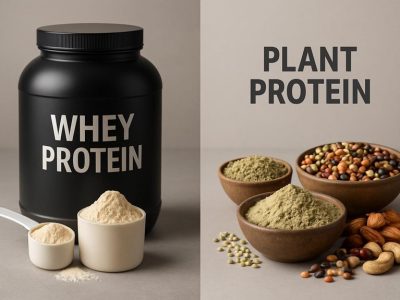
Protein powders provide a convenient way to boost overall amino acid intake. Whey protein contains all essential amino acids with high leucine content, making it ideal for muscle protein synthesis. A typical serving delivers 20-30g of complete protein. Plant-based options like pea, rice, and hemp protein blends have improved in quality, offering complete amino acid profiles through strategic combinations of different plant proteins.
Essential amino acid (EAA) complexes deliver all nine essential amino acids in balanced ratios, supporting protein synthesis without excess calories. These are particularly useful during periods of increased demand, such as during recovery from illness or intensive training. Unlike protein powders, EAA supplements don’t contain non-essential amino acids, making them a more targeted approach for those specifically needing to boost essential amino acid intake.
Specialized formulations target specific populations with unique needs. Medical-grade amino acid supplements support patients with malabsorption issues, while sports nutrition products feature tailored amino acid ratios for performance and recovery. Before starting any supplementation regimen, consult with a healthcare provider, especially if you have kidney or liver conditions that might affect amino acid metabolism or clearance.
Conclusion
Understanding the distinction between essential and non-essential amino acids is crucial for optimizing your nutrition and supporting overall health. Your body’s inability to produce essential amino acids makes dietary sources non-negotiable while non-essential amino acids can be synthesized internally.
Remember, certain amino acids become conditionally essential during stress illness or intense physical activity. By consuming a variety of protein sources or strategically combining plant proteins you can ensure your body receives all necessary amino acids.
Monitor your individual needs particularly if you’re an athlete pregnant or dealing with health conditions. Whether through food or supplements maintaining proper amino acid balance supports protein synthesis immune function and countless metabolic processes your body relies on daily.
To provide the best experiences, we use technologies like cookies to store and/or access device information. Consenting to these technologies will allow us to process data such as browsing behaviour or unique IDs on this site. Not consenting or withdrawing consent, may adversely affect certain features and functions.
Functional
Always active
The technical storage or access is strictly necessary for the legitimate purpose of enabling the use of a specific service explicitly requested by the subscriber or user, or for the sole purpose of carrying out the transmission of a communication over an electronic communications network.
Preferences
The technical storage or access is necessary for the legitimate purpose of storing preferences that are not requested by the subscriber or user.
Statistics
The technical storage or access that is used exclusively for statistical purposes.The technical storage or access that is used exclusively for anonymous statistical purposes. Without a subpoena, voluntary compliance on the part of your Internet Service Provider, or additional records from a third party, information stored or retrieved for this purpose alone cannot usually be used to identify you.
Marketing
The technical storage or access is required to create user profiles to send advertising, or to track the user on a website or across several websites for similar marketing purposes.