Picture a world where every cell holds a secret code, shaping the story of life itself. what separates a lush green forest from the delicate flutter of a butterfly’s wings? The answer lies deep inside, where the difference between diploid and haploid cells quietly orchestrates the dance of growth, reproduction, and evolution.
Picture tracing your family tree and discovering how every branch springs from a unique combination of genetic material. Understanding diploid and haploid cells isn’t just for scientists—it unlocks the mysteries behind how plants bloom, animals inherit traits, and even how your own body repairs itself. Jump into this microscopic universe and you’ll uncover surprising connections that reveal just how extraordinary life’s blueprint can be.
Understanding Ploidy: Basic Definitions
Ploidy describes how many sets of chromosomes a cell contains. Picture your DNA as library books—each set, a complete collection of genetic instructions. Most plants and animals you encounter daily use diploid cells, which hold two sets of chromosomes, one from each parent—think apples on a tree or the Labrador at the park. By contrast, haploid cells contain only one set, like a single key unlocking hundreds of genetic doors. Meiosis, the process behind creating gametes like eggs in salmon or pollen in sunflowers, relies on haploid cells, making them essential for passing traits to your kids or spreading wildflowers across meadows (Alberts et al., 2015).
Storytime: If you’ve ever wondered someone look like both their mom and dad, that’s ploidy at work. Every ancestor, from ancient farmers to modern scientists, depended on these basic ploidy principles to shape crops, animals, and even ecosystems. Chromosome number isn’t fixed—fern plants sometimes triple or quadruple ploidy, leading to unique foliage you won’t spot in other species. What if your favorite fruit had ten chromosome sets instead of two? Botanists experiment with polyploidy to create seedless watermelons and sweeter grapes (Parisod & Senerchia, 2012).
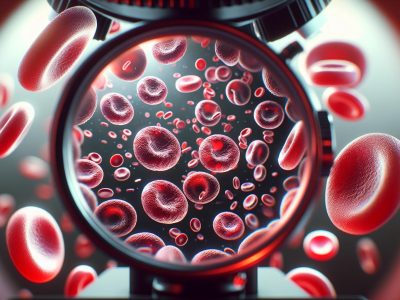
Open a microscope slide in your mind: You’ll spot diploid zygotes beginning life, combining maternal and paternal instructions in a molecular dance. Shift your focus, you’ll see haploid sperm swimming to fertilize an egg, maybe in a frog pond or a neighbor’s garden. Why does it matter? Understanding ploidy can help solve mysteries like genetic diseases, crop failures, or why certain traits only surface every few generations.
Ask yourself: Could the sturdiness of alpine flowers or the vibrant color of koi fish owe their origins to ancient ploidy shifts? Next time you bite into a hybrid apple or marvel at the diversity across animal species, remember ploidy—the quiet architect behind life’s infinite variety.
What Is Diploid?
Diploid cells form the backbone of growth, development, and repair in most animals and plants. You find them almost everywhere in your body, carrying genetic blueprints from both parents to shape everything from eye color to enzyme production.
Chromosome Number in Diploid Cells
Diploid cells always contain two complete sets of chromosomes, one from each parent, which you often see described as 2n. In humans, that means 46 chromosomes—23 pairs—with each parent contributing half. Butterflies, will you believe, flutter with 62, while the humble potato holds 48 chromosomes in each diploid cell. Cells, like your skin or muscle, store both parental gene sets, so the instructions can interact, combine, or even cancel each other. If a mutation flickers within one chromosome, often the companion set keeps everything running smoothly.
Examples of Diploid Organisms and Cells
Diploid organisms thrive throughout forests, oceans, and deserts—think wolves, ferns, and bees. Humans, with bone marrow churning diploid blood cells, rely on this setup to heal, grow, and fight disease. Trees, such as oaks, use diploid cells to craft strong trunks, green leaves, and acorns each autumn. In mushrooms, the diploid stage springs slyly between cycles, hiding genetic experiments that sometimes burst forth as unexpected traits. Picture, if squirrel populations depended on haploid cells instead, every injury or change could carry the full risk of a single mistake. Almost every complex plant and animal keeps its “original recipe” safe and sound as a diploid foundation, setting the stage for life’s dazzling parade of forms and colors.
What Is Haploid?
Haploid cells carry a streamlined set of chromosomes—just one from each pair, rather than two. You’ll find these single-set wonders at the heart of life’s most dramatic moments, like the creation of new generations.
Chromosome Number in Haploid Cells
Haploid cells contain one complete set of chromosomes. In humans, that means 23 unique chromosomes per cell. Plants like mosses pack their cells with only a single chromosome set too, setting the stage for genetic diversity. Without this reduction, every offspring’d pile up chromosome after chromosome, like stacking too many books on an unstable shelf—eventually, the system collapses.
Gametes, such as eggs and sperm in animals, define classic haploid cells. Through meiosis, these cells halve their chromosome numbers so that when two gametes join, they restore the diploid state. This chromosome choreography keeps genetic lineages balanced across generations (NIH, Genetics Home Reference).
Examples of Haploid Organisms and Cells
Fungi, including bread mold and yeasts, mostly exists in haploid form during their lifecycles. Protists such as Chlamydomonas reinhardtii, a green algae that thrive on moist rocks, also live predominantly haploid. Many insects, like honey bees, offer an intriguing twist: male drones emerge from unfertilized eggs and are entirely haploid, inheriting genes from just one parent.
Human eggs and sperm, with their solitary sets of chromosomes, illustrate haploid power in every family tree. Some plants, such as bryophytes (examples: mosses and liverworts), feature haploid-dominated life cycles—picture a green carpet of moss unfolding one unique chromosome set at a time. If you picture every seed as a genetic dice roll, it’s haploid cells that makes every outcome possible, fueling evolution’s gambit.
Key Differences Between Diploid and Haploid
Diploid and haploid cells shape your genetic destiny with their unique roles in heredity, survival, and evolution. Chromosome count, cell division patterns, and reproductive contribution are just a few areas where you’ll spot profound differences.
Genetic Variation and Cell Division
Genetic variation and cell division in diploid and haploid cells reveal distinct biological strategies. Diploid cells contain two chromosome sets—kind of like having both a backup plan and original instructions—which you see in body cells (somatic cells) of mammals, birds, and flowering plants. These cells divide by mitosis, resulting in offspring cells genetically identical to the parent. Picture a photocopy that faithfully preserves each line. Mitosis powers tissue repair, growth, and simple cell replacement.
Haploid cells hold just one chromosome set, enabling heightened genetic shuffling during reproduction. Through meiosis, diploid parent cells spawn haploid gametes—eggs and sperm in animals, pollen and ovules in plants. This halving of chromosomes prevents doubling with each generation. It’s the biological equivalent of resetting the counter at every new game. Research from Nature (2013) details that meiosis introduces crossing-over events, which exchange DNA segments for richer genetic combinations (doi:10.1038/nature11686).
If you ever notices that no two siblings are exact copies, that’s ploidy’s magic at work. In fruit flies (Drosophila melanogaster), haploid gametes produced in the ovaries and testes fuse, creating offspring with novel trait combinations. While human gametes (egg and sperm) are haploid, their union restores diploidy in each new individual.
Roles in Sexual and Asexual Reproduction
Roles in sexual and asexual reproduction highlight contrasting reproductive blueprints. Sexual reproduction employs both ploidy types to propagate genetic variety. Two haploid gametes unite during fertilization, forming a diploid zygote that inherits DNA from both parents. You observe this pattern in human births, bee populations, and oak trees dropping acorns each fall.
Asexual reproduction, on the other hand, often relies on diploid cells’ ability to copy themselves. Strawberry runners, Hydra budding, and the fission of flatworms are prime examples. No new genetic combinations arise—offspring match the parent like identical twins separated in time. Scientists at Harvard (Cell, 2016, doi:10.1016/j.cell.2015.12.024) confirm that stable environments favor asexual, diploid-driven propagation, while changing climates push species toward the diversity enabled by sexual—haploid-involving—reproduction.
Ever wondered why diseases sometimes devastate entire crops? A lack of genetic variation in asexually reproduced populations leaves organisms vulnerable to a single threat. Meanwhile, the ever-shifting genome landscape of species with sexual cycles, thanks to haploid gametes, increases survival odds against viruses, droughts, or predators.
Diploid and haploid cells, as architects of life’s variety, balance reproduction, innovation, and resilience—painting every forest canopy and human family tree with the brushstrokes of genetic diversity.
Importance of Diploid and Haploid States in Biology
Picture your genes as the master blueprints for construction—diploid cells as the robust city planners keeping every neighborhood stable, and haploid cells as wandering architects, bringing fresh sketches into the mix. Every time a frog leaps through a pond or a rose blooms in your garden, ploidy quietly orchestrates genetic harmony beneath the surface.
Diploid states anchor multicellular organisms by balancing stability and flexibility. When you scrape your knee, mitosis in diploid cells gets to work, replicating perfect copies that patch up skin. This process depends on those two complete sets of chromosomes—one from each parent—like a perfectly matched puzzle set. Such redundancy reduces the risk of destructive genetic errors (Smith et al., 2017), so most mammals, trees, and even yeast trust diploidy for daily survival. Ever wonder why your siblings look similar, yet unique? Diploid inheritance scatters genetic possibility like colors on an artist’s palette.
Haploid states, in contrast, spark variety through risk and reward. When a dandelion’s seeds spill across the field, each haploid gamete fuses randomly, flipping the genetic coin on every flower. In humans, your 23 single-chromosome gametes blend with another’s, so every zygote is a surprise—sometimes delight, sometimes dilemma (National Human Genome Research Institute, 2020). Evolution sways on this randomness. In honeybee colonies, a single haploid male (drone) fathers thousands of sisters, yet he only carries his mother’s genetic stamp—no dad in sight!
You might ask: would forests stand taller or collapse quicker if nature chose only one chromosome set for all? Some fungi lead mysterious lives almost entirely as haploids, veiling evolution’s secrets in plain sight. On the other hand, the mighty redwoods’ diploid cycles keep these giants strong through centuries, their DNA safeguarding resilience against diseases and fire (Pellmyr & Leebens-Mack, 2000).
Which path does nature favor—reliable blueprints or thrilling improvisation? The answer varies by context. Plants like wheat can double or triple their ploidy, creating hardier crops and unexpected characteristics scientists still exploring (Leitch & Leitch, 2008). Sometimes mistakes—like double sets of chromosomes in one seedling—become advantages: sweeter seedless fruits, drought-resistant strains, or completely new species.
Have you ever considered why life invests so heavily in both ploidy states? Diploid and haploid cells dance together at the heart of biology, building lineage, resilience, and possibility. Next time you look at a child, a pinecone, or your own hands, you are witnessing the careful negotiation between genetic stability and innovation—a timeless partnership that keeps the world growing, varied, and alive.
Conclusion
By grasping the difference between diploid and haploid cells you unlock a deeper understanding of how life sustains itself adapts and evolves. This knowledge gives you a new appreciation for the balance and creativity woven into every living thing—from the trees in your backyard to the cells in your own body.
Whether you’re curious about genetics evolution or the wonders of nature recognizing the roles of diploid and haploid cells helps you see the hidden patterns that shape the diversity and resilience of life all around you.
To provide the best experiences, we use technologies like cookies to store and/or access device information. Consenting to these technologies will allow us to process data such as browsing behaviour or unique IDs on this site. Not consenting or withdrawing consent, may adversely affect certain features and functions.
Functional
Always active
The technical storage or access is strictly necessary for the legitimate purpose of enabling the use of a specific service explicitly requested by the subscriber or user, or for the sole purpose of carrying out the transmission of a communication over an electronic communications network.
Preferences
The technical storage or access is necessary for the legitimate purpose of storing preferences that are not requested by the subscriber or user.
Statistics
The technical storage or access that is used exclusively for statistical purposes.The technical storage or access that is used exclusively for anonymous statistical purposes. Without a subpoena, voluntary compliance on the part of your Internet Service Provider, or additional records from a third party, information stored or retrieved for this purpose alone cannot usually be used to identify you.
Marketing
The technical storage or access is required to create user profiles to send advertising, or to track the user on a website or across several websites for similar marketing purposes.