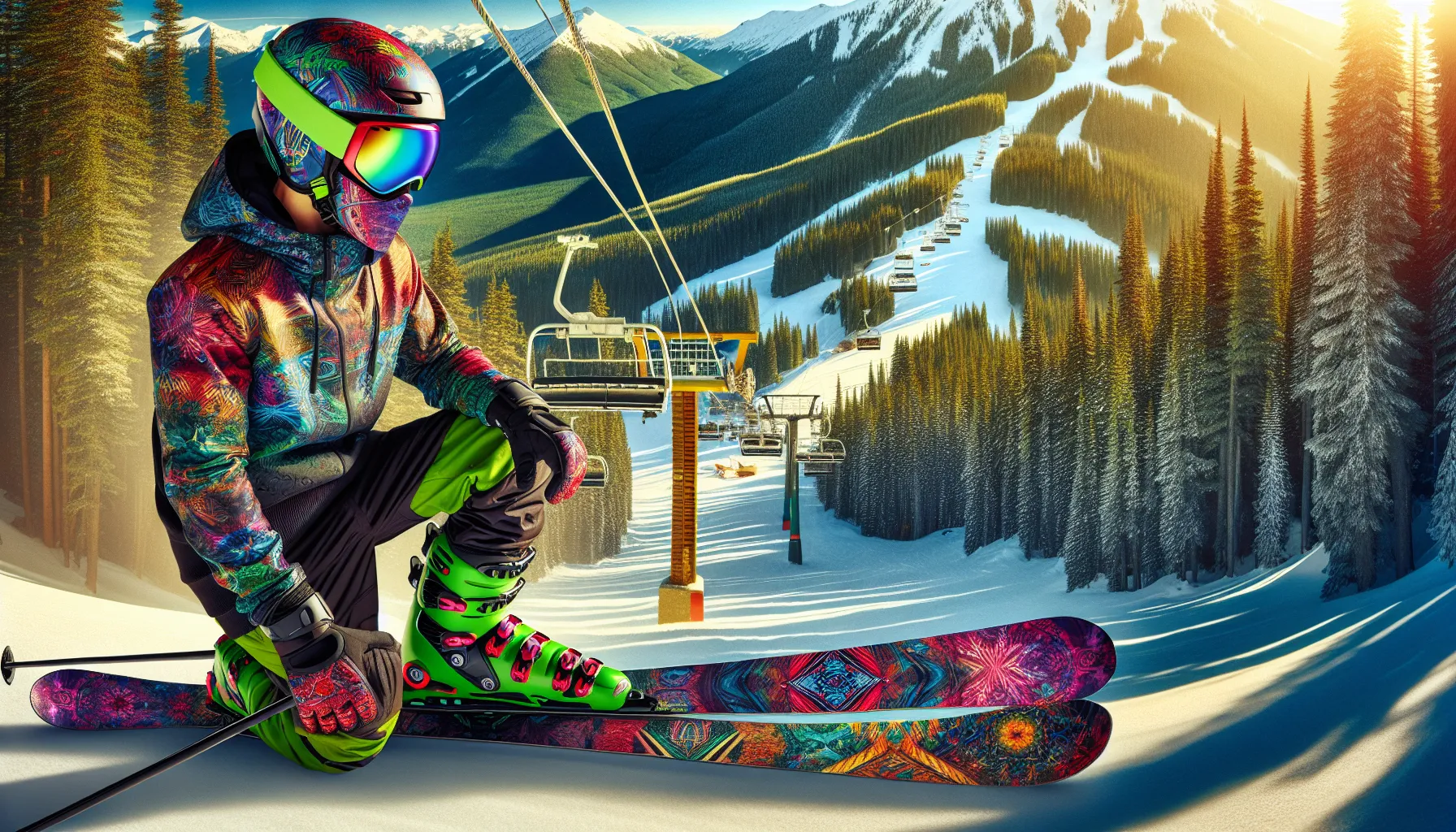
In the world of winter sports, skiing holds a special place, offering two diverse and exhilarating experiences in the forms of cross-country and downhill skiing. Each style caters to unique interests and physical capabilities, providing opportunities to explore breathtaking snowy landscapes or race down thrilling slopes. Understanding the nuances between these skiing disciplines can help you make an informed choice suited to your preferences and aspirations.
Overview of Skiing Disciplines
The Origins and Evolution of Skiing Styles
Skiing, as a form of transportation and leisure, dates back thousands of years, with evidence found in ancient civilizations across snowy regions. Over time, this practical means of travel evolved into recreational sports with distinct techniques and cultures emerging worldwide.
Introduction to Cross-Country and Downhill Techniques
Cross-country skiing focuses on traversing vast landscapes using self-propulsion, fostering endurance and exploration. Downhill skiing, on the other hand, centers around descending steep slopes at speed, emphasizing technique and agility.
Characteristics of Cross-Country Skiing
Terrain and Environment
Cross-country skiing is often performed on ungroomed trails, rolling hills, and open plains, showcasing picturesque natural settings far from developed ski resorts.
Equipment Specific to Cross-Country Skiing
Specialized skis, lighter and slimmer than their downhill counterparts, paired with flexible bindings, enable efficient movement across varying terrains. Ski poles tailored to the skier’s height are crucial for propulsion.
Benefits and Training Considerations
This sport offers an excellent whole-body workout, improving cardiovascular health and muscle endurance while promoting balance and coordination.
Attributes of Downhill Skiing
Resort Terrain and Accessibility
Downhill skiing typically takes place in designated ski resorts equipped with groomed trails, inclines, and convenient lift systems.
Gear and Technological Advancements
To enhance performance and safety, downhill skiing equipment has seen innovations such as shaped skis, sophisticated bindings, and impact-resistant helmets.
Competitive and Recreational Aspects
Whether you’re a casual skier enjoying runs down beginner slopes or a competitor chasing precision and speed, downhill skiing caters to a range of skill levels.
Comparative Analysis of Both Skiing Types
Physical Demands and Skill Development
Cross-country skiing necessitates stamina and endurance, while downhill skiing demands strength and mastery of rapid directional changes.
Suitability for Various Enthusiasts
Cross-country skiing appeals to those seeking solitude and endurance challenges, whereas downhill skiing offers adrenaline-inducing excitement in a more structured setup.
Choosing Between Cross-Country and Downhill Skiing
Factors Influencing Preference
Considerations such as preferred pace, access to facilities, and physical conditioning can guide your choice between cross-country and downhill skiing.
Recommendations for Beginners
For newcomers, starting with lessons tailored to the chosen style ensures a safe and enjoyable introduction to skiing.
To provide the best experiences, we use technologies like cookies to store and/or access device information. Consenting to these technologies will allow us to process data such as browsing behaviour or unique IDs on this site. Not consenting or withdrawing consent, may adversely affect certain features and functions.
Functional
Always active
The technical storage or access is strictly necessary for the legitimate purpose of enabling the use of a specific service explicitly requested by the subscriber or user, or for the sole purpose of carrying out the transmission of a communication over an electronic communications network.
Preferences
The technical storage or access is necessary for the legitimate purpose of storing preferences that are not requested by the subscriber or user.
Statistics
The technical storage or access that is used exclusively for statistical purposes.The technical storage or access that is used exclusively for anonymous statistical purposes. Without a subpoena, voluntary compliance on the part of your Internet Service Provider, or additional records from a third party, information stored or retrieved for this purpose alone cannot usually be used to identify you.
Marketing
The technical storage or access is required to create user profiles to send advertising, or to track the user on a website or across several websites for similar marketing purposes.