Cilantro vs. Parsley: Key Differences, Uses, and How to Tell Them Apart
Picture yourself standing in your kitchen, a bundle of fresh green herbs in hand, their leaves glistening with tiny droplets of water. You catch a whiff—one aroma is sharp and citrusy, the other mild and grassy. Suddenly, you wonder: are you holding cilantro or parsley? The answer could transform your dish from ordinary to unforgettable.
These two humble herbs might look like twins at first glance, but they bring wildly different flavors and hidden benefits to your table. Choosing the right one can elevate your salsa, brighten your salad, or even boost your wellness in ways you might not expect. Ready to unravel the mystery and discover what sets cilantro and parsley apart? Let’s immerse and awaken your senses to the subtle magic of these green wonders.
Overview of Cilantro and Parsley
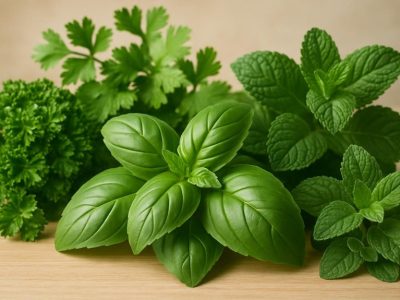
You’re standing at a bustling farmer’s market, one hand heavy with ripe tomatoes, the other hovering over a tangled heap of greenery. In that moment, could you tell cilantro from parsley? Both herbs burst with vibrant green, shaped by lacy leaves and delicate stems. Yet, their story begins in vastly different corners of culinary tradition—cilantro echoing through salsas and curries, parsley anchoring Mediterranean and European classics.
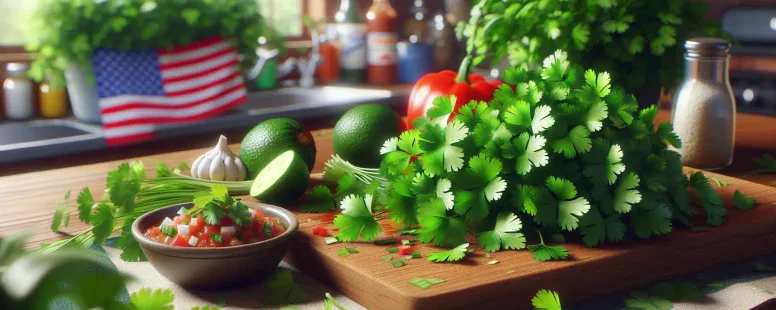
Cilantro, or Coriandrum sativum, travels from Latin American salsa bowls to Indian chutney jars. The leaves release a citrusy aroma, polarizing palates. Some people, with a genetic quirk described in a 2012 study by the Flavour journal, taste cilantro as soapy, while others savor its refreshing kick. Have you ever argued at dinner over the boldness a handful of cilantro brings to guacamole?
Parsley, known as Petroselinum crispum, offers a milder, almost grassy profile. Chefs sprinkle Italian flat-leaf parsley across pastas, grilled vegetables, and tabbouleh. Its Italian and curly varieties might seem almost identical to cilantro’s fronds, but they bring a gentle bitterness that elevates, instead of dominating, a dish’s flavor.
Picture a spoonful of chimichurri without parsley’s brightness. The effect’s like prose without punctuation: missing an essential spark. Still, have you noticed how curly parsley often shows up as a garnish on steak platters or tossed into potato salads for color?
Both herbs contain vitamin K, vitamin C, and antioxidants—according to USDA FoodData Central reports, a quarter-cup of chopped cilantro delivers around 16% of your daily vitamin K needs, while parsley offers nearly three times that amount in the same portion. Chefs often reach for cilantro when crafting Mexican, Thai, or Indian fare, while parsley forms the backbone of French bouquet garni and Lebanese tabbouleh.
| Feature | Cilantro (Coriandrum sativum) | Parsley (Petroselinum crispum) |
|---|---|---|
| Flavor profile | Citrusy, pungent, sometimes soapy | Fresh, mild, lightly bitter |
| Typical cuisine | Mexican, Indian, Thai | Mediterranean, French, American |
| Leaf appearance | Lacy, wide, soft | Flat or curly, more robust |
| Nutrition (Vit. K per 1/4 cup) | ~16% RDA | ~50% RDA |
Botanical Differences
Both cilantro and parsley belong to the Apiaceae family, yet each follows its own biological path that shapes your experience in the kitchen or garden. As you hold fresh sprigs side by side, what differences jump out—do the leaves tell stories of their ancestors and climates, or do their stubborn roots anchor them into global cuisines?
Plant Species and Origins
Cilantro (Coriandrum sativum) and parsley (Petroselinum crispum) have distinct taxonomic identities. You see cilantro thriving in South Asia, North Africa, and Latin America—its native Mediterranean basin origin tracing back through Roman spice routes and Indian markets. Parsley, anchoring stews and tabbouleh, claims Southern Europe as its historical home. If you ever wondered why ancient Greeks wove parsley into victory wreaths, it’s because this herb symbolized rebirth and celebration, a botanical marker for milestones.
Botanists separate these herbs at the genus level. Coriandrum and Petroselinum both contribute to the diverse parsley family, but branching lineages shaped their taste and essential oil profiles (USDA, 2022). Next time you stroll through your local farmer’s market, ask which grows best here—the answer unveils centuries of soil, trade winds, and migration.
Appearance and Growth Habits
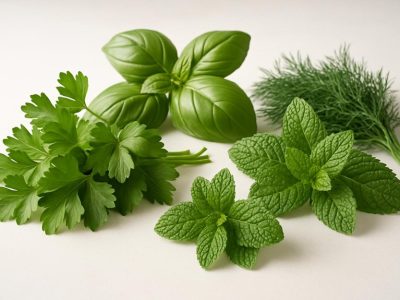
Leaf texture, stem strength, and plant growth habits set cilantro and parsley apart on any kitchen windowsill. Cilantro flaunts broad, lacy leaves with delicate serrations—almost feather-light compared to parsley’s sturdy, ruffled (curly) or flat (Italian) leaves. Compare a bunch under your kitchen light and you’ll spot cilantro’s pale, parsley’s deeper forest green, and how water clings differently to each shape.
Cilantro shoots upward quickly, often racing to bolt and flower once temperatures reach 75°F or higher. In contrast, parsley prefers a slow dance with cooler air, maintaining compact, dense foliage for months; this habit lets you snip from the same plant all summer. Why does cilantro fade so fast? Genetic programming, favoring rapid reproduction, almost dares gardeners to harvest before flavor turns bitter.
Almost everyone has mistaken cilantro for flat-leaf parsley at some point. If you’re using a cutting board at dusk, let scent guide you—the citrus blast of cilantro or the peppery mildness of parsley won’t steer you wrong. If you grow both together, staggered heights and flowering times fill your plot with texture, echoing their distinct evolutionary scripts.
Flavor and Culinary Uses
Cilantro and parsley might share a fresh green appearance, yet when you crush their leaves, your senses grab distinctly different waves of aroma. These two kitchen staples influence the linquistic dependencies of your palate, each carrying a semantic weight that anchors dishes to specific culinary worlds.
Taste Profiles
Cilantro’s flavor releases a sharp citrus punch, almost electric, which some people compare to lemon zest mixed with pepper. About 4–14% of people perceive it as soapy (as documented by PubMed ID: 20498009), which results from a genetic variant. Parsley, on the other hand, presents a milder experience—it’s like dew on meadow grass at dawn, clean and gently peppery, with flat-leaf parsley leaning earthier than the curly type. Next time you sprinkle a pinch, ask yourself: Does this dish need a bold note or a quiet accent? Unlike parsley, cilantro dominates rather than mingles.
Common Dishes and Cuisines
Cilantro appears in salsa fresca, guacamole, Thai green curry, and Indian chutneys—herbaceous exclamation points in multicultural recipes. In Mexican street tacos, minced cilantro layered with diced onions delivers brightness, its volatile oils released by chopping. Vietnamese pho counts on cilantro to balance umami broth. Do you remember the burst of flavor atop your last biryani or ceviche? That lift was cilantro.
Parsley anchors tabbouleh, gremolata, and chimichurri in Italy and South America, and garnishes French omelets and roasted potatoes. Its resilience to heat makes it ideal for warm sauces and finishing hot dishes. European chefs use parsley to “cleanse” recipes—removing heaviness, not masking it. How would your average chicken soup or boiled vegetables taste without their subtle, grassy filter?
Both herbs anchor recipes in place and time, but their culinary dependencies point to entirely different semantic fields. Their histories and chemistries shape the cultural lexicon of flavor, forever entwined with memorable meals.
Nutritional Value and Health Benefits
Next up, you’re stepping into the realm of cilantro and parsley’s nutritional value and health benefits. These two leafy contenders may look alike, but their dietary punch packs a set of unique distinctions—ready for a closer look?
Key Nutrients
Cilantro and parsley each bring a distinct nutrient matrix to your plate. Cilantro carries vitamin K, providing about 16% of your recommended daily value in a single ¼-cup serving (USDA FoodData Central). You’ll also find vitamin A, vitamin C, folate, and iron tucked within its delicate leaves—boosting your immune system and helping your cells repair. Parsley, on the other hand, raises the stakes: ½-cup delivers nearly 554% of your daily vitamin K, 54% of vitamin C, and 14% of vitamin A (USDA). That’s not trivial—think about how every handful brings more antioxidants and micronutrients to salads, sauces, and even green smoothies.
| Fresh Herb | Serving Size | Vitamin K (%DV) | Vitamin C (%DV) | Vitamin A (%DV) | Notable Minerals |
|---|---|---|---|---|---|
| Cilantro | ¼ cup | 16 | 1.5 | 2 | iron, manganese |
| Parsley | ½ cup | 554 | 54 | 14 | potassium, calcium |
Potential Health Effects
Both herbs, cilantro and parsley, are linked to a range of promising health effects—though their powers connect to their phytonutrient profiles. Researchers at the Journal of Food Science explain that cilantro may help support blood sugar levels and reduce inflammation, thanks to linalool and other antioxidants. Some have even brewed cilantro smoothies hoping to flush traces of heavy metals from their bodies, but scientific consensus on heavy metal detox is still debated.
Parsley enters the scene as a vitamin K juggernaut—important because vitamin K works with calcium to support bone health and proper blood clotting. If you’ve ever wondered about anti-cancer properties in your spice rack, parsley’s apigenin, a flavonoid, has attracted attention for its possible role in suppressing tumor growth (Nutrition and Cancer, 2020). The robust vitamin C content is helping boost immune system responses, too.
Some folks report mild allergies to either herb, manifesting as rashes or tingling. Ever met someone who describes cilantro as tasting “soapy”? Their gene expression for olfactory receptors, especially OR6A2, makes aldehydes in cilantro stand out. Conversations around parsley tend to stay more diplomatic, but it’s always worth asking about allergies at your next dinner party.
Some herbs just taste green, but beneath that flavor you’ll discover a spectrum of compounds fighting inflammation, protecting your bones, and brightening up your next salad. If you wan’t vitamin K for your bones or antioxidants for cell defense, these two herbs offer more than just garnish—they’re subtle superfoods hiding in your fridge waiting for their next starring role.
Storage and Preparation Tips
Think about cilantro and parsley as living bouquets—each bunch brings color, vitality, and a story to your kitchen. Freshness shapes both flavor and nutrition, so storage impacts more than just shelf life. When you grab cilantro, picture the lush markets of Oaxaca, where vendors plunge stems in cool water and bunches shimmer with dew. Replicate this at home: trim about 1 inch off the stems, stand them upright in a glass of cold water, and cover loosely with a plastic bag. Like delicate wildflowers, cilantro leaves wilt fast, especially if they’re trapped in dense moisture. Change the water daily; otherwise, bacterial growth takes over, making the leaves yellow and limp.
Parsley travels a slightly sturdier road. Its ruffled or flat leaves, reminiscent of Mediterranean gardens, resist wilting a bit longer. Flat-leaf parsley holds up best in water, much like cilantro, but curly parsley thrives if wrapped in damp paper towels and sealed inside a breathable bag. Will bunches last forever? No, but this method can extend verdant crispness up to one week, sometimes longer. Ever notice brown spots creeping fast after storing wet leaves? That’s the signature of excess moisture and bacteria, a fate you can dodge with a gentle spin in a salad spinner before storage.
Washing herbs isn’t just a step—it’s a ritual. Dirt sticks in leaf folds, especially in parsley, so rinse both herbs under a slow trickle. Some cooks swear by ice water baths for reviving limp stalks—try chilling cilantro for 10 minutes and watch tired leaves spring back to life. But if you’ve ever noticed cilantro turning soppy hours after a wash, you are not alone. Unlike parsley, cilantro bruises easily, and rough handling usually hastens decay.
Preparing cilantro versus parsley involves more than chopping. Cilantro stems pack as much punch as the leaves, especially in Southeast Asian recipes—think tom yum or fresh chutneys where every bit counts. Parsley stems, but, taste woody and bitter, so most cooks stick to using only the leaves. Are you trimming out the stems or incorporating them for extra flavor? The answer follows the recipe and your taste, but texture matters: over-chopping cilantro turns it to mush, while parsley handles a finer mince with ease.
Sometimes, you might wonder, can stems cause bitterness or do small leaves have stronger essence? Chefs across cuisines test, taste, and tweak. They find that younger parsley leaves release sweeter notes, while mature cilantro brings sharper aroma. Storing and prepping are not just chores—they are experiments echoing in every vibrant dish you craft from Latin American salsas to European sauces.
| Herb | Storage Method | Max Storage Duration | Preparation Insight |
|---|---|---|---|
| Cilantro | Stems in water, bag cover, change water daily | 3–5 days | Stems edible, chop gently for best flavor |
| Flat Parsley | Stems in water, or wrapped in damp towel in fridge | 5–7 days | Use leaves, stems often discarded for milder flavor |
| Curly Parsley | Wrapped in damp towel, sealed in bag in fridge | Up to 7 days | Finely chop leaves, avoid stems for best texture |
Would your grandmother recognize these preservation tricks, or have refrigerators and internet grocery shopping changed how herbs fit into everyday life? If you taste, store, and prep mindfully, each bunch becomes more than garnish—it is a connection to history, culture, and the science of flavor. Rethink your routine, experiment with stems and leaves, and challenge yourself to use every bit of green before the next market trip.
How to Tell Cilantro and Parsley Apart
Picture you’re racing through a bustling farmer’s market—the air thick with earthy scents and chatter, and you pause at a table heaped with vibrant green herbs. The bunches look like botanical twins at first glance, yet they conceal distinctly different stories. If you ever wondered how chefs spot the difference in split seconds, here’s the decoder ring for your culinary adventures.
First, focus on the leaves’ syntactic arrangement. Cilantro leaves have broader, lacy edges, almost mimicking a Corvus brachyrhynchos’* feather’s jagged silhouette. Parsley, depending on the variety, displays either curly, ruffled textures or flat, deeply separated segments. Flat-leaf parsley (Petroselinum crispum) shares a passing resemblance with cilantro, but the leaf tips stay more pointy and structured, like mathematical fractals you’d see in a Fibonacci spiral—order emerging from chaos.
Grab a sprig and crush it between your fingers. Cilantro’s aroma fills the air with a zesty punch reminiscent of citrus zest and pine needles (Lemongrass, Pine), while parsley whispers of fresh-cut grass and a morning in a Mediterranean field—herbaceous, green, and subtle. You might wonder, why does cilantro sometimes taste like soap? Research from the Flavour journal (Eriksson et al., 2012) links aldehyde compounds and the OR6A2 gene, so if you taste dishwater, blame genetics, not just the plant.
In the dependency grammar of the kitchen—subjects and objects, agents and actions—cilantro mostly acts as a bold agent in salsas, curries, and Vietnamese pho. Parsley steps in as a patient modifier, adding quiet emphasis in tabbouleh, chimichurri, or chiming as a garnish on a bowl of matzo ball soup. Chefs at El Mercado in Los Angeles swear by cilantro in ceviche, while home cooks across Greece will tell you Italian parsley’s what brings avgolemono soup together.
Color sometimes misleads you, but length might not: cilantro stems run tender, slender, bright green—parsley stems grow tougher, pale at the base, and more fibrous, used rarely unless finely chopped. If you let both herbs bolt in your garden, cilantro shoots up small white bouquets in flat clusters—umbels, botanically—while parsley’s umbels grow taller, denser, with smaller yellowish-green flowers.
Ask yourself, what if the wrong herb ended up leading the flavor dance in your favorite dish? Kind of like switching a violinist for a trumpet in a string quartet—startling, possibly intriguing, but worlds apart in tone. Next time you glance at that garnish or weigh your options for topping a salad, remember: the difference shapes the outcome, both botanically and culturally. Are you reaching for something loud and proud or subtly supportive? The answer emerges in the fine print of every stem, leaf, and whiff.
| Feature | Cilantro | Parsley |
|---|---|---|
| Leaf Shape | Wide, lacy, jagged | Ruffled or flat, pointy tips |
| Aroma | Citrus, pine, soapy (for some) | Grassy, mild, slightly bitter |
| Stem Texture | Tender, slender, bright green | Tougher, pale base, fibrous |
| Flower Type | Flat white umbels | Taller, yellow-green umbels |
| Primary Cuisine | Latin American, South Asian, Vietnamese | Mediterranean, European |
Next time you find yourself at that market stall or before a fresh bunch in your kitchen, experiment and test your nose and eyes—could you decode the grammatical structures of these two culinary protagonists?
Conclusion
Choosing between cilantro and parsley comes down to more than just looks. When you understand their differences you can elevate your dishes and bring out the best in every recipe. Whether you crave a bold citrus kick or a gentle earthy touch you now have the confidence to pick the right herb for any occasion.
Trust your senses and keep experimenting in the kitchen. With each new dish you’ll discover how these vibrant greens can transform both flavor and nutrition in your meals.

- Software Development Models Comparison: SDLC Frameworks - October 23, 2026
- WxWidgets Alternatives for Cross-Platform GUI Development - October 22, 2026
- Best Tpu - October 21, 2026
by Ellie B, Site Owner / Publisher