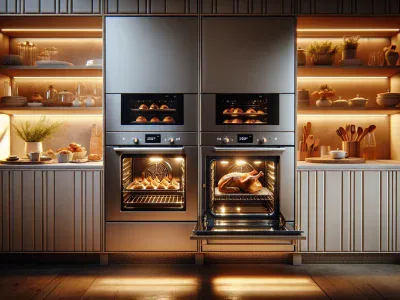
Imagine pulling a tray of golden-brown cookies from the oven, their aroma filling your kitchen. But have you ever wondered why some recipes call for “baking” while others specify “convection baking”? The difference might seem subtle, but it can completely transform your culinary creations. From the texture of your cakes to the crispiness of your roasted vegetables, the type of baking you choose plays a crucial role.
Understanding the distinction between these two methods isn’t just for professional chefs—it can elevate your everyday cooking. Whether you’re aiming for perfectly even browning or a faster bake time, knowing when to use traditional baking versus convection can make all the difference. So, what sets them apart, and how can you use each to your advantage? Let’s explore the key differences and unlock the secrets to mastering both techniques.
Understanding Baking and Convection Baking
Both baking and convection baking involve dry heat techniques but function differently based on heat circulation and technology. Gaining insight into these methods enhances your ability to achieve desired cooking results.
What Is Traditional Baking?
Traditional baking uses heated air within an enclosed space, typically an oven. The heat source, often located at the bottom, warms the oven interior. Thermal conduction then transfers heat to your food. Without forced air circulation, temperature consistency within the oven relies heavily on placement and preheating time.
For example, when you bake a cake using a traditional oven, it depends largely on the still air to surround and gradually heat the batter. Uneven hot spots may form, so placement in a central rack is crucial. While this method works well for delicate dishes such as soufflés, it may lead to slower cooking or less crisp textures in foods like pastries.
What Is Convection Baking?
Convection baking enhances the basic baking process by introducing a fan and exhaust system, which circulates hot air throughout the oven. This airflow maintains uniform temperatures, ensuring food cooks evenly and often faster than in a traditional oven.
Consider roasting vegetables: convection baking helps them brown more evenly and develop a crisp exterior. Also, this method’s efficiency can reduce cooking times by around 25%, depending on the recipe, making it ideal when preparing large meals or time-sensitive dishes. Some convection ovens also allow moisture regulation, which is beneficial for specific recipes like crusty breads.
Key Differences Between Baking And Convection Baking
Baking and convection baking differ primarily in how heat is applied and distributed, affecting cooking time, texture, and energy efficiency. Understanding these distinctions lets you choose the right method for specific dishes.
Heat Distribution
Convection baking circulates hot air around your food through a fan and exhaust system, ensuring even cooking. This prevents hotspots typically found in traditional baking, where heat often concentrates more at the bottom or near oven walls. For example, cookies placed on multiple racks bake uniformly in a convection oven, while in a conventional oven, those on the lower rack might overbrown.
Traditional baking relies on stagnant air within the oven, with heat emanating from the top and bottom heating elements. While effective for dense items like casseroles, it can result in uneven cooking for delicate pastries that require consistent temperatures.
Cooking Time
Convection baking typically reduces cooking times by up to 25% due to efficient air circulation. For instance, roasting a chicken might take 60 minutes in a standard oven but only 45 minutes in a convection oven. Shorter times make convection ideal for busy kitchens but require careful monitoring to avoid overcooking.
Baking takes longer because it uses still air, which heats food less efficiently. Recipes for bread or cakes that specify traditional baking often accommodate extended cooking periods, ensuring gradual and thorough heating.
Texture And Finish
Convection baking excels at delivering crisp and golden finishes due to its ability to consistently brown surfaces. Roasting vegetables, for instance, results in evenly caramelized edges without soggy interiors. Similarly, puff pastry achieves flakier textures in convection ovens.
In contrast, traditional baking is better suited for items requiring a soft, uniform crumb, such as sponge cakes, where direct air movement might disrupt their delicate structure. Slower, consistent heat supports better rise and texture in these cases.
Energy Efficiency
Convection ovens consume less energy by cutting cooking durations and requiring slightly lower temperatures, often by about 25 degrees Fahrenheit. Over the course of multiple uses, this results in noticeable energy savings and lower utility bills.
Conversely, traditional baking uses more energy because of longer cooking times and higher temperatures. While the difference may seem minor for individual sessions, it accumulates over weeks or months, especially for frequent bakers.
When To Use Baking Vs. Convection Baking
Understanding when to choose traditional baking or convection baking impacts the flavor, texture, and appearance of your culinary results. Each method serves different purposes based on the dish type and desired outcome.
Ideal Scenarios For Traditional Baking
Traditional baking works best for delicate recipes where an even, controlled heating process ensures optimal results. Cakes, custards, and soufflés benefit from the steady heat source since excessive air circulation can disturb their structure. For example, sponge cakes need a gentle rise, which can collapse under the force of circulating air.
In bread baking, traditional baking allows for a slower crust development, leading to a softer exterior. Similarly, items like cheesecakes or flans demand consistent radiant heat to prevent cracking and maintain smooth textures. Consider using this method for recipes specifying low, moist heat for retaining texture integrity.
Best Uses For Convection Baking
Convection baking excels in recipes requiring faster cooking and even browning. Roasted vegetables, such as carrots and potatoes, gain crisp, caramelized exteriors with soft interiors due to rapid air circulation. Similarly, baked goods like cookies or pies develop an evenly browned crust, achieving professional results in less time.
This method is ideal for multi-rack cooking. For instance, you can bake several trays of cookies simultaneously without uneven spots. Meats, such as a whole chicken or turkey, benefit from the consistent airflow, creating crispy skin while locking in juices. Convection also reduces cooking times for busy schedules or large meal preparations.
Pros And Cons Of Each Method
Every baking method offers distinct benefits and challenges. Understanding these elements helps you decide which technique works best for specific recipes or desired outcomes.
Advantages Of Traditional Baking
Traditional baking provides stable and consistent heat, essential for delicate recipes that require controlled cooking environments. Cakes, soufflés, and custards, for example, benefit from this steady thermal conduction, preserving their soft textures and ensuring even rise.
Traditional ovens are straightforward to use, involving fewer settings and adjustments. This simplicity can be helpful when creating classic dishes or for beginners looking to build confidence in baking.
Advantages Of Convection Baking
Convection baking reduces cooking times by around 25% through its fan-driven heat circulation. Items like roasted vegetables and crunchy-topped casseroles cook faster with even browning, enhancing both flavor and texture.
This method excels in multi-rack cooking—ideal for batch-baking cookies or preparing layered dishes like lasagna. The circulating air evenly distributes heat, eliminating hotspots and guaranteeing consistent results across all trays.
Convection ovens optimize energy efficiency since foods cook faster and at lower temperatures. Over time, this reduces both power consumption and cooking costs, which makes them more environmentally friendly.
Potential Drawbacks
Traditional baking may lead to uneven results if food placement isn’t carefully managed due to reliance on stagnant heat. Also, longer cooking times can delay meal preparation, especially during busy schedules.
Meanwhile, convection baking can overcook or dry out delicate items like sponge cakes or puff pastries, as the circulating air may cause items to lose moisture. Adjusting temperatures and monitoring recipes closely becomes more critical with this method.
Choosing the appropriate baking method eventually depends on the recipe, cooking conditions, and your desired texture or finish.
Tips For Adjusting Recipes
Modifying recipes for convection baking often requires understanding key factors that influence how food cooks. Adjustments in temperature and cooking time play critical roles in achieving optimal results.
Temperature Adjustments
Lowering the temperature when using convection baking ensures food doesn’t overcook. Usually, reduce the oven temperature by 25°F compared to traditional baking. For example, if a recipe calls for 375°F in a conventional oven, set a convection oven to 350°F. This accounts for the more efficient heat distribution from circulating air. High-sensitivity dishes like meringues or soufflés may require a slightly larger reduction for best outcomes. Reference the specific brand and model of your oven for additional guidance since variations may exist.
Cooking Time Adjustments
Cooking time is shorter in convection ovens due to their efficiency. Decrease the total time by approximately 15-25%, or monitor the dish frequently near the recipe’s suggested end time. For example, a batch of cookies that normally bakes for 12 minutes in a traditional oven might finish in 9-10 minutes. Use the oven light or open the door minimally to avoid disrupting airflow for delicate items. Keep in mind that factors like food placement and oven calibration can influence timing adjustments.
Conclusion
Choosing between baking and convection baking depends on the results you’re aiming for and the type of dish you’re preparing. Both methods have unique strengths, and understanding when to use each one can elevate your cooking and baking skills.
By mastering the nuances of heat distribution, cooking times, and recipe adjustments, you’ll be able to achieve perfectly baked goods and savory dishes every time. Whether you’re crafting delicate pastries or roasting crispy vegetables, the right technique makes all the difference.
Published: July 25, 2025 at 8:55 am by Ellie B, Site owner & Publisher
To provide the best experiences, we use technologies like cookies to store and/or access device information. Consenting to these technologies will allow us to process data such as browsing behaviour or unique IDs on this site. Not consenting or withdrawing consent, may adversely affect certain features and functions.
Functional
Always active
The technical storage or access is strictly necessary for the legitimate purpose of enabling the use of a specific service explicitly requested by the subscriber or user, or for the sole purpose of carrying out the transmission of a communication over an electronic communications network.
Preferences
The technical storage or access is necessary for the legitimate purpose of storing preferences that are not requested by the subscriber or user.
Statistics
The technical storage or access that is used exclusively for statistical purposes.The technical storage or access that is used exclusively for anonymous statistical purposes. Without a subpoena, voluntary compliance on the part of your Internet Service Provider, or additional records from a third party, information stored or retrieved for this purpose alone cannot usually be used to identify you.
Marketing
The technical storage or access is required to create user profiles to send advertising, or to track the user on a website or across several websites for similar marketing purposes.