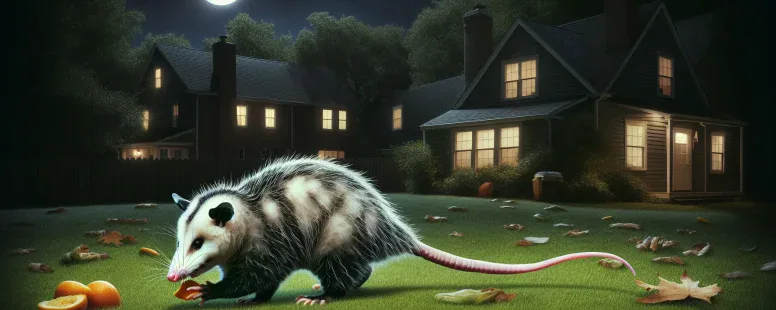
Picture yourself walking through a moonlit garden when a furry creature scurries past—was that a possum or an opossum? The names sound almost identical yet they conjure up two very different animals from opposite sides of the world. You might be surprised to discover that these lookalike names hide a world of fascinating differences.
Unlocking the secrets between possums and opossums isn’t just about satisfying curiosity. It can help you spot wildlife more accurately and even protect your backyard from unexpected guests. So if you’re ready to see beyond the shadows and learn what truly separates these mysterious marsupials, you’re in for a treat.
Understanding the Difference Between a Possum and an Opossum
When you spot a furry marsupial darting across a fence at dusk, your mind might leaps between “possum” and “opossum”. Both names taps into a wild world, but only one visits North America—opossum. Possums roam the forests of Australia and nearby islands, not your neighborhood. Opossums, like the Virginia opossum (Didelphis virginiana), wander through yards from Texas to Maine. The names may sounds alike, yet these mammals trace different evolutionary trees.
Possums belong to the suborder Phalangeriformes; you’ll find these marsupials nesting among eucalyptus branches, their fluffy tails curling like emerald vines. If you’re picturing something sleek, with a sharp face and a prehensile tail, then you’re imagining an Australian possum, such as the common brushtail possum (Trichosurus vulpecula). Opossums, clustered in the order Didelphimorphia, sport bare, rat-like tails and a penchant for scavenging. Their marsupial pouches and opposable thumbs lets them climb, but only opossums “play dead,” a behavior called thanatosis to fool predators (National Geographic, 2022).
Ask yourself: Would you recognize the scratchy sound of an opossum rummaging through trash or the soft leap of a possum on a tree limb? It’s easy to miss the clues, especially since opossums can grow up to 40 inches including tail, while possums rarely reach half that length (Australian Museum, 2023; Smithsonian’s National Zoo, 2021). Oddly, both use their tails for balance—but only possums can carry whole bundles of leaves.
Many confuse the two creatures based on their names alone. , American English often shortens “opossum” to “possum,” which muddle identifications. Has anyone at your summer barbecue ever insisted the little prowler was a possum? Regional language creates as much confusion as evolutionary history.
By knowing the difference, you’re not just showing off at trivia night—you’re also protecting your pets and gardens from a misidentified marsupial. These differences go deeper than looks or geography; they echo complex ecosystems, human migration, even the way children’s stories borrow characters. Which tale sticks in your mind—the wisdom of the Australian possum or the resilience of the North American opossum?
Geographic Distribution
Geographic distribution shapes the destinies of possums and opossums in fascinating ways. You’ll notice these marsupials’ ranges never overlap, raising a question: what stories do their habitats whisper about adaptation and survival?
North American Opossum
The North American opossum, primarily the Virginia opossum (Didelphis virginiana), thrives from southern Canada to Costa Rica. You might spot these adaptable omnivores near woodlands, urban edges, even in city alleys rooting through trash cans or under porch lights. In winter, opossums can sometimes be seen with frostbitten ears, a stark reminder that their tropical ancestors never expected snow. According to National Geographic, these resilient animals exploit human-altered landscapes to find food and shelter.
Curiously, you won’t find opossums in the Western US mountains above 8,000 feet, where cold and scarce cover limit their spread. Every possum sighting north of Mexico highlights their gradual expansion— an ecological tale powered by adaptability rather than brute force.
Australian Possum
Australian possums, including the common brushtail possum (Trichosurus vulpecula) and ringtail possum (Pseudocheirus peregrinus), roam eucalyptus forests, suburban gardens, and city rooftops from Queensland to Tasmania. Would you expect one of the loudest noises in an Australian night to be a possum scrabbling across the roof tiles, or an unexpected guest investigating your fruit bowl? These agile climbers rarely descend to the ground, preferring tree hollows and dense foliage.
The brushtail possum, for example, has colonized New Zealand after human introduction, which dramatically affected native bird populations. In contrast, the green ringtail possum remains tucked away within Queensland’s tropical rainforests, almost invisible outside its complex web of ecological relationships.
Picture asking your neighbor in Sydney about the animal raiding their vegetable garden. You’ll probably hear spirited debates over whether possums are delightful icons or persistent pests. According to the Australian Museum, possums adapt to city life by exploiting roofs and attics, forming new survival strategies in a changing climate.
What do these overlapping stories say about evolution and coexistence? Does every city, forest, or backyard host its own wild drama? The geographic divide between possum and opossum shows how adaptation and migration create parallel-yet-separate ecological sagas— sometimes noisy, sometimes hidden, always unfolding where wilderness meets the edge of human imagination.
Physical Characteristics
Physical characteristics set possums and opossums apart at a glance, revealing stories etched in fur and bone. You might walk down a moonlit trail in Georgia, spot a creature in the grass, and wonder: marsupial mystery or backyard familiar?
Size and Appearance
Size and appearance show distinct contrasts between possums and opossums. Opossums like the Virginia opossum (Didelphis virginiana) from North America reach up to 40 inches nose to tail, with a body mass about 4–6 pounds. Possums such as the common brushtail possum (Trichosurus vulpecula) from Australia barely tip the scales at 2–4 pounds and rarely exceed 20 inches altogether. Some folks mistake their sharp-toothed “grin” for a threat; , that toothy smile—50 teeth strong—helps the opossum forage in suburban dumpsters or forest floors.
Contrast that with possums, who flash wide, brown eyes and a stubby, fox-like snout. They blend into eucalyptus forests, their compact bodies and rounded faces a blueprint shaped by isolation on southern continents. Do you ever picture how these creatures evolved so differently, eons and oceans apart, yet get tangled in the same confusion over a single dropped vowel?
Tail and Fur Differences
Tail and fur differences highlight their evolutionary divergence. American opossums display a naked, prehensile tail, bare skin gripping tree limbs like a natural fifth limb. Not furry, not ornamental—their tails function more as a climbing tool, occasionally carrying leaves for building nests, as the National Wildlife Federation notes. Some opossums dangle by their tails for brief moments, a circus act of balance and necessity.
By contrast, Australian possums boast plush, bushy tails resembling a squirrel’s, not a rat’s. If you see a ringtail possum at dusk, you’ll notice silky fur shining silver, the tail wrapped like a question mark around a branch. This tail helps them balance as they leap across gum trees, chasing nectar and avoiding owls. Fur in brushtail possums feels dense and woolly, sometimes harvested historically for pelts, a fact that intertwines wildlife stories with the threads of colonial trade.
So ask yourself: if you met one beneath streetlights or gumtrees, would you know the difference—by a tail’s texture, a coat’s colors, or the ancient lines written across their small, remarkable faces?
Behavior and Habitat
Behavior and habitat shape each marsupial’s survival story and daily rhythm. Each movement tells a tale, revealing sharp instinct packed into every pawstep.
Nocturnal Habits
Possums and opossums, both expert twilight wanderers, use the night as their canvas. Opossums in North America slink through alleys at 2 a.m., scavenging under porch lights and dodging the sudden glare of a passing truck. They sleep by day, curling up inside hollow logs, garages, or brush piles. Meanwhile, Australia’s brushtail possum turns city rooftops into wild playgrounds, leaping fence lines and clambering eucalyptus limbs as street lamps blink below. For both, daylight means danger, forcing them back to nests built from leaves or attic insulation.
You might ask: why thrive at night? Reduced predator exposure, cooler temperatures, and less competition create a unique ecological stage. As crepuscular animals, these marsupials show greatest activity from dusk till dawn, shaping their foraging and mating behaviors around the rhythm of darkness. Exceptions exist—during harsh weather or food shortages, you could spot a hungry opossum rummaging well before sunset. So next time you hear that midnight rustle, consider whose story you’re catching—a North American survivor or an Aussie acrobat.
Diet and Adaptation
Diet and adaptation define each marsupial’s role in the local ecosystem. Opossums act as North America’s natural sanitizers, gobbling beetles, slugs, roadkill, and even noisy ticks—over 5,000 ticks in a season, according to research cited by the National Wildlife Federation. Their opportunistic diets may extend to fruits, bird eggs, and pet kibble left outdoors. High adaptability makes opossums one of the few native mammals commonly seen in bustling cities, suburban yards, and farm fields.
Australian possums focus on foliage, thriving on eucalyptus leaves, blossoms, and garden fruits. In suburban Sydney neighborhoods, you might spot them raiding compost bins or snatching mangoes from backyard trees. The ringtail possum even crafts cozy “dreys” from eaten bark and shredded leaves. When droughts test survival, possums switch to exotic garden plants or kitchen scraps, demonstrating flexibility that’s vital in rapidly changing landscapes (Australian Geographic).
Both animals adapt behavioral strategies for survival—possums rely on agility, while opossums freeze like actors mid-play, “playing dead” when threatened. Resourcefulness defines their lineage: marsupials that rewrite the rules. If you wonder how they’d fare outside their native continents, limitations become clear: American opossums can’t thrive on eucalyptus, and brushtail possums don’t relish North American winters.
Behavior and habitat draw sharp boundaries across continents yet connect possums and opossums through the language of adaptation.
Cultural and Ecological Significance
Picture walking a quiet, lamplit street in Melbourne when you spot a blur on the powerline—a brushtail possum, its fluffy tail balancing like a feathered acrobat. Kids in Australia have grown up listening to tales of these creatures, their bright eyes peeking from roof gutters, munching through sweet garden mandarins. Meanwhile, in North America, opossums—those ghostly night wanderers—rarely inspire bedtime stories, but their “playing dead” act has fueled both urban legends and scientific debate (National Geographic). What roles do this marsupials really play in your daily life and wider culture?
Possums, such as the feathertail glider or common ringtail, describe more than bushland visitors in Australia; they’ve woven through indigenous folklore, street art, and even protest movements, emblematic of urban wildlife resilience. Sometimes possums might gnaw on wiring, drive you nuts raiding compost bins or screech from the dark. Yet, their presence also points to the gentle green arteries threading through cityscapes. Do they charm or challenge you more when they peer from your attic?
Opossums in North America, especially the Virginia opossum, don’t win popularity contests but they’re essential; acting as accidental pest control, they eat ticks at a voracious rate—up to 5,000 per season (CDC). Their odd immune system, oddly resistant to snake venom and rabies, inspires medical research into antimicrobial peptides. , sometimes their nocturnal scavenging causes frustration or even fear when a trash bin topples in the night or they bare fifty toothy grins in headlight glare.
Ecologically, possums and opossums offer unique lessons in symbiosis and adaptation. Possums, key pollinators for some native Australian flowers, often carry pollen on their fur, contributing to habitat health. Opossums, as omnivorous generalists, clean up carrion and help control insect populations, shaping a healthier urban ecosystem (Smithsonian Magazine). Might your city be healthier because of these unexpected neighbors—does anyone even notice until they’re gone?
Through competing narratives—cultural nuisance or natural guardian—your perspective shapes the marsupial story. Local governments debate humane relocation versus culling, activists campaign for habitat corridors, and researchers raise the question: if urban wild animals thrive in our midst, what does that say about entitlement to city space? The marsupial drama highlights messy coexistence, challenging you to reflect on wildness in unlikely places.
Would you ignore, resent, or embrace these masked figures straddling the line between folklore and ecology? Your answer might decide not only their future—but the texture of city life itself.
Common Misconceptions
Many people get tangled in the labels, mixing up possum and opossum like old friends at a crowded party. You might spot a furry animal in Atlanta and think, “There goes a possum,” but you’re watching an opossum—Did you know the Virginia opossum is the only marsupial native to North America? It’s easy to see how these names can confound anyone: Possums star in Australian bedtime stories, yet opossums quietly prowl American backyards (source: National Wildlife Federation).
Because regional language blurs things, one common mistake is to call every marsupial “possum,” even though possums don’t ever show up outside the Pacific region. Can you picture someone looking for eucalyptus-munching possums in New York’s parks? They’d have as much luck as searching for kangaroos in Central Park. Still, opossums and possums sometimes get cast as interchangeable villains in garden folklore. Some folks think both are destructive pests, but ecologists say opossums eat ticks—up to 5,000 each season—helping control Lyme disease vectors (CDC).
It surprises many that opossums may “play dead,” a strategy possums never use. Has anyone told you that “any possum drops and fakes death in danger?” , only North American opossums exhibit this defense, and researchers call it “thanatosis.” Possums, instead, dash up tree trunks, their bottlebrush tails acting like acrobatic anchors.
Your backyard, full of shadows and noises, might seem haunted by one mysterious marsupial species—but the odds are always geographic. Next time you see a pointy-faced critter feasting on leftovers under your deck, pause: Is it the misunderstood opossum quietly cleaning up after people, or would you find that its identity is shaped by centuries of evolution far from Australia’s sunbaked plains?
Why do so many myths persist about these marsupials? The answer may lie in how easily narrative shortcuts replace scientific facts. News stories jump to conclusions, cartoons mash up traits, and word-of-mouth cements misunderstandings. If you follow the language, the ambiguity runs deeper than you think—especially when science journalists and wildlife agencies still use “possum” and “opossum” interchangeably in headlines.
Challenging assumptions about opossums and possums might prompt you to ask new questions about the creatures living on your street or in your stories. When you’re outside at dusk and spot a shadow slinking across your yard, picture what tales it carries from distant continents, and what role it play’s in your ecosystem.
Conclusion
When you spot a furry creature at night or hear rustling in your backyard, knowing whether it’s a possum or an opossum can make a real difference. Understanding the unique traits and roles of each marsupial helps you appreciate the diversity of wildlife around you.
By recognizing their differences, you become better equipped to protect your home, support local ecosystems, and clear up common misconceptions. The next time you hear someone mention a possum or opossum, you’ll know exactly what sets them apart—and why both deserve your respect.
To provide the best experiences, we use technologies like cookies to store and/or access device information. Consenting to these technologies will allow us to process data such as browsing behaviour or unique IDs on this site. Not consenting or withdrawing consent, may adversely affect certain features and functions.
Functional
Always active
The technical storage or access is strictly necessary for the legitimate purpose of enabling the use of a specific service explicitly requested by the subscriber or user, or for the sole purpose of carrying out the transmission of a communication over an electronic communications network.
Preferences
The technical storage or access is necessary for the legitimate purpose of storing preferences that are not requested by the subscriber or user.
Statistics
The technical storage or access that is used exclusively for statistical purposes.The technical storage or access that is used exclusively for anonymous statistical purposes. Without a subpoena, voluntary compliance on the part of your Internet Service Provider, or additional records from a third party, information stored or retrieved for this purpose alone cannot usually be used to identify you.
Marketing
The technical storage or access is required to create user profiles to send advertising, or to track the user on a website or across several websites for similar marketing purposes.