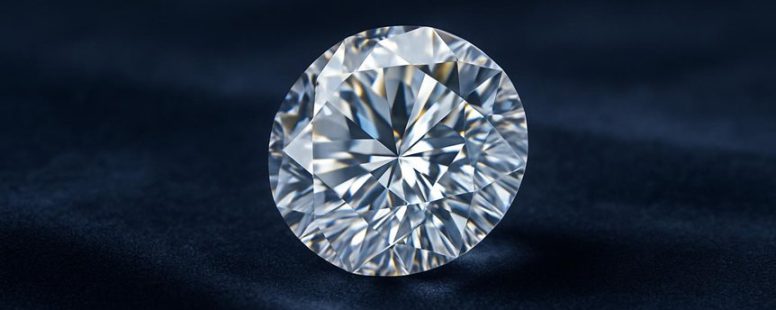
Imagine holding a gem that captures the brilliance of a diamond but whispers stories of sustainability and innovation.
Choosing the perfect substitute is like navigating a treasure map—each option offers its own sparkle, strength, and story. From lab-created diamonds to moissanite and white sapphire, the choices shimmer with possibility.
Did you know some alternatives can outshine traditional diamonds in affordability and ethics, turning your jewelry into a statement that’s both dazzling and conscious?
As you weigh style against practicality, remember—finding the right gem is about uncovering the one that resonates with your values and vision.
What Should You Look For In A Diamond Alternative?
Choosing a good diamond alternative means focusing on a few key things. The most important are cut quality and color.
Cut quality is about how well the stone is shaped. A good cut makes the stone reflect light well, making it look bright and shiny. Even if the material is nice, if the cut isn’t precise, it can look dull. For example, a poorly cut moissanite might look less lively than a well-cut cubic zirconia. You should look for options with high cut grades, like “excellent” or “ideal,” if those are available.
Color is about the hue of the stone. Some people want a clear, near-colorless look similar to a diamond. Others prefer a warmer tone, like yellow or champagne. When choosing, think about what matches your style best. For example, if you want something that looks like a real diamond, pick a stone with a high color grade. If you like a more unique look, you can pick a warmer color.
You might see some brands like Swarovski or Lab-Grown options like moissanite from Charles & Colvard. They have different qualities, so compare their cut and color grades carefully. Remember, a high-quality cut and the right color can make a big difference in how the stone looks and feels.
Some people warn that not all alternatives are created equal. Cheaper options may look dull or fake. Be careful and ask for proof of the stone’s cut and color grades.
On the other hand, some folks say that even with good cut and color, alternatives might not last as long as real diamonds. They can scratch or chip more easily. So, think about how you will wear the piece and if you’re okay with that.
In the end, choosing a diamond alternative is about balancing beauty, durability, and price. Focus on the cut quality and color, and you’ll find a substitute that’s beautiful and fits your budget. Would you pick the brightest, most colorless stone, or something with a warmer hue? It’s up to your style.
How To Compare Sparkle, Durability, And More
When choosing a gemstone, comparing sparkle and durability helps you find the best fit. First, sparkle is how much a stone reflects light and shines. For example, diamonds and moissanite are known for their bright, eye-catching sparkle. To compare sparkle, look at how light bounces inside the stone, creating that mesmerizing glow. Keep in mind, some stones like moissanite can shine even more than diamonds, but others may not sparkle as much over time.
Durability is about how well a stone holds up with daily wear. The main factors are hardness and resistance to scratches or chips. Diamonds are the hardest, so they rarely get scratched. Sapphires and rubies are also quite tough, making them good options for everyday jewelry. Some stones may sparkle nicely but might chip or scratch easier, so they aren’t the best for rings you wear all the time.
When comparing stones, think about both how much they shine and how tough they are. For example, a diamond might be less sparkly than moissanite but will last longer without damage. On the other hand, a sapphire may not sparkle quite as much but can stand up to daily wear better than some softer options.
Understanding Lab-Created Diamond Alternatives
Lab-created diamond alternatives are popular choices for those who want a shiny stone but not the real thing. Here’s what you need to know about some common options, how they compare in cost, how tough they are, and what they look like.
First, moissanite is a well-known choice. It costs less than real diamonds but still shines brightly. It’s very hard and durable, making it good for everyday wear. However, some people notice its rainbow-like sparkle, which can look different from a diamond. If you want a cheaper stone that still lasts, moissanite might be a good pick.
Next, cubic zirconia is even cheaper. It looks like a diamond at first glance but is much softer and can scratch or get cloudy over time. It’s not a good choice if you want a long-lasting ring. But if you want something pretty for a short while or for a costume piece, it can work.
Then, lab-grown sapphires and rubies are also options. They are made in labs and are less expensive than natural gems. They are quite tough, especially sapphires, but their color might not be as vivid as natural stones. They’re good for people who want a colorful piece that lasts.
Some folks pick these alternatives because they cost less and are more eco-friendly than mined diamonds. But keep in mind, not all alternatives are equally durable or realistic-looking. For example, cubic zirconia is cheaper but not as durable as moissanite or lab-grown sapphires.
To choose the best substitute, compare how much you want to spend, how long you want it to last, and what look you prefer. Remember, some options may look amazing at first but might not stay beautiful for years. Do your research and pick what fits your needs best.
Popular Lab-Created Options
Lab-created gemstones are becoming a popular choice for many people. They are not natural diamonds, but they can look just as shiny and clear. These gems are made in labs, which means they are grown in controlled environments. This makes them a good option for those who want to avoid ethical issues linked to mining.
Synthetic diamonds are very similar to natural ones. They are made of the same materials and have the same sparkle. Because of this, many people consider them a top choice if they want a real diamond without the high price or environmental harm. Some brands, like Diamond Foundry, produce these lab-grown diamonds and promote their eco-friendly process.
Other options include moissanite and cubic zirconia. Moissanite is almost as sparkling as a diamond but costs less. It is also quite durable, making it a good everyday stone. Cubic zirconia is even more affordable and can look very pretty. However, it is not as hard or long-lasting as diamonds or moissanite. It’s like a shiny glass stone, which might scratch or lose its shine over time.
Some people see lab-created gems as better for the environment. They don’t need mining, which can harm land and water. Plus, they are often cheaper, so more people can afford beautiful jewelry. But others worry that lab-grown stones might not hold their value as well as natural diamonds. Also, some may question whether these gems are truly ethical if they are made in factories.
In the end, choosing between natural and lab-created gems depends on your values and budget. If you want a sparkling stone that’s friendly to the planet and your wallet, lab-created options like synthetic diamonds, moissanite, or cubic zirconia are worth considering. Just remember, each has its pros and cons, so it’s good to do some research before making your decision.
Cost Comparison Analysis
What is the difference between lab-created and natural diamonds?
Lab-created diamonds are man-made stones grown in a lab, while natural diamonds are mined from the earth. They look similar and have the same sparkle, but their value and cost can vary a lot.
Are lab-created diamonds cheaper?
Yes, lab-created diamonds usually cost 30 to 70 percent less than natural diamonds. For example, if a natural diamond costs $5,000, a lab-created one might be around $1,500 to $3,500. This makes them a good choice if you want a beautiful stone without spending a lot of money. They are also considered more ethical because they don’t involve mining, which can harm the environment.
Do natural diamonds keep their value better?
Natural diamonds tend to hold their value better over time. They are rare and in demand, so their price can stay steady or even go up. Lab-created diamonds are more affordable now, but their resale value can fluctuate. This means if you plan to sell your diamond later, a natural one might be a smarter investment.
What are the pros and cons?
Lab-created diamonds are cheaper and more ethical, but they might not last as well as a long-term investment. Natural diamonds cost more upfront but have a history of keeping their worth. If you want a diamond just for today’s celebration, a lab-grown one works great. But if you see your diamond as an investment, a natural stone might be better.
In short:
If your main goal is saving money and doing something good for the planet, lab-created diamonds are a smart pick. But if you want a diamond that could be worth more later, natural diamonds are still the best choice. Both have their good and bad sides, so think about what matters most to you before buying.
Durability and Appearance
Lab-created diamonds are a great choice if you want something durable and pretty. They are just as hard as natural diamonds, with a rating of 10 on the Mohs scale. That means they will last a lifetime and resist scratches. Their look is also very good. They come in many colors and have clarity grades that are similar to mined diamonds. Some cheaper options like moissanite or cubic zirconia might look nice at first, but they are softer and don’t shine as much. Lab-created diamonds usually have fewer tiny flaws, so they sparkle more brightly. If you want a strong, beautiful stone that lasts, lab-created diamonds are a smart pick. But remember, they can cost more than some other substitutes. Also, some people might not notice the difference or prefer natural diamonds for their story or rarity.
Exploring Moissanite: A Brilliant Budget-Friendly Gem
Moissanite is a popular choice for a bright, affordable gemstone. It is a type of lab-grown stone that looks very much like a diamond. Many people pick moissanite because it shines more than most other gems. It reflects light with a fiery sparkle that can be even more dazzling than a diamond.
One big reason to choose moissanite is that it is ethically made. Since it is created in labs, there is no need to mine for it, which helps protect the environment and avoid human rights issues. If you care about how your jewelry is made, moissanite is a good option.
Another plus is that moissanite is tough. It can handle everyday wear without getting scratched or chipped easily. This means you can wear it daily without worry.
But there are some things to think about. Some people say that moissanite has a slight color difference from a real diamond. It might look a little different under certain lights. Also, because it is not a natural stone, some collectors prefer diamonds or other gemstones for their rarity.
If you want a gem that shines bright, is affordable, and is made responsibly, moissanite is worth considering. It’s a good alternative to diamonds for many people. But if you want a stone with unique natural qualities or higher rarity, you might want to look at other options.
White Sapphire As A Classic Diamond Alternative
White sapphire is a popular choice for those looking for a diamond substitute. It is known for its strength, making it suitable for everyday wear. Unlike diamonds, white sapphires are usually more affordable, which helps people save money while still getting a beautiful stone. However, some people worry that white sapphires might not last as long as diamonds or that they can scratch more easily. It’s good to know both sides before choosing one.
Some brands, like Charles & Colvard, offer high-quality white sapphires that are often mistaken for diamonds. But keep in mind, white sapphires are less hard on the Mohs scale — meaning they can scratch more easily than diamonds. If you want a stone that stays shiny for many years, you might need to take extra care.
On the other hand, white sapphires are great if you want a brilliant look without spending a lot. They can look very similar to diamonds, especially in good settings. Still, if you are someone who wears jewelry daily and doesn’t want to worry about scratches, a diamond might be better.
In the end, white sapphires are a good, affordable alternative. But they are not as durable as diamonds. If you want a stone that lasts forever without much care, a diamond could be the better choice. It depends on what you need and how much you want to spend.
White Sapphire Durability
White sapphires are a tough choice when it comes to jewelry. They are not as hard as diamonds but still quite durable for daily wear. White sapphires come from the mineral corundum, which makes them rank 9 on the Mohs scale of hardness. That means they resist scratches better than many other gemstones. For example, wearing white sapphires daily in rings or necklaces is safe as long as you take some simple care steps.
To keep white sapphires looking good, avoid harsh chemicals like bleach or strong cleaning agents. Ultrasonic cleaners can also damage them over time. Instead, clean them gently with soap and warm water, using a soft brush. Think of it like giving your jewelry a gentle bath to keep it shining. White sapphires are tough enough to withstand knocks and bumps, unlike softer stones like opal or pearl. They are a practical choice for people who want a gemstone that can handle everyday life.
Knowing that white sapphires come from natural corundum helps me appreciate their strength. They are a good alternative to diamonds if you want something durable without the high price. But remember, they are not completely scratch-proof. You still need to be careful with how you wear and care for them. Some might say they are a good middle ground, but others might worry about their lower brilliance compared to diamonds.
In the end, white sapphires are a solid option for everyday jewelry. They hold up well against daily bumps and scratches if you treat them right. Still, if you want the absolute hardest gemstone, diamonds are better. But for those who want a beautiful, reliable stone that won’t break the bank, white sapphires are worth considering.
Affordability Compared To Diamonds
White sapphires are a good choice if you want a beautiful gemstone without paying a lot. They cost less than diamonds and look similar in many cases. For example, you can buy a bigger white sapphire for the same price as a smaller diamond. This means you get more sparkle for less money.
Some people worry that white sapphires are not as durable as diamonds. That’s true—they can scratch more easily. But if you take care of them, they can still last a long time. Others say that white sapphires don’t shine as much as diamonds. While they may not have the same sparkle, they still look nice and elegant.
On the other hand, some believe that diamonds are worth the high price because they last forever and are known for quality. So, if you want a ring that will stay perfect for generations, diamonds might be better. But if you are on a budget and want a pretty, shiny stone, white sapphires are a smart choice. They let you save money and still get a lovely piece of jewelry.
In the end, it depends on what you value most—saving money or having the most durable, high-end stone. Both options have good sides and some downsides, so think about what matters to you before making a decision.
Cubic Zirconia: Affordable Shine For Everyday Wear
Cubic zirconia is a popular choice for affordable jewelry because it looks shiny and pretty. It is a fake gem that mimics the look of a diamond but costs much less. Many people pick cubic zirconia for everyday wear because it sparkles like a real diamond. It is important to care for it right to keep it looking good. Cleaning it gently with warm water and avoiding harsh chemicals helps protect its shine.
Choosing the right setting is also important. A secure setting, like a four-prong or bezel, keeps the stone safe from scratches and damage. Some brands like Swarovski or GemsOne offer good quality cubic zirconia, but cheaper options might break or lose their sparkle faster.
Some people say cubic zirconia is not as durable as real diamonds. It can scratch or chip if you are rough with it. So, if you wear it daily, it might not last forever. But for most people who want a shiny piece without spending a lot, it’s a good pick.
In the end, cubic zirconia gives you a bright look and a low price. Just remember to handle it carefully and clean it regularly. If you want a pretty, affordable gem for everyday wear, cubic zirconia is worth trying.
Picking Ethical And Sustainable Diamond Alternatives
When people look for diamond alternatives, they usually want options that are good for people and the planet. The best choices are ones with clear ethical sourcing. This means buying from companies that pay fair wages and avoid funding conflicts. For example, some brands like Brilliant Earth and Mia Donna focus on fair labor and conflict-free stones.
Environmental impact is also very important. Some alternatives need less energy and water to make, so they hurt the environment less. Lab-grown diamonds are a good choice because they are made in labs and don’t require mining. Mining can cause land destruction and pollution. Other options like moissanite or recycled gemstones also help reduce environmental damage.
Some people worry that lab-grown diamonds might not be as real or special as mined ones. While they look the same, some critics say they lack the natural story of mined diamonds. On the other hand, lab-grown options are often cheaper and more eco-friendly. It’s good to know both sides before making a decision.
If you want to pick a sustainable diamond alternative, start by checking how the company sources their stones. Look for certification from groups like the Responsible Jewelry Council. Also, consider how the stone is made — lab-grown or recycled options tend to be better for the environment.
In the end, choosing a diamond alternative that focuses on ethics and sustainability helps you buy jewelry that matches your values. Just be careful and ask questions. Not all brands are honest about their practices, and some might still have hidden issues. Do your research to make sure your purchase is truly responsible.
Matching Your Diamond Alternative To Your Style
Choosing a diamond alternative that matches your style is simple if you follow a few steps. First, decide what colors you like. Do you prefer clear stones like traditional diamonds, or do you want something with a pop of color, like sapphire blue or morganite pink? Your choice should reflect what makes you happy, not just what looks good. Think about what the stone means to you. Maybe a gemstone reminds you of a special trip or a loved one, making it more meaningful than a regular diamond.
Next, consider your lifestyle. If you’re active or work with your hands a lot, look for tough materials like moissanite or sapphires. These stones won’t scratch or chip easily. On the other hand, if you like a more delicate look and don’t wear your jewelry every day, you have more options.
There are two main viewpoints here. Some say the best alternative is a stone that closely mimics a diamond’s sparkle and durability. Others believe that choosing a unique color or a meaningful gemstone makes your jewelry more personal. But be warned, some stones may fade or lose their shine over time. Do your research before buying.
To find the perfect match for your style, follow these steps: First, pick your favorite color or type of gemstone. Second, think about what the stone means to you. Third, match it to your daily life—pick something durable if you’re active. And finally, choose a trusted jeweler or brand, like James Allen or Blue Nile, to make sure your stone is real and of good quality.
Where To Buy Diamond Alternatives Online
Looking for the best places to buy diamond alternatives online? The key is to find trusted stores that clearly show details about their products. Good retailers often list certification info, customer reviews, and detailed descriptions. For example, brands like James Allen and Brilliant Earth are known for their lab-grown diamonds and other substitutes like moissanite. These stores usually have a wide range of options and experts who can help you choose.
When shopping online, it’s smart to follow a few simple steps. First, always check the store’s return policy. Can you return the jewelry if you don’t like it? Second, verify if the retailer is trustworthy. Look for reviews or ratings on sites like Trustpilot. Third, compare prices on different sites to make sure you’re getting a fair deal.
Some people prefer lab-grown diamonds because they look just like real ones but cost less. Others like moissanite, which is shiny and durable. But be aware that not all retailers are equally honest. Some may oversell lower-quality stones or hide extra costs. It’s worth doing a little research before you buy.
There are two main views. One says stick with well-known brands because they offer better quality and service. The other says you can find good deals from smaller sellers, but you need to be extra careful. Always check reviews and ask questions before buying.
In the end, shopping for a diamond alternative online is about finding a trusted seller and doing a little homework. This way, you avoid surprises and get a beautiful piece that fits your style and budget. Do some quick research, compare options, and you’ll feel more confident in your choice.
To provide the best experiences, we use technologies like cookies to store and/or access device information. Consenting to these technologies will allow us to process data such as browsing behaviour or unique IDs on this site. Not consenting or withdrawing consent, may adversely affect certain features and functions.
Functional
Always active
The technical storage or access is strictly necessary for the legitimate purpose of enabling the use of a specific service explicitly requested by the subscriber or user, or for the sole purpose of carrying out the transmission of a communication over an electronic communications network.
Preferences
The technical storage or access is necessary for the legitimate purpose of storing preferences that are not requested by the subscriber or user.
Statistics
The technical storage or access that is used exclusively for statistical purposes.The technical storage or access that is used exclusively for anonymous statistical purposes. Without a subpoena, voluntary compliance on the part of your Internet Service Provider, or additional records from a third party, information stored or retrieved for this purpose alone cannot usually be used to identify you.
Marketing
The technical storage or access is required to create user profiles to send advertising, or to track the user on a website or across several websites for similar marketing purposes.