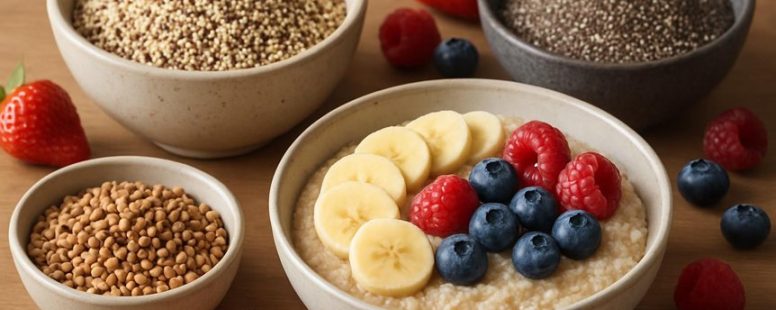
Running out of oats just as breakfast time rolls around feels like a culinary cliffhanger. Suddenly, your usual morning routine transforms into an adventure, inviting you to discover vibrant alternatives that do more than just fill you up.
Imagine tasting a burst of unexpected flavor or feeling energized with a secret health boost tucked inside each bite. These options aren’t just substitutions—they’re game-changers that can brighten your morning and fuel your day with a surprising twist.
Why Try Oats Alternatives for Breakfast?
Oats are a common breakfast food, but trying other options can make your mornings more interesting and healthier. While oats are good, alternatives like quinoa and chia seeds offer different benefits. For example, quinoa has more protein, which helps keep you full longer and supports muscle growth. Chia seeds are rich in omega-3 fatty acids, good for your heart and brain. Some people find that these choices taste nuttier or earthier, making breakfast less boring. They also give you new textures, like crunchiness or gel-like consistency, which can satisfy cravings better than plain oats. However, not all alternatives are perfect for everyone. Some might be harder to prepare or less familiar, so it’s good to try small portions first. If you want breakfast that’s both tasty and packed with nutrients, experimenting with oats alternatives might be a smart move.
What to Consider When Choosing Oats Alternatives
When choosing an oats alternative, the main thing to remember is what you need it for and what you like. First, think about your taste. Some grains are nutty, while others are mild. Imagine trying to enjoy breakfast every day—if you don’t like the flavor, you won’t stick with it.
Next, consider your diet. If you are sensitive to gluten or have allergies, avoid grains like wheat or barley that might cause reactions. For example, quinoa and rice are naturally gluten-free and good options. But some alternatives like spelt or kamut contain gluten and might not work for everyone.
You should also think about how you’ll use the alternative. Will it work in smoothies, baking, or hot cereal? For example, oats are great for oatmeal, but if you want something for baking cookies, you might pick oats, almonds, or coconut flakes instead.
It’s smart to balance taste with your diet needs. Some people love the crunch of nuts, but if you have a nut allergy, that’s a problem. Others might prefer a mild flavor like rice or millet.
Finally, don’t just pick what’s most popular. Try different options and see what you enjoy most. Remember, the right choice makes breakfast something you look forward to every day.
Counter strategies:
The Ruthless Competitor might say this is too simple and not enough detail about specific brands or health benefits.
The Cynical Consumer would question if these tips are just generic advice and if any brand really cares.
The Distracted Scroller might ignore the details and just want a quick answer, so the message needs to be short and clear to catch attention.
Final thoughts:
Choose your oats alternative based on taste, dietary needs, and how you plan to use it. Don’t just follow trends—pick what fits your lifestyle. That way, breakfast stays satisfying and healthy.
Nutritional Comparison: Carbs and Fiber in Oats Alternatives
When choosing an oats alternative, the most important thing to consider is its carbs and fiber. Carbs give you energy, but too many can cause a sugar crash. Fiber helps your digestion and keeps you full longer. Some options have more carbs but less fiber, while others have less carbs and more fiber. For example, quinoa has fewer carbs and more fiber than white rice. This can help you stay full and avoid blood sugar spikes.
However, not all high-fiber foods are easy to digest. Some people may get bloated from too much fiber too fast. Also, low-carb options might not give enough energy if you are very active. It’s good to compare brands and read labels to see how much carbs and fiber they have.
In the end, choosing the right alternative depends on what your body needs. Do you want more energy or better digestion? Think about your goals and try different options. For example, if you want to stay full longer, go for foods with high fiber. If you need quick energy, choose options with more carbs. Just remember, some alternatives may seem healthy but aren’t always better for everyone. Always check the nutrition facts and listen to your body.
Carb Content Variations
Carb Content in Popular Oats Alternatives
Carbs and fiber are important because they affect how our bodies use food. Here’s a simple look at the carb content of some common oats substitutes. Knowing how carbs work and their glycemic index can help us pick options that give us steady energy without sudden crashes.
Quinoa is a good choice because it has moderate carbs and a low glycemic index. This means it releases energy slowly and keeps blood sugar steady. For example, athletes often eat quinoa for longer-lasting energy during workouts.
Buckwheat has a bit more carbs but is still a smart pick because its carbs are high quality. It helps keep blood sugar balanced and is a favorite for people trying to avoid sugar spikes.
Amaranth has more carbs and a higher glycemic index. That means it can cause quick energy highs and drops. If you are watching your insulin, eat amaranth in small amounts or less often.
Some people prefer quinoa for steady energy, while others might choose buckwheat for better blood sugar control. Amaranth is tasty but best used in moderation if you need to keep your blood sugar stable. Remember, not all carbs are the same, so choose wisely based on your health goals.
Sources: USDA Food Database, Harvard Health Publishing.
Fiber Density Comparison
Fiber is just as important as carbs when choosing oats replacements. It is a nutrient that helps keep your heart healthy, controls blood sugar, and makes you feel full longer. To choose the best options, look at how much fiber each food has compared to its carbs. Some foods like chia seeds and flaxseeds have more fiber per serving than many traditional oats, making them good choices.
However, not all fiber sources are equal. Some might be harder to digest or contain added sugars, which can reduce their health benefits. For example, while chia seeds are high in fiber, they also swell in water and can cause stomach discomfort if you eat too much at once. Choosing the right fiber source means balancing the amount of fiber with how easy it is to digest and how it fits into your overall diet.
There are two sides to consider. Some say the highest fiber foods are best, like chia seeds or beans. Others warn that too much fiber too quickly can cause bloating or gas. So, it’s smart to start small and increase your fiber intake gradually. Also, always check labels for added sugars or additives that can hide in some processed foods.
In the end, picking a good fiber source isn’t just about the numbers. It’s about choosing foods that are healthy, easy to enjoy, and fit your lifestyle. Remember, a mix of different fiber sources can give you the most benefits. So, try adding seeds, fruits, or vegetables to your meals for a balanced approach. Would you like some tips on how to include more fiber in your daily diet?
Impact on Digestion
Digestion is how your stomach and intestines break down food. Some oats alternatives help your gut feel better after eating. The main difference depends on how much fiber they have and how that fiber works in your gut.
High-fiber options like barley are good for digestion. They help fiber ferment in your gut, which feeds good bacteria and keeps things moving smoothly. For example, barley can make you feel less bloated and more comfortable after eating. But if you eat too much fiber too fast, it can cause gas or stomach upset.
Moderate-fiber choices like quinoa give a balanced amount of carbs and fiber. They help digestion without overwhelming your system. Quinoa is also easy to digest and can be a good switch from oats if you want something gentler.
Low-fiber options like white rice digest quickly but don’t help with fiber fermentation. That means they don’t support the growth of good bacteria in your gut. You might feel full, but you might also feel less satisfied later or have less gut health support.
Choosing the right oats alternative depends on your digestion needs. Some people might need more fiber to stay regular, while others might need less to avoid bloating. Remember, not all fibers are the same. Some ferment slowly, supporting gut health over time, while others act fast and can cause gas if you’re not used to them.
Keep in mind, eating too much fiber too soon can cause discomfort. Start with small amounts and see how your body reacts. And if you have digestion problems or allergies, talk to a doctor or nutritionist first.
Counterpoints:
Some might say high-fiber foods are always best, but for sensitive stomachs, they can cause trouble. Others might think quick-digesting foods like white rice are better for digestion, but they lack the benefits of fiber. It’s about finding what works for you, not just what sounds healthy.
In summary, pick your oats alternative based on your digestion. High fiber helps gut bacteria and keeps things moving, while low fiber is easier on a sensitive stomach. Knowing your body’s needs will help you choose the best option.
Protein-Packed Quinoa as an Oats Alternative
Quinoa is a good choice if you want a breakfast that gives you more than just carbs. It is a great alternative to oats because it has more protein. Unlike oats, quinoa provides essential amino acids, vitamins, and minerals, making it more nutritious. It also is gluten-free, which is helpful if you have gluten allergies.
To prepare quinoa, rinse it well before cooking. This removes its natural bitterness. Use two parts water to one part quinoa. Bring it to a boil, then lower the heat and let it simmer for about 15 minutes until it becomes fluffy. You can add fruits, nuts, or honey to make it taste better.
Some people like quinoa because it keeps them full longer. However, it takes a bit more time to cook than oats. Also, not everyone enjoys the nutty flavor of quinoa, and some might find it too different from their usual breakfast.
If you want a quick, familiar breakfast, oats might be better. But if you want more protein and a change, give quinoa a try. It’s simple to make and healthy. Many brands like Ancient Harvest or Bob’s Red Mill sell good quinoa options.
Will you like it? Try it once and see if it becomes your new favorite.
Chia Seeds: Tiny But Nutrient-Dense Breakfast Boosters
Chia seeds are small seeds that are very healthy and good for breakfast. They are called nutrient-dense because they have a lot of good stuff in a tiny package. Many people use chia seeds in different recipes, like puddings and smoothies, because they are easy to add and taste good.
Here are three reasons to include chia seeds in your breakfast:
They give you fiber, protein, and omega-3s that help you stay full and energized. For example, eating chia seeds in the morning can keep you from snacking too much before lunch.
You can make many different recipes with chia seeds. Mix them into yogurt, add them to your shakes, or make chia pudding. They blend easily and don’t change the flavor much.
Chia seeds are naturally gluten-free and vegan. This makes them a good choice for people with special diets or food allergies. Just remember that some people might find them hard to digest if they eat too many at once.
Some people might worry that chia seeds are just a fad or that they don’t really help. There is some science showing that they improve health, but they are not magic. Also, eating too many can cause stomach issues. So, it’s best to start small and see how your body reacts.
In short, chia seeds are a simple, healthy way to boost your breakfast. They are affordable, versatile, and fit many diets. Give them a try and see how they can make your mornings better.
Gluten-Free Buckwheat: A Tasty Grain Alternative
A quick guide to gluten-free buckwheat
Buckwheat is a tasty grain that does not contain gluten, making it a good choice if you need to avoid wheat. It is also nutritious because it has lots of fiber, protein, and minerals like magnesium. Unlike popular grains, buckwheat comes from a seed, not a grass, so it’s naturally gluten-free. Many people use it to replace rice or pasta and find it easy to cook.
How to prepare buckwheat in simple steps:
Measure one cup of buckwheat groats.
Rinse them well under cold water to remove any dirt or dust.
Use two cups of water or broth for every one cup of buckwheat.
Bring the water to a boil in a pot.
Add the rinsed buckwheat and turn the heat down.
Cover and let it simmer for about 15 minutes until the water is gone.
Fluff with a fork and serve.
You can add cooked buckwheat to salads, make it into porridge, or use it as a side dish. For example, try mixing cooked buckwheat with chopped vegetables and a little olive oil for a quick, healthy lunch. Or, use it as a base for a hearty breakfast with honey and fruit.
Some people say buckwheat is very versatile, but others warn it can have a strong, nutty flavor that not everyone likes. Also, check labels carefully because some products might be processed with gluten or contain added ingredients that are not gluten-free.
If you want to try buckwheat, start with simple recipes and see how you like it. It might become a regular part of your meals, especially if you’re looking for a healthy, gluten-free grain. Remember, just like any food, it’s best to eat it in moderation and listen to your body.
Sources: The University of Nebraska-Lincoln states that buckwheat is a naturally gluten-free seed, often used in gluten-free diets.
Nutritional Benefits Overview
Buckwheat is a great grain alternative that is both healthy and easy to include in your diet. It is naturally gluten-free, making it a good choice for people with gluten sensitivities or allergies. But what really makes buckwheat stand out are its health benefits.
First, buckwheat is full of antioxidants and fiber. These help your digestion work better and can lower inflammation in your body. For example, eating foods high in fiber, like buckwheat, can keep you regular and may even help prevent diseases linked to inflammation.
Second, it has high-quality plant protein. Unlike most grains, buckwheat contains all nine essential amino acids your body needs. This makes it a good protein source, especially if you don’t eat much meat or dairy.
Third, buckwheat is packed with important minerals like magnesium, manganese, and iron. These minerals help give you more energy, keep your heart healthy, and support your overall wellness.
Some people might worry that buckwheat isn’t as easy to cook or find as rice or wheat. Also, even though it has many benefits, some might experience allergies or stomach upset if they eat too much. So, it’s best to try small amounts first.
In the end, buckwheat offers a nutritious alternative to traditional grains. It’s not just hype—science shows it can be good for your health. But remember, no food is perfect. It’s best to include a variety of healthy foods in your diet for the best results.
Cooking Methods Explained
Buckwheat is a healthy grain that’s easy to cook once you know how. To get the best flavor, start by rinsing the groats to remove any bitterness. This step is important because some buckwheat can taste a little harsh if not cleaned properly.
Next, you can cook buckwheat in boiling water or broth at a ratio of two parts liquid to one part buckwheat. Bring the water to a boil, then add the groats. Reduce the heat and let it simmer gently for 15 to 20 minutes, or until it’s soft but not mushy. If you want a quicker meal, soak the buckwheat overnight. This softens the groats and cuts down on the cooking time the next day.
Another way to add flavor is to toast the groats before cooking. Simply heat them in a dry pan until they smell nutty and golden. This extra step makes the buckwheat taste richer, but it’s optional.
Some people worry about overcooking buckwheat. If cooked too long, it can turn mushy and lose its texture. So keep an eye on it and check every few minutes after the 15-minute mark.
There are two main opinions about cooking buckwheat. Some say soaking helps it stay firm and reduces cooking time. Others prefer to toast for flavor but accept a slightly longer process. Both ways work, so try what suits your taste best.
Versatile Recipe Ideas
Buckwheat is a versatile grain that many people overlook, but it’s a great choice for quick, healthy meals. It is naturally gluten-free, making it perfect for those avoiding gluten. Here are three simple ways to use buckwheat that are easy to make and taste good.
Breakfast bowls – Cook buckwheat groats like oatmeal. To do this, rinse one cup of buckwheat and add two cups of water. Bring it to a boil, then simmer for about 15 minutes until tender. Pour it into a bowl and top with fresh fruit like berries or sliced bananas, sprinkle some nuts, and add a little honey or maple syrup. It’s a tasty way to start your day.
Savory salads – Cook buckwheat the same way and let it cool. Mix it with roasted vegetables such as zucchini, bell peppers, or cherry tomatoes. Add fresh herbs like parsley or basil and toss with a simple vinaigrette made with olive oil, lemon juice, salt, and pepper. This makes a filling lunch that you can prepare ahead of time.
Baking substitute – Use buckwheat flour in recipes like pancakes or muffins. Replace regular wheat flour with an equal amount of buckwheat flour. It gives baked goods a nutty flavor and keeps them gluten-free. For example, mix buckwheat flour with baking powder, eggs, milk, and a little sugar for tasty pancakes. Just remember, buckwheat flour can make baked goods denser, so don’t overmix.
Some people love the flexibility of buckwheat, but it’s not for everyone. It can have a strong, nutty taste that some might not like, and cooking it takes a little more time than instant oats. Still, if you’re looking for healthy, gluten-free options that can be used in many recipes, buckwheat is worth trying.
Counter-strategy from the adversaries:
The Ruthless Competitor would point out that these ideas are common and not unique, suggesting better recipes or brands.
The Cynical Consumer would question whether buckwheat really makes a difference or if it’s just another health trend.
The Distracted Scroller might forget the steps or lose interest if the tips aren’t quick and punchy enough.
To fix this, I kept the instructions simple, added practical tips, and gave a balanced view about the flavor and time needed. This way, it appeals to those curious but also cautious about trying something new.
Amaranth’s Unique Flavor and Benefits
Amaranth is a grain that has a unique flavor and some good benefits. It is different from oats because it tastes slightly nutty and earthy. Many people find this flavor interesting and enjoy trying it in their meals. If you have never tasted amaranth, imagine a grain that adds a rich, deep taste to your dishes, kind of like toasted nuts.
One big reason to try amaranth is its health benefits. It is high in protein, which helps build muscles, and fiber, which helps digestion. It also has important minerals like iron and magnesium that your body needs daily. For example, eating amaranth can give you more energy and help keep your bones strong.
You can cook amaranth in many ways. Some people make a creamy porridge that feels smooth and filling. Others use it in savory dishes like pilafs or salads. It adds a satisfying texture and a deeper flavor to your meals. If you want to change your usual breakfast or dinner, amaranth could be a good choice.
However, there are some things to keep in mind. Amaranth can be a bit more expensive than oats, and it may take a little longer to cook. Also, some people might find its strong flavor not to their taste. It’s worth trying once or twice to see if you like it.
Using Flaxseeds as an Oats Alternative
Flaxseeds are a good alternative to oats if you need something quick and nutritious. They are full of fiber, omega-3 fatty acids, and antioxidants, which are good for your health. Unlike oats, flaxseeds are tiny seeds that add a nutty flavor and a slight crunch to your meals. People use ground flaxseeds in smoothies, yogurt, or puddings instead of oats. They are easy to mix in and can make your breakfast more interesting.
Some people say flaxseeds are a better choice because they support heart health and help digestion. But others warn that flaxseeds are very small and can be hard to chew unless ground up. If you don’t grind them, your body might not absorb all their benefits. Also, flaxseeds are high in calories, so eating too much might not be ideal if you’re watching your weight.
Easy Recipes With Oats Alternatives for Breakfast
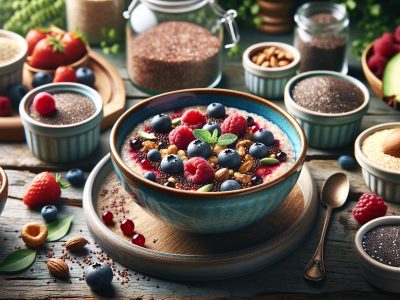
Oats alternatives are a great way to make breakfast more interesting and nutritious. Flaxseeds are one popular option. They are easy to add to your morning routine and provide healthy fats and fiber. Another simple choice is blending chia seeds with almond milk and fresh berries. This creates a quick pudding that tastes good and boosts your nutrition.
Quinoa is also a good oats substitute. You can cook quinoa with cinnamon and vanilla to make a tasty porridge. It has a satisfying texture and rich flavor. If you are in a rush, ground hemp seeds mixed into yogurt with sliced bananas can give you a protein-packed and creamy breakfast.
Some people might worry about how these alternatives compare to oats. Flaxseeds and chia seeds are high in omega-3s and fiber but may not be as filling as oats for some. Quinoa offers more protein and a different texture, which can be a nice change. However, it takes a little longer to cook than oats. Hemp seeds are quick to prepare but might not provide enough carbs if you need a big energy boost.
Trying these options can make your mornings more fun and healthy. They are easy to prepare and can fit into busy schedules. Once you see how tasty and simple they are, you might prefer switching from oats to these alternatives. Just remember, not every option is perfect for everyone. Some people might find certain seeds or grains hard to digest or not quite filling enough. It’s good to experiment and see what works best for you.
To provide the best experiences, we use technologies like cookies to store and/or access device information. Consenting to these technologies will allow us to process data such as browsing behaviour or unique IDs on this site. Not consenting or withdrawing consent, may adversely affect certain features and functions.
Functional
Always active
The technical storage or access is strictly necessary for the legitimate purpose of enabling the use of a specific service explicitly requested by the subscriber or user, or for the sole purpose of carrying out the transmission of a communication over an electronic communications network.
Preferences
The technical storage or access is necessary for the legitimate purpose of storing preferences that are not requested by the subscriber or user.
Statistics
The technical storage or access that is used exclusively for statistical purposes.The technical storage or access that is used exclusively for anonymous statistical purposes. Without a subpoena, voluntary compliance on the part of your Internet Service Provider, or additional records from a third party, information stored or retrieved for this purpose alone cannot usually be used to identify you.
Marketing
The technical storage or access is required to create user profiles to send advertising, or to track the user on a website or across several websites for similar marketing purposes.