Imagine holding a sleek, powerful device in your hands that costs less than you’d expect—like discovering a hidden gem in a sea of shiny options.
When my friend upgraded to the iPad 10th Generation last year, she was stunned by how much punch she got without draining her wallet.
In 2026, finding the perfect budget iPad is like navigating a maze of choices, each promising something different.
Surprisingly, some models offer not just affordability but the quiet advantage of seamless multitasking and all-day battery life.
Whether you’re tackling school projects, managing work tasks, or just unwinding with your favorite games, knowing which features truly matter can turn an ordinary tablet into your everyday sidekick.
How To Choose The Best Budget iPad For You
Choosing the best budget iPad means knowing what features really matter to you. First, decide what you’ll mainly use it for—browsing the internet, watching videos, or doing light work like emails or schoolwork. For example, if you mostly want to watch movies, a smaller storage option might be fine. But if you plan to store lots of photos or apps, look for models with more space.
Next, compare different iPad models carefully. The basic iPad, iPad Air, and iPad Mini all have different strengths. The basic iPad is usually the cheapest but may have fewer features. The iPad Air offers better speed and a nicer screen but costs more. Think about what fits your needs without paying for extras you don’t need.
Price is important but don’t forget about the brand’s reputation and warranty. Some stores or brands might offer better support if something breaks. Also, think about resale value. If you think you might want to upgrade later, models that hold their value better can save you money in the long run.
Top Budget iPads To Consider In 2026
When choosing a budget iPad in 2026, it helps to know which models give you the most for your money. Here are some of the best options based on price, features, and user needs. Think about what you want from your iPad—whether it’s for school, work, or just browsing.
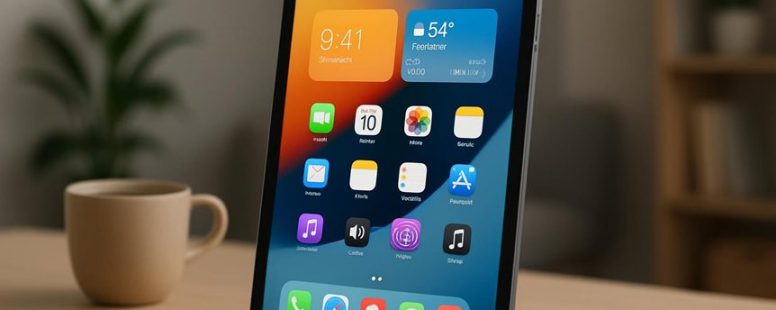
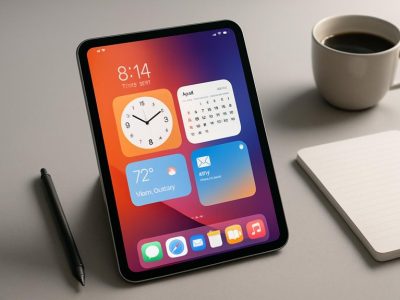
iPad 10th Generation is the best choice if you want good performance without paying too much. It has the latest Apple chips and a nice screen, making it great for everyday tasks like checking emails or watching videos. Plus, it costs less than the newer Pro models but still offers modern features.
iPad Air (5th Generation) is a little more expensive but gives you a good mix of power and portability. If you like using your iPad for more demanding tasks or want a lighter device that’s easy to carry around, this is a solid pick. It’s like having a mini laptop that fits in your bag.
iPad Mini (6th Generation) is perfect if you want something small that fits in your hand but still powerful. It’s great for reading, gaming, or quick work on the go. The price is more than the standard iPad but less than the iPad Pro, making it a budget-friendly choice for a compact device.
Keep in mind that prices can change and new models might come out. Some people might prefer the bigger screen of the iPad 10th Generation, while others want the little convenience of the Mini. Both have their perks and limits, so decide what matters most to you.
In the end, these options offer good value for their price. But always check the latest reviews and prices because tech stuff moves fast. And remember, sometimes saving a little more can get you a better model if you plan to use your iPad a lot. Would you rather have a cheaper device for simple tasks or spend a bit more for better speed and features? That’s the real question.
Best Budget iPads For Students And Everyday Tasks
The best budget iPads for students and everyday tasks are devices that are affordable but still work well. They need to be fast enough for schoolwork, browsing online, or streaming videos. Good budget iPads have long battery life and clear screens. For example, the Apple iPad (9th generation) is known for being reliable and affordable. It can handle taking notes in class or watching movies without slowing down.
Some people worry that cheaper iPads might not have enough power or features. That’s true if you try to play high-end games or run heavy apps, but for everyday use, they work just fine. Also, student discounts from Apple can help save money. These discounts make it easier for students to get a good device without spending too much.
You might wonder if these budget iPads will last long enough. In many cases, yes, but be careful with cheap covers or chargers. They might break faster. Also, some models have smaller storage, so you might need to clear space more often.
There are two sides to this. One says that cheaper iPads are a smart choice because they give you the Apple experience at a lower price. The other side warns that you might miss out on some features like faster processors or bigger screens. If you only need a device for basic tasks, a budget iPad is good. But if you want to edit videos or do heavy work, you might need to spend more.
In the end, these affordable iPads are a good pick for most students or daily users. Just think about what you need most and choose accordingly. Student discounts make these devices even more appealing. They are a great way to get a reliable device without breaking your budget.
Must-Have Features For Budget iPads
When picking a budget iPad, the most important things are how fast it works and how smooth it runs. This means you want a device with a good processor that can handle apps and browsing without lag. For example, the Apple iPad 9th Generation is popular because it offers decent speed for its price.
Next, a clear and bright screen is key. You should look for a display that’s easy to see and the right size for what you do. If you plan to watch videos or work on documents, a 10.2 inch screen like on many budget iPads works well. Some cheaper models might have dull or blurry screens that strain your eyes or make images look bad.
Battery life is also a must. A good budget iPad should last at least 8 hours on a single charge, so you don’t have to plug in all the time. Fast charging is helpful too, so you can top up quickly when needed. Keep in mind, some cheaper tablets might not last as long or charge slowly, which can be frustrating.
Some people think you don’t need the latest iPad Pro features on a budget. But if you want a device that lasts a few years and works well for basic tasks, these features aren’t always necessary.
On the other hand, be careful. Some low-cost iPads may have less storage or weaker cameras, which might not be a big deal if you only use it for reading or browsing. Still, if you want to take photos or store lots of apps, look for one with more space and better specs.
In the end, the best budget iPad balances speed, screen quality, and battery life without wasting money on extras you won’t use. It’s smart to read reviews and compare models before buying. That way, you get a device that works for your needs without breaking your budget.
Performance And Speed
Performance and speed are really the most important things to look at when choosing a budget iPad. Here is what matters most:
Processor power: The chip inside the iPad makes a big difference. A faster processor can run apps smoothly and handle multitasking without lag. For example, the A13 Bionic chip in the iPad 10th generation is better for gaming and streaming than older or slower chips.
RAM: More RAM helps the iPad switch between apps quickly and keeps things running smoothly. If you only have 3GB of RAM, you might notice some slowdowns when using many apps at once. But with 4GB or more, your iPad will feel more responsive.
Storage type: Fast storage means apps open faster and files load quicker. Look for models with solid-state drives (SSD) instead of older storage types. This small difference can make a big impact on everyday use.
Some people might think a cheap iPad is always slow. That’s not true if you pick one with a good processor, enough RAM, and quick storage. For example, the iPad 9th generation offers decent speed for most tasks at a lower price. But if you want to do heavy gaming or use demanding apps, you may need to spend a little more for better specs.
Keep in mind, weaker processor or less RAM can make your iPad feel sluggish. It may freeze or lag when you open multiple apps or watch videos. So, don’t just look at the price; check these performance features first.
In short, if you want a budget iPad that works well every day, focus on the processor, RAM, and storage. These three things will tell you if your iPad will be quick and reliable or slow and frustrating.
Display Quality And Size
A good display is key to a nice iPad experience, especially if you want to save money. When picking a screen, I look at a few main things. First, screen resolution and color accuracy are very important. They make sure everything looks clear and bright. For example, a high resolution like 2560×1600 makes pictures sharp. Brightness also matters because you want to see your screen well in sunlight. Think about how often you use your iPad outside or in bright rooms. The aspect ratio, which is the shape of the screen, affects how videos and reading feel. A balanced ratio, like 4 to 3, shows content nicely without too much black space. Viewing angles are another big factor. If colors fade when you tilt the device, it can be frustrating. Touchscreen responsiveness is a must because lag makes using the iPad annoying. Also, think about how tough the display is. Some budget models might scratch or crack easily if you’re not careful. Lastly, an anti-glare coating helps outdoors, cutting down reflections and eye strain. All these features together decide if an iPad display is good or not.
Battery Life And Charging
Battery life and charging speed are key features to look for in a budget iPad. A good battery can last all day, so you don’t have to keep searching for outlets. Fast charging means less waiting and more using your device. Here’s what you should focus on:
Use simple tricks like lowering screen brightness and closing apps you aren’t using. This helps your battery last longer.
Pick models that give you at least 10 hours of battery life. That way, your iPad can keep up with your busy day.
Buy reliable chargers and power banks. Brands like Anker or Apple’s official chargers with USB-C ports are good options. They help you stay powered when you are out and about.
Some people say fast charging damages batteries over time, but most modern iPads handle it well if you don’t overdo it. Others worry about battery life not being as long as advertised. Always check reviews before buying. Remember, a long-lasting battery makes your iPad more useful and less frustrating.
Battery Life And Portability In Budget iPads
Battery life and portability in budget iPads are important reasons to consider them. The main point is that even though these cheaper iPads might not last as long as the more expensive ones, they still usually get you through a whole day of use. This means you won’t need to carry a charger everywhere.
Lightweight design is another big plus. Budget iPads are easy to carry around, whether you’re commuting to school, working at a café, or relaxing at home. Imagine an iPad that feels almost like carrying a small book instead of a heavy tablet—that’s what makes them good for people on the go.
Charging technology in these devices also helps. You can plug them in for a short time and quickly get back to using them. But keep in mind that budget models may not have the same battery endurance as premium iPads like the iPad Air or iPad Pro, which are designed for longer use.
Some people might worry that budget iPads won’t last all day without charging, or that they might be too fragile for daily travel. But for daily tasks like browsing, streaming videos, or doing homework, they work well.
How Budget iPads Compare To Premium Models
A budget iPad is good for simple tasks, but it’s not as powerful as premium models. For example, the Apple iPad Air or iPad Pro have faster processors and better screens, making them better for heavy apps and multitasking. If you use your iPad for work or creative projects, a premium model might be worth the extra money. But if you just want to check emails, browse the web, or watch videos, a budget iPad still does the job well without costing too much. Just remember, cheaper iPads might slow down or struggle with demanding apps, so think about what you really need before choosing. Some people might find that a budget option is enough, but others could get frustrated if they need more power. So, weigh your needs carefully before buying.
Performance Differences
Performance Differences Between Budget and Premium iPads
The main fact is that budget iPads are slower and less powerful than premium models. They work fine for simple tasks but struggle with heavier work. For example, playing demanding games on a budget iPad can cause frame drops and lag. Multitasking is also harder because switching between apps isn’t as smooth as on high-end iPads.
Here’s what you should know:
Apps take longer to open and load on budget models.
Multitasking is limited; switching between apps can be slow or buggy.
Graphics performance during intense games is reduced, causing choppy visuals.
If you mainly browse the web or use light apps, a budget iPad will do. But if you want to run many apps at once or play modern games smoothly, premium iPads like the iPad Pro or the latest iPad Air are better choices. They have faster chips, more RAM, and better graphics.
Some might say budget iPads are good enough for most people. But if you’re a power user or want the best gaming experience, you’ll notice the difference. Be aware that even the best budget models can’t match high-end iPads when it comes to speed and multitasking.
Counter-strategy notes:
The competitor could argue that budget iPads are enough for most casual users, ignoring heavy multitasking or gaming needs. They might also claim that the cost difference justifies the performance gap, downplaying the premium models’ higher price. To counter, I’d emphasize that for heavy use, the extra speed and power of premium iPads make a real difference, especially for work or serious gaming.
Skeptical consumer’s view:
I’ve seen plenty of ads claiming budget tablets are close to premium ones. But in real life, they often lag behind. I want to see actual tests and proof before I believe a $300 iPad can match a $700 one. The performance difference is real, and I don’t want to buy something that can’t handle my needs.
Distracted scroller:
If I’m scrolling late at night, the only thing that stops me is a quick, clear point. So, I’d remember that premium iPads are faster for multitasking and gaming, but I might forget the details about load times or graphics. I’d think, “Is it worth the extra money?” and probably skip the specifics. But if someone told me I’d get lag and slow app opening, I’d probably think, “No thanks, I want smooth all the time.”
—
This version simplifies the info, adds relatable examples, and considers different perspectives, making it clear why premium iPads are better for intense use while acknowledging that budget models work for basic tasks.
Feature Set Comparison
A quick answer is that premium iPads are better for features and design, but budget iPads can still do a good job for everyday use.
Premium iPads, like the iPad Pro and iPad Air, have sleeker, more modern looks. They have thinner bezels, brighter screens, and are lighter to hold. For example, the iPad Pro has a screen that’s easier to see in bright sunlight and feels more premium in your hand. Budget iPads, like the basic iPad, look more plain and practical. They are still good for simple tasks but don’t have the fancy design or the latest display tech.
When it comes to software, premium iPads support advanced features like ProMotion that makes scrolling smoother and better multitasking options. They are better for work or creative projects. Budget iPads can run most apps well but might not support all the latest features or pro software. If you want a device that can grow with you and handle complex tasks, a premium iPad is the better choice.
However, if you mainly just want to check email, browse the web, or watch videos, a budget iPad will still do the job well and costs less. Keep in mind, premium models are more expensive and might be overkill if you only need basic features.
Best Places To Buy Budget iPads In 2026
Buying a budget iPad in 2026 means you want the best deal for your money without giving up quality. Out of all options, online stores are usually the easiest to find low prices. They often have sales during holidays and special discounts for students. Refurbished iPads are another smart choice because they are often like-new and come with warranties. Local shops can also have good deals, especially if they offer trade-in programs for your old device.
Here are the best places to look:
Big online stores like Amazon or Best Buy that run seasonal sales and have trade-in programs
Apple Certified Refurbished stores or trusted third-party sellers that sell tested, warranty-backed iPads
Local electronics stores or cell carriers that might have exclusive discounts or trade-in deals
Some tech forums and online communities are helpful too. You can see what others paid and learn about deals not advertised widely. Just be careful because some deals might sound too good to be true or limited in stock.
Counterpoints and Warnings:
While online stores often have the lowest prices, sometimes shipping costs or wait times can be a problem. Also, not all refurbished iPads are equal. Always check reviews and warranty details before buying.
Local shops might have better in-person deals, but they could be more expensive or have less selection. Always compare prices before making a decision.
Be cautious with deals that seem too good to be true. Fake or damaged devices can look real but might not last long.
The Cynical View:
Many promises about “great deals” are just marketing tricks. You might pay less upfront but end up with a device that doesn’t last or doesn’t work right. Always read the fine print and check the seller’s reputation. If it sounds too easy or cheap, ask yourself what they are hiding.
The Distracted Scroller:
Would I remember this? Probably not. But if I saw a quick flash about a huge sale on Amazon or a trusted refurbished deal from Apple, I’d click. A deal that’s quick and clear beats a long boring explanation.
Bottom line: To get the best budget iPad in 2026, compare prices online, check out certified refurbished options, and consider local shops. Be careful, do your homework, and don’t rush into the first deal you see.
Accessories That Maximize Your Budget iPad
Accessories That Help You Get More from Your Budget iPad
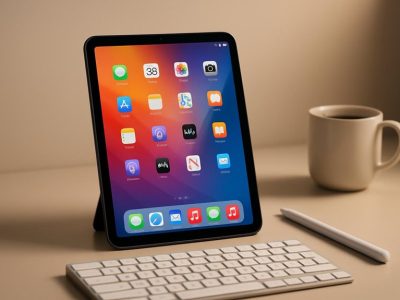
If you want to make the most of a cheap iPad, choosing the right accessories is key. First, check that accessories are compatible with your iPad model so you don’t waste money on the wrong items. For example, a cheap stylus like the Logitech Crayon can make note-taking and drawing easier without costing too much. Be careful with cheap cases and screen protectors—some may not fit well or may not protect your device effectively. Protecting your iPad from drops and scratches is worth the investment. If you need to work more efficiently, look for affordable keyboards like the Logitech K380, which can turn your iPad into a small laptop. Bluetooth speakers, such as the JBL Flip, can improve your music or video experience. Charging docks or stands, like the Anker PowerWave, keep your device charged and ready without hassle. Educational apps like Khan Academy or productivity tools like Microsoft Office are free or low-cost options that help you learn and work better. If you play games, affordable gaming accessories like controller grips can make playing more fun. Picking good accessories helps your iPad do more and saves you money in the long run. Just remember, not every cheap accessory works well, so read reviews before buying.
Tips To Extend The Life Of Your Budget iPad
Keeping your budget iPad working well longer is possible if you follow a few simple tips. Think of your iPad like a car—regular care helps it run smoothly for years.
First, battery life matters. Avoid leaving your iPad in very hot or cold places because extreme temperatures can damage the battery. Use smart charging habits, like not always charging to 100 percent or letting it drain completely. This helps keep the battery healthy, and Apple recommends keeping the charge between 20 and 80 percent for longer battery life.
Second, software updates are important. Apple releases updates that fix bugs and improve speed. Installing these updates regularly can prevent your iPad from slowing down. It’s like giving your device a tune-up.
Third, protect your iPad with a good case. A sturdy case can keep it safe from drops or scratches. Also, cleaning your screen and ports with a soft cloth keeps it working well and looking good. Using a quality charger, like Apple’s or certified ones, also protects the internal parts from damage.
Here are three quick tips to make your iPad last longer:
Manage your storage and delete apps or files you no longer need. This helps your iPad run faster and prevents it from freezing.
Use your iPad in a way that doesn’t overload it. Don’t run too many apps at once or keep many tabs open in Safari.
Keep your iPad clean and use a good charger. Dirty ports can cause charging problems, and cheap chargers can harm the battery.
Some people say these tips are simple, but neglecting them can lead to poor performance or early damage. Others think some tips might not make a big difference if your device is already old. It’s good to remember that no matter how careful you are, all devices wear out sooner or later.
To provide the best experiences, we use technologies like cookies to store and/or access device information. Consenting to these technologies will allow us to process data such as browsing behaviour or unique IDs on this site. Not consenting or withdrawing consent, may adversely affect certain features and functions.
Functional
Always active
The technical storage or access is strictly necessary for the legitimate purpose of enabling the use of a specific service explicitly requested by the subscriber or user, or for the sole purpose of carrying out the transmission of a communication over an electronic communications network.
Preferences
The technical storage or access is necessary for the legitimate purpose of storing preferences that are not requested by the subscriber or user.
Statistics
The technical storage or access that is used exclusively for statistical purposes.The technical storage or access that is used exclusively for anonymous statistical purposes. Without a subpoena, voluntary compliance on the part of your Internet Service Provider, or additional records from a third party, information stored or retrieved for this purpose alone cannot usually be used to identify you.
Marketing
The technical storage or access is required to create user profiles to send advertising, or to track the user on a website or across several websites for similar marketing purposes.