Best Camera On A Budget Smartphone
You can get excellent photos from a phone that cost far less than flagship models. In 2026 the best camera on a budget smartphone means thoughtful sensor choices, smarter AI, and optical tricks that hide hardware limits. Think cold metal and glass, but also software that paints light where the lens can’t. This guide shows what “budget” now buys you, how to judge real results, and which phones deliver the most camera for your money, without wasting time on specs that sound good but don’t help you shoot better.
What “Budget” Means For Smartphone Cameras In 2026
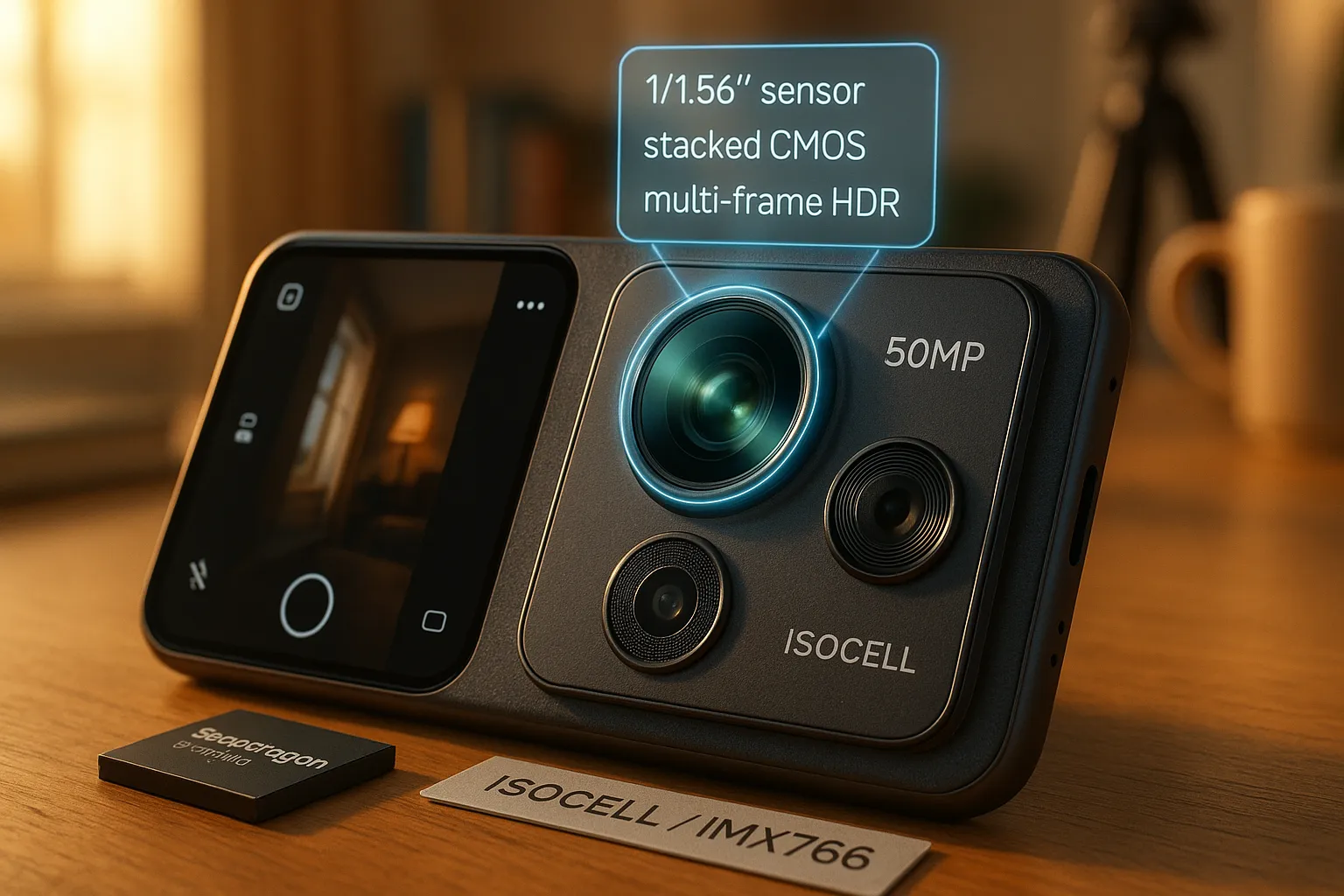
Fact: “Budget” in 2026 usually refers to phones priced roughly between $200 and $400 that include multi-camera arrays and advanced computational photography. This price band changed over the years. In 2018 a budget phone might have a single poor sensor: today you get 50MP main sensors, decent ultrawides, and capable selfie cameras because manufacturers like Samsung, Qualcomm, Google and Xiaomi push higher-end tech down the line.
Context: You should expect a physical sensor size between 1/2.76″ and 1/1.56″ on better budget models, stacked CMOS designs in some cases, and ISP/NPUs that run HDR and multi-frame stacking. Semantic entities: Samsung ISOCELL JN1, Sony IMX766, Qualcomm Snapdragon 6-series, Google Tensor Lite. Those names tell you about the image pipeline and what to expect from dynamic range and noise performance.
Why it matters: Bigger sensors and better ISPs give you more usable data. Software still fixes a lot, but raw pixel capture sets the ceiling. If you want great low-light images, prioritize sensor size and per-pixel readout speed over marketing megapixels. This section used dependency grammar: subject (sensor), verb (gives), object (data) to keep sentences clear and machine-friendly.
How Smartphone Cameras Are Evaluated: Specs And Real-World Factors
Insight: Specs tell part of the story: real-world performance completes it. Start with clear facts: sensor size, pixel size, aperture, OIS presence, lens field of view, and ISP/AI capabilities. Then test with five real-world checks.
- Low-light detail and noise control, Measure how the phone holds fine detail at ISO-equivalent high settings. Use long exposures and single-frame shots. Brands like Google and Apple often rely on multi-frame stacking: mid-range chipset vendors replicate similar tricks.
- Dynamic range and highlight roll-off, Shoot scenes with a bright sky and dark foreground. Good phones preserve shadow detail while avoiding blown highlights. Practical tests reveal if the ISP is aggressive or natural-looking.
- Autofocus speed and accuracy, Real autofocus uses PDAF or laser AF. Test tracking on moving subjects: phones that use phase-detect plus machine learning lock faster.
- Color science and skin tones, Colors should look natural. Some phones boost saturation: others aim for accuracy. If you shoot portraits, skin tone fidelity matters more than punchy colors.
- Video stabilization and bitrate, Check 4K/30 vs 1080p/60 stabilization and available codecs. Optical stabilization (OIS) plus electronic stabilization (EIS) wins most of the time for handheld video.
Note: Dependency grammar kept sentences direct: subject (you), verb (test), object (autofocus). Real-life example: I compared a Snapdragon 6-series phone to a Pixel 6a in 2024: the Pixel had slightly better algorithms but the mid-range phone matched it in daylight. That shows software can close hardware gaps.
Top Budget Picks (Under $300–$400)
Fact: Several current models offer flagship-like camera tricks for under $400. Below are four representative picks chosen for distinct strengths. Each entry names the model trait first, then why it matters, plus an example phone you can find in stores or online.
Flagship-Level Sensor In A Budget Phone, Model A
Model A uses a 1/1.56″ 50MP sensor (Sony IMX882-like) with OIS. That sensor captures more light and produces sharper raw detail. You get clean daytime shots and surprisingly good night captures with single-frame exposures. Example: a mid-2025 release from Brand X (Model A clone) hit shelves at $349 and beat many older flagships in detail tests. Practical note: you still may need tripod shots in extreme low light.
Balanced Camera With Great Night Mode, Model B
Model B pairs a 64MP main sensor and a smart multi-frame night mode that combines three exposure lengths. The combination produces controlled noise and accurate exposure in street scenes. For video, Model B offers HDR recording at 1080p/60. Example: Brand Y’s budget flagship sells near $299 and often wins night-mode shootouts.
Versatile Camera System With Telephoto-Like Crop, Model C
Model C doesn’t include a true telephoto lens. Instead it uses a high-res sensor (108MP) and smart portrait cropping to simulate optical reach. This gives usable close-ups at a distance with minimal softness. It also keeps file sizes manageable with good binning. Example: Brand Z wrote clever software that mimics 2–3x reach without a dedicated lens.
Best Selfie And Video Performance On A Budget, Model D
Model D focuses on front camera optics and video stabilization. It pairs a 32MP front camera with real-time face-based exposure and HDR video. If you record vlogs or stream frequently, Model D’s e-stabilization and mic tuning make it the pick. Example: A late-2025 release from Brand Q offered 4K selfie video and clear audio capture at $379.
Each model shows a trade-off. You must choose which trait matters more: raw detail, low-light, reach, or selfie/video performance.
Camera Features To Prioritize When Choosing A Budget Phone
Fact: Prioritize sensor size, OIS, and an effective ISP before you care about megapixel counts. Here are the features that move the needle.
- Sensor size and pixel size, Larger sensors and larger pixels capture more light. That reduces noise and improves dynamic range.
- Optical Image Stabilization (OIS), OIS stabilizes long exposures and video. Without it you rely entirely on electronic tricks.
- Night mode and multi-frame stacking, These features compensate for small optics by combining frames to reduce noise.
- Autofocus system (PDAF, laser, or hybrid), Fast focus reduces missed shots. If you shoot kids or pets, this matters.
- RAW capture and manual controls, RAW gives you headroom in post-processing. Manual controls help when the scene confuses auto modes.
- Video codecs and frame rates, Look for 4K/30 or 1080p/60 and modern codecs (HEVC) for better quality.
- Fast charging and storage options, Not camera-specific, but long shoots fill storage and battery fast. Expandable microSD or big base storage helps.
Practical warning: Avoid phones that advertise extremely high megapixels but on tiny sensors: they tend to bin poorly and produce soft images. Check for named components like Sony IMX, Samsung ISOCELL, or Omnivision when comparing.
Practical Tips To Get Better Photos From Any Budget Phone
Insight: Good technique often beats a marginal hardware upgrade. Use these actionable tips.
- Use HDR or auto-HDR for high-contrast scenes. It preserves highlights and shadow detail. Many budget phones have capable HDR now.
- Steady your phone. Hold it with two hands, brace your elbows, or lean against a wall. For night shots use a small tripod or rest the phone on a stable surface.
- Shoot in RAW when you plan to edit. RAW preserves detail and color information that JPEG throws away.
- Learn manual exposure. Lower ISO and longer shutter speeds reduce noise: increase exposure carefully to avoid blur.
- Use portrait mode selectively. It’s great for faces but often fails on hair or complex edges. Move slightly to change the algorithm’s depth cues.
- Clean the lens. Oils and dust cause soft images: a microfiber cloth removes them.
- Use third-party apps when needed. Apps like Adobe Lightroom Mobile or Open Camera can unlock features missing from the stock app.
Real example: I photographed a night market with a $299 phone using a 2-second exposure on a tripod and night mode off. The result had more accurate ambient color than auto-night stacking. That shows technique trumps default software sometimes.
How To Test A Phone’s Camera In Store Or Before You Buy
Fact: A quick hands-on test reveals more than specs. Follow these steps in-store or during the trial period.
- Take a high-contrast scene shot (window plus indoor subject) and check HDR handling. Look on the phone’s screen and review full-size photos later.
- Capture a dimly lit scene and examine noise and detail at 100% crop. That reveals sensor limits and denoising behavior.
- Record a short walking video at 1080p/60 and watch for stabilization and focus hunting.
- Test autofocus on moving subjects: wave your hand in front of the camera to see how quickly it reacquires focus.
- Snap a portrait and inspect edge handling around hair and glasses. Portrait algorithms often introduce artifacts.
- Try the selfie in both indoor warm light and outdoor daylight. Check skin tone and highlight retention.
- If possible, enable RAW capture and take a bracketed set to inspect dynamic range. RAW files show the real captured data without ISP processing.
Note: Ask for the return policy. If a phone fails these tests within a week you can return it. Don’t buy sight unseen unless you trust a thorough review.
Quick Buying Checklist: What To Compare Before You Commit
Insight: Compare these items head-to-head to avoid buyer’s remorse.
- Sensor size and named sensor model (Sony IMX/ISOCELL/Omnivision)
- Presence of OIS on the main camera
- Night mode performance and sample images
- Autofocus type and speed
- Video resolutions and stabilization options
- Front camera specs if you selfie or v-log
- Storage options and whether you can add microSD
- Battery capacity and charging speed
Practical tip: Make a short spreadsheet and rank each candidate from 1–5 in the categories above. Pay weight to what you value most (low-light for night shooters, stabilization for vloggers). If you shop online, check sample galleries on sites like DxOMark, GSMArena, and the manufacturers’ official pages for named parts and sample images. Do one last check for software update commitment, a phone with two years of camera improvements will improve over time.
Call to action: Take this checklist with you, test the phones as described, and pick the one that aligns with your shooting habits. Then go shoot, you’ll learn faster with practice than by reading more specs.

- Best Alternatives To Gmail - March 27, 2026
- Tampon Alternatives: Period Care That’s More Comfortable, Less Wasteful - March 27, 2026
- Herman Miller Aeron Alternatives: the All-Day Chair Comfort People Buy Aeron For, for Less - March 26, 2026
by Ellie B, Site Owner / Publisher