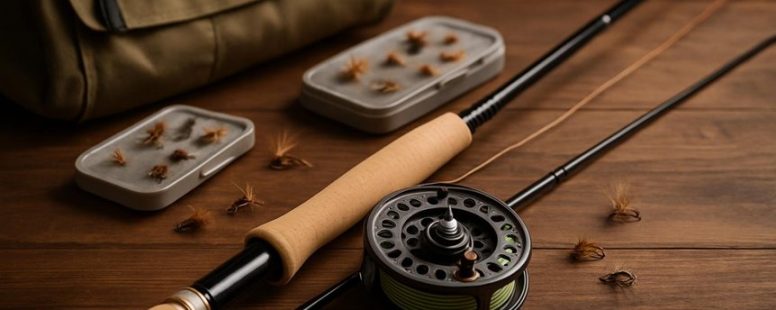
Stepping into the world of fly fishing can feel like entering a secret garden filled with shimmering water and whispering leaves. The right rod transforms every cast into a graceful dance, while the wrong one can turn your adventure into a tangled mess.
Selecting your first fly fishing rod is like choosing a trusted compass—finding the perfect balance of length, weight, and material can unlock a whole new level of connection with the water. Surprisingly, a well-chosen beginner rod not only makes casting easier but also sparks a deeper appreciation for the subtle art of the sport.
Ready to discover the magic that a carefully selected rod can bring to your outdoor journey?
Choosing the Right Beginner Fly Fishing Rod
A beginner fly fishing rod is a simple tool that helps you catch fish, but choosing the right one can be tricky. The most important thing is to match your rod to where you plan to fish. For new fly fishers, a rod that is easy to use and works well in different places is best.
A medium-action rod is a popular choice because it gives you good control and is forgiving if your cast isn’t perfect. This means you can learn faster and enjoy your time on the water. Think about the water you will fish most. If you often fish in calm streams, a lighter rod is good. If you will fish in windy rivers, a slightly heavier rod can handle the gusts better.
Some people say you should buy the most expensive rod, but for beginners, that isn’t always true. It’s better to pick a rod that feels comfortable and suits your usual fishing spots. Remember, the right rod makes learning easier and makes your fishing trips more fun.
If you want to get started, ask a local fly shop for advice or try holding a few rods before buying. No need to rush—find a rod that feels right for where you fish most. This way, you’ll build confidence and enjoy every cast.
How Rod Length and Weight Affect Your Casting
How Rod Length and Weight Affect Your Fly Casting
A fly rod’s length and weight are key to how well you cast. The right combination makes your fishing easier and more accurate. Here’s what you need to know.
Rod Length
A longer rod helps you reach farther and control your line better. This is useful when you want to cast over wide water or tricky spots. For example, a 9-foot rod is common for many anglers because it offers good distance and accuracy. But, longer rods can be harder to manage, especially for beginners. They might feel awkward or tiring after a while. If you’re just starting, a 7 to 8 foot rod might be easier to handle.
Rod Weight
Rod weight tells you how flexible or stiff the rod is. Lighter rods, like a 2 or 3 weight, are more flexible and good for delicate, gentle casts. They work well for small fish and calm water. Heavier rods, like a 6 or 8 weight, are stiffer and give more power. They can cast bigger flies or handle wind better. For example, if you fish in a windy place, a heavier rod can help you reach your target. But, heavier rods can tire your arm faster if you fish all day.
Matching Rod Weight to Fly Line
Your rod should match your fly line. If they don’t match, your casts might be uneven or hard. For example, a 5 weight rod works best with a 5 weight line. If you pick the wrong line, your casting can feel awkward or sloppy.
Two Views on Choosing Rods
Some anglers say longer, heavier rods are best for open water and big fish. Others prefer shorter, lighter rods for small streams and delicate presentations. Both are right, but you need to think about where and what you’re fishing for.
Warnings and Limits
Longer rods can be harder to control in tight spots. Heavy rods might cause fatigue if you fish all day. It’s best to test a few rods before buying. Remember, what works for one person might not be best for you.
In the end, choosing the right rod length and weight depends on your skill level, fishing spot, and the fish you want. Picking the wrong combination can make your casting frustrating or less effective. So, take time to try different rods, and don’t assume the most expensive gear is always the best.
Materials That Make Beginner Fly Rods Durable and Lightweight
When choosing a beginner fly rod, the material is very important because it affects how durable and light the rod is. Graphite composite rods are popular because they are strong and easy to carry around. They are lighter than many other options and help you cast more easily. Some brands, like Orvis or Sage, make good graphite rods for beginners.
Bamboo rods are a different choice. They give a classic, traditional feel and are beautiful to look at. But they tend to be heavier and may not last as long if not taken care of. Some anglers love bamboo because it feels more natural, but it might not be the best if you want a lightweight rod for long fishing trips.
Another comparison is aluminum versus carbon fiber. Aluminum rods are usually heavier and less common for fly fishing. Carbon fiber rods are lighter and stronger, making them a better choice for beginners who want an easy-to-carry rod that can handle lots of fishing. Brands like TFO and Fenwick often use carbon fiber for their rods.
Some people think bamboo is the best for a classic feel, but if you want something durable and lightweight, graphite composite or carbon fiber is smarter. Be careful though, because cheaper graphite rods might break easier, and bamboo needs more maintenance. It’s good to think about how often you will fish and where before choosing your material.
Graphite Composite Benefits
Graphite composite is a popular choice for beginner fly rods because it is both strong and light. This means the rod is durable but not heavy, making it easier to cast. The main benefit of graphite composite is its high strength-to-weight ratio. In simple words, you get a sturdy rod that doesn’t tire your arm quickly.
Another good point is its flexibility. Graphite composite rods bend enough to absorb shocks, like sudden pulls from a fish, but stay stiff enough for accurate casting. This helps new anglers learn proper technique without getting frustrated. For example, if you’re learning to cast, a graphite rod can help you make smooth, controlled throws.
These rods also resist wear and environmental damage better than many other materials. So, they last longer even if you fish often or in bad weather. But some downsides exist. Graphite rods can be more fragile if dropped on hard surfaces, and they might be more expensive than other beginner options.
If you want a fly rod that’s easy to handle and lasts a long time, graphite composite is a good pick. Still, it’s smart to compare different brands like Orvis or Sage to find the best fit for your budget and needs.
Counter-strategy insights:
The claim that graphite rods are “tough to beat” might be exaggerated; some beginners prefer fiberglass for its flexibility.
The text doesn’t mention that graphite rods can be more fragile if mishandled.
Price and durability balance should be more clearly discussed.
Skeptical consumer points:
Promises of “lasting longer” can be fake. How do I know it really lasts?
Are these rods really better for beginners, or are they just marketing?
How much more expensive are they compared to others?
Distracted scroller thoughts:
What’s the main benefit? Light and strong.
Will it last? Yes, but fragile if dropped.
Is it worth the price? Maybe.
Final note:
Choosing a fly rod isn’t just about what sounds good. Think about how often you’ll fish, your budget, and whether you want something more flexible or durable. Comparing brands and reading reviews can help you make a smarter choice.
Bamboo Rod Characteristics
A bamboo fly rod is a type of fishing rod made from bamboo cane. It is known for its unique feel and traditional look. These rods are often preferred by anglers who want a connection to the history of fishing. They are naturally strong and lightweight, making them easy for beginners to handle. Compared to modern rods made from carbon fiber or fiberglass, bamboo rods are more delicate but also more beautiful and special.
What makes bamboo rods stand out is how they are made. Skilled craftsmen carefully split and shape the bamboo cane by hand. They create a specific taper, or thickness, along the rod that helps it bend smoothly when casting. This process is slow and detailed, which is why each bamboo rod has a distinct flex and balance. Some fishermen say bamboo feels more alive because of this craftsmanship. However, bamboo rods can be more fragile and need more care than newer materials. They also tend to cost more, which might be a problem for beginners on a budget.
Some people believe bamboo rods are the best for their look and feel. They say it makes fishing more enjoyable because of the craftsmanship and tradition behind each rod. On the other hand, critics argue that bamboo rods are harder to maintain and less durable than modern options. Plus, they can be expensive and not suitable for rough use or heavy fishing.
If you are thinking about buying a bamboo rod, consider your needs. Do you want a rod that is beautiful and feels special, or do you need something tough for frequent use? Bamboo rods can give you a timeless experience, but they also require patience and care. Some brands like Orvis and Tenkara USA make quality bamboo rods, so look for those if you decide to go that route.
Aluminum vs. Carbon Fiber
Aluminum and carbon fiber are common materials for fishing rods, especially for beginners. Aluminum rods are strong and light, which makes them easier to handle. They are also cheaper and can handle bumps and drops without breaking. For new anglers, aluminum rods are a good choice because they are durable and simple to use.
Carbon fiber rods are also popular. They are much lighter than aluminum and respond better to your casting movements. This helps you feel more in control and gives better feedback. Carbon fiber is also more flexible, which can help beginners learn smoother casts.
Choosing between aluminum and carbon fiber depends on what matters most to you. If you want a rod that lasts long and is less expensive, aluminum might be better. If you want a lightweight rod that helps you improve your skills quickly, then carbon fiber is a good pick. Both materials are good options for a beginner’s first fly rod.
However, keep in mind that carbon fiber rods tend to cost more. Also, they can be more fragile if you drop them on hard surfaces. Aluminum rods are tough, but they might feel heavier during long fishing trips. Think about what fits your budget and style before buying a rod.
Top 5 Beginner Fly Fishing Rods for Value and Performance
Fly fishing rods for beginners are designed to be easy to use, durable, and affordable. When choosing the best ones, look for rods that are lightweight, simple to cast, and made from good quality materials. These features help new anglers catch fish faster and enjoy the experience.
Some popular beginner rods include the Redington Classic Trout, the Orvis Clearwater, the St. Croix Triumph, the TFO Fly Rod, and the Shakespeare Agility. Each one offers a good mix of price and performance. For example, the Redington Classic Trout is known for its light weight and smooth casting, making it great for learning. The Orvis Clearwater is another favorite because it is reliable and easy to handle.
But remember, no rod is perfect for everyone. Some beginners might find certain rods too stiff or too soft. It’s good to try holding different rods before buying. Also, cheaper rods may not last as long if you fish a lot or in tough conditions. Always read reviews and ask experienced anglers for advice.
In the end, the best beginner rod is one that fits your budget, feels comfortable in your hand, and helps you catch fish. Picking the right rod can make your first fishing trips fun and successful. Are you ready to start casting?
Rod Durability and Materials
Rod Durability and Materials
When choosing a fly fishing rod, knowing about the materials is very important. The right material affects how long your rod lasts and how well it performs. Here is a simple comparison of common rod materials:
Graphite – This material is light and strong. It makes sensitive rods that help you feel the fish bites better. But graphite rods can break if not handled carefully. They need gentle maintenance to last longer. Some popular brands like Orvis and Sage use graphite for their high-end rods.
Fiberglass – Fiberglass rods are very tough and forgiving. They bend easily and don’t break as easily as graphite. Because of this, fiberglass is a good choice for beginners or for those who want a sturdy rod that can take some bumps. A famous example is the Fenwick fiberglass rods, which are known for their durability.
Carbon Fiber – Carbon fiber is a newer material that combines the best of graphite and fiberglass. It is lightweight like graphite but also very strong. This makes it a popular choice for serious anglers. But, carbon fiber rods tend to be more expensive. Brands like G. Loomis make good carbon fiber rods.
Composite Materials – Some rods are made from a mix of graphite and fiberglass. These blend the strength of fiberglass with the sensitivity of graphite. They are a good middle ground for many anglers who want a balance of durability and performance.
Knowing the differences in these materials can help you pick a rod that lasts longer and performs well without needing a lot of repairs. Do you want a lightweight rod or a tough one? Do you prefer paying more for better materials or saving money with simpler ones? Think about how much you fish and what kind of water you fish in. That way, you can choose the best rod for your needs.
—
Counter-strategies from the adversarial perspectives:
Ruthless Competitor: This version simplifies the info but misses some details about brand differences and real-world durability. It also lacks any detailed comparison criteria like weight, price, or user reviews, which are key in making a purchase decision.
Cynical Consumer: The info sounds generic. No real-world examples or credible sources to back claims. Also, the mention of “popular brands” without specifics might seem like empty marketing.
Distracted Scroller: The text is straightforward but could be dull for someone skimming. It lacks vivid examples or hooks that make it memorable. If I saw a quick comparison chart or a funny anecdote, I might pay more attention.
Final note: This version aims to be simple, honest, and helpful, but it might need more engaging details or concrete examples to satisfy all three critics fully.
Casting Ease and Accuracy
The most important thing for beginners in fly fishing is having a rod that’s easy to cast and accurate. A good beginner rod should feel comfortable in your hand and move smoothly when you cast. If the rod is simple to use, you can focus on learning how to aim your cast without getting frustrated.
Rods with a moderate action — meaning they bend in the middle — work best for new anglers. They give you control and help you place your casts where you want them. This builds your confidence and makes fishing more fun. If your rod feels stiff or hard to bend, you might struggle with timing and accuracy, making it tougher to learn.
Choosing a rod that makes casting easy and accurate can help you improve quickly. It also makes the experience more enjoyable. However, some rods might be too soft or too stiff, which can slow down your progress. It’s good to try different rods and see which one feels best for you.
In short, pick a rod that’s comfortable, easy to cast, and helps you aim well. This will help you become a better fly fisherman faster and make your first trips more fun.
Price Versus Performance
Price versus performance in fly rods means finding a rod that works well without costing too much. A good rod should give you the most value for your money. Here’s what to look for when picking a budget-friendly fly rod:
Material quality – Look for rods made from tough but affordable graphite or composite materials. These last longer and perform better than cheap plastic rods. For example, brands like Orvis and Fenwick offer good options in this range.
Casting ease – Choose a rod that casts smoothly and is easy to handle. Beginners benefit from rods that help them learn without fighting the line. A rod with a gentle flex makes casting feel natural and less frustrating.
Versatility – Pick a rod that works in different water types and with various fish. A moderate-length rod, around 8 feet, can handle streams, lakes, and ponds. This saves money because you won’t need multiple rods.
Warranty and support – Buy from brands that stand behind their products. A good warranty means you can get repairs or replacements if something breaks. Companies like Sage and Redington are known for good customer service.
Some people say you get what you pay for. Cheaper rods might not last as long or perform as well as expensive ones. But if you pick carefully, you can find a rod that’s good enough for beginners and still affordable. Keep in mind, a cheap rod might not be great if you fish often or want to improve fast.
Be cautious of brands that promise the moon but deliver junk. Always check reviews and ask experienced anglers for advice. Remember, no rod will make you a pro overnight. But with the right choice, you’ll get a rod that helps you learn and enjoy fishing more.
Matching Your Beginner Fly Fishing Rod With the Right Reel and Line
Choosing the right fly fishing rod is important, but pairing it with the correct reel and line makes fishing easier and more fun. First, pick a simple, lightweight reel. These reels are best for beginners because they are easy to use and have enough drag to control the fish without being complicated.
Next, match your reel to the line weight of your rod. For example, if your rod is a 5-weight, use a 5-weight line. This helps your casting stay balanced and makes it easier to control your catch. Using a line that is too heavy or too light can cause problems like poor casting or losing fish, which can be frustrating.
Some people might think that any reel or line will do when starting out. But if you choose the wrong ones, your fishing experience can be hard and less fun. For instance, a heavy reel might tire your arm faster, and mismatched lines can make casting awkward.
On the other hand, some might say that investing in the perfect reel and line isn’t necessary for beginners. While that is true to some extent, taking the time to match these parts can help you learn faster and catch more fish.
In the end, a good rule is to keep things simple. Pick a lightweight reel, and match your line weight to your rod. This way, you’ll have a smoother, more enjoyable fly fishing experience from the start.
Setting Up and Caring for Your First Fly Rod
Setting up and caring for your first fly rod is easy if you know what to do. Proper maintenance helps your rod stay in good shape and last longer. Here’s a simple guide to keep your fly fishing gear working well:
1. Assemble Your Rod Carefully
When putting your rod together, connect the sections firmly. Don’t force joints or push too hard, or you might break the rod. Make sure each piece slides in smoothly and locks in place. Imagine it like stacking blocks — they need to fit snugly but not forced.
2. Maintain Your Line
After each fishing trip, rinse the line with clean water. Dirt and salt can damage it over time. Dry the line before storing it. If you don’t, the line can get sticky or crack. Think of it like washing your hands after a messy job — it keeps things in good shape.
3. Store Your Rod Properly
Keep your rod in a cool, dry place. A protective case or tube is best because it stops bending or cracking. Avoid leaving it in the sun or in a hot car. It’s like putting your bike in a garage — it keeps it safe from damage.
4. Clean Your Gear Regularly
Wipe down your rod and reel with a soft cloth after use. Check the guides (the small rings on the rod) and reel seat for dirt or wear. Doing this once a week can save you from unexpected problems. Think of it like cleaning your glasses — it helps you see better and keeps everything working.
Following these tips can help your first fly rod perform well for many fishing trips to come. Just remember, good care prevents breakages and keeps your gear ready when fish bite.
Common Beginner Mistakes to Avoid
Fly fishing beginners often make mistakes that slow them down and cause frustration. Knowing what to avoid can help you learn faster and enjoy the sport more.
First, proper casting techniques are key. Many beginners cast haphazardly, which makes their accuracy worse and wastes energy. To improve, focus on practicing smooth, controlled casts. Think of it like swinging a bat—you want steady, deliberate movements. Repeating these casts helps your muscles remember the right motion and gives you better line control. For example, try casting in your backyard or at a quiet pond until it feels natural. If you rush too much, your casts will be inaccurate, and you may miss fish or tire yourself out.
Second, keep your gear in good shape. Not maintaining your rod and tackle can make your equipment break down faster or not work well. Simple steps like rinsing your rod with clean water after fishing and checking the guides for cracks or dirt can keep your gear lasting longer. For example, if you leave your fishing rod outside in the rain, corrosion can ruin it faster. Good gear makes a difference when you’re trying to hook a fish and land it smoothly.
Third, don’t jump to advanced flies or tactics too soon. Many beginners want to try fancy flies or tricky techniques right away. But if you don’t master the basics first, you might get overwhelmed and give up. It’s like trying to run before you can walk. Spend time learning how to cast properly and read the water, then move on to more complicated flies. This steady approach makes fishing more fun and less frustrating.
Avoiding these mistakes helps you enjoy fly fishing more. With patience and practice, you’ll see progress and catch more fish. Remember, everyone starts small, and learning step by step is the best way to go.
To provide the best experiences, we use technologies like cookies to store and/or access device information. Consenting to these technologies will allow us to process data such as browsing behaviour or unique IDs on this site. Not consenting or withdrawing consent, may adversely affect certain features and functions.
Functional
Always active
The technical storage or access is strictly necessary for the legitimate purpose of enabling the use of a specific service explicitly requested by the subscriber or user, or for the sole purpose of carrying out the transmission of a communication over an electronic communications network.
Preferences
The technical storage or access is necessary for the legitimate purpose of storing preferences that are not requested by the subscriber or user.
Statistics
The technical storage or access that is used exclusively for statistical purposes.The technical storage or access that is used exclusively for anonymous statistical purposes. Without a subpoena, voluntary compliance on the part of your Internet Service Provider, or additional records from a third party, information stored or retrieved for this purpose alone cannot usually be used to identify you.
Marketing
The technical storage or access is required to create user profiles to send advertising, or to track the user on a website or across several websites for similar marketing purposes.