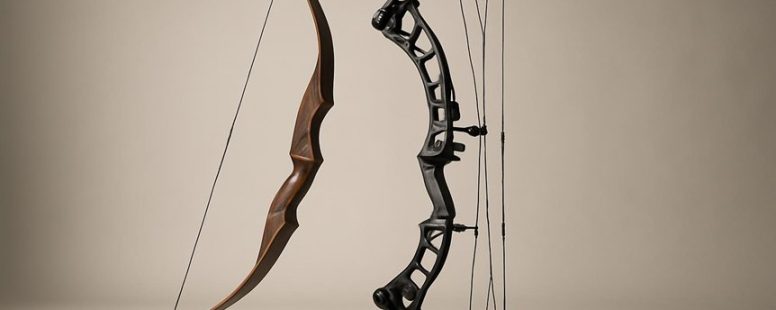
Imagine holding a bow that feels like an extension of your own arm, each shot echoing with purpose. The age-old debate between recurve and compound bows is more than tradition—it’s a journey into understanding how their unique designs can transform your aim, comfort, and confidence.
Surprisingly, choosing the right bow can unlock hidden strengths you never knew you had, turning every arrow into a statement of skill. Whether you crave the raw elegance of a recurve or the mechanical mastery of a compound, knowing what sets them apart can be the difference between a good shot and a game-changing one.
What Are Recurve and Compound Bows?
Recurve and compound bows are the two main types of bows used in archery. A recurve bow has limbs that curve away from the archer when the bow is unstrung. This shape helps store more energy when you draw the bow, making it powerful. Recurve bows have been used for thousands of years, especially by ancient civilizations like the Egyptians and Mongols. They are often seen in traditional archery and are valued for their simplicity and history. Many archers enjoy recurve bows because they are easier to carry and require less maintenance.
On the other hand, a compound bow is a modern invention that came around in the 1960s. It uses a system of pulleys and cams to make drawing the bow easier and more accurate. When you draw a compound bow, the pulleys reduce the amount of force needed at the full draw, which helps aim better. These bows are popular in hunting and target shooting because they can shoot arrows with great speed and precision. However, compound bows are more complex and need more care to keep them in good shape.
Some people prefer recurve bows because they feel more connected to the history of archery. Others choose compound bows for their mechanical advantage and ease of use. Both types have their strengths and weaknesses. For example, recurve bows are simpler and lighter but may require more strength and practice. Compound bows are easier to shoot accurately but can be more expensive and need adjustments.
Key Design and Mechanical Differences Between Recurve and Compound Bows
A recurve bow and a compound bow are two types of bows used for archery, but they work very differently. A recurve bow has simple, curved limbs that bend when you pull the string. It stores energy through its shape, and when you release the string, that energy makes the arrow fly. These bows are easy to understand and usually cheaper. They are often used in traditional archery and in Olympic competitions.
A compound bow uses a system of pulleys and cams. These parts give you a mechanical advantage. When you draw a compound bow, the pulleys make it easier to hold at full draw. This helps you aim more steadily and shoot more accurately. The system also stores energy more efficiently, so the arrow can go faster and farther. Many hunters and target archers prefer compound bows because of their precision and power.
The main difference is how they store and release energy. Recurve bows rely on their shape and string physics, while compound bows use pulleys to make drawing easier and improve accuracy. Both types have their pros and cons. Recurve bows are simple and lightweight but may be harder for beginners to shoot well. Compound bows are more complex and need more maintenance, but they can shoot with more force and precision.
Understanding these differences can help you choose the right bow for your needs. If you want something simple and traditional, a recurve bow might be best. If you’re looking for more accuracy and power, a compound bow could be a better choice. But keep in mind that compound bows can be more expensive and harder to fix if something breaks.
Which Bow Is Better for Beginners?
Choosing the best bow for beginners depends on what you want to do with archery and what feels most comfortable for you. The two main types are recurve bows and compound bows.
A recurve bow is a simple design that has been used for thousands of years. It is lighter and easier to hold, which makes it a good choice for people just starting out. If you like the idea of using a bow similar to those ancient warriors or want a more traditional feel, a recurve bow might be better for you. Brands like Bear Archery and Samick offer good beginner recurve bows.
A compound bow uses modern technology with pulleys and cables. It is designed to make aiming easier and requires less physical strength. This can help beginners shoot more accurately faster. If you want to focus on hitting targets or competing in archery contests, a compound bow could be the better choice. Popular brands include Bowtech and Hoyt.
Both types have their pros and cons. Recurve bows are simple and connect you to history, but they can be harder to aim for some beginners. Compound bows are easier to aim but are often more expensive and heavier.
In the end, think about your goals. Do you want to learn traditional shooting skills or focus on accuracy with modern gear? Also, consider how comfortable you feel holding and aiming each type. Trying out both at a local archery shop can help you decide which feels right. Remember, both bows can be good starting points, but picking the one that matches your interests and comfort level is key.
How Do Performance and Accuracy Compare in Recurve and Compound Bows?
The main difference in performance and accuracy between recurve and compound bows depends on the shooter’s skills and the bow’s design. Recurve bows are simpler and rely more on the shooter’s control and technique. They need the archer to stabilize the arrow well and develop good form. Because of this, they often reward skill and consistent practice. For example, many Olympic archers use recurve bows because they can fine-tune their shots and gain better feedback from the bow.
Compound bows, like the ones used in hunting or target shooting by many professionals, have pulleys called cams. These make it easier to hold the bow at full draw, reducing the effort needed. This system helps stabilize the arrow, which can lead to better accuracy for most shooters. Many people find that compound bows help them hit targets more precisely without needing as much practice. For example, hunters often prefer compound bows because they can aim better and shoot more accurately from different distances.
However, both types have their limits. Recurve bows can produce very accurate shots, but they require a lot of skill to master. If you are just starting, you might find it harder to hit the target consistently with a recurve. Meanwhile, compound bows can improve accuracy quickly, but they might hide some of the shooting flaws that a skilled archer would notice with a recurve.
When Should You Use a Recurve or a Compound Bow?
A recurve bow is a simple type of bow with limbs that curve away from the archer when unstrung. It is a good choice if you want a traditional, easy-to-use bow that connects you to the history of archery. Recurve bows are great for beginners because they are straightforward and don’t need a lot of extra equipment. Many people enjoy using recurve bows for target practice, traditional archery competitions, or historical reenactments. If you like the idea of feeling connected to ancient archery methods, a recurve is a good pick.
A compound bow is a modern bow that uses pulleys and cables to make shooting easier and more powerful. It is popular for hunting and competitive archery because it helps you aim more accurately and requires less strength to pull back. Compound bows are often used by experienced archers or hunters who want to shoot long distances or shoot more consistently. They are more complex and often cost more than recurve bows, but they also give you more control and power. If you want a bow that helps you shoot farther and more accurately, a compound bow might be the best choice.
Some people prefer recurve bows because they feel more natural and connected to traditional archery. However, they might take longer to master and don’t have the same power as a compound bow. Others like compound bows because they are easier to shoot and can help you improve your accuracy faster. But, they are more complicated and can be more expensive. Both bows have their strengths and limitations. Your choice depends on what you want to do with your bow and your experience level.
What Are the Costs and Maintenance Needs?
Recurve bows are generally cheaper and easier to take care of than compound bows. If you are just starting out or want a simple bow, a recurve might be the best choice for you. These bows usually cost less to buy and don’t need many accessories. You mainly need to replace the string now and then and check the limbs for cracks. They are simple and cost less to keep in good shape.
Compound bows cost more upfront because of their complex parts like cams and pulleys. They also need more maintenance to stay working well. You will need to check the cables, pulleys, and cams regularly to make sure everything is in good condition. Some brands like Bowtech or PSE make popular compound bows that require this kind of regular care.
If you want a bow that is cheaper and easier to maintain, a recurve is a good choice. But if you want a more powerful bow that can be tuned often, a compound might be better. Just remember that compound bows will likely cost you more money over time because of their maintenance needs. Think about how much you want to spend now and in the future before making your decision.
Which Bow Fits Different Shooting Styles and Environments?
Choosing the right bow depends on your shooting style and where you plan to shoot. Different bows work better for different situations.
Recurve bows are great for close-up shots and small spaces. They are lightweight and easy to handle, making them perfect for indoor ranges or small outdoor areas. If you like quick shots or are just starting out, a recurve might be your best choice.
Compound bows are better for long-distance shooting. They use pulleys to make aiming more accurate and require less strength to hold at full draw. This makes them good for outdoor hunting or target shooting over large fields. However, they can be heavier and more complicated to set up.
The terrain also matters. For rugged outdoor environments with lots of trees or uneven ground, a compact recurve might be easier to carry. But if you are shooting in an open field, a longer compound bow can help you reach farther targets.
Some shooters prefer recurve bows for quick, agile shots, while others love the power and precision of compound bows. Remember, the best bow for you depends on your style and where you shoot most often. Trying different bows can help you find what feels right.
Ideal for Close Quarters
A recurve bow is best for shooting in tight spaces and quick shots. It has a simple design that makes it lightweight and easy to handle. This means you can move it fast and aim carefully, which is important when shooting indoors or in dense hunting areas. Recurve bows don’t have complicated parts like some other bows do. Because of this, they are less bulky and easier to use in small spaces. They also set up quickly, so you can start shooting faster.
Some people may think compounds bows are better because they are more powerful. But these bows are often bigger and heavier, making them harder to use in tight spots. If you need a bow for close-range shooting, a recurve is usually the better choice. It gives you the agility and control you need for quick, accurate shots in small spaces.
However, keep in mind that recurve bows may not be best if you need a lot of power for long shots. They work great for indoors or dense woods, but for longer distances, a different bow might be better. If you are new to archery or want easy handling, a recurve bow is a smart pick for close quarters.
Best for Long-Distance Shots
Recurve bows are known for their simple design and traditional look, but they are not the best choice for long-distance shots. They work better in close spaces or for short-range target practice. The reason is that recurve bows lack the mechanical parts that help improve accuracy over long distances.
In contrast, compound bows are designed to be better for long-range shooting. They use pulleys and let-off systems that make it easier to hold the bow steady and aim accurately at targets far away. Many hunters and competitive archers prefer compound bows because they help shooters stay consistent and hit their target even at great distances.
However, some people enjoy using recurve bows for their classic feel and simplicity. They are great for beginners or for practicing at shorter ranges. But if you want to hit targets that are far away, a compound bow might be your best option. Some brands like Hoyt or Mathews make popular compound bows that many archers trust for long-distance shooting.
Be aware that compound bows are usually more expensive and heavier than recurve bows. They also require more maintenance due to their mechanical parts. So, if you are just starting out or looking for a traditional experience, a recurve might be enough. But if your goal is accuracy over long distances, you should consider a compound bow for better results.
Adaptability to Terrain
When choosing a bow for different terrains and shooting conditions, it’s helpful to know which type works best. Recurve bows are lighter and easier to move around with, making them good for tight spaces like forests or rocky areas. They are great for quick shots at close range. Compound bows, on the other hand, have special parts like pulleys and adjustable draw weights. This makes them better for rough weather like rain or wind because you can tune them for more stability and accuracy.
To adapt well to different terrains, keep these points in mind:
Recurve bows are easy to handle in tight spots and are good for fast, close shots.
Compound bows can be adjusted for different weather conditions, helping you stay accurate even when the weather changes.
Customizing your equipment, like changing the draw weight or stabilizers, can make your bow perform better in tough environments.
Both types of bows need different techniques depending on where you shoot.
For example, if you’re hunting in a dense forest, a recurve bow might be easier to use because it’s lighter and easier to move around with. If you’re shooting in windy conditions, a compound bow with adjustable settings can give you a better chance at hitting your target.
Some shooters prefer recurve bows because they are simple and reliable, but they might not perform as well in bad weather. Compound bows are more complex but offer more control and precision, especially in challenging weather.
Choosing the right bow depends on where you shoot and how you like to shoot. Think about your environment and your skill level before making a decision.
Pros and Cons of Recurve vs. Compound Bows
A recurve bow is a type of traditional bow with curved tips that bend away from the archer when unstrung. It is simple and has been used for thousands of years, making it a symbol of old-fashioned craftsmanship. Recurve bows are easy to carry and maintain, and they don’t need fancy parts. They are good for beginners and those who want to keep archery simple. But, they take more strength to shoot well because they don’t have any tech help. You need to practice a lot to get accurate shots.
A compound bow uses modern parts like pulleys and cams. These make it easier to hold the bow at full draw, which means you don’t need as much strength to aim. They also have a let-off feature that reduces the effort needed to hold the bow steady. Many hunters and target shooters prefer compound bows because they are more accurate and easier to shoot. However, they are more complicated to set up and maintain. They also cost more than recurve bows and can feel less connected to traditional archery.
If you want a simple bow that keeps archery close to its roots, a recurve might be best for you. But if you want easier shooting and better accuracy, especially for hunting or competitions, a compound bow could be the better choice. Just remember, compound bows are more expensive and require more care. Both types have their good and bad points, so think about what matters most to you before buying.
How to Choose the Right Bow for Your Goals and Experience Level
The right bow for you depends on your experience and what you want to do with it. If you are a beginner, start with a simple, lightweight bow. This helps you learn how to aim and shoot without getting tired. For example, a beginner might choose a recurve bow from a brand like Southwest Archery, which is easy to handle.
If you plan to hunt, look for a bow that has enough power to take down game and is comfortable to carry in the woods. Compound bows from brands like Mathews or Hoyt are popular for hunting because they have more power and accuracy. For target shooting, a bow with a smooth draw and good accuracy like a Samick Sage recurve or a Bowtech might be better.
Think about your budget too. Cheaper bows can work well for learning, but they might not last long or be precise enough for serious shooting. More expensive models tend to be more durable and accurate but can cost several hundred dollars. Decide how long you want your bow to last and how much you want to invest.
Some people prefer a traditional wooden bow for fun and history, but these can be harder to shoot well. Others like modern bows with adjustable features to fit their body better.
Two viewpoints exist about choosing a beginner bow. Some say it’s better to buy a simple, inexpensive bow first. Others believe investing in a higher quality bow from the start can save money in the long run because it lasts longer and performs better.
Always try out different bows if you can. Visit a local archery shop or range to see what feels comfortable. Remember, the right bow should feel good and help you enjoy shooting.
Skill Level Considerations
Your skill level is a key factor when choosing a bow because it affects how comfortable, accurate, and fun your archery experience will be. Beginners often find recurve bows easier to use because they are simple and lighter. Experienced archers might prefer compound bows because they have special features like pulleys that help increase power and accuracy. Think about your experience when picking a bow for competitions or practice.
Here are some important points to consider:
Less experienced archers do better with simple bows that don’t need a lot of adjustments
Skilled shooters often go for compound bows to shoot more precisely and hit harder
Your skill level affects how well you can handle a complicated bow
Your goals, such as target shooting or hunting, also matter when choosing a bow
Matching your skill with the right bow helps you stay motivated and get better faster. For example, a beginner who chooses a complicated compound bow might feel frustrated, while an expert might find a simple bow boring. Think about what you want to do with your bow and pick one that fits your skill level.
Intended Use Alignment
When choosing a bow, knowing what you want to do with it is very important. Different types of bows work better for different goals. For example, a recurve bow is great if you want to learn about history or enjoy traditional archery. It has a classic shape that has been used for thousands of years. On the other hand, a compound bow is better if you want to shoot targets with accuracy or hunt animals. It has special parts called cams that help you hold and aim the bow more easily.
Looking at how bows have changed over time can help you decide. Recurve bows were used by ancient civilizations like the Egyptians and Mongols. Today, they are popular in traditional archery contests and cultural festivals. Compound bows were invented in the 1960s and are now common in modern competitions and hunting because they let you shoot with less effort and more precision.
Budget and Longevity
The type of bow you choose depends a lot on how much money you want to spend and how long you want it to last. Generally, bows made with better materials and craftsmanship last longer and perform better. Over time, bows have improved a lot, making good quality options more affordable.
Here are some points to think about when picking a bow based on budget and how long it lasts:
Recurve bows are usually cheaper and easier to fix if they break. They are good for beginners or people who do not want to spend too much.
Compound bows cost more but are often stronger and last longer. They are popular for hunting and target shooting.
Old traditional bows can last many years if you take good care of them. Many people treasure these bows for their history and craftsmanship.
Modern materials like carbon fiber or fiberglass help high-end bows stay in good shape longer. These materials are lightweight and resistant to weather.
Some people may prefer a cheaper bow to start with. Others want a more durable bow that lasts many years. Both choices have their good and bad points. Cheaper bows may need repairs sooner. More expensive bows can be costly but often work better over time.
Knowing these facts helps you find a bow that fits your goals and skill level. Think about how much you want to spend and how long you want the bow to last before making a decision.
Final Tips: Understanding the Differences for Better Archery Success
Understanding the main differences between recurve and compound bows can help you pick the right one for your needs. A recurve bow is an old style that has a simple design. Its limbs curve away from the archer when unstrung, which gives it a classic look. These bows are often used in traditional archery and are good if you want a straightforward, easy-to-maintain bow. They are lighter and usually less expensive, making them a good choice for beginners.
A compound bow is a newer invention with a system of pulleys and cables. This design uses technology to make shooting easier and more accurate. Compound bows can generate more power with less effort, which helps if you want to shoot farther or with more precision. They are popular in modern tournaments and hunting. However, compound bows are more complex and heavier than recurve bows, so they might take longer to learn and can be more costly.
Knowing these differences helps you decide which bow fits your goals. If you like traditional looks and simplicity, a recurve might be best. If you want high tech and more power, a compound bow could be a better fit. Both types have their strengths and weaknesses, so think about what you want to do with your archery.
Some people warn that compound bows can be confusing for beginners because of the pulleys and settings. On the other hand, they make shooting easier once you get used to them. Recurve bows are easier to learn but might not give you the same level of power or accuracy as a compound.
In the end, understanding these key differences can help you enjoy archery more. Whether you choose a classic recurve or a modern compound, knowing what each bow offers will help you improve your skills and have more fun.
To provide the best experiences, we use technologies like cookies to store and/or access device information. Consenting to these technologies will allow us to process data such as browsing behaviour or unique IDs on this site. Not consenting or withdrawing consent, may adversely affect certain features and functions.
Functional
Always active
The technical storage or access is strictly necessary for the legitimate purpose of enabling the use of a specific service explicitly requested by the subscriber or user, or for the sole purpose of carrying out the transmission of a communication over an electronic communications network.
Preferences
The technical storage or access is necessary for the legitimate purpose of storing preferences that are not requested by the subscriber or user.
Statistics
The technical storage or access that is used exclusively for statistical purposes.The technical storage or access that is used exclusively for anonymous statistical purposes. Without a subpoena, voluntary compliance on the part of your Internet Service Provider, or additional records from a third party, information stored or retrieved for this purpose alone cannot usually be used to identify you.
Marketing
The technical storage or access is required to create user profiles to send advertising, or to track the user on a website or across several websites for similar marketing purposes.