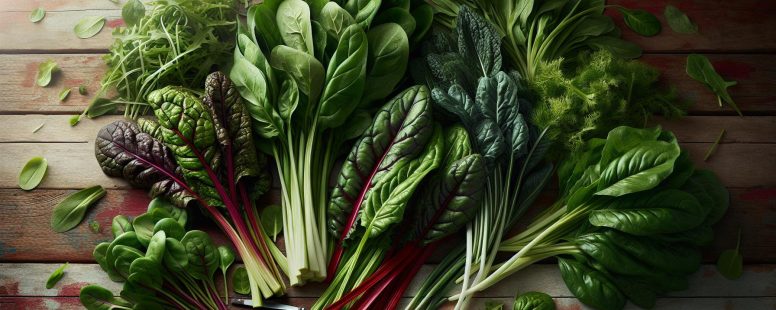
Kale might be the reigning champion of superfoods, but let’s face it—it’s not everyone’s cup of tea. Its earthy flavor and chewy texture can feel like a challenge rather than a treat. If you’ve been forcing yourself to love kale or simply want to switch things up, you’re not alone. The good news? There are plenty of nutrient-packed alternatives that bring just as much (if not more) to the table.
Picture enjoying leafy greens that don’t just check the “healthy” box but also delight your taste buds. From vibrant spinach to peppery arugula, these substitutes offer unique flavors and textures while delivering vitamins, minerals, and antioxidants your body craves. Whether you’re blending smoothies or crafting salads, discovering the best alternative to kale could completely transform how you enjoy your greens—and make healthy eating feel less like a chore and more like an adventure.
Why Look For The Best Alternative To Kale?
Kale is nutrient-dense, but its bitter taste and fibrous texture can make it less appealing. If you dislike kale’s flavor or struggle to digest it, finding alternatives expands your options without sacrificing nutrition.
Other leafy greens, such as spinach or Swiss chard, offer comparable vitamins like A and K along with minerals such as iron and calcium. These choices cater to different palates while still supporting a balanced diet.
For those seeking variety in meals, exploring substitutes allows for greater culinary creativity. Bok choy adds crunch to stir-fries; collard greens pair well with smoked meats. Each alternative brings unique flavors and textures that suit specific dishes.
Some individuals may also have allergies or sensitivities to kale-related compounds like oxalates. Choosing replacements reduces potential health risks while maintaining access to essential nutrients.
Expanding beyond kale ensures dietary diversity, which promotes better gut health by introducing various fibers and phytonutrients into your meals.
Nutritional Profile Of Kale
Kale is often labeled as a superfood due to its dense nutritional content. It’s not only packed with essential vitamins and minerals but also offers unique compounds that support overall health.
Key Benefits Of Kale
Rich in micronutrients, kale contains vitamins A, C, and K in significant amounts. A single cup of raw kale provides over 200% of the daily value (DV) for vitamin A and 684% DV for vitamin K. Its high vitamin C content—about 80 mg per cup—supports immune function and skin health.
Kale has antioxidants like quercetin and kaempferol, which help reduce inflammation and combat oxidative stress. Its fiber promotes gut health by supporting digestion and reducing cholesterol levels. The calcium content (101 mg per cup) strengthens bones, while iron aids oxygen transport within your body.
Its low-calorie profile makes it ideal for weight management diets. For instance, one cup of kale has just 33 calories yet delivers substantial nutritional benefits.
Nutritional Drawbacks Of Kale
Although nutrient-dense, kale does have some drawbacks to consider. It contains oxalates, which can interfere with calcium absorption when consumed in excess. This may pose a risk if you rely heavily on kale without balancing your intake with other sources of nutrients.
The goitrogens present in raw kale might affect thyroid function by disrupting iodine uptake if eaten excessively over time. Cooking reduces these compounds but also lowers certain heat-sensitive nutrients like vitamin C.
Top Alternatives To Kale
Finding a suitable alternative to kale can enhance your meals with diverse flavors and textures. Several leafy greens offer comparable nutritional benefits while catering to different taste preferences.
Spinach: A Nutrient-Packed Powerhouse
Spinach provides high levels of vitamins A, C, and K, along with iron and magnesium. It’s versatile in cooking, making it ideal for salads, smoothies, or sautés. Its tender leaves have a mild flavor that pairs well with various ingredients. Unlike kale’s fibrous texture, spinach is soft and easy to chew.
Collard Greens: A Southern Favorite
Collard greens are rich in calcium, vitamin B6, and folate. Their robust leaves withstand slow-cooking methods like braising or steaming without losing nutrients. If you prefer hearty dishes such as stews or stir-fries, collards deliver both substance and nutrition.
Swiss Chard: A Vibrant Choice
Swiss chard stands out for its colorful stems and slightly earthy taste. Loaded with potassium and antioxidants like beta-carotene, it’s a great choice for heart health support. Use the stalks in soups or roast them to reduce food waste while enjoying their distinct flavor profile.
Arugula: A Peppery Option
Arugula offers zesty notes that elevate salads or sandwiches. Packed with phytochemicals like glucosinolates—known for anti-inflammatory properties—it adds depth without overpowering other ingredients. Combine arugula with citrus fruits or nuts for refreshing meal combinations.
Romaine Lettuce: A Mild Substitute
Romaine lettuce contains fiber alongside moderate amounts of vitamin K and folate but lacks the bitterness of kale. Its crisp texture works best in wraps or Caesar salads where milder flavors shine through effortlessly.
Factors To Consider When Choosing A Kale Alternative
When selecting a substitute for kale, consider factors like nutritional composition, flavor profile, texture, and adaptability in recipes. Each alternative offers distinct qualities that can enhance meals while meeting your dietary needs.
Nutritional Content
Evaluate the nutrient density of alternatives to match or exceed kale’s benefits. For example, spinach provides similar amounts of vitamins A and K with added folate, supporting cell function. Swiss chard delivers magnesium and potassium for heart health, while collard greens offer high calcium levels essential for bone strength. Arugula contains nitrates improving blood flow. Addressing specific deficiencies can guide your choice effectively.
Flavor And Texture
Assess taste preferences and dish compatibility when choosing replacements. Spinach has a mild flavor suitable for blending into smoothies or soups without overpowering other ingredients. Arugula adds a peppery kick perfect for salads or pizza toppings. Collard greens feature robust textures ideal for wraps or stews requiring longer cooking times. If bitterness is an issue with kale, romaine lettuce serves as a sweeter option with crisp leaves.
How To Incorporate Kale Alternatives Into Your Diet
Incorporating kale alternatives into your meals can enhance flavor variety and boost nutrient intake. These options work well in raw, cooked, or mixed recipes.
Salads And Smoothies
Use spinach or arugula as a base for salads to replace kale’s bitter taste. Spinach provides a mild flavor that pairs with citrus dressings, while arugula adds a peppery kick ideal for balsamic vinaigrettes. Toss in nuts, seeds, or dried fruits for texture and additional nutrition.
Add Swiss chard stems or romaine lettuce to green smoothies for a smoother consistency. For example, blend spinach with bananas and almond milk for a creamy drink rich in iron and potassium. Replace kale with collard greens in detox smoothies if you prefer their robust texture.
Cooked Dishes And Sides
Substitute collard greens for kale in soups or stews; their hearty leaves hold up well during cooking. Braise Swiss chard with garlic and olive oil to create a flavorful side dish packed with magnesium and antioxidants.
Steam bok choy as an alternative to sautéed kale when serving Asian-inspired meals. Its tender stalks complement soy sauce-based marinades. Use arugula as a topping on hot pizzas instead of cooked kale to retain its fresh taste.
Creative Recipe Ideas
Create wraps using large romaine lettuce leaves instead of tortillas, filling them with grilled chicken, avocado, and hummus—an excellent alternative to kale wraps. Add chopped spinach into omelets alongside mushrooms for breakfast dishes high in vitamins A and K.
Conclusion
Exploring alternatives to kale opens up endless possibilities for enhancing your meals with exciting flavors and textures while meeting your nutritional goals. Whether you prefer the mildness of spinach, the peppery kick of arugula, or the vibrant appeal of Swiss chard, there’s a leafy green to suit every palate.
By embracing these substitutes, you’re not only diversifying your diet but also creating more enjoyable and versatile dishes. Healthy eating doesn’t have to be monotonous—experimenting with different greens can make it a flavorful and rewarding journey.
To provide the best experiences, we use technologies like cookies to store and/or access device information. Consenting to these technologies will allow us to process data such as browsing behaviour or unique IDs on this site. Not consenting or withdrawing consent, may adversely affect certain features and functions.
Functional
Always active
The technical storage or access is strictly necessary for the legitimate purpose of enabling the use of a specific service explicitly requested by the subscriber or user, or for the sole purpose of carrying out the transmission of a communication over an electronic communications network.
Preferences
The technical storage or access is necessary for the legitimate purpose of storing preferences that are not requested by the subscriber or user.
Statistics
The technical storage or access that is used exclusively for statistical purposes.The technical storage or access that is used exclusively for anonymous statistical purposes. Without a subpoena, voluntary compliance on the part of your Internet Service Provider, or additional records from a third party, information stored or retrieved for this purpose alone cannot usually be used to identify you.
Marketing
The technical storage or access is required to create user profiles to send advertising, or to track the user on a website or across several websites for similar marketing purposes.