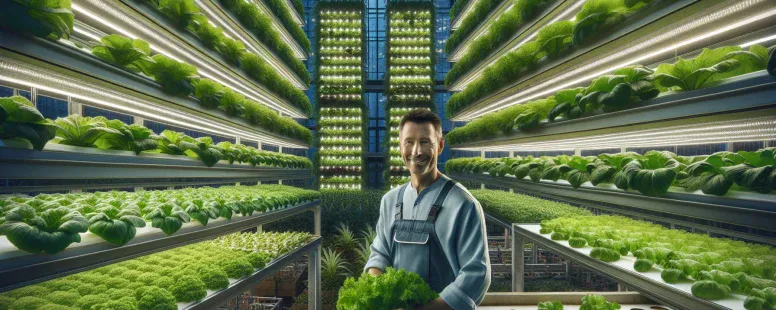
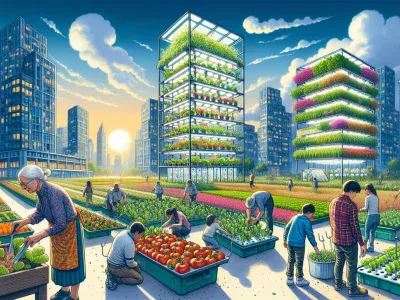
In a world where food production is increasingly strained by climate change, urban expansion, and dwindling natural resources, reevaluating how we cultivate crops is more vital than ever. Picture stepping into a lush vertical farm, where fresh greens cascade down layers instead of sprawling across traditional fields. What if innovative methods could allow you to enjoy fresh produce all year round, without the environmental toll of conventional farming? The transition to alternative harvesting techniques not only promises sustainability, but also unlocks untapped potential for local communities to thrive. These methods can transform your connection to food, fostering healthier ecosystems with every bite. As you investigate into this exploration of alternatives to harvesting, prepare to discover not just a shift in technique, but a revolution in thinking about how we feed our planet.
Understanding The Need For Alternatives
The urgency for alternatives stems from a plethora of factors, demanding immediate action. Overpopulation, a growing demand for arable land, and the lingering effects of climate change threaten our traditional food systems. As the global population increasingly shifts towards cities, the strain on rural farming practices intensifies, leaving many without consistent access to nutritious food. Consider the profound ramifications: countries struggling with food insecurity as agricultural practices become unsustainable. This crucial predicament heightens the spotlight on innovative solutions that can meet the challenges ahead.
Sustainability is not just a preference anymore: it’s a necessity. The environmental footprint of traditional farming, including habitat destruction, soil depletion, and water usage, poses grave risks. Exploring alternatives allows us to maintain food security while nurturing the earth, ensuring future generations can not only survive but also thrive. This is no longer just about producing food: it’s about preserving the planet for your children and theirs.
Overview of Current Harvesting Techniques
Current harvesting methods predominantly rely on conventional agriculture practices that have stood the test of time but are showing their age. Techniques such as tilling, monolithic crop planting, and extensive pesticide use have contributed to serene landscapes of the past yet have also resulted in significant soil erosion and biodiversity loss. Traditional farmers often use large machinery to clear fields in a race to maximize yield, sacrificing quality for quantity.
While these methods have made food production easier in some aspects, they also usher in a host of problems including nutrient depletion and reliance on single-crop systems. The drawbacks are becoming increasingly evident in today’s agricultural landscape, leading you to wonder if there’s a better way to nourish both people and the planet. The beauty of modern agriculture lies in its adaptability, it’s now time to thrust our agricultural methods into the future.
Alternative Methods to Harvesting
The good news is that alternatives to conventional harvesting are rich and diverse. Here’s a closer look at several game-changing methods that redefine farming:
1. Vertical Farming
Picture flourishing crops stacked in towers under glowing LED lights, utilizing minimal space yet maximizing yield. Vertical farming is becoming a beacon of hope for urban areas, as it brings food production closer to the consumer. With systems designed for optimal growth, these farms can reduce water usage by up to 90%, all while delivering fresh produce right to your doorstep.
2. Hydroponics and Aquaponics
In the quest for sustainability, hydroponics and aquaponics lead the charge. Hydroponics cultivates plants without soil, using nutrient-rich water instead. Aquaponics integrates this with fish farming, creating a symbiotic system where fish waste provides nutrients for plants, while plants purify the water for fish. This method offers immense potential for efficiency and yields, while also minimizing resource usage.
3. Agroforestry Practices
Picture walking through a productive landscape dotted with trees, shrubs, and crops living harmoniously together. Agroforestry practices combine agriculture and forestry, creating rich biodiversity that enhances ecosystem resilience. These practices can improve soil health, increase biodiversity, and sequester carbon, all while providing you with diverse food options.
4. Regenerative Agriculture
Regenerative agriculture takes sustainability a step further, focusing on rebuilding and revitalizing soils, ecosystems, and communities. By applying techniques such as cover cropping, minimal tillage, and rotational grazing, this approach not only produces food but restores the land. This results in improved water retention and resilience against climate shocks, benefits you can feel good about supporting.
5. Community Supported Agriculture (CSA)
CSAs offer consumers a direct link to their local farms, eventually fostering a greater appreciation for food production. You subscribe to a farm’s produce delivery, receiving fresh, seasonal goods in return. It creates a personal connection between you and the land, while aiding local economies and promoting sustainable growing practices.
Advantages and Challenges of Alternatives
Navigating through the realm of alternative harvesting methods unveils a mixture of benefits and challenges you must weigh. On one hand, the advantages are compelling. Sustainable farming methods often lead to increased biodiversity, improved soil health, and reduced resource consumption. For instance, vertical farms can enable cities to produce food locally, diminishing the carbon cost of transportation.
But, there are hurdles. High start-up costs, the need for significant technical knowledge, and potential regulatory issues can intimidate newcomers. While hydroponics and aquaponics promise lower water usage, they require precise management of nutrients, demanding time and expertise. As you contemplate the switch, consider which method aligns with your capacity and vision for the future.
Making the Shift: Practical Steps Forward
If you’re ready to embrace the future of agriculture, start by educating yourself. Attend workshops, follow experts on social media, and immerse yourself in the community. Here are practical steps you can take to initiate this transition:
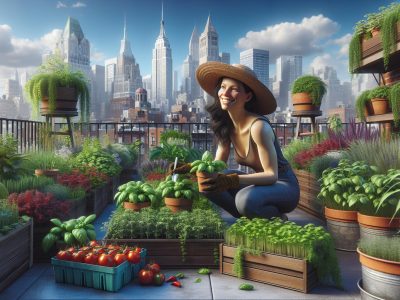
Start Small: Explore urban gardening or hydroponic systems in your home or community. Begin with easy plants to gain confidence.
Network: Connect with local farmers who practice alternative methods. Join a CSA or attend farmer’s markets to discover regional offerings.
Advocate: Push for policies that support sustainable farming practices in your community. Engage with local governments to advocate for urban farming initiatives.
Experiment: If you manage a piece of land, consider implementing regenerative practices gradually. Try cover cropping or crop rotation to see the benefits firsthand.
Support: Choose to purchase from local farmers who carry out sustainable practices. Every dollar you spend shapes the future of agriculture.
To provide the best experiences, we use technologies like cookies to store and/or access device information. Consenting to these technologies will allow us to process data such as browsing behaviour or unique IDs on this site. Not consenting or withdrawing consent, may adversely affect certain features and functions.
Functional
Always active
The technical storage or access is strictly necessary for the legitimate purpose of enabling the use of a specific service explicitly requested by the subscriber or user, or for the sole purpose of carrying out the transmission of a communication over an electronic communications network.
Preferences
The technical storage or access is necessary for the legitimate purpose of storing preferences that are not requested by the subscriber or user.
Statistics
The technical storage or access that is used exclusively for statistical purposes.The technical storage or access that is used exclusively for anonymous statistical purposes. Without a subpoena, voluntary compliance on the part of your Internet Service Provider, or additional records from a third party, information stored or retrieved for this purpose alone cannot usually be used to identify you.
Marketing
The technical storage or access is required to create user profiles to send advertising, or to track the user on a website or across several websites for similar marketing purposes.