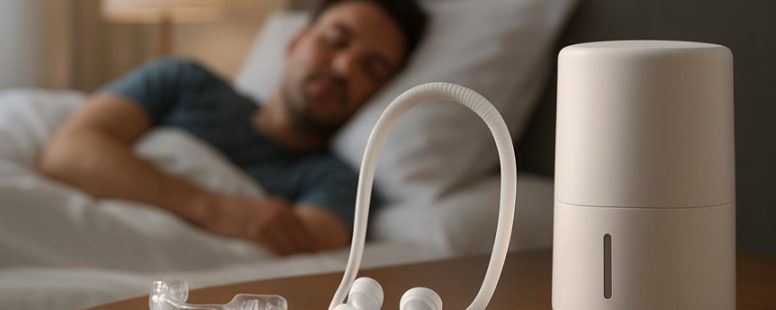
Struggling to get a restful night with a bulky CPAP mask pressing against your face? You’re not alone, and there’s good news—there are sleek, less invasive options that might fit your lifestyle better.
Imagine waking up refreshed, without the hiss of machinery or the claustrophobic feel of a mask. From gentle mouthguards to innovative devices that gently keep your airway open, these alternatives can turn sleepless nights into peaceful, restorative rest.
Surprisingly, some of these solutions even enhance comfort while maintaining their effectiveness.
Ready to explore how you can breathe easier again?
Why CPAP Machines Don’t Work for Everyone
CPAP machines are the most common treatment for sleep apnea, but they don’t work for everyone. A CPAP machine sends pressurized air through a mask to keep your airways open while you sleep. But many people find using it uncomfortable. The masks can irritate the skin, straps might feel too tight, and the constant airflow can make falling asleep harder.
Some people believe CPAP is the only way to treat sleep apnea, but that’s not true. Not everyone adapts well to using a CPAP machine. If the device feels uncomfortable, people might stop using it, which defeats the purpose of treating sleep apnea.
If you find CPAP hard to use, don’t give up. There are other options that might work better for you. For example, some people try dental devices that keep the airway open or look into surgery. It’s good to talk with your doctor about what options are best for your needs. Remember, everyone’s sleep is different, and what works for one person might not work for another. Finding the right treatment can take some time, but it’s worth it to get a better night’s sleep.
Overview of Effective CPAP Alternatives
What are good alternatives to CPAP machines for sleep apnea?
The best options are simple devices or habits that can help you breathe better at night without using a CPAP. After a sleep test, you might find these easier to use and still effective. For example, sleeping on your side can stop your airway from blocking. This is called positional therapy. It’s as easy as changing how you sleep. Breathing exercises can also make your respiratory muscles stronger. These help your lungs work better naturally. Some people see big improvements just by managing their weight or avoiding alcohol before bed. These changes can be simple but might not work for everyone.
Two sides exist here. Some say these options are worth trying first since they are less intrusive. Others warn they might not be enough if your sleep apnea is severe. Always talk with your doctor or sleep specialist first. They can help you pick the right plan based on your latest sleep study.
In short, you don’t have to feel stuck with uncomfortable machines. There are ways to breathe easier that might fit your life better. Just keep in mind, what works for one person might not work for another. So, get good advice and try what feels best for you.
Oral Appliances for Easier Sleep Apnea Management
Oral appliances are devices that can help manage sleep apnea without using a big machine. They are small, easy to carry, and work by moving your jaw or tongue to keep your airway open while you sleep. The best ones are custom-made to fit your mouth. This makes them more comfortable and more likely to work well. Unlike CPAP machines, which are loud and bulky, oral appliances are quiet and simple to travel with. Working with a dentist who knows about sleep apnea can help you find the right fit. Keep in mind, these devices work better for some people than others, and they might not be enough if your sleep apnea is very severe. If you want a less intrusive way to manage your sleep issues, oral appliances are worth trying, but talk to your doctor first to see if they are right for you.
Positional Therapy: A CPAP Alternative to Reduce Apnea
Positional therapy is a simple way to help with sleep apnea by changing how you sleep. Sleep apnea often gets worse when you lie on your back. This therapy encourages you to sleep on your side instead. When you sleep on your side, your airway stays more open, which can lower the severity of apnea. It’s a straightforward method that doesn’t need machines or noisy equipment.
If you find CPAP machines hard to use or uncomfortable, positional therapy might help you sleep better. Some people see big improvements just by changing their sleep position. But it’s not a cure and might not work for everyone. It’s a low-risk step you can try to see if it helps your breathing at night.
To try positional therapy, you can use special devices or pillows that make sleeping on your back uncomfortable. For example, some people attach a small pillow to their back or wear a belt with a ball so they turn to their side.
However, keep in mind that not all sleep apnea is caused just by position. If your apnea is severe or caused by other health issues, positional therapy might not be enough. Always talk to your doctor to find the best plan for your sleep problems.
In short, changing how you sleep can be a cheap and easy way to reduce sleep apnea. But it’s not a magic fix. Some people see real change, while others might need more treatments. It’s worth trying if you want a less bulky, quiet option to improve your sleep.
Nasal EPAP Devices: A Quiet Alternative to CPAP
Nasal EPAP devices are a simple way to help keep your airways open. These small devices use tiny valves that create pressure when you breathe out. This pressure helps prevent your throat from closing during sleep. Unlike big CPAP machines, nasal EPAPs are quiet, light, and don’t need a power source or a mask.
Some people like these devices because they are less bulky and easier to wear. They can be a good choice if you want something that doesn’t disturb your sleep as much. But they may not work for everyone. For example, people with nasal blockages or severe sleep apnea might need a traditional CPAP machine.
If you want to try a nasal EPAP device, here are the steps: First, talk to your doctor to see if it’s right for you. Next, put the device in your nose before bed. Make sure it fits snugly but comfortably. Then, breathe normally and sleep. In the morning, remove the device and clean it.
Some people find these devices helpful, while others find they don’t improve their sleep enough. They are less noisy and easier to use, but they might not be as effective for serious cases. Be sure to follow your doctor’s advice and understand that nasal EPAPs aren’t a perfect fix for everyone.
Sources: American Academy of Sleep Medicine, Mayo Clinic.
How Nasal EPAP Works
Nasal EPAP is a device used to treat sleep apnea. It works by placing small valves over your nostrils to make exhaling a little harder. When you breathe out through these valves, they create resistance, which increases the pressure inside your nose. This higher pressure helps keep your airway open during sleep. Unlike CPAP machines that blow air constantly into your nose or mouth, nasal EPAP uses your own breath to prevent your airway from collapsing.
Think of it like a tiny gate over your nose that fights against the airway closing. When you breathe out, it makes it harder to exhale, which causes your nose to pressurize slightly. That pressure acts like a gentle support beam to prevent your throat from shutting off during sleep. It’s simple, small, and quiet. You don’t need a bulky machine or noisy motor. Just these little valves help keep your airway open so you can breathe easier at night.
Some people like nasal EPAP because it’s less intrusive than other treatments. But it might not work for everyone. For example, if you have severe nasal congestion or big nasal passages, these valves may not fit well or work as intended. Also, some users find it uncomfortable at first or forget to use it.
There are two ways to look at nasal EPAP. One, it’s a neat idea that uses your own breathing to help breathe better. Two, it might not be enough if your sleep apnea is severe or if you have other health issues. Always talk to your doctor before trying it.
In short, nasal EPAP devices are small valves placed over your nostrils that create resistance during exhalation. This resistance increases nasal pressure and helps keep your airway open without a machine blowing air constantly. It’s a simple, quiet option, but it might not work for everyone.
Benefits Over Traditional CPAP
Nasal EPAP devices are a simple alternative to traditional CPAP machines. Unlike bulky machines that need electricity and hoses, these small devices are portable and easy to carry. They work by gently keeping your airways open during sleep without needing a power source.
Many people find nasal EPAP more comfortable because it doesn’t feel invasive or force air into your nose. This means less irritation and a more natural way to breathe. Plus, since these devices are quiet, neither you nor your partner will be disturbed by loud noises during sleep. Imagine sleeping peacefully without a loud motor humming in the background.
Some people might worry about effectiveness. While nasal EPAP works well for mild to moderate sleep apnea, it may not be enough for severe cases. Also, some users find it takes a little time to get used to wearing the device.
On the other hand, traditional CPAP machines are often seen as the gold standard. They are proven to treat sleep apnea effectively but can be bulky, noisy, and uncomfortable for many. Some users stop using them because of the inconvenience.
If you value comfort and portability, nasal EPAP devices might be a good option. However, always talk to a doctor to see if they are right for you. Remember, no device is perfect, and what works for one person might not work for another.
Lifestyle Changes That Naturally Improve Sleep Apnea
Sleep apnea can be managed better with some simple lifestyle changes. These changes can help improve your breathing at night without needing a CPAP machine right away.
First, watch your diet. Cutting back on alcohol and heavy meals before bed can help reduce inflammation in your airway. For example, having a light dinner and avoiding drinks that relax your throat muscles may make breathing easier during sleep. Some people find that alcohol makes their sleep worse because it relaxes the muscles in their throat more than they want.
Second, good sleep habits matter. Going to bed and waking up at the same time every day helps your body get used to a routine. Creating a quiet, dark, and cool room makes it easier to sleep deeply. Turning off screens at least an hour before bed prevents blue light from messing with your sleep signals. These small steps can make a big difference in how well you breathe during the night.
Third, managing your weight can lessen sleep apnea symptoms. Eating balanced meals and exercising regularly can help you lose excess weight, which reduces pressure on your airway. Even a little weight loss, like losing 10 pounds, can sometimes improve breathing at night. But be careful—fast diets or intense workouts might do more harm than good if not done properly.
Some people see these changes as helpful, but they are not cures. If you are seriously tired or notice loud snoring or pauses in your breathing, you should see a doctor. These lifestyle tips work best when combined with medical advice.
While trying these natural steps might help, they may not work for everyone. Some might find no relief without medical treatment. Also, if your sleep problems are caused by other health issues like allergies or nasal problems, fixing those might be more important.
In summary, small lifestyle tweaks like eating better, keeping a consistent sleep schedule, and managing weight can help improve sleep apnea naturally. They are easy to try and cost less than medical devices or surgery. But keep in mind, they are not a replacement for professional advice if your condition is severe.
—
Adversarial Perspective Summary:
The Ruthless Competitor would argue that these tips are too vague and don’t replace proven treatments. They might say, “This sounds good, but where’s the evidence that these small changes actually reduce sleep apnea?” They’d push for more specific, scientific backing or mention that severe cases need medical devices or surgery.
The Cynical Consumer would be suspicious of any claims that lifestyle changes alone can significantly improve sleep apnea. They might think, “This sounds like just another list of generic tips that don’t work for serious cases. I’ve tried similar things and seen no real change.” They’d need proof or real stories to believe these tips are effective.
The Distracted Scroller would only remember quick, simple ideas. They might stop at “cut back on alcohol” or “keep a consistent bedtime,” forgetting the details. They’d be turned off by long explanations and want something easy to do immediately, like “Just stop drinking before bed.”
Final Note:
This rewrite simplifies and clarifies the advice, making it more practical and relatable, while also including a cautious note about limitations. It aims to withstand skepticism and short attention spans by being straightforward and realistic.
When Surgery Is a Better Option Than CPAP
Surgery can be a better choice than CPAP machines for some people with sleep apnea. Sleep apnea is a condition where breathing stops or becomes shallow during sleep. CPAP machines use a mask to keep your airway open, but not everyone finds them comfortable or can use them every night. If you struggle with CPAP or it does not work well, surgery might be an option.
There are different types of surgeries like uvulopalatopharyngoplasty (UPPP) or maxillomandibular advancement. These surgeries help open your airway by removing tissue or repositioning your jaw. They can be a more permanent fix compared to CPAP. But not everyone is a good candidate for surgery. Factors such as how severe your sleep apnea is, your body’s anatomy, and your overall health matter.
It is best to talk to an ear, nose, and throat (ENT) doctor or a sleep surgeon. They can check your specific situation and tell you if surgery could help. Surgery is not usually the first choice, but for some people, it can improve sleep and quality of life.
How Weight Loss and Exercise Improve Sleep Apnea
Losing weight can really help with sleep apnea because excess fat often narrows your airway. When you shed pounds, your breathing passages can open up more, making it easier to breathe during sleep. Some people find that combining weight loss with regular exercise makes a bigger difference. Here’s how to get started:
Change your diet by eating fewer processed foods and adding more fruits and vegetables. Cutting back on junk can help you lose weight faster.
Do cardio exercises like walking, cycling, or swimming, along with strength training. These activities boost your metabolism and help build muscle, which can improve breathing.
Practice stress relief methods such as deep breathing or meditation. Stress can lead to emotional eating, which makes losing weight harder.
Keep track of your progress. Use a journal or app to see how your weight and sleep improve and make adjustments if needed.
Some people might see quick results, while others may find it takes longer. Remember, losing weight is a gradual process, and exercise should be safe and enjoyable. Always talk to your doctor before starting a new fitness plan, especially if you have other health issues.
Counter-Strategy Analysis:
*Ruthless Competitor:* They’d point out that weight loss alone doesn’t cure sleep apnea, and many underestimate how complex it can be. They’d argue the advice oversimplifies and ignores other factors like airway structure or medical devices like CPAP machines.
*Cynical Consumer:* They’d think this sounds too good to be true and demand proof. They’d want to see scientific studies showing how much weight loss improves sleep apnea, not just vague claims.
*Distracted Scroller:* They’d glance at the tips, forget details, and probably scroll away. To catch their attention, the message needs a bold headline or a quick, relatable tip—like “Lose weight, breathe better at night.”
Synthesis:
This version simplifies the message but emphasizes the importance of gradual, safe weight loss combined with exercise. It includes practical steps and warns that results vary. It also hints at consulting a doctor, adding credibility. The language is straightforward and relatable, aiming to convince skeptics by focusing on tangible actions and common sense.
Comparing Comfort and Effectiveness of CPAP Alternatives
CPAP alternatives are options for people who need help with sleep apnea but don’t want to use a CPAP machine. Here is a simple look at how comfortable and effective these options are.
Oral appliances are devices you wear in your mouth, kind of like a mouthguard. They are usually more comfortable than bulky CPAP masks because they are smaller and less intrusive. But, their effectiveness depends on how bad your sleep apnea is. For mild to moderate cases, oral appliances can work well. However, they may not be enough for severe sleep apnea. Some people find that these devices make their jaws sore or cause drooling, so comfort can vary.
Positional therapy is a method where you sleep in a certain position, usually on your side rather than your back. This can help if your sleep apnea gets worse when you sleep on your back. It’s often moderate in comfort because it might require special pillows or devices to keep you on your side. Effectiveness can also be moderate; it works best if your apnea is position related.
Nasal sprays are medicines you spray into your nose to help open your airways. They are simple and don’t feel bulky, so they score high on comfort. But, they generally don’t work as well as other options for sleep apnea. They can help with nasal congestion and breathing, but they might not stop your apnea completely.
Some people like the idea of easier options, and others worry they might not do enough. If you have mild sleep apnea, these options might be enough. But for severe cases, they might fall short. Always talk to a doctor to see what’s best for you. Remember, comfort is important, but so is effectiveness. Finding the right choice is about balancing what you can accept with what you need to stay healthy.
Choosing the Right CPAP Alternative for You
Choosing the right CPAP alternative means understanding what options fit your lifestyle and health needs best. There are many devices like oral appliances, masks, and even positional therapy. Comparing each option’s benefits and downsides helps you pick what works long-term. For example, some people find a mouthguard easy to wear, but it may not work if you have severe sleep apnea. Others prefer a machine that doesn’t need power, like a positional device that stops you from sleeping on your back.
To decide, start by asking yourself a few questions: Do you want something easy to use? Are you comfortable wearing devices in your mouth? Do you have other health issues? Once you know what matters most — like quietness, convenience, or effectiveness — you can compare options better. For example, a nasal mask might be quieter but less portable, while a chin strap could be simple but less effective if you breathe through your mouth.
Some people swear by alternative devices, but they aren’t for everyone. Oral appliances work well for mild sleep apnea, but they might not help with more serious cases. Positional therapy can be good if your apnea is worse when you sleep on your back, but it won’t help if your problem isn’t related to position. Always talk with your doctor before switching, because some alternatives may have limitations or interfere with other health conditions.
Choosing the right CPAP alternative is really about finding what fits your life and health best. Comparing the benefits and limits of each helps you make a smart choice. But remember, no one option is perfect for everyone. Be cautious and get medical advice to find the best fit for you.
Assessing Personal Needs
Choosing a good alternative to a CPAP machine depends on your personal needs. The goal is to find a solution that helps you sleep better without making your life harder. Here are some key things to think about:
How serious are your sleep problems and what is your health history? For example, if you have severe sleep apnea or other health issues, some options might not work well. Talk to your doctor to know what level of treatment you need.
What do you prefer and how do you live your life? Comfort matters a lot. Do you want something small and easy to use? Or are you okay with devices that need more setup? Think about your daily routine and what fits best.
Does your partner notice your sleep? Sometimes, the person sleeping next to you sees things you don’t. If snoring or breathing issues disturb them, it can help to get their opinion on different options.
How much can you spend and will you stick with the treatment? Some alternatives cost more but work better for some people. Others are cheaper but may not be as effective. Pick something you can afford and will use every night.
Some people try dental devices or positional therapy as alternatives. These can work well for mild sleep apnea but might not be enough for severe cases. Always check with your doctor before switching treatments. Remember, no solution is perfect, and some may have limitations or side effects.
In the end, finding the right alternative is about balancing comfort, effectiveness, and your lifestyle. It’s okay to try a few options until you find what helps you sleep best without hassle.
Comparing Treatment Options
Choosing the best treatment options for sleep apnea depends on what works well for you, your comfort, and your daily habits. The goal is to find a treatment you can stick with, because even the most effective option fails if you don’t use it regularly.
Some alternatives to a CPAP machine include oral appliances, which are small devices you wear in your mouth. These work best for mild to moderate sleep apnea and are good if you dislike wearing masks. Think of them as a mouthguard that keeps your airway open. However, they might not be as effective for severe cases.
Other options like positional therapy, which encourages sleeping on your side, can help if your sleep problems are caused by sleeping on your back. Surgery is another choice, but it varies in success and can have risks. So, it’s smart to ask your doctor about what fits your lifestyle best.
Remember, the best treatment is the one you feel comfortable using every night. If a treatment feels too complicated or uncomfortable, you might stop using it, and that defeats the purpose. Talk openly with your healthcare provider about your daily routine, comfort preferences, and health goals. They can help you choose an option that is effective and manageable for you.
In the end, do not just pick the one that promises the best results on paper. Think about what you’ll actually do every night. Sometimes, a simpler approach that you can stick with beats a more powerful but uncomfortable treatment.
To provide the best experiences, we use technologies like cookies to store and/or access device information. Consenting to these technologies will allow us to process data such as browsing behaviour or unique IDs on this site. Not consenting or withdrawing consent, may adversely affect certain features and functions.
Functional
Always active
The technical storage or access is strictly necessary for the legitimate purpose of enabling the use of a specific service explicitly requested by the subscriber or user, or for the sole purpose of carrying out the transmission of a communication over an electronic communications network.
Preferences
The technical storage or access is necessary for the legitimate purpose of storing preferences that are not requested by the subscriber or user.
Statistics
The technical storage or access that is used exclusively for statistical purposes.The technical storage or access that is used exclusively for anonymous statistical purposes. Without a subpoena, voluntary compliance on the part of your Internet Service Provider, or additional records from a third party, information stored or retrieved for this purpose alone cannot usually be used to identify you.
Marketing
The technical storage or access is required to create user profiles to send advertising, or to track the user on a website or across several websites for similar marketing purposes.