Imagine needing a lifeline when eating or swallowing becomes impossible. In such moments, medical advancements like feeding tubes step in, offering a crucial bridge to nourishment. Two commonly used options, the Dobhoff tube and the nasogastric (NG) tube, might seem similar at first glance, but their differences can be life-changing depending on the situation.
Whether you’re exploring these options for yourself or a loved one, understanding what sets them apart can feel overwhelming. From their design to their purpose, each tube serves a unique role in medical care. By diving into the distinctions, you’ll uncover how these tubes impact comfort, efficiency, and overall patient experience.
Understanding Dobhoff Tubes
Dobhoff tubes are specialized feeding alternatives for individuals needing enteral nutrition. Their unique features distinguish them from other feeding tube types.
Features of Dobhoff Tubes
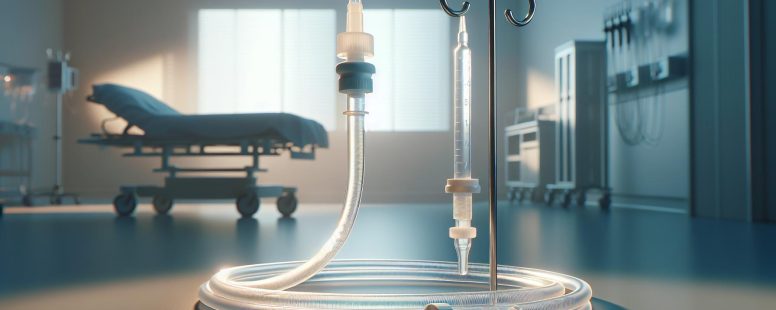
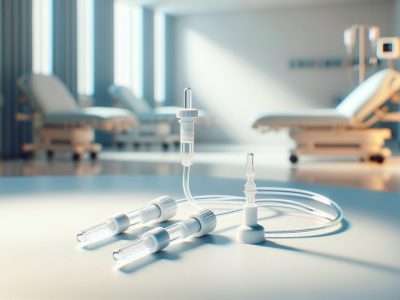
A Dobhoff tube consists of a small, flexible polyurethane design that enhances patient comfort. Its weighted end facilitates smoother insertion, while the diameter minimizes nasal and esophageal irritation. Unlike the rigid material of conventional tubes, Dobhoff tubes’ soft structure reduces the risk of tissue trauma. Standard sizes typically range from 8 to 12 French for adult patients.
Radiopaque properties assist in confirming placement via X-ray imaging, ensuring safe and precise delivery of nutrients. Dobhoff tubes lack suction capability for gastrointestinal decompression, making them unsuitable for patients requiring fluid removal. Designed for temporary use, they are primarily maintained for 4 to 6 weeks depending on clinical need.
Common Uses and Applications
Dobhoff tubes provide long-term feeding support for individuals with swallowing impairments or gastrointestinal conditions. Patients recovering from strokes, dealing with neurological disorders, or experiencing esophageal obstructions primarily benefit. For example, stroke survivors often rely on these tubes during rehabilitation to reduce aspiration risks.
These tubes play a vital role in administering medication or hydration in critical care settings. Specific cases, like severe malnutrition or cancer-related treatment complications, also warrant their application. Dobhoff tubes improve quality of life by offering a less intrusive alternative to invasive procedures, fostering recovery and stability.
Exploring NG Tubes
Nasogastric (NG) tubes serve as versatile tools for both feeding and medical treatment in short-term scenarios. Inserted through the nose and into the stomach, they provide a non-invasive solution for various clinical needs.
Features of NG Tubes
NG tubes are made from flexible materials like polyurethane or silicone, ensuring easy placement and minimal discomfort. Their larger diameter compared to Dobhoff tubes supports additional medical functions such as drainage and decompression alongside feeding. They are equipped with ports to connect feeding syringes or suction devices.
Radiopaque markers on NG tubes are essential for confirming placement through imaging, while their sturdier design handles higher-pressure applications. But, these tubes increase the risk of nasal and throat irritation due to repetitive use, especially over extended periods.
Common Uses and Applications
NG tubes are primarily used for temporary feeding when swallowing is unsafe or impaired. For example, in patients recovering from surgery or those with severe vomiting, the tube delivers nutrients efficiently. Medical professionals also use NG tubes for evacuating stomach contents during drug overdoses or gastrointestinal bleeding.
In emergency settings, NG tubes act as a critical tool. For instance, they drain fluids to relieve bowel obstructions, simultaneously preventing complications like aspirational pneumonia. From administering medication to relieving gas, NG tubes fulfill wide-ranging, life-saving roles in healthcare.
Comparing Dobhoff Tube Vs NG Tube
The differences between Dobhoff tubes and NG tubes revolve around their design, functionality, and clinical applications. While both provide vital support for patients, each serves distinct medical purposes, influencing their usage in healthcare.
Key Differences
Dobhoff tubes are narrower and more flexible, made specifically for long-term feeding. Their design prioritizes comfort with small diameters, minimizing nasal and esophageal irritation. In contrast, NG tubes have a larger diameter, enabling functions like gastric decompression and drainage alongside feeding. This broader range of functionality makes NG tubes suitable for temporary or emergency use.
Dobhoff tubes feature a weighted tip, aiding smooth navigation to the duodenum, confirmed via X-ray imaging. NG tubes, inserted into the stomach, rely on radiopaque guides but do not always require imaging for confirmation. Usage duration also sets them apart: Dobhoff tubes are designed for weeks, while NG tubes are used for shorter periods due to higher irritation risk. These dynamic differences underline their tailored applications in medical care.
Advantages and Disadvantages
Dobhoff tubes offer prolonged comfort, less tissue trauma, and compatibility with long-term nutritional plans. But, they lack suction functionality, limiting their role to feedings or mild hydration. Their complex insertion process, reliant on imaging, can pose logistical challenges in settings without radiological access.
On the other hand, NG tubes are versatile, supporting feeding, medication delivery, and suctioning to evacuate stomach contents. Their ease of insertion suits emergency scenarios, but extended use often leads to discomfort, nasal sores, or potential aspiration risks. This trade-off between versatility and irritation makes selecting the appropriate tube vital based on patient needs.
Clinical Considerations
Understanding the appropriate clinical scenarios for using a Dobhoff tube versus an NG tube is crucial. The choice typically depends on the patient’s condition, medical goals, and treatment duration.
When to Choose a Dobhoff Tube
Dobhoff tubes are better suited for patients requiring long-term enteral nutrition. Their small diameter, flexible design, and weighted end minimize nasal, esophageal, and gastric irritation, making them comfortable for extended use. Patients with conditions like dysphagia caused by stroke or neurological disorders often benefit from this option. For example, someone recovering from a cerebrovascular accident may rely on a Dobhoff tube for nutritional intake while undergoing speech therapy to regain swallowing function.
These tubes work well in critical care or oncology settings when prolonged feeding and hydration are needed. They’re often the first choice for individuals dealing with cancer-related malnutrition or those unable to meet nutritional demands orally. If a patient needs frequent medication administration, the Dobhoff tube ensures consistency by bypassing swallowing difficulties. But, it lacks suction capability, limiting its application to feeding and medication delivery alone.
When to Opt for an NG Tube
NG tubes are ideal for short-term interventions or emergency scenarios. Their larger diameter makes them versatile, offering not only feeding but also drainage and decompression functionalities. For instance, after an abdominal surgery, an NG tube might be placed temporarily to relieve gastric distension and prevent complications like bowel obstruction. Alternatively, in drug overdose cases, you’d see NG tubes used to evacuate stomach contents effectively.
In outpatient or post-acute care environments, these tubes provide nutritional support for patients recovering from conditions like gastroenteritis or post-anesthesia swallowing difficulties. Even though their practicality, prolonged use can lead to nasal and throat irritation, so their application should remain time-limited. While NG tubes offer ease of insertion and versatility, they’re less comfortable compared to Dobhoff tubes for extended durations.
Conclusion
Choosing between a Dobhoff tube and an NG tube depends on the specific needs and medical circumstances of the patient. Each option offers distinct benefits and serves different purposes, whether it’s long-term nutritional support or short-term medical intervention. By understanding their unique features and applications, you can make informed decisions that prioritize comfort, safety, and effectiveness for yourself or your loved one.
Published: July 25, 2025 at 8:30 am by Ellie B, Site owner & Publisher
To provide the best experiences, we use technologies like cookies to store and/or access device information. Consenting to these technologies will allow us to process data such as browsing behaviour or unique IDs on this site. Not consenting or withdrawing consent, may adversely affect certain features and functions.
Functional
Always active
The technical storage or access is strictly necessary for the legitimate purpose of enabling the use of a specific service explicitly requested by the subscriber or user, or for the sole purpose of carrying out the transmission of a communication over an electronic communications network.
Preferences
The technical storage or access is necessary for the legitimate purpose of storing preferences that are not requested by the subscriber or user.
Statistics
The technical storage or access that is used exclusively for statistical purposes.The technical storage or access that is used exclusively for anonymous statistical purposes. Without a subpoena, voluntary compliance on the part of your Internet Service Provider, or additional records from a third party, information stored or retrieved for this purpose alone cannot usually be used to identify you.
Marketing
The technical storage or access is required to create user profiles to send advertising, or to track the user on a website or across several websites for similar marketing purposes.