Dark, moody, and undeniably expressive—goth and emo fashion have captivated subcultures for decades. At first glance, the two might seem like kindred spirits, sharing a love for black clothing, dramatic aesthetics, and a touch of rebellion. But when you look closer, their unique identities begin to unfold, each telling its own story through fabric and flair.
Have you ever wondered what truly sets these styles apart? From the romantic, Victorian-inspired elegance of goth to the raw, emotional edge of emo, every detail speaks volumes about the philosophies behind them. Whether you’re drawn to the mystique of lace and corsets or the vulnerability of band tees and skinny jeans, understanding these differences can deepen your appreciation for both worlds.
Understanding Goth Fashion
Goth fashion centers around a dark, mysterious aesthetic combined with Victorian and punk influences. It merges romanticism with a dash of rebellion, creating a style that is both bold and refined.
Key Elements of Goth Style
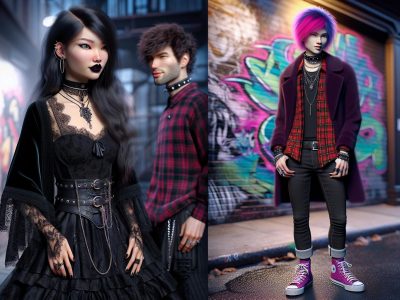
Dark color palettes like black, deep reds, and purples dominate goth clothing. Long, flowing dresses, corsets, and lace are typical for women, while men may prefer tailored coats, leather jackets, or band T-shirts. Fabrics like velvet, leather, and lace further define the somber yet luxurious vibe.
Footwear often includes combat boots, platform shoes, or pointed-toe heels. For example, platforms by brands like Demonia or Dr. Martens are popular. Layering of accessories, like chokers or silver jewelry, adds complexity. Makeup focuses on pale foundations and dark eyeshadow. Hair, dyed black or in bold shades, completes the look.
Historical Origins of Goth Fashion
Emerging in the late 1970s and early 1980s, goth fashion grew from the post-punk music scene. Bands like Bauhaus and Siouxsie and the Banshees heavily influenced its development. The fascination with Gothic literature, from authors like Mary Shelley or Bram Stoker, intertwined with the aesthetic. This blend gave the style its romantic yet melancholic aura.
In the 1990s, goth fashion embraced more subgenres, like cybergoth and trad goth, with each bringing its own visual language. For example, cybergoth incorporated neon accents and futuristic elements, contrasting with traditional goth’s more Victorian demeanor.
Popular Goth Accessories
Accessories are crucial to goth fashion, as they enhance the overall mood. Silver jewelry, adorned with motifs like skulls, bats, or crosses, serves as common staples. Chokers and long necklaces often feature black stones or intricate designs. Parasols and gloves are added for more dramatic flair.
Makeup isn’t just an accessory but a key identifier. Eyeliners used to craft bold, exaggerated shapes, alongside dark lipstick, reflect the style’s theatrical foundation. Nail polish, usually black or deep colors, extends the theme. Bags or purses often feature studs, chains, or Gothic fonts, tying back to the foreboding vibe.
Exploring Emo Fashion
Emo fashion showcases a raw, expressive aesthetic rooted in emotional vulnerability and individuality. Emerging from the 1980s emocore music scene, it emphasizes personal storytelling through clothing and accessories.
Defining Features of Emo Style
Emo style focuses on slim silhouettes and dark color schemes. Skinny jeans, fitted band tees, and hoodies often dominate the wardrobe. Haircuts typically feature layered, choppy styles with side-swept bangs dyed in black or vibrant tones like red or blue. The use of checkered or striped patterns adds contrast to its otherwise subdued palette.
Makeup plays a key role. Black eyeliner and smoky eyes create a dramatic, melancholic look. Emo enthusiasts prefer Converse sneakers or skater shoes for footwear, aligning with their rebellious but understated attitude.
Evolution of Emo Fashion
Early emo fashion in the 1980s mirrored punk influences, with a DIY ethos shaping outfits. In the 2000s, it became more commercialized, thanks to bands like My Chemical Romance and Fall Out Boy. This period introduced brighter accents, such as neon colors and graphic prints, alongside traditional emo staples. Social media platforms played a crucial role in spreading emo culture globally.
Modern emo incorporates aspects of streetwear and soft grunge. You might see distressed denim, oversized layers, and a mix of muted and bold tones. While the essence of emotional depth remains, styles have diversified in response to contemporary trends.
Common Emo Accessories
Accessories include wristbands, studded belts, and messenger bags adorned with band logos or badges. Fingerless gloves and scarves add texture while contributing to the layered look. Piercings, particularly on the lip or nose, are common in emo culture.
Jewelry often features skull motifs or heart designs, reflecting the intertwining themes of fragility and rebellion. Emo’s accessory choices highlight individuality and a connection to the music that inspires the style.
42. Difference Between Goth And Emo Fashion
Goth and emo fashion both draw from alternative subcultures yet convey distinct messages through their styles. Each reflects its unique connection to music, culture, and personal expression.
Distinctions in Clothing Style
Goth fashion blends historical and modern elements, emphasizing structured silhouettes and dramatic flair. Flowing skirts, lace blouses, and corsets define women’s attire, while tailored coats and leather jackets dominate men’s wear. For example, a goth ensemble might pair a velvet dress with combat boots and fishnet stockings.
Emo fashion opts for a casual, rebellious vibe. Skinny jeans, band tees, and hoodies are common staples. A classic emo look could include torn black jeans paired with a My Chemical Romance tee and a zip-up hoodie, reflecting a connection to the music scene.
Contrast in Color Palettes
Goth usually incorporates deep, moody tones like black, burgundy, and dark purple, balanced with metallic accents. The monochromatic palette enhances the style’s somber, mysterious essence.
Emo favors dark shades with occasional bright pops of color. Black serves as a base, while hues like neon pink, red, or blue add contrast. For instance, an emo outfit might combine a black hoodie with electric blue shoelaces for a striking effect.
Variations in Accessories and Makeup
Goth accessories contribute to an elaborate and ornate aesthetic. Silver jewelry, chokers, and fingerless gloves are common, complemented by dramatic makeup like smoky eyes or bold black lipstick. Accessories often reflect gothic themes like crosses, ravens, or roses.
Emo accessories have a playful yet edgy feel, often featuring band logos, studs, and youthful designs. Wristbands, messenger bags with patches, and striped arm warmers stand out. Emo makeup, featuring heavy eyeliner and smudged eyeshadow, mirrors the raw emotional depth conveyed in the style.
Cultural and Musical Influences
Goth and emo fashion draw heavily from their associated musical genres, shaping their aesthetics while reflecting distinct cultural roots. Understanding these musical influences reveals how each subculture’s style emerged as an extension of its philosophy.
Goth Music and Its Impact on Fashion
Goth music, rooted in the late 1970s post-punk era, plays a defining role in shaping goth fashion. Bands like Bauhaus, Siouxsie and the Banshees, and The Cure inspire the dark and melancholic aesthetic with their haunting melodies and introspective lyrics. If you’ve listened to “Bela Lugosi’s Dead,” you’ll notice its atmospheric sound aligns seamlessly with the Gothic visual style. The music’s themes of existential dread and Romanticism find visual expression in Victorian-influenced outfits, elaborate lace designs, and dark, flowing fabrics.
Fashion in the goth scene mirrors the drama and mystique of the music. Long cloaks, corsets, and platform boots echo a theatrical presence, much like stage performances by iconic goth artists. Gothic literature, frequently referenced in songs, also enhances this influence, with motifs like ravens, cemeteries, and faded roses translating into accessories like chokers, silver rings, and intricate brooches. These elements, combined with bands’ imagery and album artwork, make goth fashion a living continuation of its musical inspiration.
Emo Music and Its Role in Fashion
Emo fashion, emerging from the 1980s emocore movement, is deeply interconnected with its music’s emotionally charged narratives. Iconic bands like Rites of Spring, Sunny Day Real Estate, and later, Dashboard Confessional and My Chemical Romance infuse their lyrics with themes of heartbreak, self-discovery, and vulnerability. You can recognize these themes mirrored in the outfit choices—slim silhouettes, band t-shirts, and side-swept bangs all emphasize individuality and emotional expression.
The music’s raw energy and personal storytelling shape emo’s aesthetics. Take Fall Out Boy’s “Sugar, We’re Goin Down”—the lyrics’ confessional tone complements the blend of casual and rebellious clothing, such as skinny jeans and studded belts. As emo evolved into the 2000s, its fashion adapted brighter graphic prints and vibrant hair highlights while retaining core elements like Converse shoes and messenger bags adorned with band patches or slogans. Modern iterations of emo style integrate soft grunge and streetwear influences, reflecting the genre’s ability to adapt alongside its fans and remain culturally relevant.
By wearing emo clothing, you visually communicate a connection to the music’s themes of fragility and angst, making fashion an outlet for emotional resonance.
Why the Confusion Between Goth and Emo
Both goth and emo styles share common visual elements, making it challenging to differentiate them at a glance. Their connection to music-driven subcultures adds to the overlap, creating widespread misconceptions about their distinctiveness.
Overlapping Elements in Style
Dark clothing and bold makeup dominate both goth and emo aesthetics. For instance, black skinny jeans and heavy eyeliner can appear in either style. Accessories like chokers or studded belts further blur the lines. Emo adds an experimental edge, combining dark tones with bright neon accents, while goth leans into elaborate textures, like lace and velvet.
Both subcultures also express rebellion and nonconformity. Emo achieves this through a youthful, emotional lens, while goth evokes a sense of dark elegance. Hairstyles add confusion: emo favors layered cuts with side-swept bangs, much like goth’s occasional dramatic asymmetry.
Misconceptions in Pop Culture
Media representations often oversimplify goth and emo, portraying them as interchangeable. Films and TV shows mix their traits, leading to stereotypes blending Victorian-inspired goth looks with emo’s casual band tees and emo hair. A notable example is the merging of the two subcultures in the late 2000s, where mainstream fashion brands commercialized elements of both styles, erasing their unique roots.
Online platforms perpetuate misunderstandings by grouping goth and emo under a single “alternative” category. If music-based aesthetics aren’t considered, recognizing their differences becomes harder for outsiders.
Conclusion
Understanding the differences between goth and emo fashion allows you to appreciate the unique stories each style tells. Both are deeply rooted in music and culture, yet they express contrasting philosophies through their aesthetics. Whether you’re drawn to the elegance of goth or the raw emotion of emo, these styles offer powerful ways to showcase individuality and creativity. By exploring their distinct elements, you can embrace the subculture that resonates most with your personality and artistic vision.
To provide the best experiences, we use technologies like cookies to store and/or access device information. Consenting to these technologies will allow us to process data such as browsing behaviour or unique IDs on this site. Not consenting or withdrawing consent, may adversely affect certain features and functions.
Functional
Always active
The technical storage or access is strictly necessary for the legitimate purpose of enabling the use of a specific service explicitly requested by the subscriber or user, or for the sole purpose of carrying out the transmission of a communication over an electronic communications network.
Preferences
The technical storage or access is necessary for the legitimate purpose of storing preferences that are not requested by the subscriber or user.
Statistics
The technical storage or access that is used exclusively for statistical purposes.The technical storage or access that is used exclusively for anonymous statistical purposes. Without a subpoena, voluntary compliance on the part of your Internet Service Provider, or additional records from a third party, information stored or retrieved for this purpose alone cannot usually be used to identify you.
Marketing
The technical storage or access is required to create user profiles to send advertising, or to track the user on a website or across several websites for similar marketing purposes.