Imagine wrapping yourself in a fabric so soft it feels like a gentle hug, yet durable enough to stand the test of time. Cotton has been a staple in textiles for centuries, but not all cotton is created equal. Among its many varieties, Egyptian cotton stands out as a luxurious choice, often praised for its exceptional quality and feel. But what truly sets it apart?
When you’re shopping for bedding or clothing, you might wonder if Egyptian cotton is worth the hype or if regular cotton will do the trick. The differences go beyond just the name—they touch on everything from fiber length to texture and durability. Understanding these distinctions can help you make smarter decisions for your comfort and lifestyle. So, what makes Egyptian cotton so special, and how does it compare to the everyday cotton you know? Let’s unravel the threads of this fascinating fabric.
Understanding Cotton
Cotton is one of the most widely used natural fibers globally, known for its softness, durability, and versatility in textiles.
What Is Cotton?
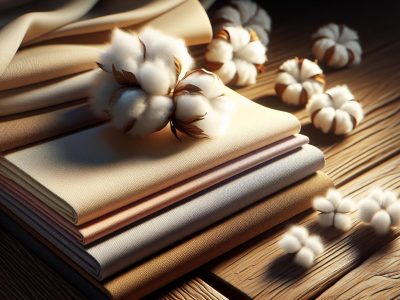
Cotton is a natural fiber derived from the seed tufts of cotton plants, primarily of the genus Gossypium. These fibers are spun into yarn or thread to produce breathable and comfortable fabrics for clothing, bedding, and other applications.
The fiber’s quality depends on its length, thickness, and cleanliness. Longer fibers, such as those from Pima or Egyptian cotton, produce stronger and smoother fabrics. Shorter fibers, often found in regular cotton, result in coarser textures and lower durability. An interesting point: each cotton fiber is a single cellulose cell that measures between 10 and 65 mm, influencing the end product’s quality.
Common Types of Cotton
Upland Cotton
Upland cotton accounts for over 90% of global production, characterized by its shorter fibers. It’s commonly used in everyday apparel, basic bedding, and budget-friendly textiles.
Pima Cotton
Pima cotton offers longer fibers than upland cotton, creating softer, more durable fabrics. Ideal for premium clothing and fine linens, it’s grown in the U.S., Australia, and Peru.
Egyptian Cotton
Egyptian cotton features extra-long staple fibers, grown in Egypt’s warm climate. It’s known for luxurious textures, lasting durability, and excellent moisture absorbency, making it a top choice for high-end bedding and clothing.
Organic Cotton
Organic cotton is grown without synthetic pesticides or fertilizers. It prioritizes sustainability and environmental wellbeing, catering to eco-conscious consumers.
Colored Cotton
Rare, naturally colored cotton eliminates the dyeing process, offering hues like brown or green. It’s less common due to limited availability and lower yield.
What Is Egyptian Cotton?
Egyptian cotton represents a premium type of cotton, celebrated for its exceptional quality and luxurious feel. It’s primarily harvested from the Gossypium barbadense plant, known for its extra-long staple fibers.
Characteristics Of Egyptian Cotton
Egyptian cotton fibers are extra-long and fine, which allows for a smoother, softer, and more durable fabric. This cotton can be woven into threads with higher thread counts, resulting in fabrics known for their strength and breathability. Textiles made from this material maintain their quality over time, resisting pilling and wear. For example, Egyptian cotton bedding remains soft and intact through multiple washes, in contrast to standard cotton.
This cotton naturally absorbs dyes more effectively than regular cotton, providing rich, vibrant colors that don’t easily fade. Its high absorbency enhances comfort, especially in warm climates when you seek moisture-wicking properties. The fibers’ length also reduces the number of fiber-ends sticking out, ensuring a smoother surface.
Production Of Egyptian Cotton
Egyptian cotton is cultivated along the fertile Nile River valley, where the climate supports the growth of long-staple cotton. Manual harvesting ensures that the fibers are less stressed and retain their integrity, unlike mechanical harvesting, which can damage the fibers. The delicate handpicking process helps maintain the purity and strength of the raw cotton.
After harvest, Egyptian cotton undergoes meticulous processing to separate the long fibers from shorter ones, ensuring all final products reflect high-quality standards. Factories spin these long fibers into fine threads for weaving into premium fabrics. Historically, these textiles have been associated with luxury, often used in high-end bedding, clothing, and towels.
When you compare it to other cotton types, Egyptian cotton provides unparalleled softness, durability, and aesthetic appeal, distinguishing it in both production process and characteristics.
22. Difference Between Cotton And Egyptian Cotton
Understanding the key differences between cotton and Egyptian cotton helps you make better-informed decisions when selecting fabrics, especially for bedding and clothing. These differences primarily involve factors like fiber quality, thread count, durability, comfort, and price.
Fiber Quality
Egyptian cotton features extra-long staple (ELS) fibers, making it finer, smoother, and stronger. These fibers are derived from the Gossypium barbadense plant and are manually harvested to preserve their purity. Regular cotton, such as Upland cotton, often contains shorter fibers, which result in thicker, coarser threads. For example, a simple T-shirt made from Upland cotton feels less luxurious than one made with Egyptian cotton.
Shorter fibers in regular cotton tend to break more easily, causing the fabric to wear down faster. Egyptian cotton fabric remains smooth and lustrous due to the long, uniform fibers, even with frequent washing.
Thread Count
Thread count reflects the number of threads per square inch in a fabric. Egyptian cotton is known for supporting higher thread counts, often exceeding 400, which enhances its softness and durability. Regular cotton typically achieves lower thread counts, seldom surpassing 300. While high thread count is often associated with premium textiles, the quality of the fibers themselves remains a decisive factor.
High-thread-count sheets made from Egyptian cotton offer a crisp finish and resist pilling over time. Conversely, regular cotton sheets with a similar thread count may lack the same smoothness if the fibers are lower quality.
Durability
Egyptian cotton lasts longer due to its natural strength and resistance to wear. Its extended fibers contribute to fewer exposed ends, reducing fraying and degradation. In contrast, regular cotton, especially those with shorter fibers, succumbs to pilling and thread weakening faster.
For instance, bedding in vacation rentals or hotels often uses Egyptian cotton to withstand repetitive use and laundering. Standard cotton wears out more quickly when subjected to the same rigorous conditions, impacting its longevity.
Comfort And Softness
Egyptian cotton boasts an unmatched softness and a silky finish, providing a luxurious feel against your skin. Its fine fibers result in lightweight, breathable fabrics that enhance comfort, particularly in warm climates. Regular cotton is softer than synthetic fabrics but feels rougher and less refined next to Egyptian cotton.
For example, Egyptian cotton pillowcases offer hypoallergenic properties and remain gentle even for those with sensitive skin. Meanwhile, regular cotton alternatives may lose softness over time or after a few washes.
Price And Availability
Egyptian cotton carries a premium price, reflecting its superior quality and limited production mainly along the Nile River valley. Standard cotton, widely cultivated worldwide, is more affordable and accessible. For example, a queen-sized Egyptian cotton sheet set may cost between $150 to $300, while regular cotton options often range from $30 to $70.
Price considerations go hand-in-hand with availability. Egyptian cotton’s exclusivity makes it less common in stores compared to regular cotton.
Why Choose Egyptian Cotton?
Egyptian cotton offers unmatched luxury and quality for textiles, making it a popular choice for premium bedding and clothing worldwide.
Benefits For Bedding And Clothing
Egyptian cotton enhances comfort and durability in bedding and clothing. Its extra-long staple fibers produce soft, smooth, and highly breathable fabric, ensuring restful sleep. Sheets made from Egyptian cotton, for instance, resist piling better than regular cotton, maintaining their smooth texture even after multiple washes. For clothing, Egyptian cotton’s lightweight and moisture-wicking properties make it suitable for warm climates, helping keep you cool throughout the day.
Also, Egyptian cotton dyes exceptionally well due to its absorbent fibers, resulting in vibrant, fade-resistant colors. From luxurious sheets in deep hues to elegant garments with intricate detailing, you enjoy both visual appeal and long-term performance.
Longevity Compared To Regular Cotton
Egyptian cotton exhibits superior longevity compared to regular cotton. Its strong and fine fibers create tightly woven fabrics, resisting wear and tear over time. While regular cotton items might lose their shape or develop frays after repeated use, Egyptian cotton products remain intact, preserving their original quality for years.
Higher thread counts are another contributing factor. For example, a 400-thread count Egyptian cotton sheet feels softer and withstands regular washing better than a 400-thread count sheet made from Upland cotton. This durability makes it a cost-effective investment for premium bedding, ensuring you replace such items less frequently.
Conclusion
Choosing between cotton and Egyptian cotton eventually depends on your priorities and budget. If you’re looking for everyday affordability and versatility, regular cotton offers plenty of options. But, if you value luxury, durability, and unparalleled comfort, Egyptian cotton is worth the investment.
With its extra-long fibers and meticulous craftsmanship, Egyptian cotton delivers exceptional softness, breathability, and longevity. It’s a perfect choice for premium bedding or clothing that stands the test of time. Understanding the differences ensures you make the best decision for your needs while enjoying the benefits each type of cotton provides.
To provide the best experiences, we use technologies like cookies to store and/or access device information. Consenting to these technologies will allow us to process data such as browsing behaviour or unique IDs on this site. Not consenting or withdrawing consent, may adversely affect certain features and functions.
Functional
Always active
The technical storage or access is strictly necessary for the legitimate purpose of enabling the use of a specific service explicitly requested by the subscriber or user, or for the sole purpose of carrying out the transmission of a communication over an electronic communications network.
Preferences
The technical storage or access is necessary for the legitimate purpose of storing preferences that are not requested by the subscriber or user.
Statistics
The technical storage or access that is used exclusively for statistical purposes.The technical storage or access that is used exclusively for anonymous statistical purposes. Without a subpoena, voluntary compliance on the part of your Internet Service Provider, or additional records from a third party, information stored or retrieved for this purpose alone cannot usually be used to identify you.
Marketing
The technical storage or access is required to create user profiles to send advertising, or to track the user on a website or across several websites for similar marketing purposes.